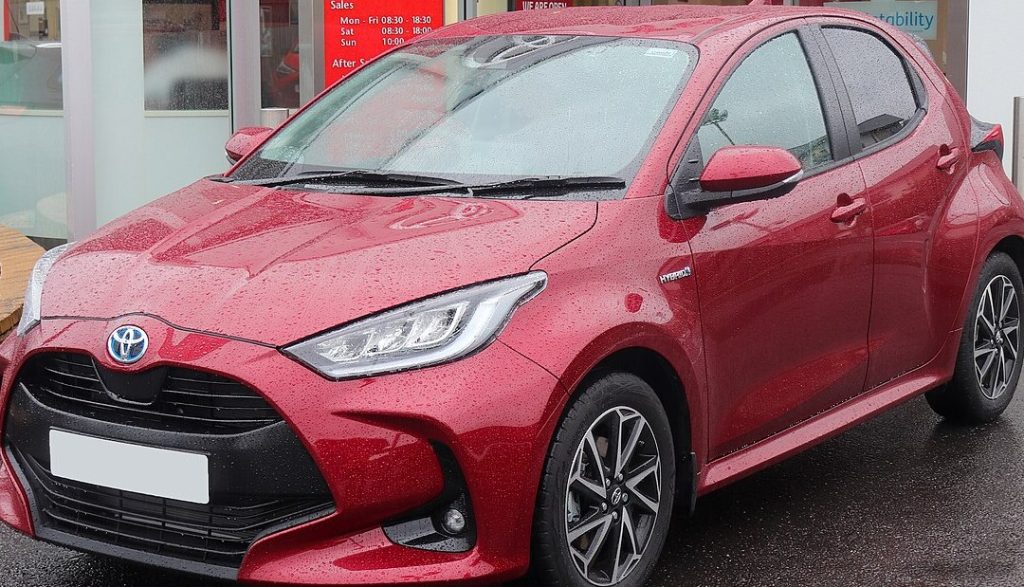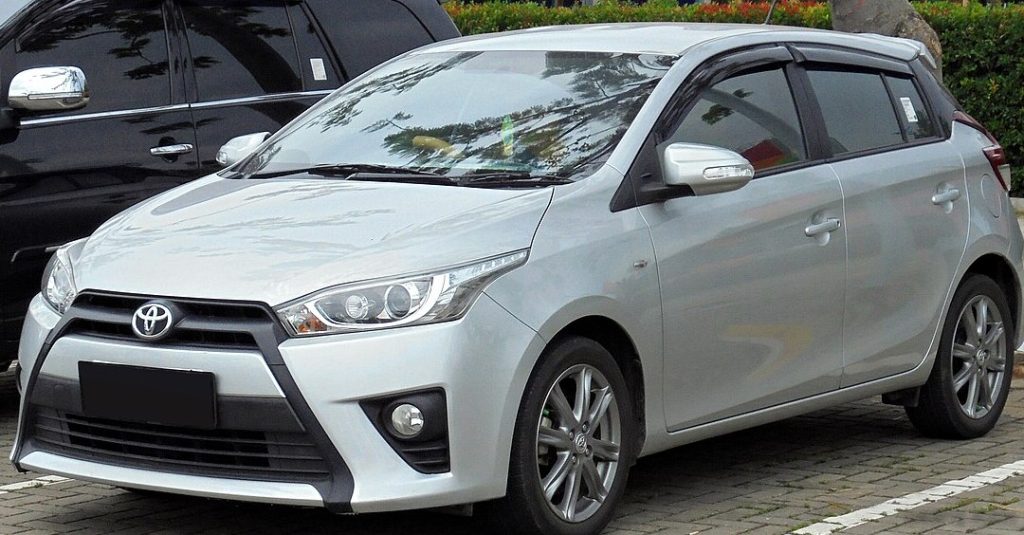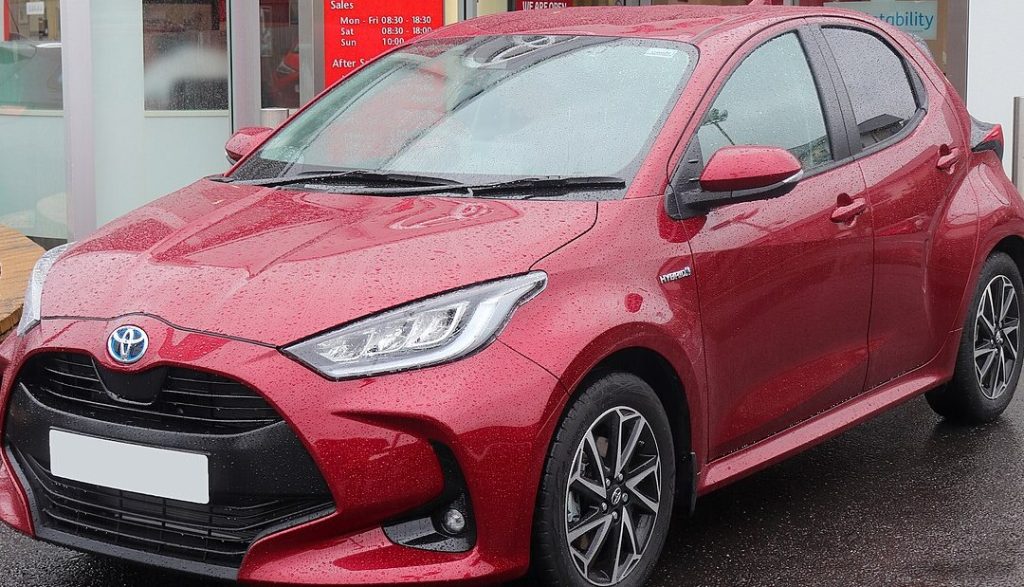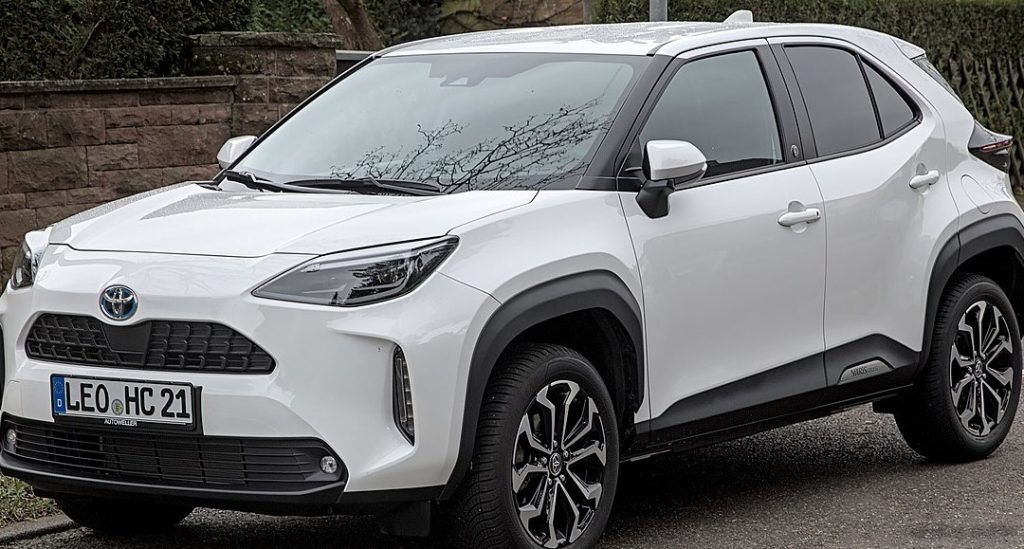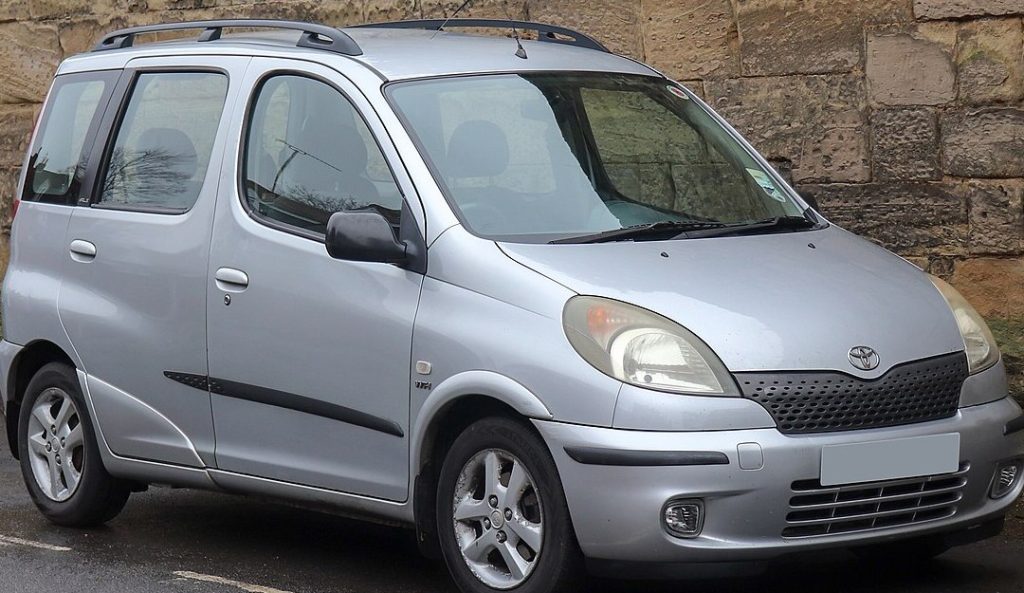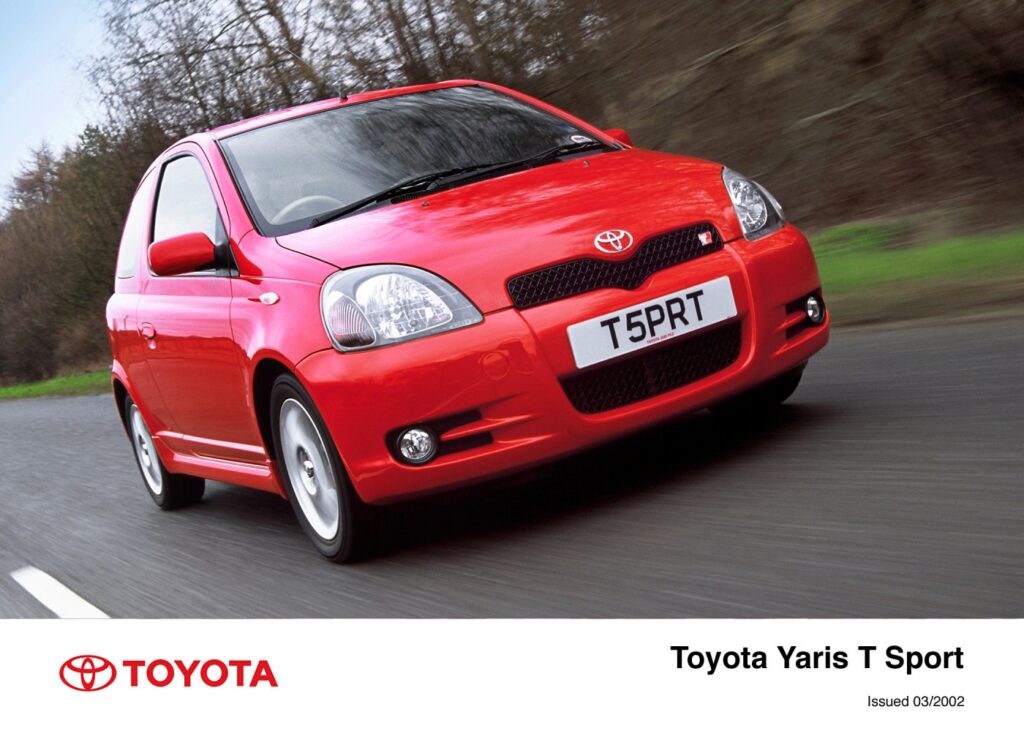
The Toyota Yaris, known in Japan as the Toyota Vitz, is a subcompact hatchback produced by Toyota since 1999. Representing Toyota’s entry into the burgeoning European small car market, the first generation Yaris (XP10) aimed to provide a spacious, reliable, and economical vehicle. This article focuses on the first generation, specifically the 3-door 1.0i 16V model, which was a popular choice for urban drivers seeking a practical and fuel-efficient vehicle. While not initially sold in the United States, the Yaris’s design philosophy and subsequent generations would influence Toyota’s offerings in the North American market.
Toyota Yaris I (3-door) 1.0i 16V: An Overview
The Yaris I, produced from 1999 to 2003, marked a significant departure from Toyota’s previous small car offerings. It prioritized interior space and versatility through a unique platform and clever packaging. The 3-door configuration, coupled with the 1.0-liter engine, targeted buyers looking for a nimble and affordable city car. The Yaris quickly gained a reputation for its reliability and fuel economy, becoming a mainstay in the European subcompact segment. Its compact dimensions made it easy to maneuver in congested urban environments, while its surprisingly spacious interior offered ample room for passengers and cargo.
Engine & Performance
The 1.0i 16V Yaris is powered by the 1SZ-FE inline-four cylinder engine, displacing 998 cubic centimeters (60.9 cubic inches). This naturally aspirated engine produces 68 horsepower at 6000 rpm and 90 Newton-meters (66.38 lb-ft) of torque at 4000 rpm. While not a performance-oriented vehicle, the 1.0-liter engine provides adequate power for everyday driving. Acceleration from 0 to 100 km/h (0 to 62 mph) takes 13.6 seconds, and 0 to 60 mph is achieved in approximately 12.9 seconds. The Yaris I 1.0i 16V has a top speed of 155 km/h (96.31 mph). The engine features a multi-port fuel injection system and a double overhead camshaft (DOHC) valvetrain, contributing to its efficiency and relatively smooth operation. The weight-to-power ratio of 12.2 kg/Hp and weight-to-torque ratio of 9.2 kg/Nm reflect the car’s modest power output relative to its weight.
Design & Features
The Yaris I (3-door) is a classic example of late 1990s/early 2000s hatchback design. Its compact dimensions (3615 mm/142.32 in length, 1660 mm/65.35 in width, and 1500 mm/59.06 in height) contribute to its maneuverability. The 3-door body style offers a sporty aesthetic, while the hatchback configuration provides practical cargo space. The interior is designed with functionality in mind, offering seating for five passengers. The rear seats can be folded down to increase cargo capacity from a minimum of 305 liters (10.77 cu ft) to a maximum of 950 liters (33.55 cu ft). Safety features for the time included an Anti-lock Braking System (ABS). The Yaris I utilized a front spring strut and rear coil spring suspension setup, providing a comfortable ride. Hydraulic power steering assists with maneuverability. The vehicle rides on 155/80 R13 T tires.
Technical Specifications
| Brand | Toyota |
| Model | Yaris |
| Generation | Yaris I (3-door) |
| Type (Engine) | 1.0i 16V (68 Hp) |
| Start of production | 1999 |
| End of production | 2003 |
| Powertrain Architecture | Internal Combustion engine |
| Body type | Hatchback |
| Seats | 5 |
| Doors | 3 |
| Fuel consumption (urban) | 6.9 l/100 km (34.1 US mpg, 40.9 UK mpg, 14.5 km/l) |
| Fuel consumption (extra urban) | 5.1 l/100 km (46.1 US mpg, 55.4 UK mpg, 19.6 km/l) |
| Fuel consumption (combined) | 5.7 l/100 km (41.3 US mpg, 49.6 UK mpg, 17.5 km/l) |
| Fuel Type | Petrol (Gasoline) |
| Acceleration 0 – 100 km/h | 13.6 sec |
| Acceleration 0 – 62 mph | 13.6 sec |
| Acceleration 0 – 60 mph | 12.9 sec |
| Maximum speed | 155 km/h (96.31 mph) |
| Weight-to-power ratio | 12.2 kg/Hp |
| Weight-to-torque ratio | 9.2 kg/Nm |
| Power | 68 Hp @ 6000 rpm |
| Power per litre | 68.1 Hp/l |
| Torque | 90 Nm @ 4000 rpm (66.38 lb.-ft. @ 4000 rpm) |
| Engine layout | Front, Transverse |
| Engine Model/Code | 1SZ-FE |
| Engine displacement | 998 cm3 (60.9 cu. in.) |
| Number of cylinders | 4 |
| Engine configuration | Inline |
| Cylinder Bore | 69 mm (2.72 in.) |
| Piston Stroke | 66.7 mm (2.63 in.) |
| Compression ratio | 10:1 |
| Number of valves per cylinder | 4 |
| Fuel injection system | Multi-port manifold injection |
| Engine aspiration | Naturally aspirated engine |
| Valvetrain | DOHC |
| Engine oil capacity | 3.2 l (3.38 US qt | 2.82 UK qt) |
| Coolant | 4.6 l (4.86 US qt | 4.05 UK qt) |
| Kerb Weight | 830 kg (1829.84 lbs.) |
| Max. weight | 1320 kg (2910.1 lbs.) |
| Max load | 490 kg (1080.27 lbs.) |
| Trunk (boot) space – minimum | 305 l (10.77 cu. ft.) |
| Trunk (boot) space – maximum | 950 l (33.55 cu. ft.) |
| Fuel tank capacity | 45 l (11.89 US gal | 9.9 UK gal) |
| Length | 3615 mm (142.32 in.) |
| Width | 1660 mm (65.35 in.) |
| Height | 1500 mm (59.06 in.) |
| Wheelbase | 2370 mm (93.31 in.) |
| Front track | 1450 mm (57.09 in.) |
| Rear (Back) track | 1430 mm (56.3 in.) |
| Drivetrain Architecture | Front wheel drive |
| Number of gears and type of gearbox | 5 gears, manual transmission |
| Front suspension | Spring Strut |
| Rear suspension | Coil spring |
| Front brakes | Ventilated discs |
| Rear brakes | Drum |
| Assisting systems | ABS (Anti-lock braking system) |
| Steering type | Steering rack and pinion |
| Power steering | Hydraulic Steering |
| Tires size | 155/80 R13 T |
The Toyota Yaris I (3-door) 1.0i 16V represents a pivotal moment in Toyota’s strategy to conquer the European small car market. Its blend of practicality, reliability, and fuel efficiency made it a popular choice for urban commuters. While never officially sold in the United States, the Yaris’s influence can be seen in subsequent Toyota models offered in North America, demonstrating the global impact of this compact hatchback.