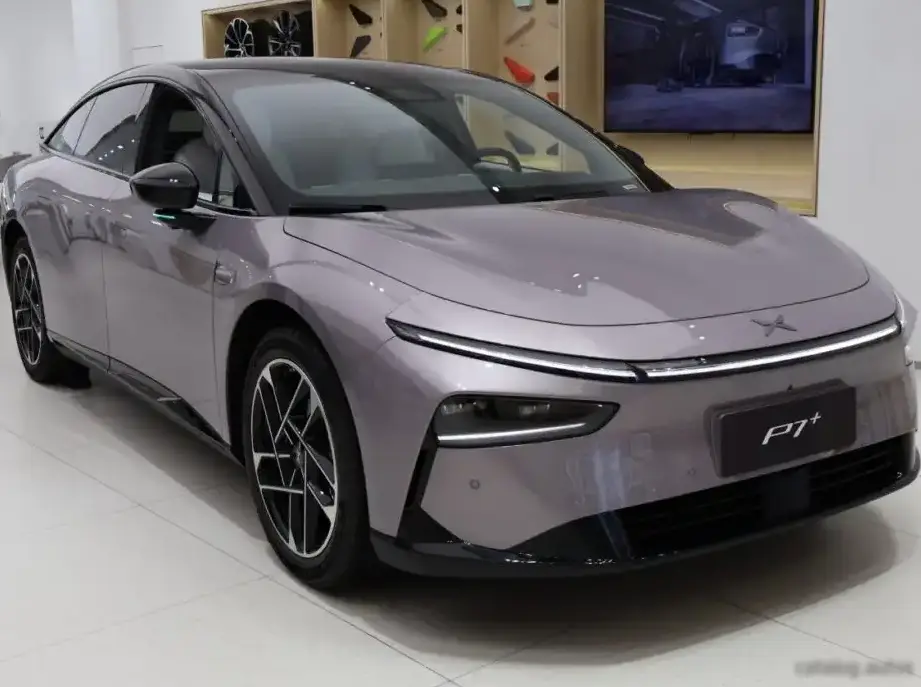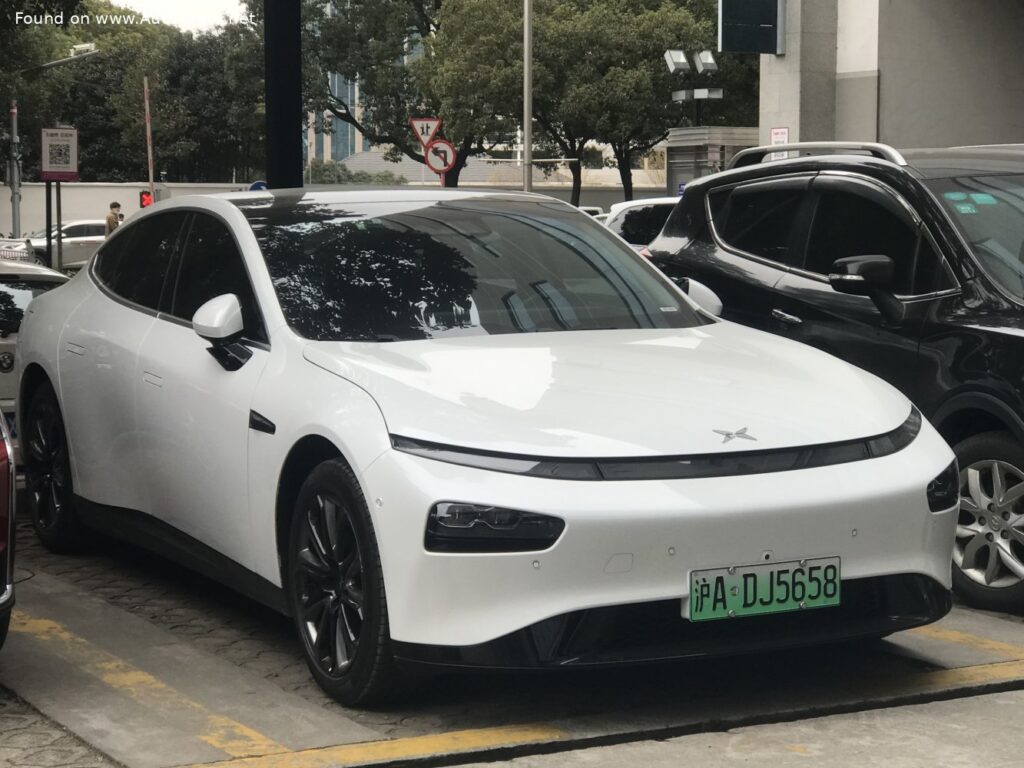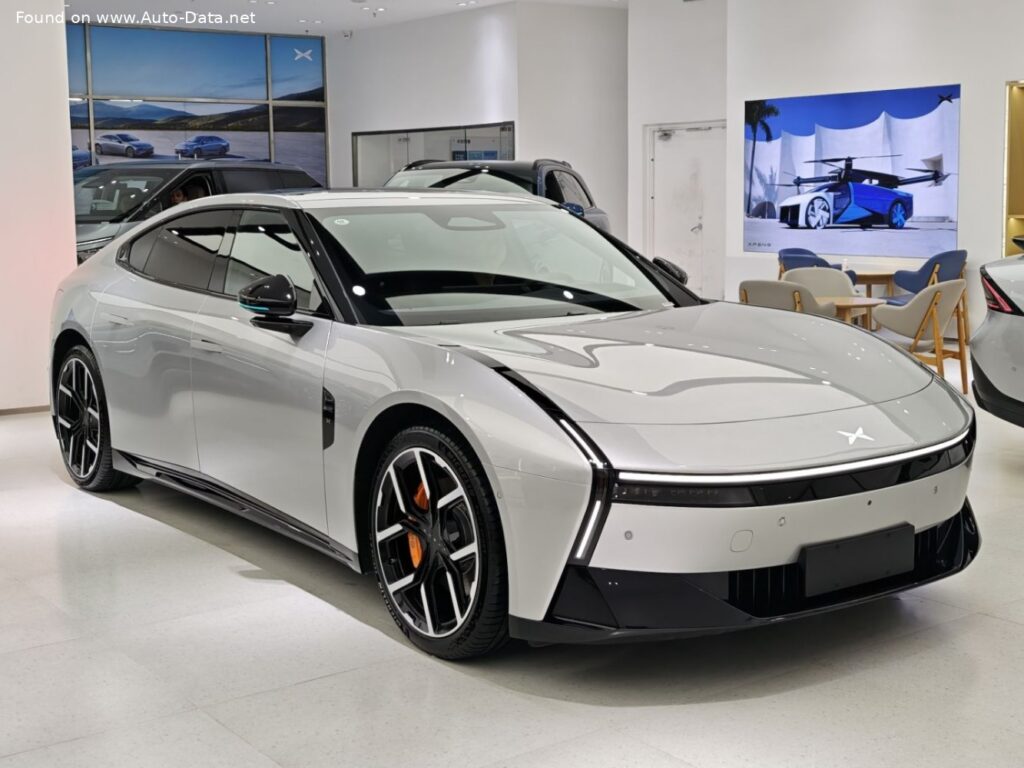
The XPENG P7 II 92.2 kWh Ultra Long Range is an all-electric fastback produced by the Chinese automotive manufacturer XPENG. Introduced in August 2025, the P7 II represents a significant evolution of the original P7, focusing on enhanced range, performance, and technological integration. Positioned within the premium mid-size segment, the P7 II aims to compete with established electric vehicles like the Tesla Model 3 and Polestar 2, offering a compelling blend of style, efficiency, and advanced driver-assistance systems. While currently primarily marketed in China, the P7 and its variants represent XPENG’s ambitions for global expansion and showcase the rapid advancements in the Chinese EV market.
XPENG P7 II: A Deep Dive
The P7 II builds upon the foundation of the original P7, which was XPENG’s first mass-produced vehicle and quickly gained popularity in China for its sleek design and advanced technology. The “II” designation signifies a substantial refresh, incorporating improvements to the battery technology, powertrain, and overall vehicle architecture. The Ultra Long Range variant, specifically, prioritizes maximizing driving range, making it an attractive option for consumers seeking a long-distance electric vehicle. XPENG is a relatively young automaker, founded in 2014, but has quickly become a major player in the Chinese EV market, known for its focus on smart technology and autonomous driving capabilities.
Engine & Performance
The XPENG P7 II 92.2 kWh Ultra Long Range is powered by a single rear-mounted electric motor, delivering 367 horsepower (Hp) and 465 Newton-meters (342.97 lb.-ft.) of torque. This powertrain configuration provides brisk acceleration, with a 0-60 mph (0-96 km/h) time of approximately 5.1 seconds, and a 0-62 mph (0-100 km/h) time of 5.4 seconds. The vehicle boasts a maximum speed of 142.92 mph (230 km/h). The heart of the P7 II’s performance lies in its 92.2 kWh lithium nickel manganese cobalt oxides (Li-NMC) battery pack, strategically positioned below the floor to optimize weight distribution and lower the center of gravity. This battery provides a CLTC-rated range of 735-820 kilometers (456.71 – 509.52 miles), making it a strong contender in terms of range. The vehicle utilizes an 800V architecture, enabling faster charging times compared to older 400V systems. The weight-to-power ratio is 5.7 kg/Hp, and the weight-to-torque ratio is 4.5 kg/Nm, indicating a favorable balance between power and weight.
Design & Features
The XPENG P7 II is characterized by its striking fastback silhouette, blending the practicality of a sedan with the sporty aesthetics of a coupe. The vehicle features a sleek, aerodynamic design with a low drag coefficient of 0.201, contributing to improved efficiency and range. The interior is modern and minimalist, dominated by a large central touchscreen display that controls most vehicle functions. The P7 II offers seating for five passengers and provides a generous amount of cargo space, with a minimum trunk capacity of 575 liters (20.31 cu. ft.) expanding to 1929 liters (68.12 cu. ft.) with the rear seats folded down. The vehicle is equipped with advanced driver-assistance systems (ADAS), including adaptive cruise control, lane keeping assist, and automatic emergency braking. Suspension duties are handled by a double wishbone front suspension with a transverse stabilizer and air suspension, paired with an independent multi-link rear suspension, also with air suspension and a transverse stabilizer, providing a comfortable and controlled ride. Ride height (ground clearance) is 142 mm (5.59 in). Approach and departure angles are 13° and 14° respectively.
Technical Specifications
| Brand | XPENG |
| Model | P7 |
| Generation | P7 II |
| Type (Engine) | 92.2 kWh (367 Hp) Ultra Long Range |
| Start of production | August, 2025 |
| Powertrain Architecture | BEV (Electric Vehicle) |
| Body type | Fastback |
| Seats | 5 |
| Doors | 5 |
| Fuel Type | Electricity |
| Acceleration 0 – 100 km/h | 5.4 sec |
| Acceleration 0 – 62 mph | 5.4 sec |
| Acceleration 0 – 60 mph | 5.1 sec |
| Maximum speed | 230 km/h (142.92 mph) |
| Weight-to-power ratio | 5.7 kg/Hp |
| Weight-to-torque ratio | 4.5 kg/Nm |
| Gross battery capacity | 92.2 kWh |
| Battery voltage | 800 V |
| Battery technology | Lithium nickel manganese cobalt oxides (Li-NMC) |
| Battery location | Below the floor |
| All-electric range (CLTC) | 735-820 km (456.71 – 509.52 mi) |
| Average Energy consumption (CLTC) | 12-13.7 kWh/100 km (19.31 – 22.05 kWh/100 mi) |
| Electric motor | 1 |
| Electric motor power | 367 Hp |
| Electric motor Torque | 465 Nm (342.97 lb.-ft.) |
| Electric motor model/code | TZ230XY01E29X |
| Electric motor location | Rear axle, Transverse |
| Electric motor type | Synchronous |
| System power | 367 Hp |
| System torque | 465 Nm (342.97 lb.-ft.) |
| Kerb Weight | 2090 kg (4607.66 lbs.) |
| Max. weight | 2540 kg (5599.74 lbs.) |
| Max load | 450 kg (992.08 lbs.) |
| Trunk (boot) space – minimum | 575 l (20.31 cu. ft.) |
| Trunk (boot) space – maximum | 1929 l (68.12 cu. ft.) |
| Length | 5017 mm (197.52 in.) |
| Width | 1970 mm (77.56 in.) |
| Height | 1427 mm (56.18 in.) |
| Wheelbase | 3008 mm (118.43 in.) |
| Front track | 1682 mm (66.22 in.) |
| Rear (Back) track | 1682 mm (66.22 in.) |
| Ride height (ground clearance) | 142 mm (5.59 in.) |
| Drag coefficient (Cd) | 0.201 |
| Approach angle | 13° |
| Departure angle | 14° |
| Drivetrain Architecture | One electric motor drives the rear wheels. |
| Drive wheel | Rear wheel drive |
| Number of gears and type of gearbox | 1 gears, automatic transmission |
| Front suspension | Double wishbone, Transverse stabilizer, Air suspension |
| Rear suspension | Independent multi-link suspension, Air suspension, Transverse stabilizer |
| Front brakes | Ventilated discs |
| Rear brakes | Ventilated discs |
| Assisting systems | ABS (Anti-lock braking system) |
| Steering type | Steering rack and pinion |
| Power steering | Electric Steering |
| Tires size | Front wheel tires: 245/45 R20; 245/40 R21Rear wheel tires: 275/40 R20; 275/35 R21 |
| Wheel rims size | 20; 21 |