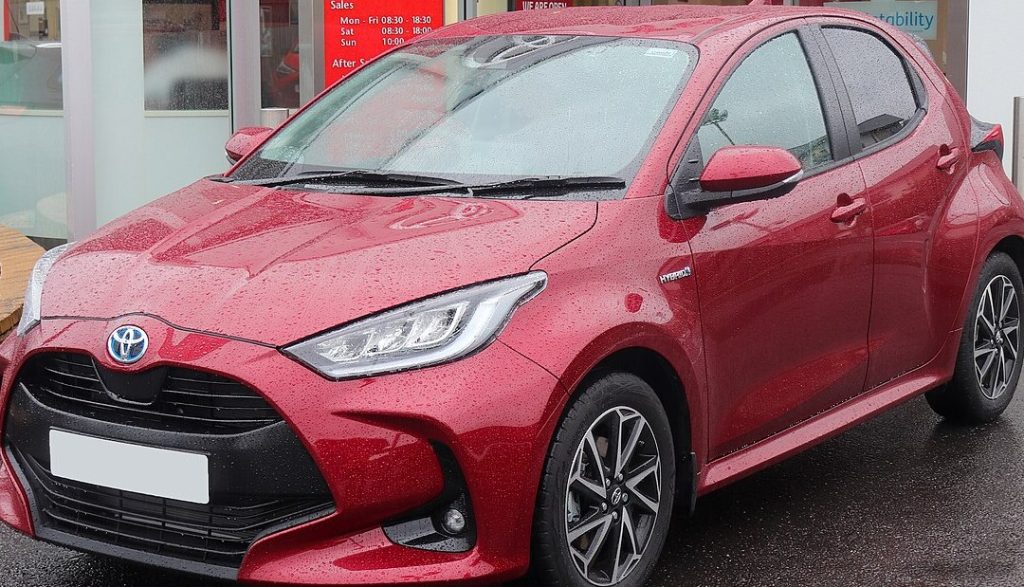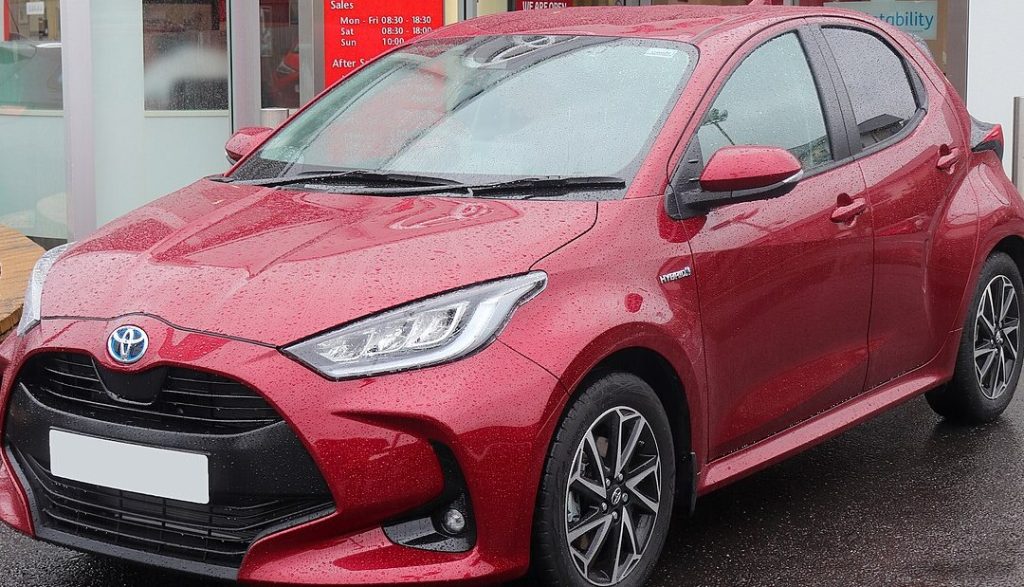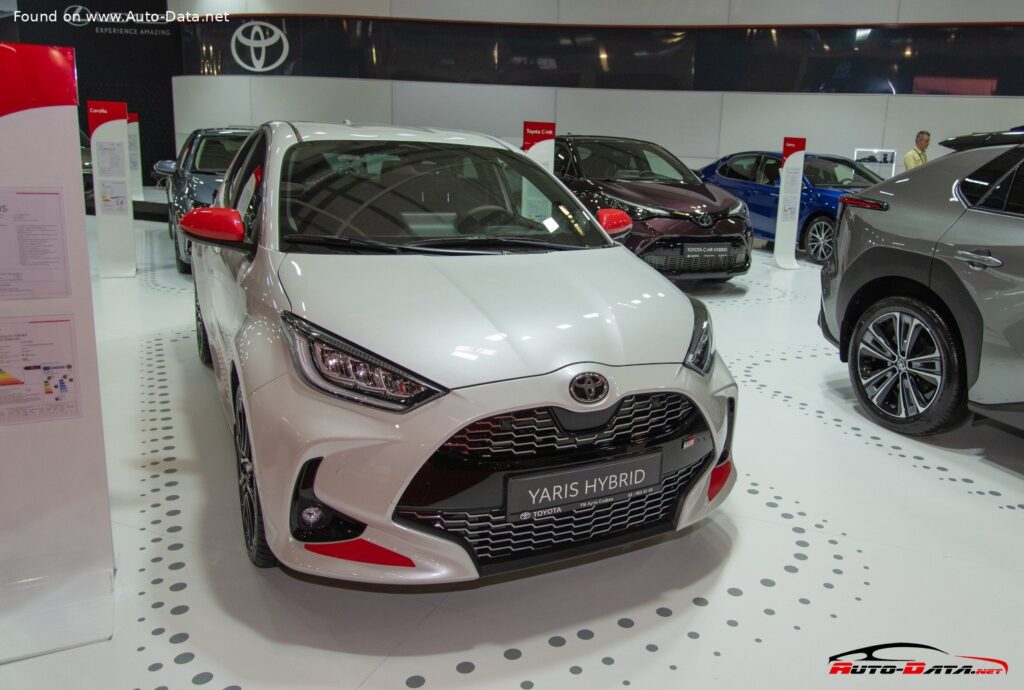
The Toyota Yaris (XP210) 1.0 (69 hp) CVT represents the entry-level powertrain option for the third generation of the Yaris, produced from September 2020 to July 2023. This variant was positioned as the most fuel-efficient and affordable model within the XP210 lineup, targeting urban commuters and drivers prioritizing economy over outright performance. It served as the gateway to the Yaris range, offering a practical and reliable hatchback with a focus on low running costs. The XP210 generation marked a significant shift for the Yaris, utilizing the GA-B platform – a derivative of the Toyota New Global Architecture (TNGA) – resulting in improved rigidity, handling, and safety features compared to its predecessor.
Powertrain & Engine Architecture
The heart of the Yaris 1.0 CVT is the 1KR-FE engine, a 1.0-liter, naturally aspirated inline-three cylinder gasoline engine. This engine is a member of Toyota’s KR engine family, known for its compact size, lightweight construction, and fuel efficiency. The 1KR-FE boasts a displacement of 996 cc (60.78 cubic inches) with a bore of 71 mm (2.8 inches) and a stroke of 83.9 mm (3.3 inches). It features a multi-port fuel injection system and utilizes Variable Valve Timing (VVT) on the intake camshaft to optimize performance and efficiency across the rev range. The engine produces 69 horsepower at 6000 rpm and 92 Nm (67.86 lb-ft) of torque at 4400 rpm, resulting in a power-to-liter ratio of 69.3 hp/l.
The engine is paired with a Continuously Variable Transmission (CVT), offering seamless gear changes and contributing to the Yaris’s fuel efficiency. Unlike traditional automatic transmissions with fixed gear ratios, a CVT utilizes a belt and pulley system to provide an infinite number of gear ratios within its operating range. This allows the engine to operate at its most efficient point more often, maximizing fuel economy. The CVT in the Yaris 1.0 is tuned for smooth operation and prioritizes fuel savings over sporty acceleration.
Engine Specifications
The 1KR-FE engine is known for its simplicity and reliability. It’s a three-cylinder engine, which inherently results in some vibration compared to four-cylinder engines. Toyota has implemented balancing shafts to mitigate these vibrations, but a slight degree of engine roughness is still noticeable. The engine also incorporates a particulate filter to reduce emissions, complying with increasingly stringent environmental regulations.
Driving Characteristics
The Yaris 1.0 CVT delivers modest performance, geared towards urban driving conditions. Acceleration is adequate for city traffic, but it can feel strained when attempting to merge onto highways or overtake at higher speeds. The CVT contributes to a smooth and linear power delivery, but it can also result in a “rubber band” effect, where engine revs rise quickly without a corresponding increase in speed. The weight-to-power ratio of 13.6 kg/hp (73.4 hp/tonne) reflects the engine’s limited output relative to the vehicle’s weight (940-970 kg or 2072.35 – 2138.48 lbs). The CVT’s gear ratios are optimized for fuel economy, prioritizing efficiency over spirited driving. While not a performance-oriented vehicle, the Yaris 1.0 CVT provides a comfortable and predictable driving experience for everyday use.
Equipment & Trim Levels
The Yaris 1.0 CVT typically came with a base level of equipment, focusing on essential features. Standard amenities generally included air conditioning, power windows, central locking, and a basic audio system with Bluetooth connectivity. Safety features such as ABS (Anti-lock Braking System), Vehicle Stability Control, and multiple airbags were standard across the range. Interior upholstery was typically cloth, with a functional and durable design. Optional extras available for this trim level often included alloy wheels, a touchscreen infotainment system with Apple CarPlay and Android Auto compatibility, and parking sensors. Higher trim levels within the XP210 Yaris range offered more luxurious features, such as automatic climate control, upgraded audio systems, and advanced safety technologies.
Chassis & Braking
The Yaris 1.0 CVT utilizes a McPherson strut independent suspension system at the front, providing a comfortable ride and decent handling characteristics. The rear suspension employs a torsion beam setup, which is a cost-effective and space-saving solution. The front brakes are ventilated discs, offering good stopping power, while the rear brakes are drums, a common feature in entry-level models to reduce costs. The steering system is an electric power steering rack and pinion, providing light and easy steering feel. The Yaris 1.0 CVT’s ride height (ground clearance) is 140 mm (5.51 inches), suitable for navigating typical urban road conditions.
Market Reception & Comparison
The Yaris 1.0 CVT was generally well-received by critics for its fuel efficiency and affordability. It consistently achieved combined fuel consumption figures of 4.9 l/100 km (48 US mpg, 57.6 UK mpg, 20.4 km/l), making it one of the most economical cars in its class. However, its limited power output was a common criticism, with reviewers noting its struggles on inclines and during overtaking maneuvers. Compared to other trims in the Yaris lineup, such as the 1.5-liter hybrid, the 1.0 CVT offered significantly lower performance but at a lower price point. It competed with other small hatchbacks like the Volkswagen Polo, Ford Fiesta, and Hyundai i20, often undercutting them in terms of price and fuel economy.
Technical Specifications
| Body Type | Hatchback, 5 Doors, 5 Seats |
| Engine Type | Petrol (Gasoline) |
| Engine Displacement | 996 cm3 (60.78 cu. in.) |
| Number of Cylinders | 3, Inline |
| Power | 69 Hp @ 6000 rpm |
| Torque | 92 Nm @ 4400 rpm (67.86 lb.-ft. @ 4400 rpm) |
| Fuel Consumption (Combined WLTP) | 4.9 l/100 km (48 US mpg, 57.6 UK mpg, 20.4 km/l) |
| Transmission | CVT (Continuously Variable Transmission) |
| Drive Type | Front Wheel Drive |
| Kerb Weight | 940-970 kg (2072.35 – 2138.48 lbs.) |
| Max. Weight | 1245 kg (2744.76 lbs.) |
| Fuel Tank Capacity | 40 l (10.57 US gal, 8.8 UK gal) |
| Length | 3940 mm (155.12 in.) |
| Width | 1695 mm (66.73 in.) |
| Height | 1500 mm (59.06 in.) |
| Wheelbase | 2550 mm (100.39 in.) |
Legacy
The Toyota Yaris (XP210) 1.0 CVT has proven to be a reliable and economical vehicle in the used car market. The 1KR-FE engine is known for its durability and relatively low maintenance costs. While not a particularly exciting car to drive, it offers a practical and affordable solution for urban transportation. Common issues reported with this model are generally minor, such as wear and tear on suspension components and occasional CVT maintenance. The Yaris 1.0 CVT remains a popular choice for first-time car buyers, students, and those seeking a fuel-efficient and dependable vehicle for short commutes. Its strong reputation for reliability and low running costs ensures its continued presence on the used car market for years to come.