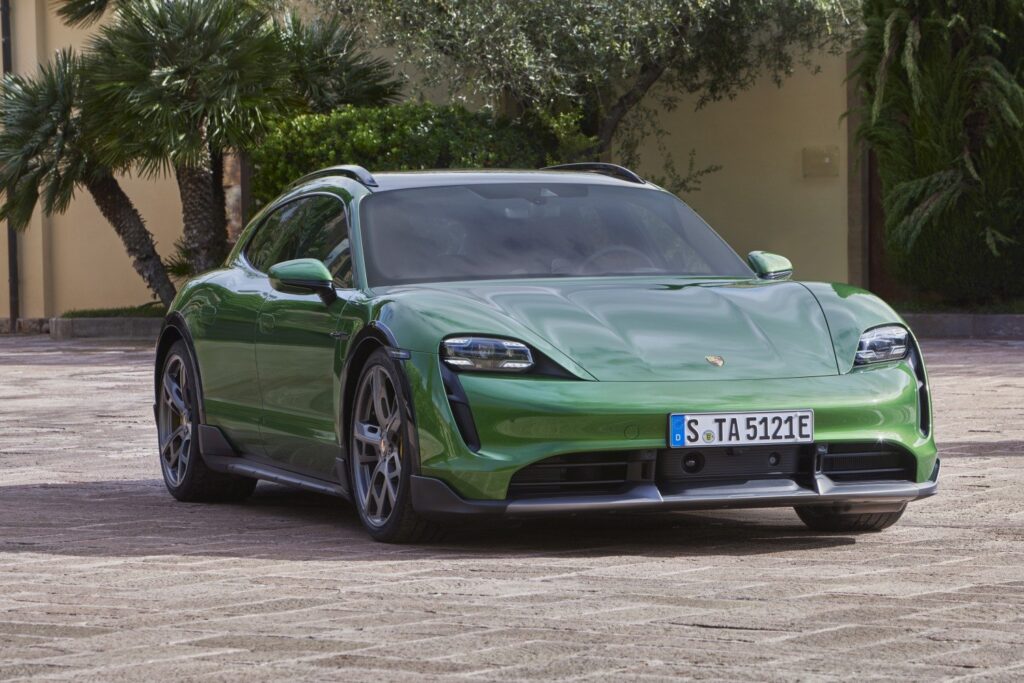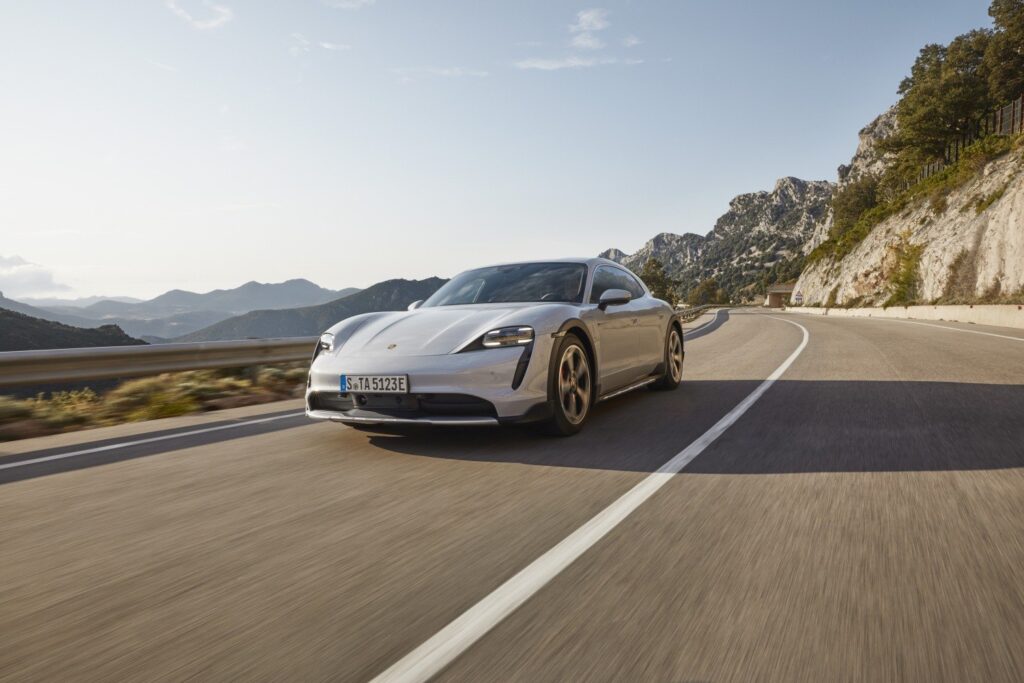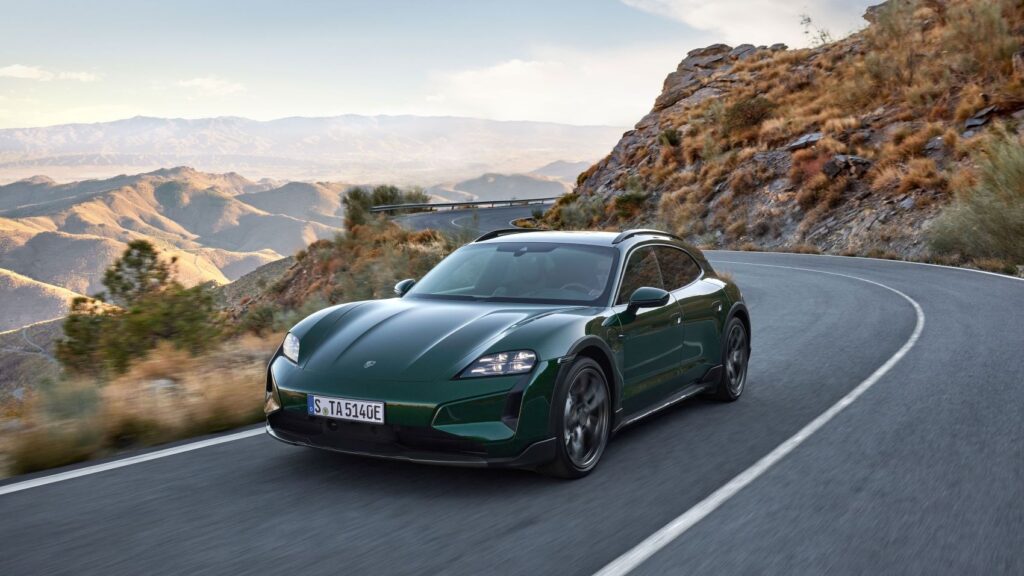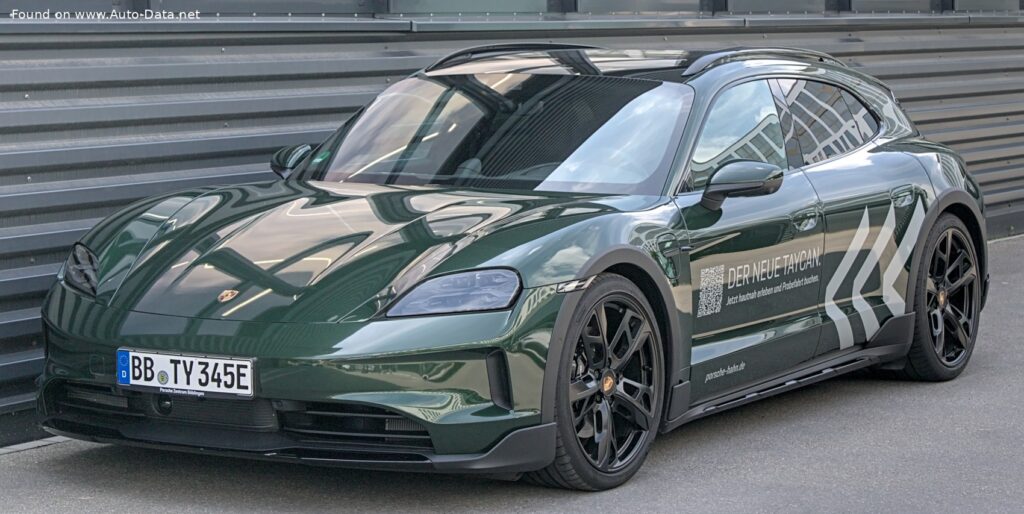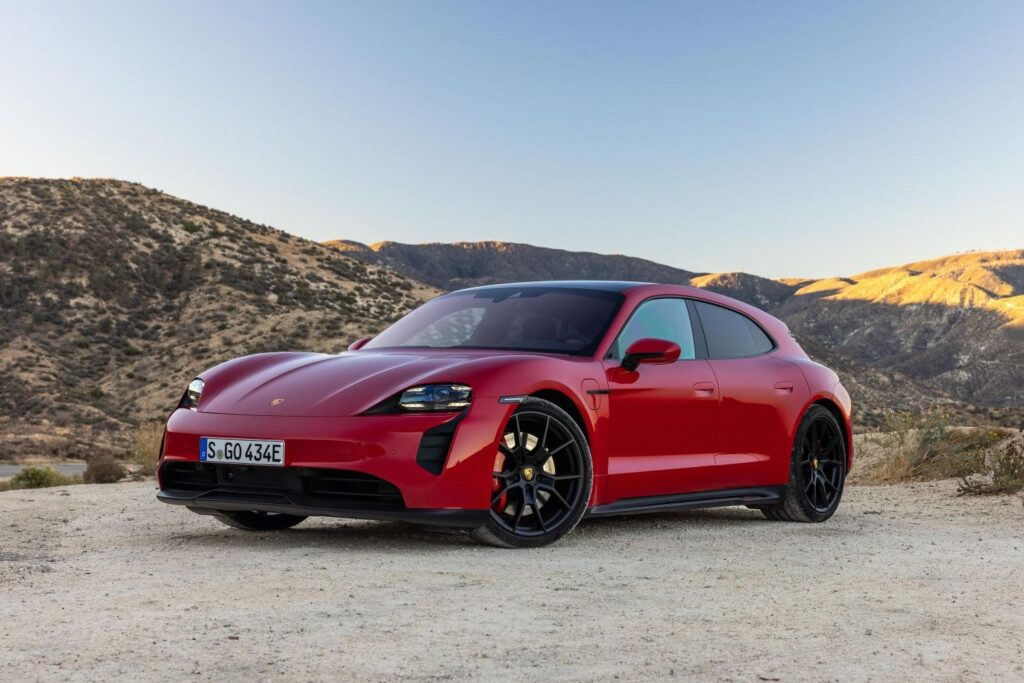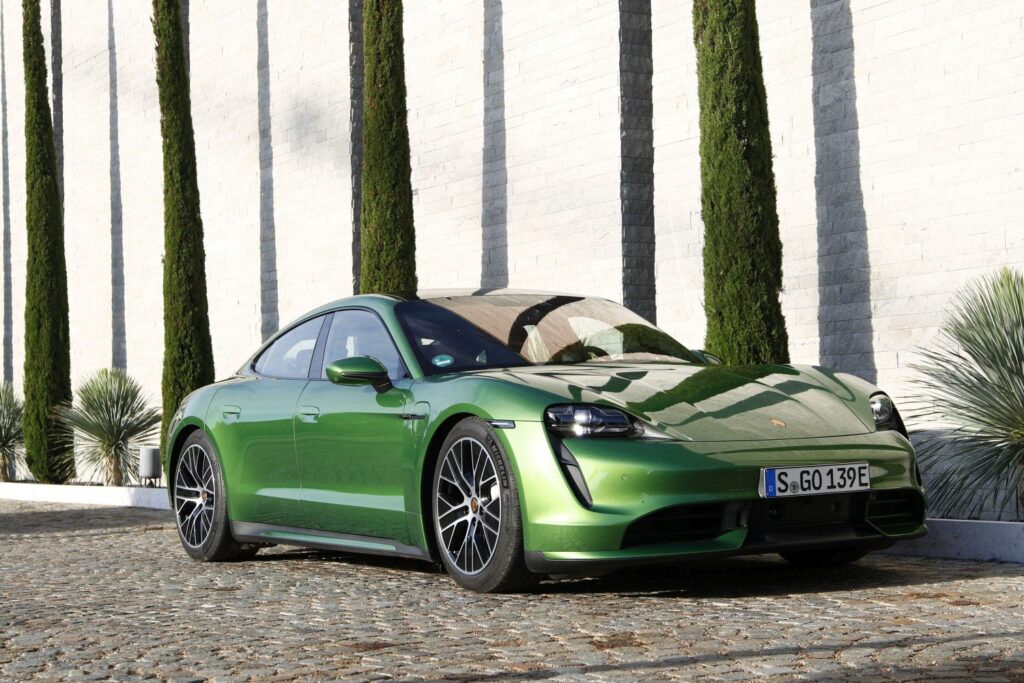
The Porsche Taycan Turbo S, introduced in 2020, represents the flagship performance variant of Porsche’s first all-electric vehicle, the Taycan (Y1A). Positioned as the top-tier model within the initial Taycan lineup, the Turbo S offered the highest levels of performance, technology, and luxury. Production of this specific configuration, featuring a 93.4 kWh battery and delivering 761 horsepower, continued through February 2024, establishing it as a foundational model for Porsche’s electric future. The Taycan, built on a dedicated electric vehicle platform (J1 platform, internally designated as Y1A), aimed to deliver the driving experience synonymous with the Porsche brand, but with zero tailpipe emissions.
Powertrain & Engine Architecture
The Taycan Turbo S utilizes a dual-motor, all-wheel-drive (AWD) powertrain. Unlike traditional internal combustion engine vehicles, it doesn’t have an “engine” in the conventional sense, but rather two permanently excited synchronous electric motors – one driving the front axle (EBG) and one driving the rear axle (EBE). Both motors are transversely mounted. The system boasts a combined output of 761 hp and 1050 Nm (774.44 lb-ft) of torque. A key feature of the Taycan is its 800-volt architecture, a first for series production electric vehicles. This higher voltage allows for significantly faster charging times compared to the more common 400-volt systems. The 93.4 kWh gross (83.7 kWh net/usable) lithium-ion battery pack is located low in the vehicle floor, contributing to a low center of gravity and improved handling. The battery pack utilizes prismatic cell technology. The two-speed automatic transmission, unique to the Taycan, provides a short gear ratio for acceleration and a long gear ratio for efficiency at cruising speeds. This transmission is integrated into the rear motor unit.
Electric Motor Details
The synchronous electric motors employed in the Taycan Turbo S are highly efficient and deliver instant torque. The motors utilize a hairpin winding stator for improved cooling and power density. The power electronics, including the inverters, are also integrated into the vehicle to optimize performance and minimize weight. The 800-volt architecture necessitates specialized charging infrastructure, but allows for up to 270 kW DC fast charging, capable of adding approximately 62 miles of range in just 5 minutes under ideal conditions.
Driving Characteristics
The Taycan Turbo S delivers breathtaking acceleration. Officially, it achieves 0-60 mph in 2.6 seconds, 0-100 km/h in 2.8 seconds, and 0-200 km/h in 9.6 seconds, with a top speed of 260 km/h (161.56 mph). The dual-motor AWD system provides exceptional traction and stability, allowing for confident acceleration in various conditions. The two-speed transmission is largely seamless in operation, with the shift points carefully calibrated to maximize performance. Compared to lower-spec Taycan models (like the 4S), the Turbo S offers a significantly more potent and responsive driving experience. The instant torque delivery of the electric motors provides a unique sensation, and the low center of gravity contributes to remarkably flat cornering. The adjustable air suspension allows drivers to tailor the ride comfort and handling characteristics to their preferences.
Equipment & Trim Levels
As the flagship model, the Taycan Turbo S came standard with a comprehensive suite of features. Interior appointments included standard leather upholstery, 18-way adjustable front seats with memory function, and a panoramic glass roof. Standard technology included Porsche Communication Management (PCM) with a 10.9-inch touchscreen display, Apple CarPlay, and a premium sound system. Safety features included Porsche Active Suspension Management (PASM), Porsche Stability Management (PSM), and a suite of driver-assistance systems such as adaptive cruise control, lane keep assist, and automatic emergency braking. Optional extras included carbon fiber trim, upgraded interior materials, and a more powerful audio system. The exterior styling of the Turbo S was distinguished by unique aerodynamic elements and larger wheels and tires.
Chassis & Braking
The Taycan Turbo S features a sophisticated chassis designed for both performance and comfort. The front suspension utilizes a double-wishbone design with air suspension, while the rear suspension employs an independent multi-link setup, also with air suspension. This air suspension system allows for ride height adjustment and automatic leveling. The braking system consists of ventilated discs – 420×40 mm at the front and 410×32 mm at the rear – providing exceptional stopping power. Porsche Ceramic Composite Brakes (PCCB) were available as an option for even greater braking performance and reduced weight. The Taycan also incorporates 4-wheel steering (4WS), which allows the rear wheels to steer independently, enhancing agility and stability, particularly at higher speeds.
Market Reception & Comparison
The Porsche Taycan Turbo S was widely praised by automotive critics for its exceptional performance, handling, and technology. It was often lauded as a benchmark for electric vehicles, demonstrating that EVs could deliver a truly engaging and rewarding driving experience. Compared to other Taycan variants, the Turbo S offered a substantial performance advantage, justifying its higher price tag. Fuel economy, measured in terms of energy consumption, varied depending on driving conditions, but the Taycan Turbo S typically achieved a WLTP combined consumption of 24.3-25.6 kWh/100 km (39.11 – 41.2 kWh/100 mi), translating to approximately 86-82 MPGe. Reliability reports have generally been positive, although, as with any new technology, some early adopters experienced minor software glitches. Compared to the Tesla Model S Performance, the Taycan Turbo S was often considered to offer a more refined and luxurious interior, as well as superior handling characteristics.
Technical Specifications
| Brand | Porsche |
| Model | Taycan |
| Generation | Taycan (Y1A) |
| Type | Turbo S 93.4 kWh (761 Hp) |
| Start of production | 2020 |
| End of production | February, 2024 |
| Powertrain Architecture | BEV (Electric Vehicle) |
| Body type | Sedan |
| Seats | 4 |
| Doors | 4 |
| Fuel Type | Electricity |
| Acceleration 0 – 100 km/h | 2.8 sec |
| Acceleration 0 – 62 mph | 2.8 sec |
| Acceleration 0 – 60 mph | 2.6 sec |
| Acceleration 0 – 200 km/h | 9.6 sec |
| Maximum speed | 260 km/h (161.56 mph) |
| Gross battery capacity | 93.4 kWh |
| Net (usable) battery capacity | 83.7 kWh |
| Battery voltage | 800 V |
| Battery technology | Lithium-ion (Li-Ion) |
| Battery weight | 650 kg (1433 lbs) |
| All-electric range (WLTP) | 390-416 km (242.33 – 258.49 mi) |
| Average Energy consumption (WLTP) | 24.3-25.6 kWh/100 km |
| System power | 761 Hp |
| System torque | 1050 Nm (774.44 lb.-ft.) |
| Kerb Weight | 2295 kg (5059.61 lbs) |
| Max. weight | 2870 kg (6327.27 lbs) |
| Trunk (boot) space – minimum | 366 l (12.93 cu. ft.) |
| Length | 4963 mm (195.39 in) |
| Width | 1966 mm (77.4 in) |
| Height | 1378 mm (54.25 in) |
| Wheelbase | 2900 mm (114.17 in) |
Legacy
The Porsche Taycan Turbo S established Porsche as a serious contender in the electric vehicle market. Its combination of performance, luxury, and technology set a new standard for EVs. While early models may exhibit some age-related wear and tear on battery capacity, the Taycan’s robust construction and advanced engineering suggest long-term reliability. On the used car market, the Taycan Turbo S commands a premium price, reflecting its status as a desirable and technologically advanced vehicle. The 800-volt architecture and fast-charging capabilities continue to be relevant, and the Taycan’s design and driving dynamics have influenced subsequent Porsche models and the broader EV landscape.