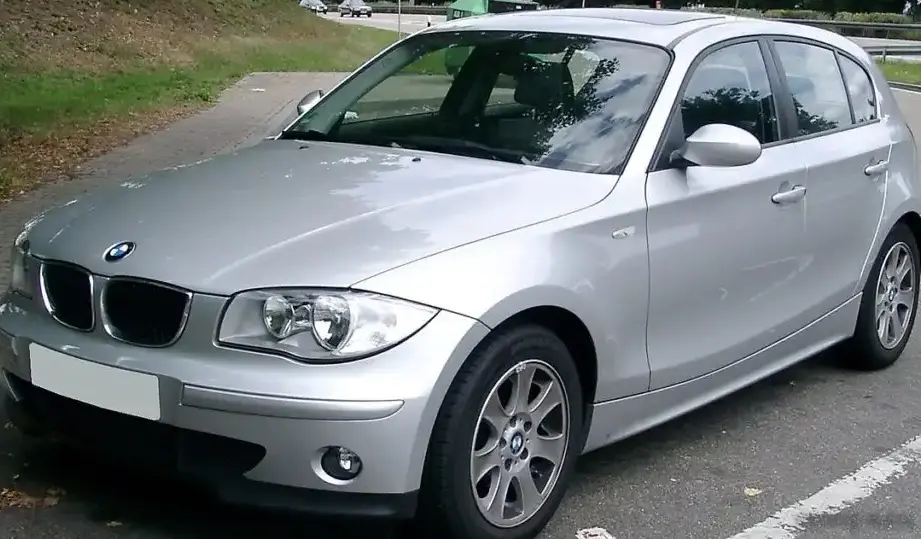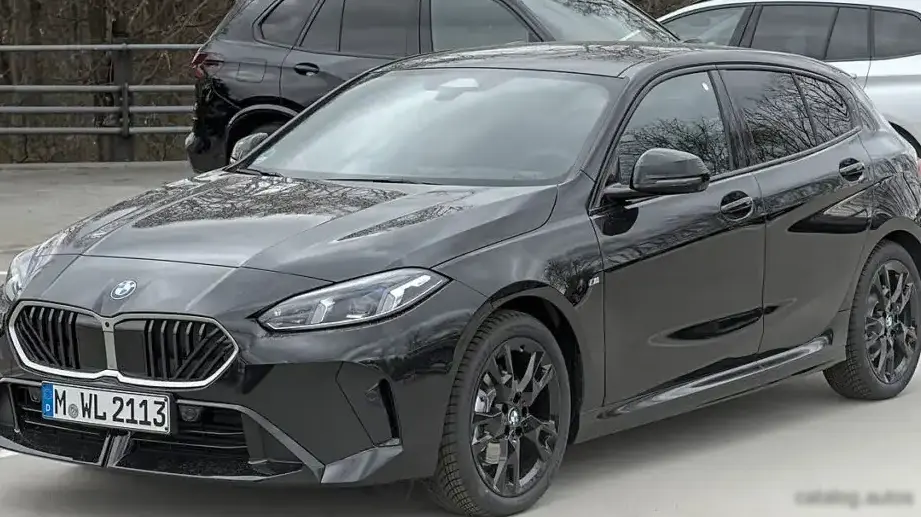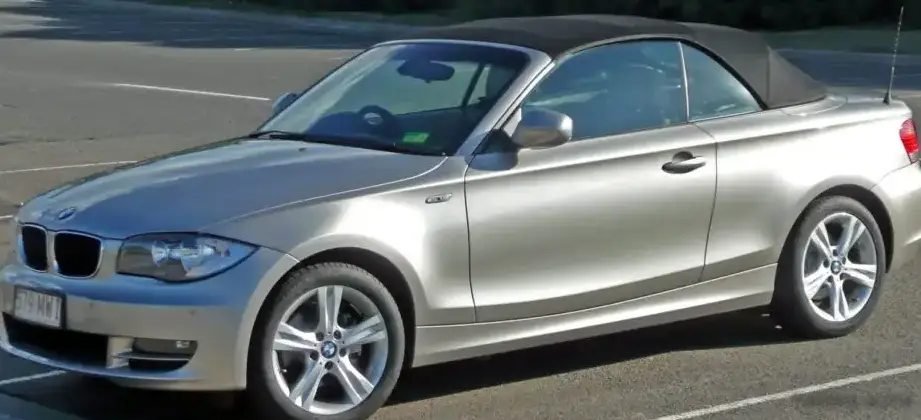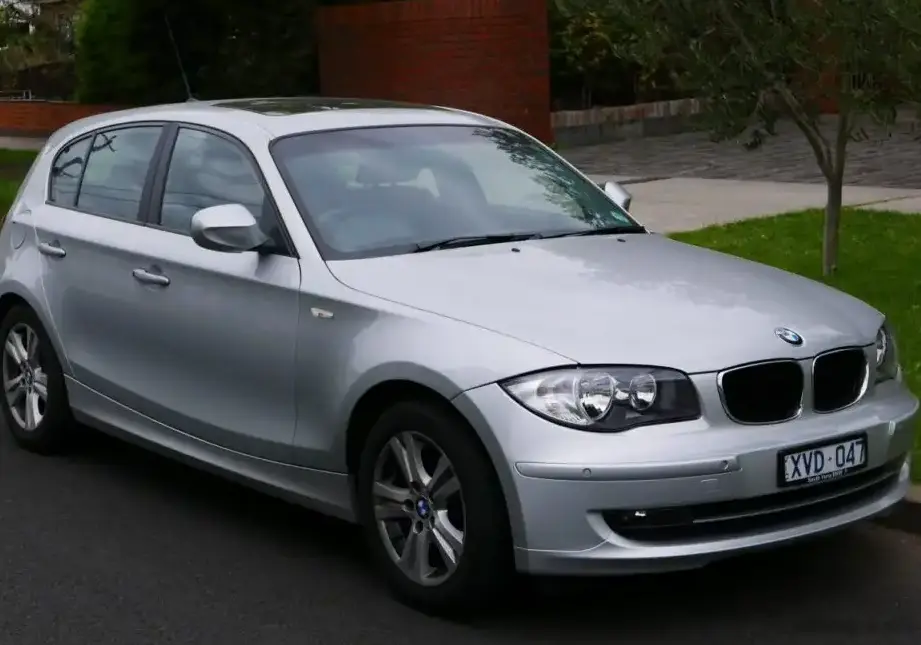
The BMW 120i Steptronic, part of the E87 LCI (Life Cycle Impulse) facelift generation of the 1 Series hatchback produced from 2007 to 2011, represented a key entry point into the BMW ownership experience in the European market. Positioned as a more accessible alternative to the performance-focused 130i and diesel-powered 123d, the 120i offered a blend of practicality, efficiency, and the brand’s renowned driving dynamics. The LCI facelift brought revised styling, improved interior materials, and updated engine technology compared to the original E87 launched in 2004. This variant, equipped with the N43B20A engine and a six-speed Steptronic automatic transmission, aimed to appeal to buyers prioritizing comfort and ease of use over outright performance.
Technical Specifications
| Brand | BMW |
| Model | 1 Series |
| Generation | 1 Series Hatchback 5dr (E87 LCI, facelift 2007) |
| Type (Engine) | 120i (170 Hp) Steptronic |
| Start of production | 2007 |
| End of production | 2011 |
| Powertrain Architecture | Internal Combustion engine |
| Body type | Hatchback |
| Seats | 5 |
| Doors | 5 |
| Fuel consumption (urban) | 8.9 l/100 km (26.4 US mpg, 31.7 UK mpg, 11.2 km/l) |
| Fuel consumption (extra urban) | 5.3 l/100 km (44.4 US mpg, 53.3 UK mpg, 18.9 km/l) |
| Fuel consumption (combined) | 6.6 l/100 km (35.6 US mpg, 42.8 UK mpg, 15.2 km/l) |
| CO2 emissions | 155 g/km |
| Fuel Type | Petrol (Gasoline) |
| Acceleration 0 – 100 km/h | 8.4 sec |
| Acceleration 0 – 62 mph | 8.4 sec |
| Acceleration 0 – 60 mph | 8 sec (Calculated) |
| Maximum speed | 222 km/h (137.94 mph) |
| Emission standard | Euro 5 |
| Weight-to-power ratio | 7.8 kg/Hp, 128.8 Hp/tonne |
| Weight-to-torque ratio | 6.3 kg/Nm, 159.1 Nm/tonne |
| Power | 170 Hp @ 6700 rpm |
| Power per litre | 85.2 Hp/l |
| Torque | 210 Nm @ 4250 rpm (154.89 lb.-ft. @ 4250 rpm) |
| Engine layout | Front, Longitudinal |
| Engine Model/Code | N43B20A |
| Engine displacement | 1995 cm3 (121.74 cu. in.) |
| Number of cylinders | 4 |
| Engine configuration | Inline |
| Cylinder Bore | 84 mm (3.31 in.) |
| Piston Stroke | 90 mm (3.54 in.) |
| Compression ratio | 12:1 |
| Number of valves per cylinder | 4 |
| Fuel injection system | Direct injection |
| Engine aspiration | Naturally aspirated |
| Engine oil capacity | 4.25 l (4.49 US qt, 3.74 UK qt) |
| Coolant capacity | 7.8 l (8.24 US qt, 6.86 UK qt) |
| Kerb Weight | 1320 kg (2910.1 lbs.) |
| Max. weight | 1820 kg (4012.41 lbs.) |
| Max load | 500 kg (1102.31 lbs.) |
| Trunk (boot) space – minimum | 330 l (11.65 cu. ft.) |
| Trunk (boot) space – maximum | 1150 l (40.61 cu. ft.) |
| Fuel tank capacity | 53 l (14 US gal, 11.66 UK gal) |
| Max. roof load | 75 kg (165.35 lbs.) |
| Permitted trailer load with brakes (8%) | 1200 kg (2645.55 lbs.) |
| Permitted trailer load with brakes (12%) | 1200 kg (2645.55 lbs.) |
| Permitted trailer load without brakes | 680 kg (1499.14 lbs.) |
| Permitted towbar download | 75 kg (165.35 lbs.) |
| Length | 4239 mm (166.89 in.) |
| Width | 1748 mm (68.82 in.) |
| Width including mirrors | 1934 mm (76.14 in.) |
| Height | 1421 mm (55.94 in.) |
| Wheelbase | 2660 mm (104.72 in.) |
| Front track | 1484 mm (58.43 in.) |
| Rear track | 1497 mm (58.94 in.) |
| Front overhang | 751 mm (29.57 in.) |
| Rear overhang | 828 mm (32.6 in.) |
| Drag coefficient (Cd) | 0.30 |
| Drivetrain Architecture | Rear wheel drive |
| Drive wheel | Rear wheel drive |
| Number of gears and type of gearbox | 6 gears, automatic transmission Steptronic |
| Front suspension | Independent type McPherson, Transverse stabilizer |
| Rear suspension | Independent multi-link suspension, Transverse stabilizer |
| Front brakes | Ventilated discs |
| Rear brakes | Disc |
| Assisting systems | ABS (Anti-lock braking system) |
| Steering type | Steering rack and pinion |
| Power steering | Electric Steering |
| Tires size | 205/55 R16 V |
| Wheel rims size | 7J x 16 |
INTRODUCTION
The BMW 120i Steptronic (E87 LCI) was produced between 2007 and 2011, serving as a crucial model within the first generation of the 1 Series. Built on the 1HX0/A3 platform, shared with the MINI Cooper, the 1 Series represented BMW’s entry into the premium compact hatchback segment. The LCI facelift brought subtle but important improvements to the car’s aesthetics and mechanicals. The 120i, with its automatic transmission, was designed to offer a comfortable and refined driving experience, appealing to a broader customer base than the more driver-focused manual versions or the higher-performance 130i.
Powertrain & Engine Architecture
At the heart of the 120i Steptronic lies the N43B20A 2.0-liter inline-four cylinder engine. This engine featured direct fuel injection, a variable valve timing system (Double-VANOS), and a relatively high compression ratio of 12:1. The N43 series was known for its improved efficiency and reduced emissions compared to its predecessor, the N42. The engine produced 170 horsepower at 6700 rpm and 210 Nm (154.89 lb-ft) of torque at 4250 rpm. The six-speed Steptronic automatic transmission, a conventional torque-converter automatic, was geared for comfort and fuel economy rather than outright acceleration. It offered a manual shift mode, but its responsiveness wasn’t as sharp as the contemporary dual-clutch transmissions found in some competitors.
Driving Characteristics
The 120i Steptronic offered a smooth and predictable driving experience. While not as engaging as the six-speed manual version, the automatic transmission provided effortless cruising and simplified urban driving. Acceleration from 0-60 mph took around 8 seconds, and the car reached a top speed of 137.94 mph. The automatic transmission’s gear ratios were optimized for fuel efficiency, resulting in a slightly less spirited feel compared to the manual. The rear-wheel-drive layout, a hallmark of BMW, contributed to balanced handling, although the relatively modest power output didn’t fully exploit the chassis’ potential.
Equipment & Trim Levels
The 120i Steptronic typically came equipped with a reasonable level of standard features. These included air conditioning, power windows, central locking, a CD stereo system, and alloy wheels. Higher trim levels offered options such as leather upholstery, a sunroof, parking sensors, and a more advanced audio system. The interior design was functional and well-built, though the materials weren’t as luxurious as those found in larger BMW models. The LCI facelift brought improvements to the interior trim and switchgear, enhancing the overall perceived quality.
Chassis & Braking
The E87 1 Series featured a McPherson strut front suspension and a multi-link rear suspension. The 120i typically used a slightly softer suspension setup compared to the 130i, prioritizing ride comfort. The braking system consisted of ventilated discs at the front and solid discs at the rear. Anti-lock brakes (ABS) were standard. The steering was a rack-and-pinion system with electric power assistance, providing precise and responsive control.
Market Reception & Comparison
The 120i Steptronic was generally well-received by automotive critics as a practical and refined compact hatchback. However, some reviewers noted that the automatic transmission dulled the driving experience compared to the manual version. Compared to the 130i, the 120i offered significantly less power and performance, but it was more affordable and fuel-efficient. Against competitors like the Audi A3 and Volvo C30, the 120i stood out for its rear-wheel-drive handling and brand prestige. Fuel economy was a strong point, with combined figures around 35.6 US mpg.
Legacy
The BMW 120i Steptronic (E87 LCI) has proven to be a relatively reliable car, although the N43 engine is known to be susceptible to certain issues, such as high-pressure fuel pump failure and oil leaks. The Steptronic automatic transmission is generally durable, but regular fluid changes are essential for longevity. Today, these cars are readily available on the used market at affordable prices. They represent a good value for buyers seeking a well-built, comfortable, and relatively efficient compact hatchback with the BMW badge. While not a performance icon, the 120i Steptronic offers a taste of the BMW driving experience at a reasonable cost.