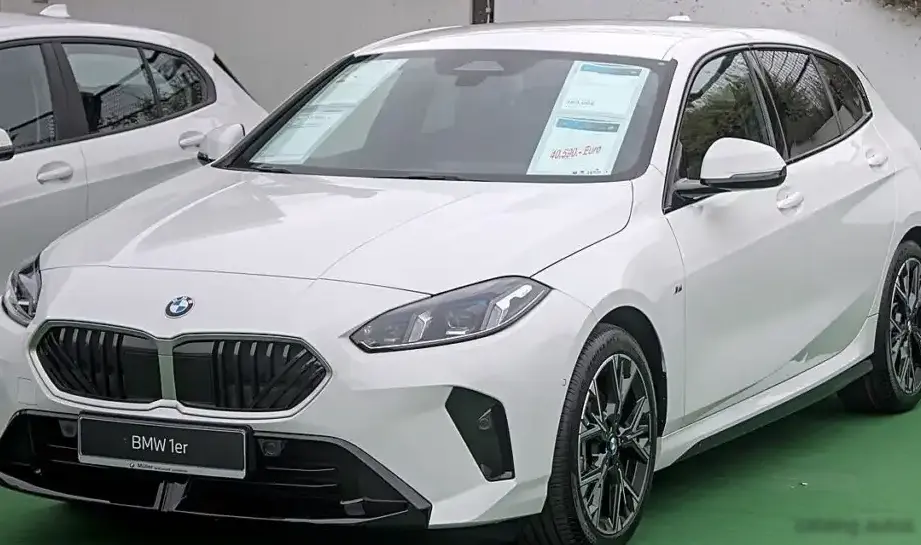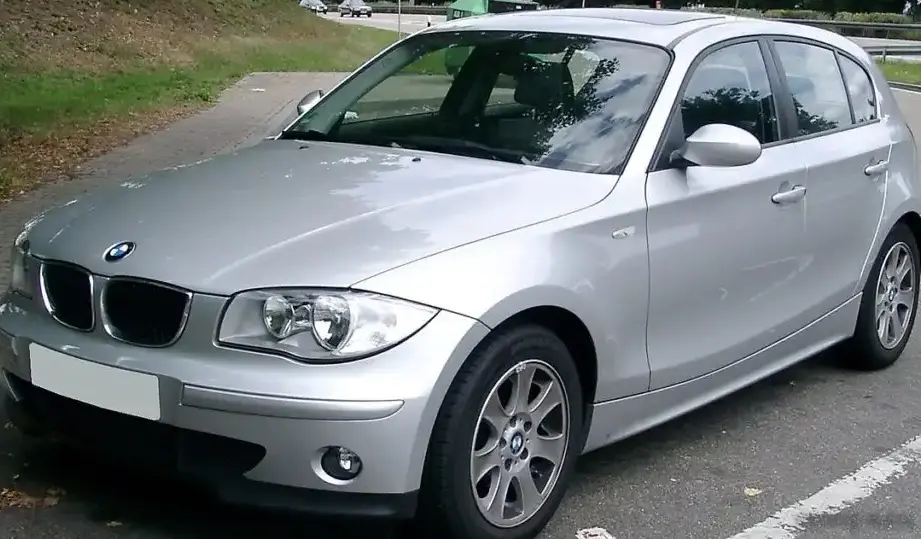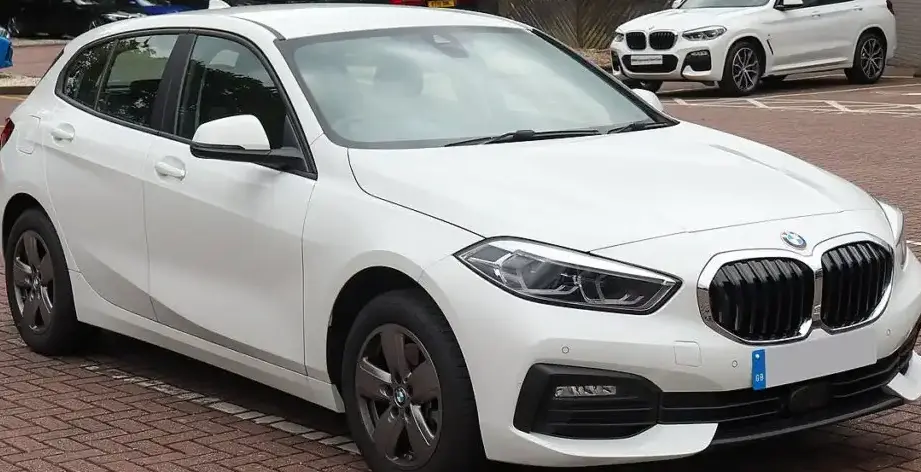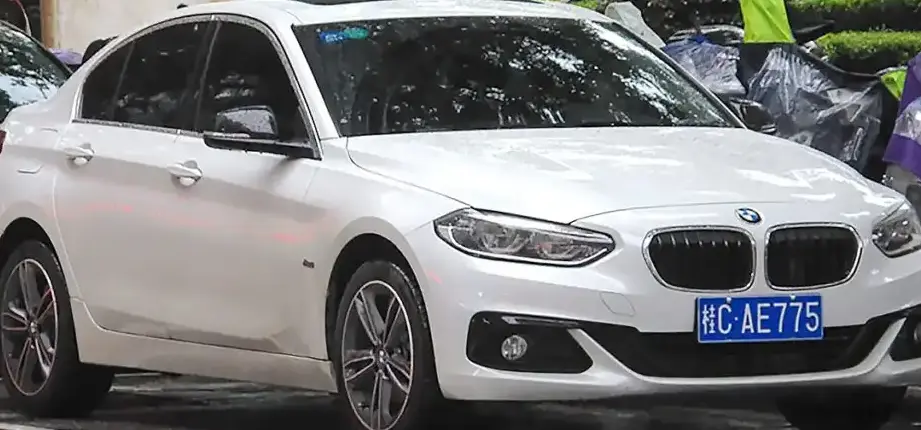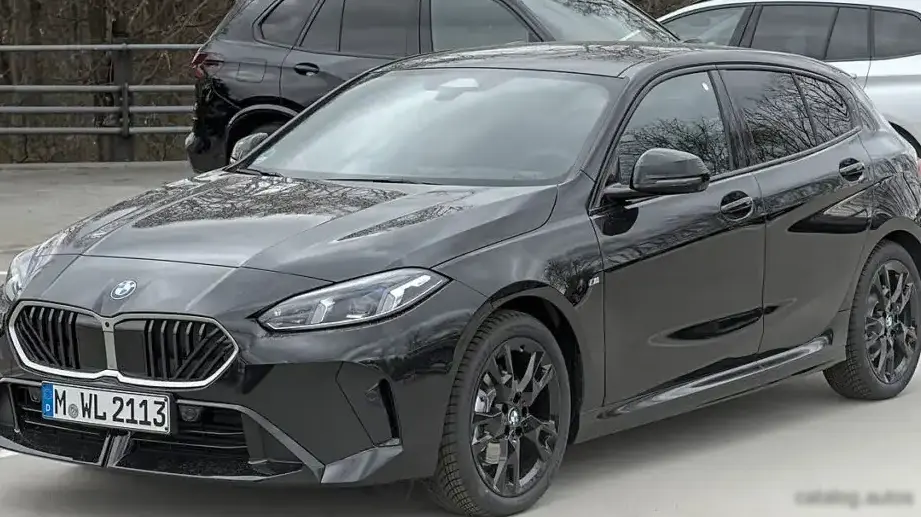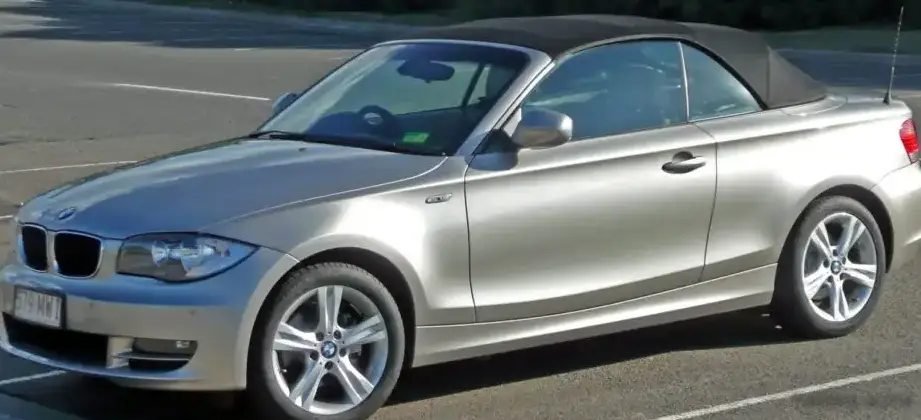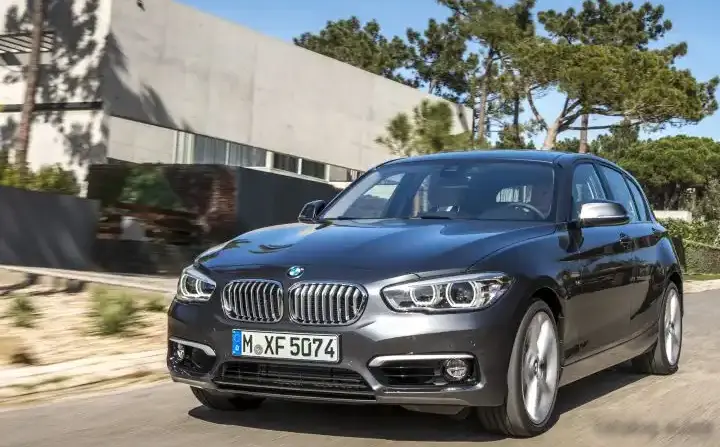
The BMW 1 Series (F20 LCI) 116d, produced from 2015 to 2017, represents a key entry point into the premium compact hatchback segment. This variant, powered by a 1.5-liter three-cylinder diesel engine producing 116 horsepower, was positioned as the fuel-efficient and accessible option within the broader F20 1 Series lineup. The “LCI” designation refers to a Life Cycle Impulse, or facelift, bringing styling and technological updates to the original F20 generation. It primarily targeted European markets where diesel engines and compact hatchbacks were highly popular, offering a blend of practicality, efficiency, and the BMW brand experience.
Technical Specifications
| Brand | BMW |
| Model | 1 Series |
| Generation | 1 Series Hatchback 5dr (F20 LCI, facelift 2015) |
| Type (Engine) | 116d (116 Hp) |
| Start of production | 2015 |
| End of production | 2017 |
| Powertrain Architecture | Internal Combustion engine |
| Body type | Hatchback |
| Seats | 5 |
| Doors | 5 |
| Fuel consumption (urban) | 4.3 – 4.8 l/100 km (54.7 – 49 US mpg) |
| Fuel consumption (extra urban) | 3.3 – 3.7 l/100 km (71.3 – 63.6 US mpg) |
| Fuel consumption (combined) | 3.7 – 4.1 l/100 km (63.6 – 57.4 US mpg) |
| CO2 emissions | 97 – 107 g/km |
| Fuel Type | Diesel |
| Acceleration 0 – 100 km/h | 10.3 sec |
| Acceleration 0 – 62 mph | 10.3 sec |
| Acceleration 0 – 60 mph | 9.8 sec |
| Maximum speed | 200 km/h (124.27 mph) |
| Emission standard | Euro 6 |
| Weight-to-power ratio | 11.4 kg/Hp |
| Weight-to-torque ratio | 4.9 kg/Nm |
| Power | 116 Hp @ 4000 rpm |
| Torque | 270 Nm @ 1750-2250 rpm (199.14 lb.-ft. @ 1750-2250 rpm) |
| Engine layout | Front, Longitudinal |
| Engine Model/Code | B37D15A |
| Engine displacement | 1496 cm3 (91.29 cu. in.) |
| Number of cylinders | 3 |
| Engine configuration | Inline |
| Cylinder Bore | 84 mm (3.31 in.) |
| Piston Stroke | 90 mm (3.54 in.) |
| Compression ratio | 16.5:1 |
| Number of valves per cylinder | 4 |
| Fuel injection system | Diesel Commonrail |
| Engine aspiration | Turbocharger, Intercooler |
| Engine oil capacity | 4.4 l (4.65 US qt | 3.87 UK qt) |
| Coolant | 7 l (7.4 US qt | 6.16 UK qt) |
| Kerb Weight | 1320 kg (2910.1 lbs.) |
| Max. weight | 1885 kg (4155.71 lbs.) |
| Max load | 565 kg (1245.61 lbs.) |
| Trunk (boot) space – minimum | 360 l (12.71 cu. ft.) |
| Trunk (boot) space – maximum | 1200 l (42.38 cu. ft.) |
| Fuel tank capacity | 52 l (13.74 US gal | 11.44 UK gal) |
| Max. roof load | 75 kg (165.35 lbs.) |
| Permitted trailer load with brakes (12%) | 1500 kg (3306.93 lbs.) |
| Permitted trailer load without brakes | 690 kg (1521.19 lbs.) |
| Permitted towbar download | 75 kg (165.35 lbs.) |
| Length | 4329 mm (170.43 in.) |
| Width | 1765 mm (69.49 in.) |
| Width including mirrors | 1984 mm (78.11 in.) |
| Height | 1421 mm (55.94 in.) |
| Wheelbase | 2690 mm (105.91 in.) |
| Front track | 1535 mm (60.43 in.) |
| Rear (Back) track | 1569 mm (61.77 in.) |
| Ride height (ground clearance) | 140 mm (5.51 in.) |
| Drag coefficient (Cd) | 0.30 |
| Minimum turning circle (turning diameter) | 10.9 m (35.76 ft.) |
| Drivetrain Architecture | Rear wheel drive |
| Number of gears and type of gearbox | 6 gears, manual transmission |
| Front suspension | Double wishbone |
| Rear suspension | Independent multi-link suspension |
| Front brakes | Ventilated discs |
| Rear brakes | Disc |
| Assisting systems | ABS (Anti-lock braking system) |
| Steering type | Steering rack and pinion |
| Power steering | Electric Steering |
| Tires size | 205/55 R16; 205/50 R17; 225/45 R17; 245/40 R17; 225/40 R18; 245/35 R18 |
| Wheel rims size | 7J x 16; 7J x 17; 7.5J x 17; 8J x 17; 7.5J x 18; 8J x 18 |
Powertrain & Engine Architecture
The heart of the 116d is the BMW B37D15A, a 1.5-liter inline three-cylinder diesel engine. This engine is part of BMW’s modular engine family, designed for efficiency and scalability. It utilizes a single turbocharger with intercooling to boost power and torque. The engine employs a sophisticated diesel commonrail fuel injection system, delivering precise fuel metering for optimal combustion. The B37 features four valves per cylinder and a relatively high compression ratio of 16.5:1, contributing to its thermal efficiency. The engine is longitudinally mounted, a traditional BMW layout, and drives the rear wheels. The standard transmission for this variant was a six-speed manual gearbox, although an eight-speed automatic transmission was available as an option. The automatic transmission offered smoother shifts and enhanced convenience, but at a slight cost to fuel economy.
Driving Characteristics
The 116d, with its 116 horsepower and 270 Nm (199 lb-ft) of torque, provided adequate, though not exhilarating, performance. Acceleration from 0 to 60 mph took around 9.8 seconds, making it suitable for everyday driving but not for spirited performance. The engine’s torque peak, available from 1750-2250 rpm, meant that it felt reasonably responsive in normal driving conditions. Compared to the more powerful 120d or petrol-powered variants, the 116d felt noticeably slower, particularly during overtaking maneuvers. The manual gearbox offered a precise and engaging driving experience, while the optional automatic provided a more relaxed driving style. The rear-wheel-drive configuration contributed to balanced handling, a hallmark of BMW vehicles.
Equipment & Trim Levels
The 116d typically came equipped with a reasonable level of standard features. This included air conditioning, power windows, a basic audio system, and stability control. Higher trim levels, such as Sport or Luxury, added features like alloy wheels, upgraded interior trim, sport seats, and a more advanced infotainment system. Optional extras included navigation, parking sensors, a sunroof, and leather upholstery. Interior upholstery was typically cloth, with leather being an optional upgrade. The dashboard layout was typical of the F20 1 Series, with a driver-focused design and a clear instrument cluster.
Chassis & Braking
The F20 1 Series featured a double wishbone front suspension and an independent multi-link rear suspension, providing a comfortable and controlled ride. The 116d, being the entry-level model, generally came with smaller wheels and narrower tires compared to higher-performance variants. Braking was handled by ventilated discs at the front and solid discs at the rear. Anti-lock braking system (ABS) was standard. The suspension was tuned to prioritize comfort and fuel efficiency, rather than outright sportiness.
Market Reception & Comparison
The 116d was generally well-received by critics as a practical and economical option. Its fuel economy, averaging around 63.6 mpg in combined driving, was a major selling point. However, some reviewers criticized its lack of outright performance compared to other 1 Series models. Compared to the 120d, the 116d offered lower running costs but sacrificed performance. The petrol-powered 118i provided a more engaging driving experience but typically consumed more fuel. The 116d’s reliability was generally good, although diesel particulate filter (DPF) issues could occur with infrequent long-distance driving.
Legacy
The BMW 1 Series F20 116d remains a popular choice in the used car market, particularly for those seeking a fuel-efficient and reliable compact hatchback. The B37 engine, while not known for being exceptionally powerful, has proven to be relatively durable with proper maintenance. The availability of affordable spare parts and a widespread dealer network contribute to its continued appeal. However, potential buyers should be aware of the possibility of DPF issues and ensure that the vehicle has been regularly serviced. The F20 1 Series, and the 116d variant in particular, represents a significant step in BMW’s efforts to offer more fuel-efficient and environmentally friendly vehicles.