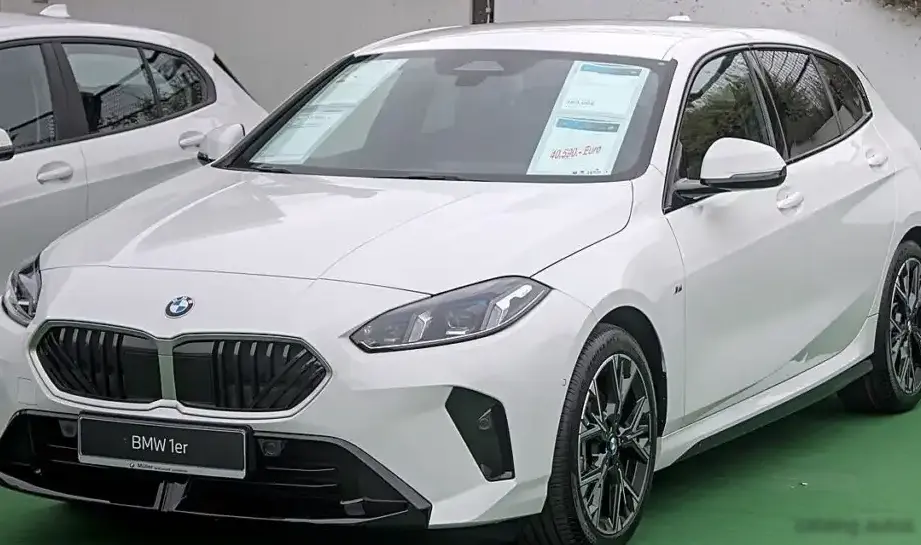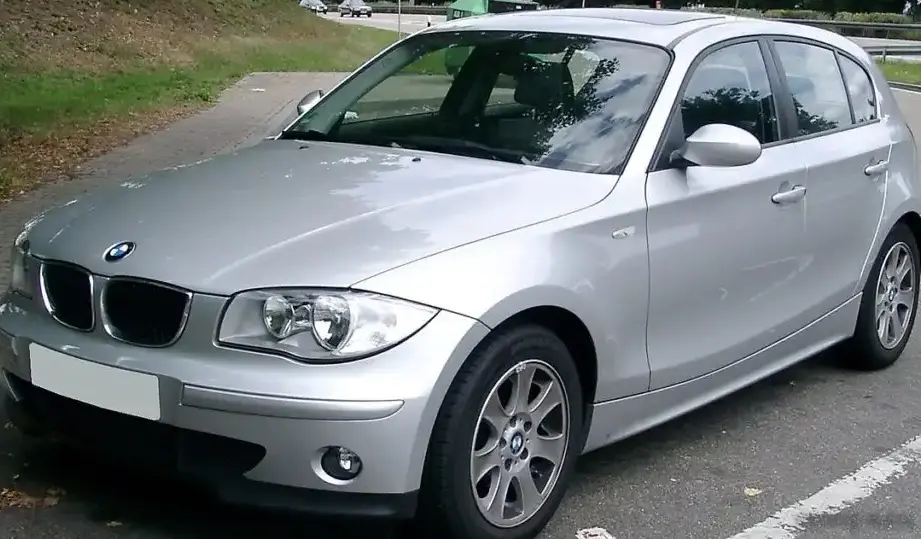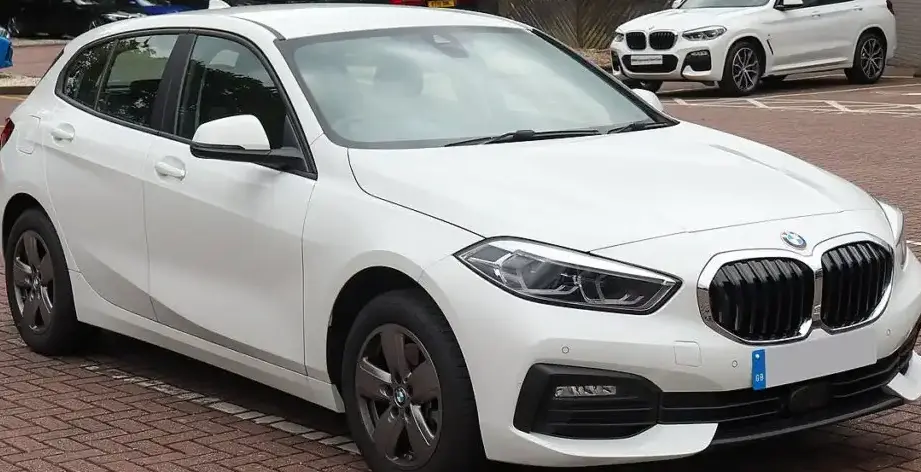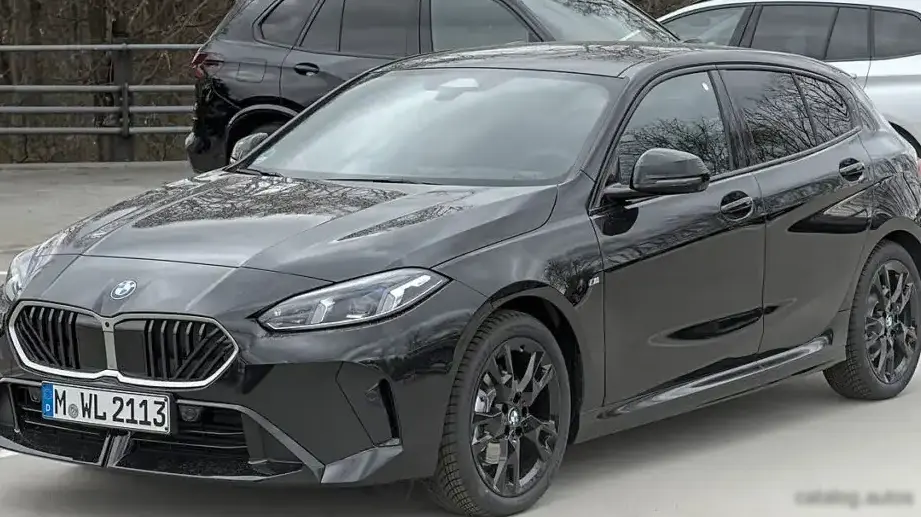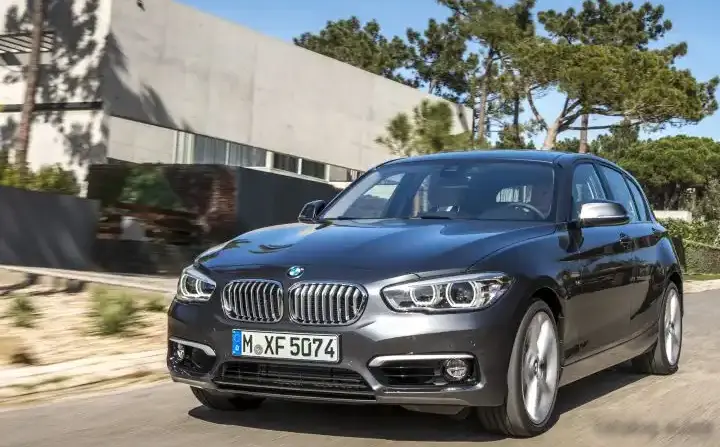
The BMW 1 Series (F20 LCI) 116i, produced from 2015 to 2017, represents an entry-level offering within the second generation of BMW’s compact hatchback. The “LCI” designation signifies a Life Cycle Impulse – a mid-cycle refresh bringing styling and technological updates to the original F20 platform introduced in 2011. This particular variant, powered by a 1.5-liter three-cylinder turbocharged engine producing 109 horsepower, was primarily aimed at the European market, where fuel efficiency and lower running costs were highly valued. It served as a gateway into the BMW brand, offering a premium experience at a relatively accessible price point. The 116i occupied the base trim level, positioned below more powerful variants like the 118i and the performance-oriented M140i.
Technical Specifications
| Brand | BMW |
| Model | 1 Series |
| Generation | 1 Series Hatchback 5dr (F20 LCI, facelift 2015) |
| Type (Engine) | 116i (109 Hp) |
| Start of production | 2015 |
| End of production | 2017 |
| Powertrain Architecture | Internal Combustion engine |
| Body type | Hatchback |
| Seats | 5 |
| Doors | 5 |
| Fuel consumption (urban) | 6.3 – 6.8 l/100 km (37.3 – 34.6 US mpg, 44.8 – 41.5 UK mpg, 15.9 – 14.7 km/l) |
| Fuel consumption (extra urban) | 4.2 – 4.6 l/100 km (56 – 51.1 US mpg, 67.3 – 61.4 UK mpg, 23.8 – 21.7 km/l) |
| Fuel consumption (combined) | 5.0-5.4 l/100 km (47 – 43.6 US mpg, 56.5 – 52.3 UK mpg, 20 – 18.5 km/l) |
| CO2 emissions | 116 – 126 g/km |
| Fuel Type | Petrol (Gasoline) |
| Acceleration 0 – 100 km/h | 10.9 sec |
| Acceleration 0 – 62 mph | 10.9 sec |
| Acceleration 0 – 60 mph | 10.4 sec |
| Maximum speed | 195 km/h (121.17 mph) |
| Emission standard | Euro 6 |
| Weight-to-power ratio | 12 kg/Hp, 83.5 Hp/tonne |
| Weight-to-torque ratio | 7.3 kg/Nm, 137.9 Nm/tonne |
| Power | 109 Hp @ 4500-6000 rpm |
| Power per litre | 72.7 Hp/l |
| Torque | 180 Nm @ 1250 rpm (132.76 lb.-ft. @ 1250 rpm) |
| Engine layout | Front, Longitudinal |
| Engine Model/Code | B38B15A |
| Engine displacement | 1499 cm3 (91.47 cu. in.) |
| Number of cylinders | 3 |
| Engine configuration | Inline |
| Cylinder Bore | 82 mm (3.23 in.) |
| Piston Stroke | 94.6 mm (3.72 in.) |
| Compression ratio | 11:1 |
| Number of valves per cylinder | 4 |
| Fuel injection system | Direct injection |
| Engine aspiration | Twin-power turbo, Intercooler |
| Engine oil capacity | 4.25 l (4.49 US qt | 3.74 UK qt) |
| Coolant | 7.7 l (8.14 US qt | 6.78 UK qt) |
| Kerb Weight | 1305 kg (2877.03 lbs.) |
| Max. weight | 1870 kg (4122.64 lbs.) |
| Max load | 565 kg (1245.61 lbs.) |
| Trunk (boot) space – minimum | 360 l (12.71 cu. ft.) |
| Trunk (boot) space – maximum | 1200 l (42.38 cu. ft.) |
| Fuel tank capacity | 52 l (13.74 US gal | 11.44 UK gal) |
| Max. roof load | 75 kg (165.35 lbs.) |
| Permitted trailer load with brakes (12%) | 1200 kg (2645.55 lbs.) |
| Permitted trailer load without brakes | 650 kg (1433 lbs.) |
| Permitted towbar download | 75 kg (165.35 lbs.) |
| Length | 4329 mm (170.43 in.) |
| Width | 1765 mm (69.49 in.) |
| Width including mirrors | 1984 mm (78.11 in.) |
| Height | 1440 mm (56.69 in.) |
| Wheelbase | 2690 mm (105.91 in.) |
| Front track | 1535 mm (60.43 in.) |
| Rear (Back) track | 1569 mm (61.77 in.) |
| Ride height (ground clearance) | 140 mm (5.51 in.) |
| Drag coefficient (Cd) | 0.31 |
| Minimum turning circle (turning diameter) | 10.9 m (35.76 ft.) |
| Drivetrain Architecture | The Internal combustion engine (ICE) drives the rear wheels of the vehicle. |
| Drive wheel | Rear wheel drive |
| Number of gears and type of gearbox | 6 gears, manual transmission |
| Front suspension | Double wishbone |
| Rear suspension | Independent multi-link suspension |
| Front brakes | Ventilated discs |
| Rear brakes | Disc |
| Assisting systems | ABS (Anti-lock braking system) |
| Steering type | Steering rack and pinion |
| Power steering | Electric Steering |
| Tires size | 205/55 R16; 205/50 R17; 225/45 R17; 245/40 R17; 225/40 R18; 245/35 R18 |
| Wheel rims size | 7J x 16; 7J x 17; 7.5J x 17; 8J x 17; 7.5J x 18; 8J x 18 |
Powertrain & Engine Architecture
The heart of the 116i is BMW’s B38B15A engine, a 1.5-liter inline three-cylinder gasoline engine. This engine is a member of BMW’s modular engine family, designed for efficiency and scalability. It features direct fuel injection, a single twin-scroll turbocharger, and an intercooler to enhance performance. The B38 utilizes Valvetronic technology, BMW’s variable valve timing and lift system, allowing for precise control of airflow into the cylinders, optimizing both power and fuel economy. The engine produces 109 horsepower at 4500-6000 rpm and 180 Nm (132.76 lb-ft) of torque at 1250 rpm. The engine is longitudinally mounted, a traditional BMW layout, and drives the rear wheels. The standard transmission for this variant was a six-speed manual gearbox, although an optional eight-speed automatic transmission was available. The automatic transmission offered smoother shifts and enhanced convenience, but at a slight cost to fuel efficiency and responsiveness.
Driving Characteristics
The 116i, with its relatively modest power output, prioritized fuel efficiency and everyday usability over outright performance. Acceleration from 0 to 60 mph took approximately 10.4 seconds, and the top speed was 195 km/h (121.17 mph). While not particularly quick, the engine provided adequate power for typical urban and highway driving. The turbocharger helped to mitigate turbo lag, delivering a usable amount of torque from low engine speeds. The manual transmission offered a satisfyingly direct feel, while the optional automatic provided smooth and seamless gear changes. Compared to the more powerful 118i, the 116i felt noticeably slower, especially during overtaking maneuvers. However, the 116i’s lighter weight and more efficient engine contributed to better fuel economy.
Equipment & Trim Levels
The 116i typically came equipped with a reasonable level of standard features, including air conditioning, power windows, a basic audio system, and stability control. Higher trim levels offered options such as alloy wheels, a more advanced infotainment system with navigation, parking sensors, and upgraded interior upholstery. Interior materials were generally of good quality, reflecting BMW’s premium brand image. The dashboard layout was clean and functional, with a focus on ergonomics. Optional extras included sport seats, a panoramic sunroof, and a variety of driver assistance systems.
Chassis & Braking
The F20 1 Series utilized a MacPherson strut front suspension and a multi-link rear suspension, providing a good balance between ride comfort and handling. The 116i’s suspension was tuned for comfort, offering a relatively compliant ride over uneven surfaces. The braking system consisted of ventilated discs at the front and solid discs at the rear. Anti-lock braking system (ABS) was standard. The steering was precise and well-weighted, providing good feedback to the driver. The 116i’s relatively low weight contributed to its agile handling characteristics.
Market Reception & Comparison
The 116i was generally well-received by critics as a practical and efficient entry-level BMW. It was praised for its fuel economy, comfortable ride, and relatively low running costs. However, some critics found its performance to be underwhelming, particularly when compared to more powerful variants. In terms of fuel economy, the 116i outperformed the 118i and significantly outperformed the higher-performance models. Reliability was generally good, although some owners reported minor issues with the turbocharger and fuel injection system. The 116i offered a compelling alternative to other premium hatchbacks, such as the Audi A3 and the Mercedes-Benz A-Class.
Legacy
The BMW 1 Series (F20) 116i has proven to be a relatively reliable and durable vehicle. The B38 engine, while not without its quirks, has generally held up well over time. On the used car market, the 116i represents a relatively affordable entry point into BMW ownership. Its fuel efficiency and low running costs make it an attractive option for budget-conscious buyers. While it may not offer the same level of performance as its more powerful siblings, the 116i provides a comfortable and refined driving experience, making it a practical and enjoyable everyday car.