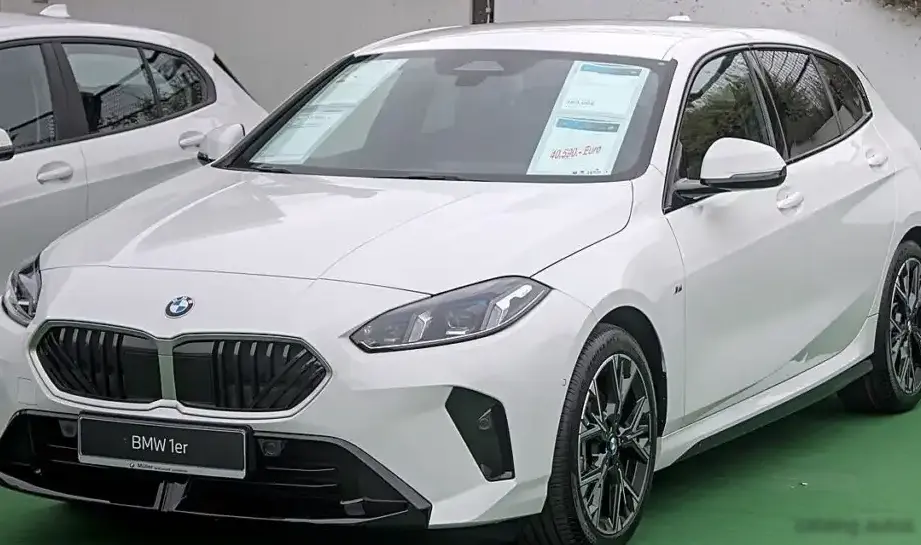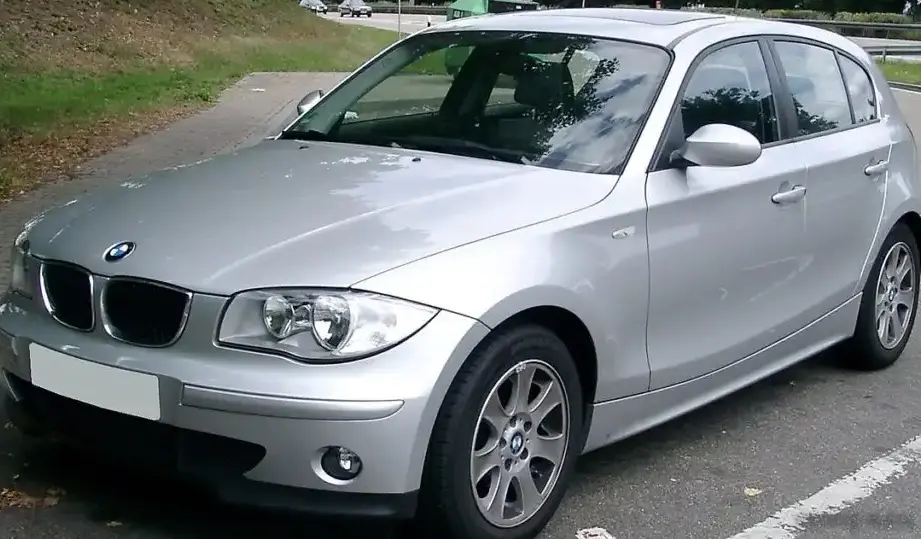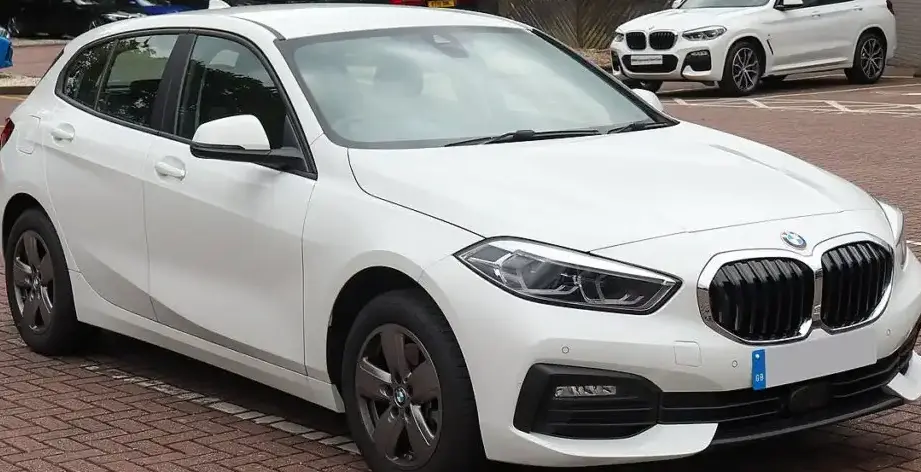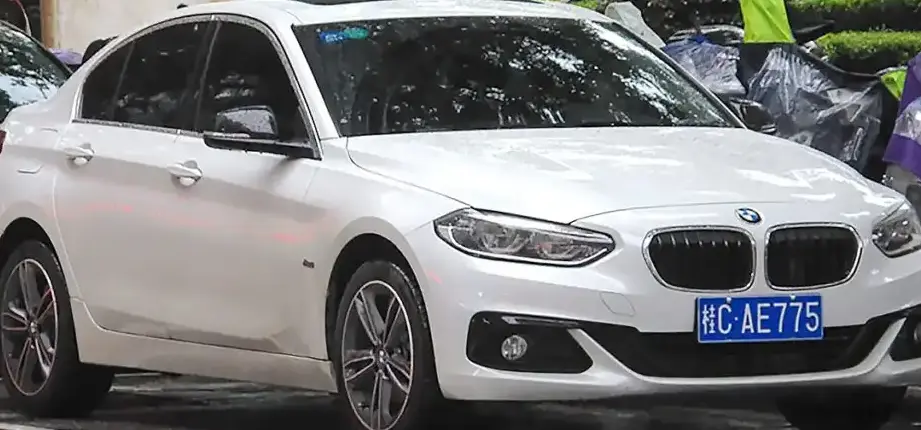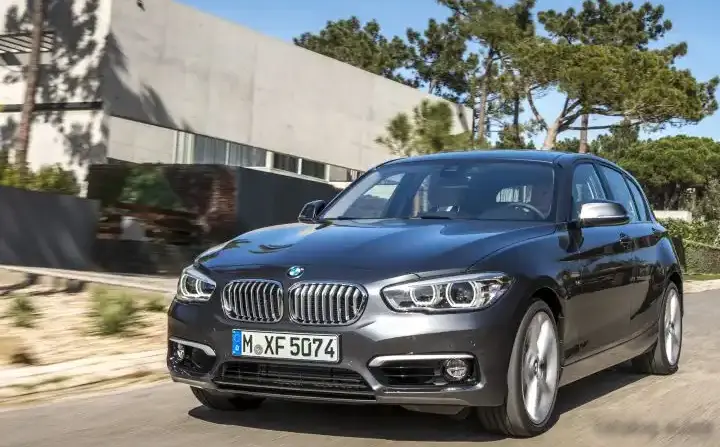
The BMW 120i Steptronic, part of the F20 LCI (Life Cycle Impulse – facelift) generation of the 1 Series hatchback produced from 2015 to 2016, represented a key entry point into the premium compact segment for BMW in the European market. Positioned as a more accessible alternative to the higher-performance 125i and M140i models, the 120i offered a balance of efficiency, comfort, and the brand’s signature driving dynamics. This variant was primarily aimed at buyers seeking a refined and well-equipped hatchback with a focus on everyday usability rather than outright speed. The F20 1 Series, as a whole, was BMW’s attempt to bring a more sporting character to the traditionally conservative compact class.
Technical Specifications
| Brand | BMW |
| Model | 1 Series |
| Generation | 1 Series Hatchback 5dr (F20 LCI, facelift 2015) |
| Type (Engine) | 120i (177 Hp) Steptronic |
| Start of production | 2015 |
| End of production | 2016 |
| Powertrain Architecture | Internal Combustion engine |
| Body type | Hatchback |
| Seats | 5 |
| Doors | 5 |
| Fuel consumption (urban) | 7.6 – 7.1 l/100 km (30.9 – 33.1 US mpg, 37.2 – 39.8 UK mpg, 13.2 – 14.1 km/l) |
| Fuel consumption (extra urban) | 4.9 – 4.6 l/100 km (48 – 51.1 US mpg, 57.6 – 61.4 UK mpg, 20.4 – 21.7 km/l) |
| Fuel consumption (combined) | 5.9 – 5.6 l/100 km (39.9 – 42 US mpg, 47.9 – 50.4 UK mpg, 16.9 – 17.9 km/l) |
| CO2 emissions | 129 – 137 g/km |
| Fuel Type | Petrol (Gasoline) |
| Acceleration 0 – 100 km/h | 7.2 sec |
| Acceleration 0 – 62 mph | 7.2 sec |
| Acceleration 0 – 60 mph | 6.8 sec |
| Maximum speed | 222 km/h (137.94 mph) |
| Emission standard | Euro 6 |
| Weight-to-power ratio | 7.5 kg/Hp, 134.1 Hp/tonne |
| Weight-to-torque ratio | 5.3 kg/Nm, 189.4 Nm/tonne |
| Power | 177 Hp @ 5000 rpm |
| Torque | 250 Nm @ 1500-4500 rpm (184.39 lb.-ft. @ 1500-4500 rpm) |
| Engine layout | Front, Longitudinal |
| Engine Model/Code | N13B16A |
| Engine displacement | 1598 cm3 (97.52 cu. in.) |
| Number of cylinders | 4 |
| Engine configuration | Inline |
| Cylinder Bore | 77 mm (3.03 in.) |
| Piston Stroke | 85.8 mm (3.38 in.) |
| Compression ratio | 10.5:1 |
| Number of valves per cylinder | 4 |
| Fuel injection system | Direct injection |
| Engine aspiration | Twin-power turbo, Intercooler |
| Engine oil capacity | 4.2 l (4.44 US qt | 3.7 UK qt) |
| Kerb Weight | 1320 kg (2910.1 lbs.) |
| Max. weight | 1885 kg (4155.71 lbs.) |
| Max load | 565 kg (1245.61 lbs.) |
| Fuel tank capacity | 52 l (13.74 US gal | 11.44 UK gal) |
| Length | 4329 mm (170.43 in.) |
| Width | 1765 mm (69.49 in.) |
| Width including mirrors | 1984 mm (78.11 in.) |
| Height | 1440 mm (56.69 in.) |
| Wheelbase | 2690 mm (105.91 in.) |
| Front track | 1535 mm (60.43 in.) |
| Rear track | 1569 mm (61.77 in.) |
| Drivetrain Architecture | Rear wheel drive |
| Number of gears and type of gearbox | 8 gears, automatic transmission Steptronic |
| Front suspension | Double wishbone |
| Rear suspension | Independent multi-link suspension |
| Front brakes | Ventilated discs |
| Rear brakes | Disc |
| Assisting systems | ABS (Anti-lock braking system) |
| Steering type | Steering rack and pinion |
| Power steering | Electric Steering |
| Tires size | 195/55 R16 87 W |
| Wheel rims size | 6.5J x 16 |
INTRODUCTION
The F20 120i Steptronic, launched as part of the LCI refresh in 2015, built upon the foundation of the original F20 1 Series (introduced in 2011). The LCI brought styling updates, improved interior materials, and crucially, a new generation of engines. The 120i specifically utilized the B38 1.5-liter three-cylinder turbocharged engine, a significant departure from the previous four-cylinder N13 unit. However, some markets, including certain European countries, continued to offer the older N13 engine (as detailed in the specifications above). This article focuses on the N13-equipped variant. The 120i Steptronic aimed to provide a more economical and comfortable driving experience compared to its more potent siblings, while still retaining the core BMW driving experience.
Powertrain & Engine Architecture
The 120i Steptronic was powered by the BMW N13B16A 1.6-liter inline-four cylinder engine. This engine featured direct fuel injection, a single twin-scroll turbocharger, and variable valve timing (VANOS) on both the intake and exhaust camshafts. The N13 engine was known for its relatively high specific output and responsiveness. The engine produced 177 horsepower at 5000 rpm and 250 Nm (184 lb-ft) of torque between 1500 and 4500 rpm. The Steptronic transmission was an 8-speed automatic gearbox, offering smooth and efficient gear changes. This transmission allowed for both fully automatic operation and manual gear selection via steering wheel-mounted paddles or the gear selector. The transmission’s programming was geared towards fuel efficiency and comfort, with quicker shifts available in Sport mode.
Driving Characteristics
The 120i Steptronic offered a comfortable and refined driving experience. While not as dynamically engaging as the 125i or M140i, it provided ample power for everyday driving situations. The 8-speed automatic transmission contributed to smooth acceleration and relaxed cruising. The gear ratios were optimized for fuel efficiency, with taller gearing in higher gears. Compared to the manual transmission versions of the 120i, the Steptronic offered greater convenience, particularly in urban traffic. However, some driving enthusiasts found the automatic transmission slightly less responsive than the manual. The rear-wheel-drive layout provided a balanced and predictable handling characteristic, a hallmark of BMW vehicles.
Equipment & Trim Levels
The 120i Steptronic typically came equipped with a generous level of standard equipment. This included features such as automatic climate control, a BMW Radio Professional audio system, power windows and mirrors, and a multi-function steering wheel. Interior upholstery was typically cloth, with leather options available as an upgrade. Optional extras included a navigation system, a panoramic sunroof, parking sensors, and upgraded audio systems. Trim levels varied slightly depending on the market, but generally, the 120i Steptronic occupied a mid-range position in the 1 Series lineup, offering a good balance of features and price.
Chassis & Braking
The F20 1 Series featured a MacPherson strut front suspension and a multi-link rear suspension. The suspension was tuned to provide a comfortable ride while maintaining good handling characteristics. The 120i Steptronic typically came equipped with ventilated front disc brakes and solid rear disc brakes. Anti-lock braking system (ABS) and electronic stability control (ESC) were standard safety features. The chassis was designed to be relatively lightweight, contributing to the car’s agility. Stabilizer bars were fitted to both the front and rear axles to reduce body roll during cornering.
Market Reception & Comparison
The 120i Steptronic was generally well-received by automotive critics. It was praised for its fuel efficiency, comfortable ride, and refined interior. However, some critics noted that it lacked the outright performance and driving engagement of its more powerful siblings. Compared to the 125i, the 120i offered lower running costs but less exhilarating acceleration. The 120i also competed with other premium hatchbacks, such as the Audi A3 and Mercedes-Benz A-Class. In terms of fuel economy, the 120i Steptronic performed competitively within its class. Reliability was generally good, although some owners reported minor issues with the electronic systems.
Legacy
The F20 120i Steptronic remains a popular choice in the used car market. Its combination of practicality, efficiency, and brand appeal makes it an attractive option for buyers seeking a premium compact hatchback. The N13 engine, while not without its quirks, has proven to be relatively durable with proper maintenance. The 8-speed Steptronic transmission is also known for its reliability. However, potential buyers should be aware of the possibility of oil leaks and occasional issues with the turbocharger. Overall, the F20 120i Steptronic represents a well-rounded and capable vehicle that continues to offer a compelling ownership experience.