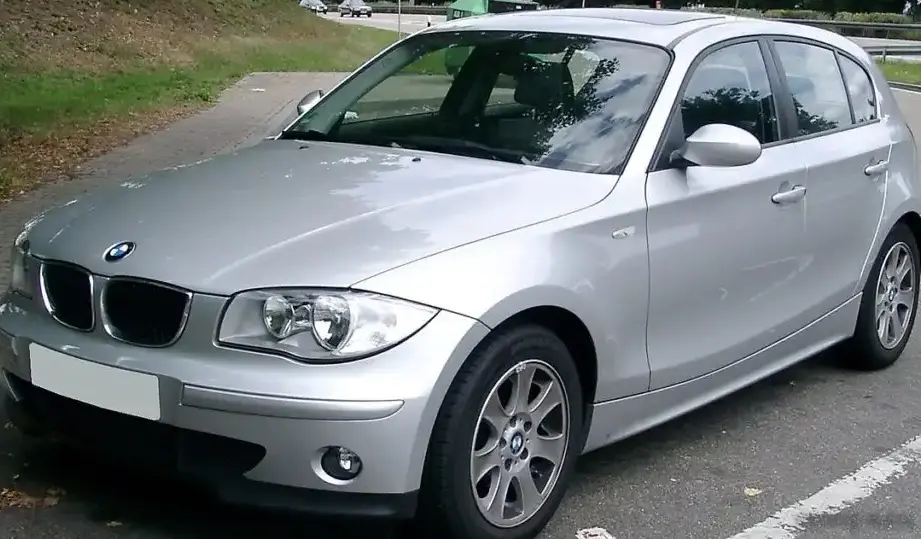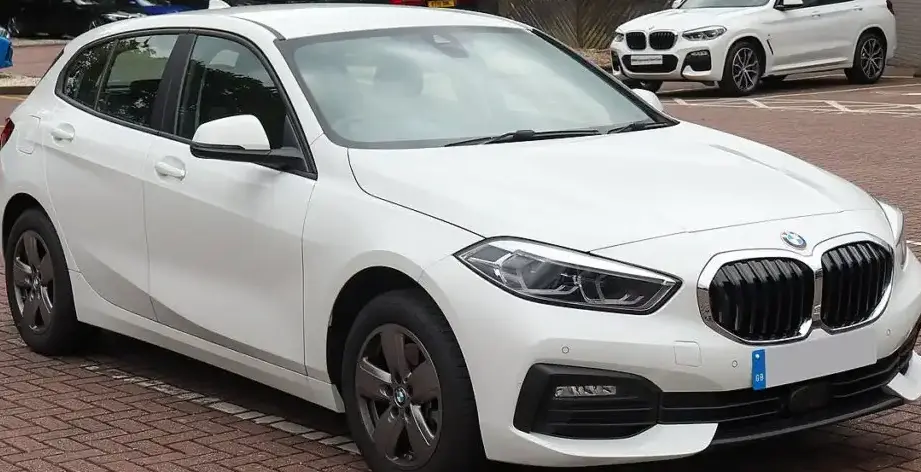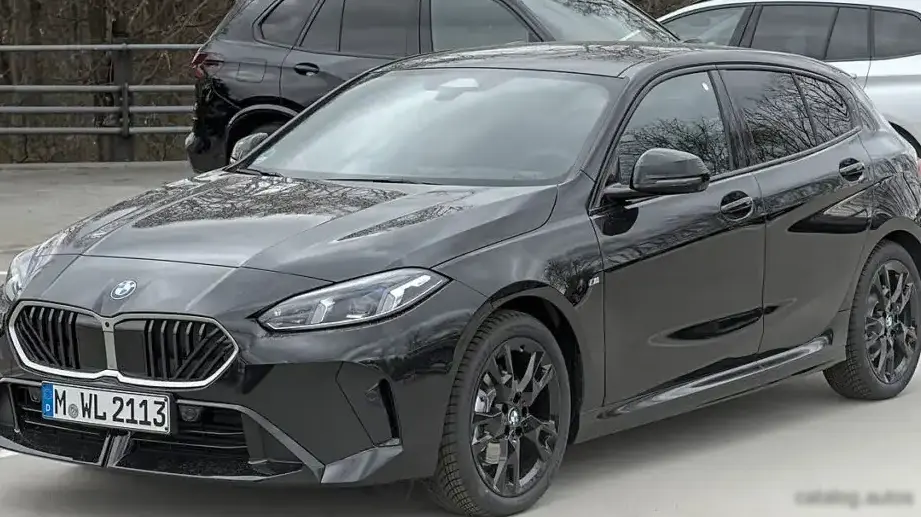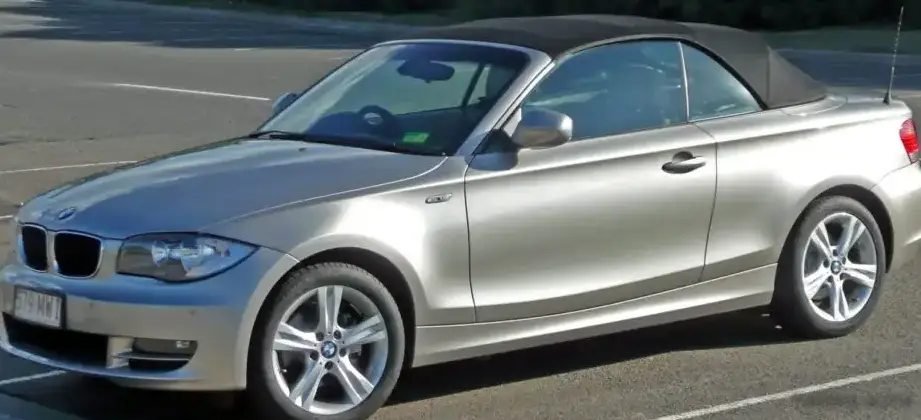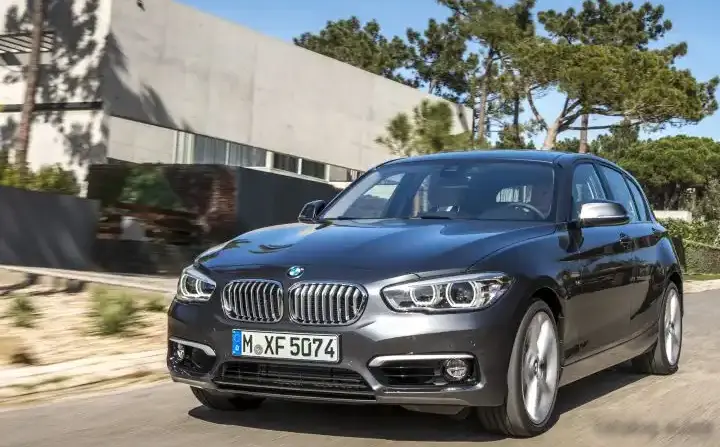
The BMW 125i, part of the F20 LCI (Life Cycle Impulse, or facelift) generation of the 1 Series hatchback produced from 2015 to 2016, represented a compelling blend of performance and efficiency within the BMW lineup. Positioned as a mid-range offering, it slotted between the entry-level 116i and the more potent 135i, appealing to drivers seeking a sporty driving experience without sacrificing everyday usability. The F20 1 Series, launched in 2011, was BMW’s first foray into a front-wheel-drive platform for a core model, though the 125i retained rear-wheel drive, a key characteristic for BMW enthusiasts. This variant aimed to deliver a refined and engaging driving experience, leveraging BMW’s engineering expertise in a compact package.
Technical Specifications
| Brand | BMW |
| Model | 1 Series |
| Generation | 1 Series Hatchback 5dr (F20 LCI, facelift 2015) |
| Type (Engine) | 125i (218 Hp) |
| Start of production | 2015 |
| End of production | 2016 |
| Powertrain Architecture | Internal Combustion engine |
| Body type | Hatchback |
| Seats | 5 |
| Doors | 5 |
| Fuel consumption (urban) | 8.9 – 8.6 l/100 km (26.4 – 27.4 US mpg) |
| Fuel consumption (extra urban) | 5.4 l/100 km (43.6 US mpg) |
| Fuel consumption (combined) | 6.7 – 6.6 l/100 km (35.1 – 35.6 US mpg) |
| CO2 emissions | 154 – 157 g/km |
| Fuel Type | Petrol (Gasoline) |
| Acceleration 0 – 100 km/h | 6.4 sec |
| Acceleration 0 – 62 mph | 6.4 sec |
| Acceleration 0 – 60 mph | 6.1 sec |
| Maximum speed | 245 km/h (152.24 mph) |
| Emission standard | Euro 6 |
| Weight-to-power ratio | 6.2 kg/Hp |
| Weight-to-torque ratio | 4.4 kg/Nm |
| Power | 218 Hp @ 5000 rpm |
| Torque | 310 Nm @ 1350-4800 rpm (228.64 lb.-ft.) |
| Engine layout | Front, Longitudinal |
| Engine Model/Code | N20B20A |
| Engine displacement | 1997 cm3 (121.86 cu. in.) |
| Number of cylinders | 4 |
| Engine configuration | Inline |
| Cylinder Bore | 84 mm (3.31 in.) |
| Piston Stroke | 90.1 mm (3.55 in.) |
| Compression ratio | 10:1 |
| Number of valves per cylinder | 4 |
| Fuel injection system | Direct injection |
| Engine aspiration | Twin-power turbo, Intercooler |
| Engine oil capacity | 5 l (5.28 US qt | 4.4 UK qt) |
| Coolant | 7 l (7.4 US qt | 6.16 UK qt) |
| Kerb Weight | 1355 kg (2987.26 lbs.) |
| Max. weight | 1920 kg (4232.88 lbs.) |
| Max load | 565 kg (1245.61 lbs.) |
| Fuel tank capacity | 52 l (13.74 US gal | 11.44 UK gal) |
| Length | 4329 mm (170.43 in.) |
| Width | 1765 mm (69.49 in.) |
| Width including mirrors | 1984 mm (78.11 in.) |
| Height | 1440 mm (56.69 in.) |
| Wheelbase | 2690 mm (105.91 in.) |
| Front track | 1535 mm (60.43 in.) |
| Rear track | 1569 mm (61.77 in.) |
| Drivetrain Architecture | Rear wheel drive |
| Number of gears | 6 |
| Type of gearbox | Manual transmission |
| Front suspension | Double wishbone |
| Rear suspension | Independent multi-link suspension |
| Front brakes | Ventilated discs |
| Rear brakes | Disc |
| Assisting systems | ABS (Anti-lock braking system) |
| Steering type | Steering rack and pinion |
| Power steering | Electric Steering |
| Tires size | 205/50 R17 89Y |
| Wheel rims size | 7J x 17 |
Powertrain & Engine Architecture
The heart of the 125i was the BMW N20B20A 2.0-liter inline-four cylinder engine. This engine was a cornerstone of BMW’s modular engine family, utilizing direct fuel injection and a single twin-scroll turbocharger. The twin-scroll turbo design minimized turbo lag, providing a more responsive throttle response. The N20 engine featured Valvetronic technology, which allowed for precise control of valve lift and timing, optimizing both power and fuel efficiency. The engine produced 218 horsepower at 5,000 rpm and 310 Nm (228.64 lb.-ft.) of torque between 1,350 and 4,800 rpm. This power was delivered through a standard six-speed manual transmission, contributing to the car’s sporty character. While an eight-speed automatic transmission was available as an option, the manual was favored by enthusiasts for its greater driver engagement.
Driving Characteristics
The 125i offered a balanced driving experience. The rear-wheel-drive configuration, combined with the relatively lightweight chassis, provided agile handling and a playful feel. While not as brutally fast as the 135i, the 125i’s power delivery was smooth and linear, making it enjoyable to drive in a variety of conditions. The six-speed manual transmission had well-chosen gear ratios, allowing the engine to stay within its optimal power band. Compared to the 116i, the 125i offered a significant performance upgrade, with noticeably quicker acceleration and a more confident feel at highway speeds. The steering was precise and well-weighted, providing good feedback to the driver.
Equipment & Trim Levels
The 125i typically came equipped with a generous array of standard features, including automatic climate control, a BMW Radio Professional audio system, and power windows and mirrors. Interior upholstery was typically cloth, though leather options were available. Common optional extras included a sunroof, navigation system, upgraded audio systems (like Harman Kardon), and parking sensors. The LCI facelift brought subtle interior updates, including revised trim materials and improved infotainment system graphics. Sport Line and M Sport packages were also available, adding cosmetic enhancements like unique alloy wheels, sport seats, and aerodynamic body styling.
Chassis & Braking
The F20 125i utilized a MacPherson strut front suspension and a multi-link rear suspension. This setup provided a good balance of ride comfort and handling precision. The car was equipped with ventilated disc brakes at the front and solid disc brakes at the rear. Anti-lock Braking System (ABS) was standard, along with Electronic Stability Control (ESC). The chassis was designed to be relatively lightweight, contributing to the car’s agility.
Market Reception & Comparison
The 125i was generally well-received by automotive critics. It was praised for its engaging driving dynamics, refined engine, and relatively fuel-efficient performance. Compared to the 116i, the 125i offered a substantial performance boost, making it a more appealing choice for drivers who prioritized driving enjoyment. However, some critics noted that the 125i’s performance was not quite as exhilarating as that of the 135i. Fuel economy was competitive for its class, with combined figures around 35 mpg. Reliability was generally good, although some owners reported minor issues with the N20 engine’s cooling system.
Legacy
The F20 125i has become a popular choice in the used car market, offering a compelling combination of performance, practicality, and BMW brand prestige. The N20 engine, while generally reliable, requires regular maintenance, including oil changes and cooling system inspections. The availability of parts and service is good, making it relatively easy to keep these cars on the road. The 125i’s rear-wheel-drive layout and engaging driving dynamics continue to appeal to enthusiasts, ensuring its place as a desirable entry-level BMW.