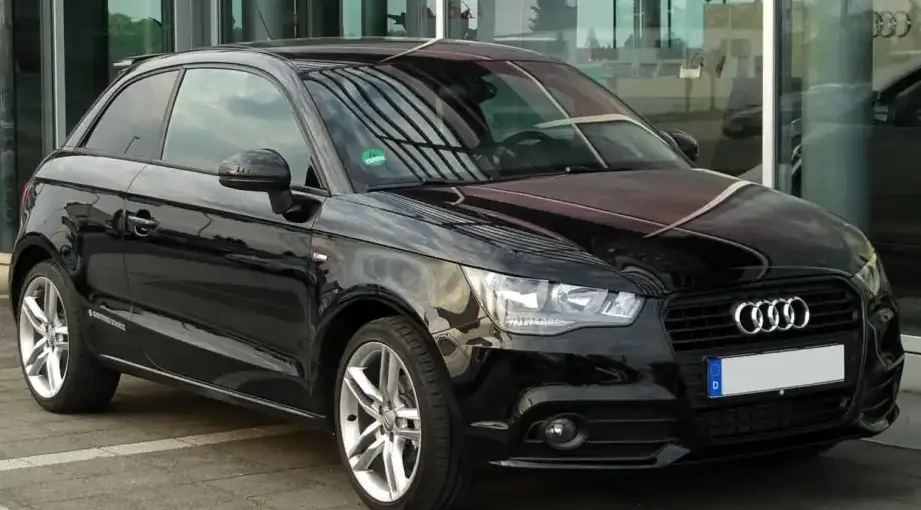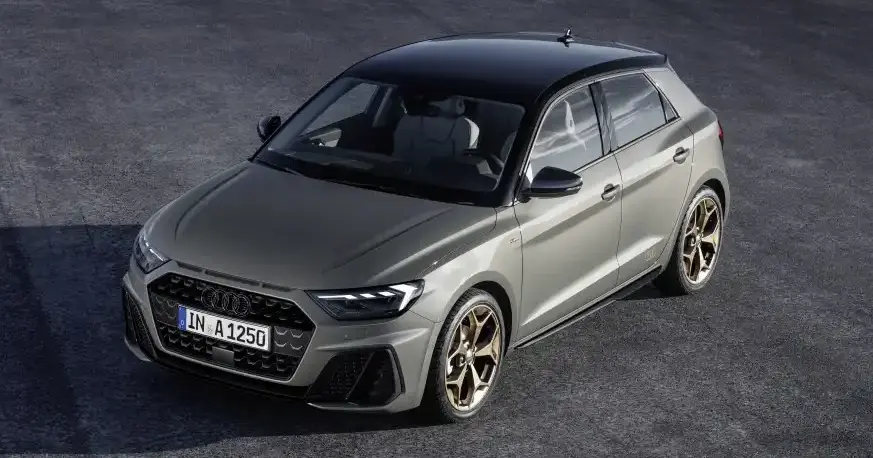
The Audi A1 Sportback 30 TFSI S tronic, produced from 2018 to August 2020, represents an entry point into Audi’s premium subcompact hatchback range. Part of the GB (German Build) series of the A1 Sportback, this variant was designed to offer a balance of fuel efficiency, modern technology, and Audi’s characteristic refinement in a smaller package. It occupied the lower-mid range of the A1 lineup, positioned below the more powerful 40 TFSI models and serving as an alternative to the diesel-powered TDI variants available in European markets. This model was primarily aimed at younger drivers and urban commuters seeking a stylish and practical vehicle.
Technical Specifications
| Brand | Audi |
| Model | A1 |
| Generation | A1 Sportback (GB) |
| Type (Engine) | 30 TFSI (116 Hp) S tronic |
| Start of production | 2018 |
| End of production | August, 2020 |
| Powertrain Architecture | Internal Combustion engine |
| Body type | Hatchback |
| Seats | 5 |
| Doors | 5 |
| Combined fuel consumption (WLTP) | 6.1-6.4 l/100 km (38.6 – 36.8 US mpg, 46.3 – 44.1 UK mpg, 16.4 – 15.6 km/l) |
| CO2 emissions (WLTP) | 138-145 g/km |
| Fuel consumption (urban) | 5.8-5.9 l/100 km (40.6 – 39.9 US mpg, 48.7 – 47.9 UK mpg, 17.2 – 16.9 km/l) |
| Fuel consumption (extra urban) | 4.2-4.3 l/100 km (56 – 54.7 US mpg, 67.3 – 65.7 UK mpg, 23.8 – 23.3 km/l) |
| Fuel consumption (combined) | 4.8-4.9 l/100 km (49 – 48 US mpg, 58.9 – 57.6 UK mpg, 20.8 – 20.4 km/l) |
| CO2 emissions | 108-111 g/km |
| Fuel Type | Petrol (Gasoline) |
| Acceleration 0 – 100 km/h | 9.4 sec |
| Acceleration 0 – 62 mph | 9.4 sec |
| Acceleration 0 – 60 mph | 8.9 sec |
| Maximum speed | 203 km/h (126.14 mph) |
| Emission standard | Euro 6 d |
| Weight-to-power ratio | 9.7 kg/Hp, 103.1 Hp/tonne |
| Weight-to-torque ratio | 5.6 kg/Nm, 177.8 Nm/tonne |
| Power | 116 Hp @ 5000-5500 rpm |
| Power per litre | 116.1 Hp/l |
| Torque | 200 Nm @ 2000-3500 rpm (147.51 lb.-ft. @ 2000-3500 rpm) |
| Engine layout | Front, Transverse |
| Engine Model/Code | EA211 / DKRF |
| Engine displacement | 999 cm3 (60.96 cu. in.) |
| Number of cylinders | 3 |
| Engine configuration | Inline |
| Number of valves per cylinder | 4 |
| Fuel injection system | Direct injection |
| Engine aspiration | Turbocharger, Intercooler |
| Engine oil capacity | 4 l (4.23 US qt | 3.52 UK qt) |
| Kerb Weight | 1125 kg (2480.2 lbs.) |
| Max. weight | 1680 kg (3703.77 lbs.) |
| Max load | 555 kg (1223.57 lbs.) |
| Trunk (boot) space – minimum | 335 l (11.83 cu. ft.) |
| Fuel tank capacity | 40 l (10.57 US gal | 8.8 UK gal) |
| Max. roof load | 75 kg (165.35 lbs.) |
| Length | 4029 mm (158.62 in.) |
| Width | 1740 mm (68.5 in.) |
| Width including mirrors | 1940 mm (76.38 in.) |
| Height | 1409 mm (55.47 in.) |
| Wheelbase | 2563 mm (100.91 in.) |
| Front track | 1524 mm (60 in.) |
| Rear (Back) track | 1501 mm (59.09 in.) |
| Front overhang | 788 mm (31.02 in.) |
| Rear overhang | 678 mm (26.69 in.) |
| Minimum turning circle | 10.5 m (34.45 ft.) |
| Drivetrain Architecture | Front wheel drive |
| Number of gears and type of gearbox | 7 gears, automatic transmission S tronic |
| Front suspension | Independent type McPherson |
| Rear suspension | Semi-independent, coil spring |
| Front brakes | Ventilated discs |
| Rear brakes | Disc |
| Assisting systems | ABS (Anti-lock braking system) |
| Steering type | Steering rack and pinion |
| Power steering | Electric Steering |
| Tires size | 195/55 R16 |
| Wheel rims size | 6.5 J x 16 |
Powertrain & Engine Architecture
The heart of the A1 30 TFSI is the EA211 series 1.0-liter turbocharged three-cylinder engine, specifically the DKRF code. This engine is a key component of the Volkswagen Group’s modular engine family, known for its compact size and efficiency. It utilizes direct fuel injection, delivering fuel directly into the combustion chamber for improved combustion and reduced emissions. The engine also features an intercooler to cool the intake air, increasing its density and boosting performance. The turbocharger provides forced induction, compensating for the small displacement and delivering a respectable 116 horsepower. The engine is paired with Audi’s seven-speed S tronic dual-clutch transmission. This transmission offers quick and smooth gear changes, contributing to both performance and fuel economy. The S tronic utilizes two separate clutches, allowing for pre-selection of the next gear, resulting in near-seamless shifts.
Driving Characteristics
The 1.0 TFSI engine with the S tronic transmission delivers adequate performance for everyday driving. Acceleration from 0-60 mph takes approximately 8.9 seconds, and the car has a top speed of 126 mph. While not particularly sporty, the powertrain provides sufficient power for merging onto highways and overtaking slower traffic. The S tronic transmission is a highlight, offering responsive shifts and contributing to a refined driving experience. Compared to the manual transmission versions of the same engine, the S tronic provides greater convenience, especially in urban environments. However, it doesn’t offer the same level of driver engagement. The higher-output 40 TFSI models, with their larger engines, offer significantly more performance, but at the cost of fuel economy. The 30 TFSI prioritizes efficiency and usability over outright speed.
Equipment & Trim Levels
The A1 30 TFSI S tronic typically came equipped with a respectable level of standard features. These included Audi’s MMI radio plus infotainment system with a 7-inch display, Bluetooth connectivity, and air conditioning. Safety features such as ABS, electronic stability control, and multiple airbags were also standard. Interior upholstery was typically cloth, with options for leather upgrades. Higher trim levels offered features like a larger touchscreen display, navigation system, automatic climate control, and a panoramic sunroof. Optional extras included LED headlights, park assist, and a premium sound system.
Chassis & Braking
The A1 Sportback utilizes a front-wheel-drive platform with a McPherson strut suspension in the front and a semi-independent coil spring suspension in the rear. This setup provides a comfortable ride quality while maintaining decent handling characteristics. The car is equipped with ventilated disc brakes in the front and solid disc brakes in the rear. The braking system is assisted by ABS and electronic stability control, ensuring safe and controlled stopping power. The relatively light weight of the 1.0 TFSI model contributes to its agility and responsiveness.
Market Reception & Comparison
The Audi A1 30 TFSI S tronic was generally well-received by critics as a practical and stylish entry-level premium hatchback. It was praised for its fuel efficiency, comfortable ride, and refined interior. However, some reviewers noted that the 1.0-liter engine could feel underpowered when fully loaded or on steep inclines. Compared to other trims in the A1 lineup, the 30 TFSI offered the best fuel economy and a lower price point, making it an attractive option for budget-conscious buyers. Its reliability was generally considered good, with the EA211 engine proving to be a durable and dependable unit.
Legacy
The Audi A1 Sportback 30 TFSI S tronic remains a popular choice in the used car market. Its combination of style, efficiency, and reliability makes it a compelling option for those seeking a premium subcompact hatchback. The EA211 engine has proven to be a robust and long-lasting powertrain, and the S tronic transmission, while requiring occasional maintenance, is generally reliable. As with any used vehicle, it’s important to check the service history and ensure that the car has been properly maintained. The A1 30 TFSI represents a well-rounded and practical entry point into the Audi brand, offering a taste of Audi’s quality and refinement at an accessible price.