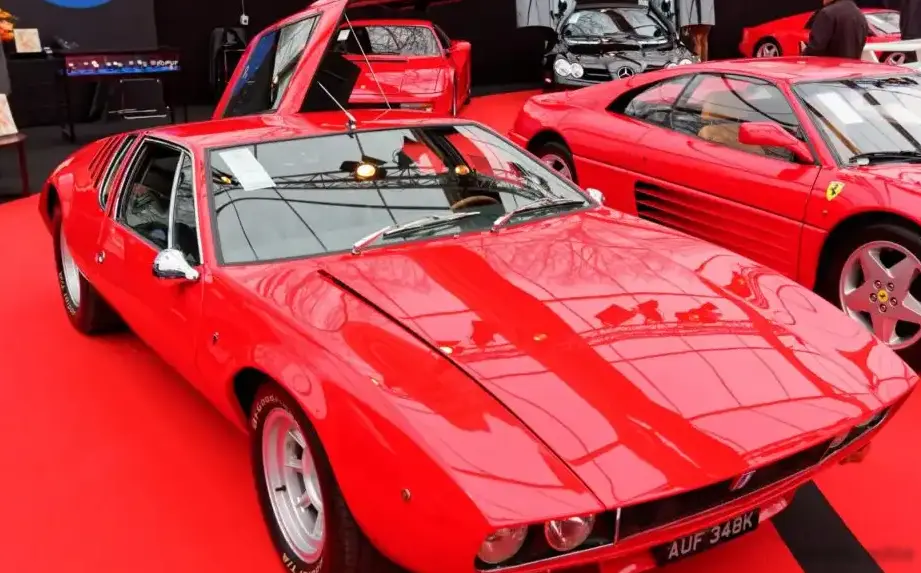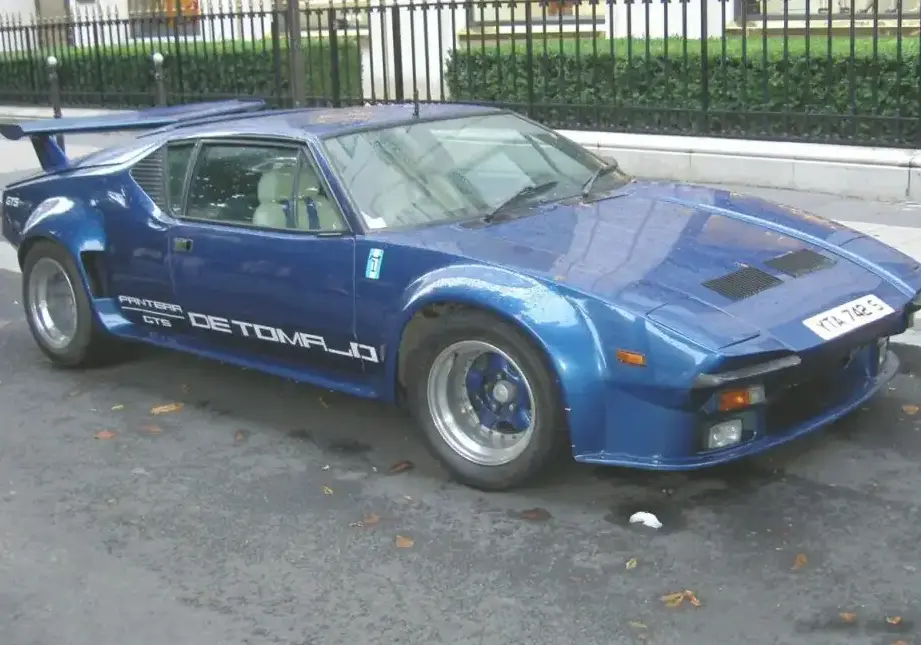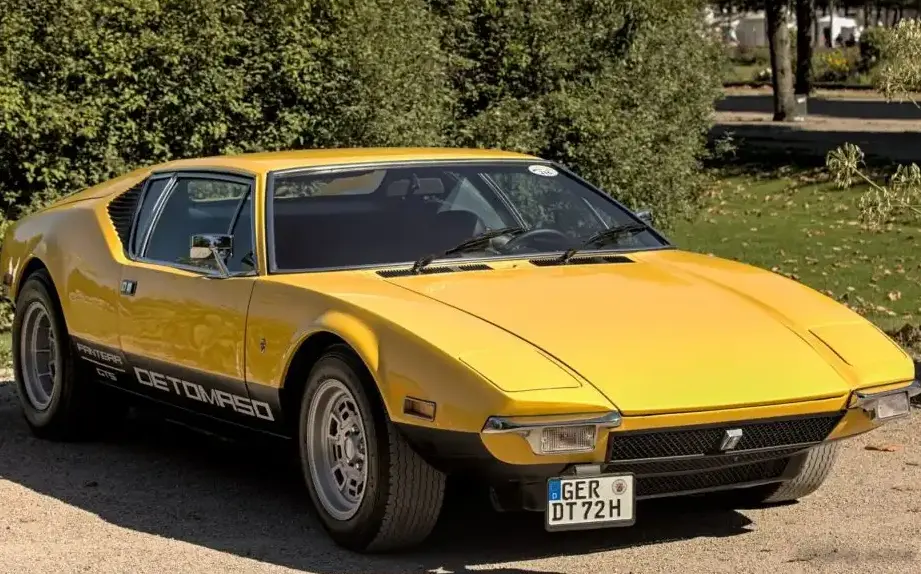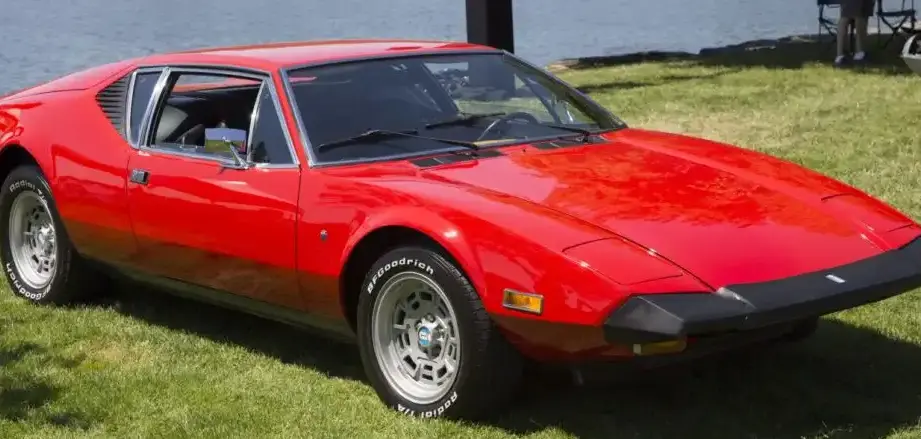
The De Tomaso Pantera L 5.8 V8, produced between 1974 and 1978, represents a pivotal iteration of the iconic Italian-American sports car. Positioned as a mid-range offering within the Pantera lineup, it bridged the gap between the earlier, more basic models and the later, more luxurious ‘Lusso’ variants. The Pantera, a collaborative effort between De Tomaso and Ford, aimed to deliver a European-styled, high-performance sports car with American V8 power, primarily targeting the North American market. This particular 5.8-liter version offered a significant power upgrade over earlier Panteras, solidifying its reputation as a capable and exciting grand tourer.
Technical Specifications
| Brand | De Tomaso |
| Model | Pantera |
| Generation | Pantera L |
| Type (Engine) | 5.8 V8 (300 Hp) |
| Start of production | 1974 |
| End of production | 1978 |
| Powertrain Architecture | Internal Combustion engine |
| Body type | Coupe |
| Seats | 2 |
| Doors | 2 |
| Fuel consumption (economy) – combined | 18.1 l/100 km |
| Fuel consumption (economy) – combined (US mpg) | 13 US mpg |
| Fuel consumption (economy) – combined (UK mpg) | 15.6 UK mpg |
| Fuel consumption (economy) – combined (km/l) | 5.5 km/l |
| Fuel Type | Petrol (Gasoline) |
| Maximum speed | 260 km/h (161.56 mph) |
| Weight-to-power ratio | 4.7 kg/Hp, 211.3 Hp/tonne |
| Weight-to-torque ratio | 3.3 kg/Nm, 304.2 Nm/tonne |
| Power | 300 Hp @ 5400 rpm |
| Power per litre | 52 Hp/l |
| Torque | 432 Nm @ 3500 rpm (318.63 lb.-ft. @ 3500 rpm) |
| Engine layout | Front, Longitudinal |
| Engine Model/Code | Ford Cleveland/351C |
| Engine displacement | 5766 cm3 (351.86 cu. in.) |
| Number of cylinders | 8 |
| Engine configuration | V-engine |
| Cylinder Bore | 101.6 mm (4 in.) |
| Piston Stroke | 88.9 mm (3.5 in.) |
| Compression ratio | 8.6:1 |
| Number of valves per cylinder | 2 |
| Fuel injection system | Carburettor |
| Engine aspiration | Naturally aspirated engine |
| Kerb Weight | 1420 kg (3130.56 lbs.) |
| Max. weight | 1580 kg (3483.3 lbs.) |
| Max load | 160 kg (352.74 lbs.) |
| Fuel tank capacity | 85 l (22.45 US gal | 18.7 UK gal) |
| Length | 4270 mm (168.11 in.) |
| Width | 1830 mm (72.05 in.) |
| Height | 1100 mm (43.31 in.) |
| Wheelbase | 2515 mm (99.02 in.) |
| Drag coefficient (Cd) | 0.4 |
| Drivetrain Architecture | The Internal combustion engine (ICE) drives the rear wheels of the vehicle. |
| Drive wheel | Rear wheel drive |
| Number of gears and type of gearbox | 5 gears, manual transmission ZF |
| Front suspension | Independent coil spring |
| Rear suspension | Independent coil spring |
| Front brakes | Disc, 281.94 mm |
| Rear brakes | Disc, 299.72 mm |
| Steering type | Steering rack and pinion |
| Tires size | Front wheel tires: 205/60 R15 Rear wheel tires: 245/60 R15 |
| Wheel rims size | Front wheel rims: 7J x 15 Rear wheel rims: 8J x 15 |
Powertrain & Engine Architecture
The heart of the Pantera L 5.8 V8 is the Ford 351 Cleveland engine, a robust and well-regarded V8 known for its high-revving nature and substantial torque output. This engine, displacing 5.8 liters (351.86 cubic inches), produced 300 horsepower at 5400 rpm and 432 Nm (318.63 lb-ft) of torque at 3500 rpm. It utilized a carburetor for fuel delivery, a common setup for the era, and featured a two-valve per cylinder configuration. The engine was mounted longitudinally in the front of the car, driving the rear wheels. The transmission was a five-speed manual gearbox sourced from ZF, providing precise shifts and enhancing the driving experience. This ZF gearbox was a significant upgrade over the earlier Pantera transmissions, contributing to improved reliability and driver control.
Driving Characteristics
The Pantera L 5.8 V8 offered a distinctly engaging driving experience. The 300 hp engine, coupled with the five-speed ZF transmission, allowed for brisk acceleration and a top speed of 260 km/h (161.56 mph). The rear-wheel-drive layout and relatively lightweight construction (1420 kg / 3130.56 lbs) contributed to nimble handling. Compared to earlier Panteras with smaller engines, the 5.8-liter version provided significantly more power and torque, making it more suitable for high-speed cruising and spirited driving. While not as refined as some contemporary grand tourers, the Pantera offered a raw, visceral connection to the road. The gear ratios in the ZF transmission were well-spaced, providing strong acceleration in each gear, and the engine’s torque curve ensured ample power throughout the rev range.
Equipment & Trim Levels
The Pantera L trim level offered a step up in comfort and features compared to the base models. Standard equipment included leather upholstery, a wood-rimmed steering wheel, and a more comprehensive instrument cluster. Air conditioning was often included, though not always standard. Optional extras included power windows, a premium sound system, and upgraded wheels. The interior design was relatively minimalist, focusing on functionality and a driver-centric layout. The ‘L’ designation also signified improvements in interior trim quality and sound insulation compared to earlier Panteras.
Chassis & Braking
The Pantera L featured a monocoque steel chassis, providing a strong and rigid platform. Suspension consisted of independent coil springs on all four wheels, offering a good balance between ride comfort and handling performance. Braking duties were handled by disc brakes on all four wheels, providing adequate stopping power for the car’s performance capabilities. Front discs measured 281.94 mm, while rear discs were slightly larger at 299.72 mm. Steering was via a rack and pinion system, offering precise and responsive control.
Market Reception & Comparison
The De Tomaso Pantera L 5.8 V8 was generally well-received by automotive critics. It was praised for its striking Italian styling, powerful American V8 engine, and engaging driving dynamics. However, some critics noted the car’s relatively crude interior and occasional quality control issues. Compared to other sports cars of the era, such as the Porsche 911, the Pantera offered a more affordable entry point to high-performance motoring. Its fuel economy, at 13 US mpg, was typical for a V8-powered sports car of the 1970s, but significantly lower than more fuel-efficient alternatives. Reliability was generally good, although the Ford engine was known to require occasional maintenance.
Legacy
The De Tomaso Pantera L 5.8 V8 remains a highly sought-after classic car today. Its unique blend of Italian design and American power continues to appeal to enthusiasts. The Ford 351 Cleveland engine is known for its durability and relative ease of maintenance, making it a practical choice for classic car ownership. While parts availability can sometimes be a challenge, a dedicated aftermarket support network exists. The Pantera L 5.8 V8 represents a significant chapter in automotive history, embodying the spirit of the 1970s sports car era. Well-maintained examples command strong prices in the used car market, reflecting their enduring appeal and collectibility.