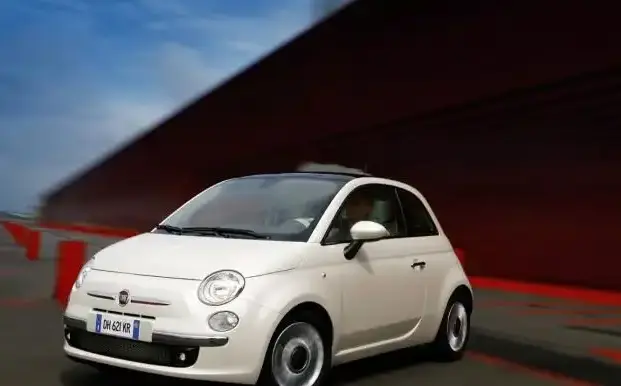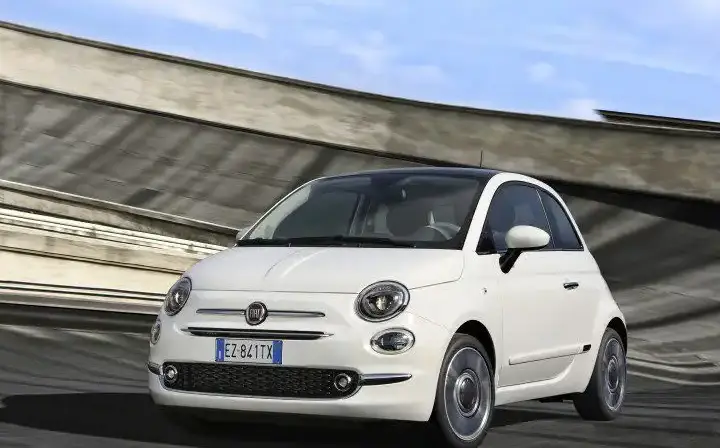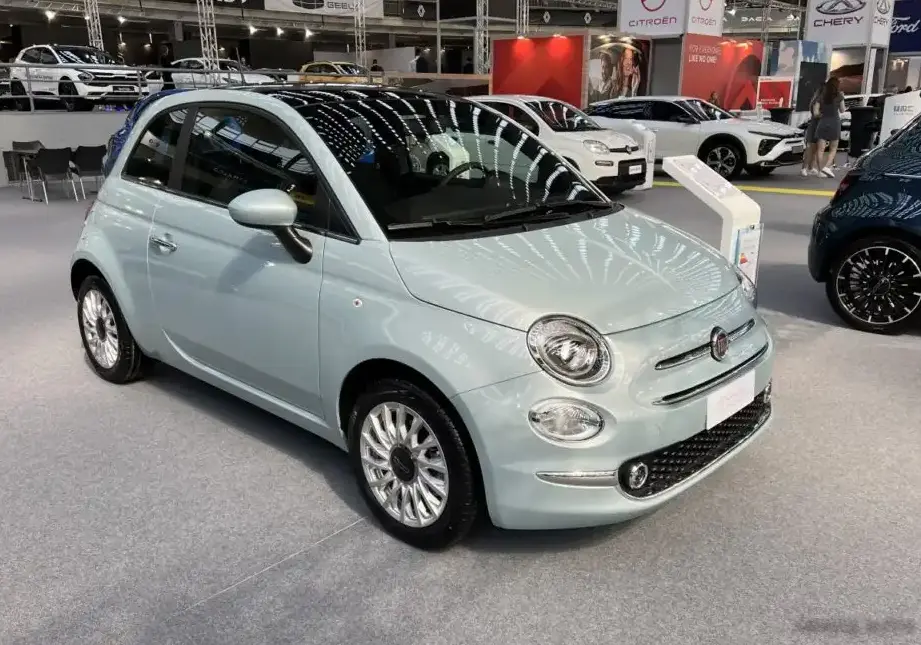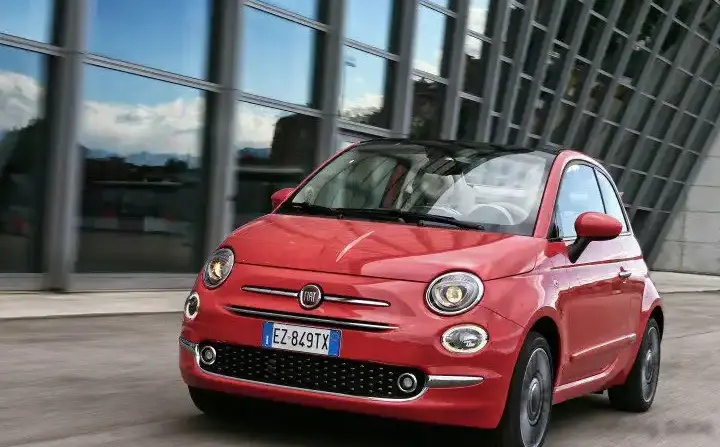
The Fiat 500 C (312 series, facelifted in 2015) equipped with the 1.2-liter engine producing 69 horsepower and featuring the Start & Stop system represents a significant iteration of Fiat’s iconic city car. Produced from 2015 to 2018, this variant occupied the entry-level position within the 500 C (convertible) range, offering an accessible and fuel-efficient option for buyers seeking the stylish appeal of the 500 in a more open-air format. It builds upon the foundation of the 312 platform, initially introduced in 2007, and the 2015 facelift brought subtle cosmetic updates and refinements to the interior.
Technical Specifications
| Brand | Fiat |
| Model | 500 |
| Generation | 500 C (312, facelift 2015) |
| Type (Engine) | 1.2 (69 Hp) S&S |
| Start of production | 2015 |
| End of production | 2018 |
| Powertrain Architecture | Internal Combustion engine |
| Body type | Cabriolet |
| Seats | 4 |
| Doors | 3 |
| Fuel consumption (urban) | 5.5 l/100 km (42.8 US mpg, 51.4 UK mpg, 18.2 km/l) |
| Fuel consumption (extra urban) | 4 l/100 km (58.8 US mpg, 70.6 UK mpg, 25 km/l) |
| Fuel consumption (combined) | 4.7 l/100 km (50 US mpg, 60.1 UK mpg, 21.3 km/l) |
| CO2 emissions | 110 g/km |
| Fuel Type | Petrol (Gasoline) |
| Acceleration 0 – 100 km/h | 12.9 sec |
| Acceleration 0 – 62 mph | 12.9 sec |
| Acceleration 0 – 60 mph | 12.3 sec |
| Maximum speed | 160 km/h (99.42 mph) |
| Emission standard | Euro 6 |
| Weight-to-power ratio | 13.1 kg/Hp, 76.2 Hp/tonne |
| Weight-to-torque ratio | 8.9 kg/Nm, 112.7 Nm/tonne |
| Power | 69 Hp @ 5500 rpm |
| Power per litre | 55.6 Hp/l |
| Torque | 102 Nm @ 3000 rpm (75.23 lb.-ft. @ 3000 rpm) |
| Engine layout | Front, Transverse |
| Engine Model/Code | 169A4000 |
| Engine displacement | 1242 cm3 (75.79 cu. in.) |
| Number of cylinders | 4 |
| Engine configuration | Inline |
| Cylinder Bore | 70.8 mm (2.79 in.) |
| Piston Stroke | 78.9 mm (3.11 in.) |
| Compression ratio | 11.1:1 |
| Number of valves per cylinder | 4 |
| Fuel injection system | Multi-port manifold injection |
| Engine aspiration | Naturally aspirated engine |
| Engine oil capacity | 2.8 l (2.96 US qt | 2.46 UK qt) |
| Coolant | 4.85 l (5.12 US qt | 4.27 UK qt) |
| Kerb Weight | 905 kg (1995.18 lbs.) |
| Trunk (boot) space – minimum | 185 l (6.53 cu. ft.) |
| Fuel tank capacity | 35 l (9.25 US gal | 7.7 UK gal) |
| Permitted trailer load with brakes (12%) | 800 kg (1763.7 lbs.) |
| Permitted trailer load without brakes | 400 kg (881.85 lbs.) |
| Length | 3571 mm (140.59 in.) |
| Width | 1627 mm (64.06 in.) |
| Width including mirrors | 1893 mm (74.53 in.) |
| Height | 1488 mm (58.58 in.) |
| Wheelbase | 2300 mm (90.55 in.) |
| Front track | 1413 mm (55.63 in.) |
| Rear (Back) track | 1407 mm (55.39 in.) |
| Minimum turning circle | 9.3 m (30.51 ft.) |
| Drivetrain Architecture | Front wheel drive |
| Number of gears and type of gearbox | 5 gears, manual transmission |
| Front suspension | Independent type McPherson |
| Rear suspension | Semi-independent, coil spring |
| Front brakes | Disc |
| Rear brakes | Drum |
| Assisting systems | ABS (Anti-lock braking system) |
| Steering type | Steering rack and pinion |
| Tires size | 175/65 R14; 185/55 R15 |
| Wheel rims size | 14; 15 |
Powertrain & Engine Architecture
At the heart of this 500 C variant lies the Fiat 169A4000 1.2-liter inline-four cylinder engine. This engine, a mainstay in several Fiat and Chrysler models, is known for its simplicity and reliability. It utilizes a multi-point fuel injection system, delivering fuel directly into the intake ports. The engine features a single overhead camshaft (SOHC) operating four valves per cylinder, contributing to reasonable efficiency and a relatively flat torque curve. The Start & Stop (S&S) system, standard on this trim, automatically shuts off the engine when the vehicle comes to a halt, improving fuel economy in urban driving conditions. The engine is transversely mounted, driving the front wheels. The 5-speed manual transmission provides a straightforward driving experience, prioritizing fuel efficiency over outright performance. The gear ratios are tuned for city driving, with a relatively short final drive.
Driving Characteristics
The 1.2-liter 69 hp engine, coupled with the 5-speed manual transmission, delivers modest performance. Acceleration from 0 to 60 mph takes around 12.3 seconds, and the top speed is approximately 99 mph. While not particularly quick, the engine provides sufficient power for navigating urban environments and maintaining comfortable speeds on highways. The relatively low weight of the 500 C (around 1995 lbs) helps to mitigate the lack of horsepower. The gear ratios are spaced to maximize fuel economy, meaning the engine needs to be revved to access its peak power. Compared to the more powerful 1.4-liter versions, this variant feels noticeably slower, especially when fully loaded or climbing hills. However, the lighter engine also contributes to a more nimble and balanced feel in corners.
Equipment & Trim Levels
The 1.2-liter S&S variant typically came with a base level of equipment, focusing on essential features. Standard amenities included air conditioning, power steering, central locking, and an audio system with USB connectivity. Safety features such as ABS and airbags were also standard. Interior upholstery was typically cloth, with a simple and functional dashboard layout. Optional extras included alloy wheels, a panoramic sunroof (a key feature of the ‘C’ or Cabriolet model), upgraded audio systems, and parking sensors. The trim level often dictated the availability of these options, with higher trims offering more standard features.
Chassis & Braking
The Fiat 500 C utilizes a McPherson strut front suspension and a semi-independent coil spring rear suspension. This setup provides a comfortable ride quality, well-suited for city streets. The front brakes are discs, while the rear brakes are drums, a cost-saving measure common in this segment. The steering is a rack and pinion system, offering precise and responsive handling. The relatively narrow tires (typically 175/65 R14 or 185/55 R15) contribute to good fuel economy but limit grip during spirited driving.
Market Reception & Comparison
The 1.2-liter 500 C was generally well-received as an affordable and stylish entry point into the 500 range. Critics praised its fuel efficiency and nimble handling, but noted its lack of outright performance. Compared to the 1.4-liter versions, it offered a more economical option, appealing to buyers prioritizing fuel costs over speed. The S&S system was also a positive feature, further enhancing fuel economy in urban environments. Reliability was generally good, with the 1.2-liter engine proving to be durable and relatively maintenance-free.
Legacy
The 1.2-liter 500 C remains a popular choice in the used car market, particularly for those seeking a stylish and economical city car. The engine is known for its reliability, and maintenance costs are generally low. While not the fastest version of the 500, it offers a charming and enjoyable driving experience, especially in urban settings. Its enduring appeal lies in its combination of retro styling, compact size, and fuel efficiency, making it a practical and fashionable choice for a wide range of buyers.