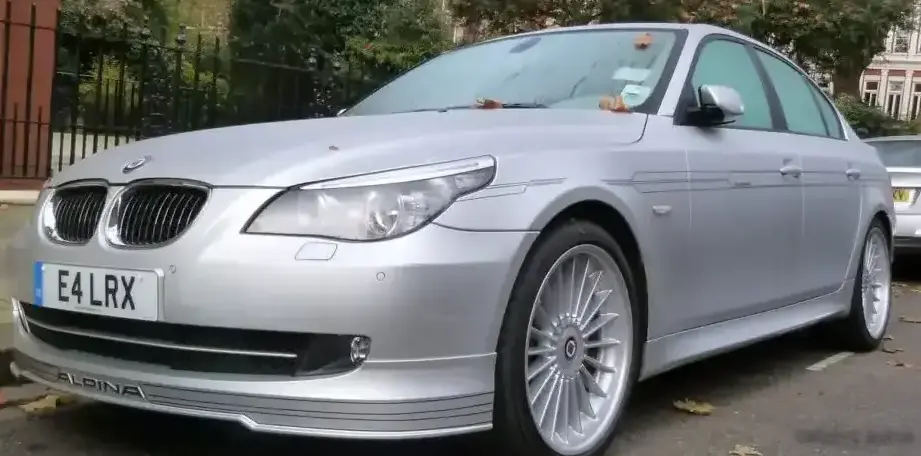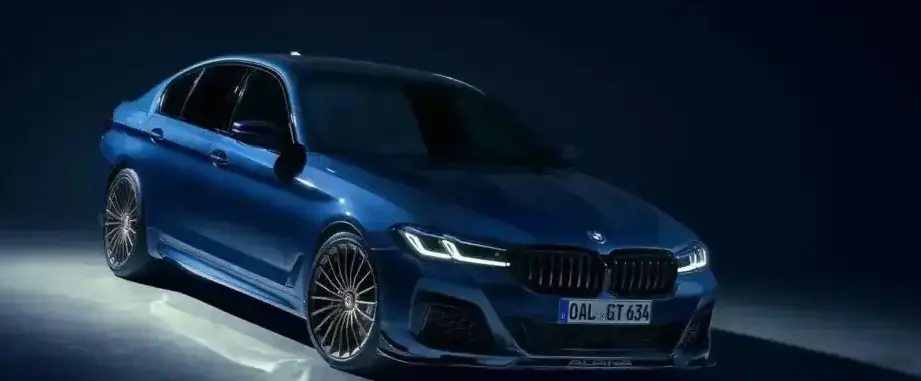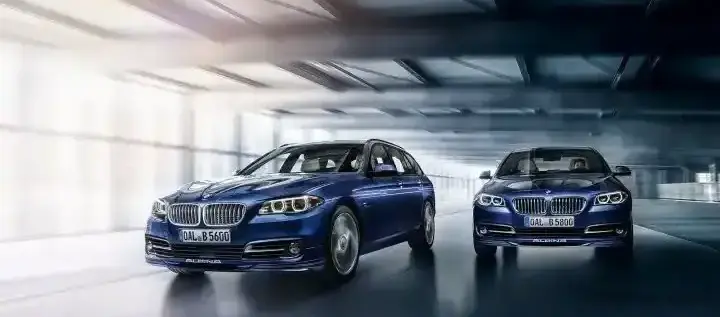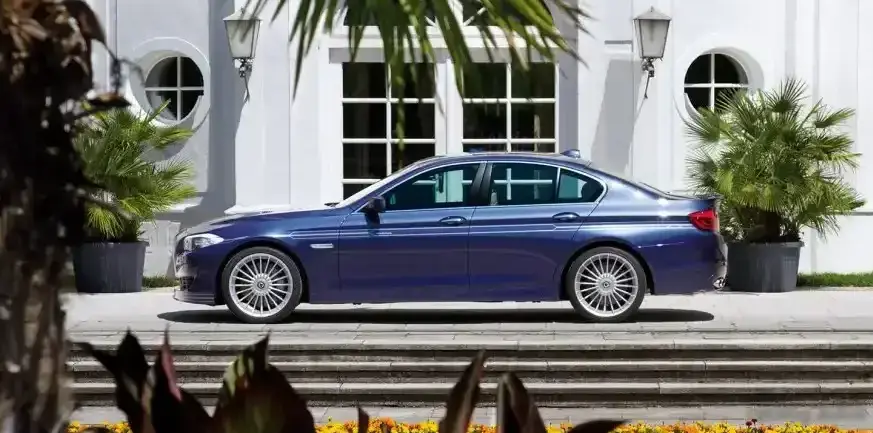
The Alpina B5 Sedan (F10), produced between 2011 and 2013, represents a high-performance iteration of the BMW 5 Series (F10) chassis. Alpina, a renowned German automotive engineering company, independently refined the 5 Series, creating a vehicle that bridged the gap between a luxury sedan and a dedicated sports car. The B5 Sedan 4.4 V8 Biturbo, equipped with a twin-turbocharged V8 engine producing 540 horsepower, was the flagship model of the F10 B5 range, offering a unique blend of grand touring comfort and exhilarating performance. It served as Alpina’s answer to the BMW M5, often providing a more refined and luxurious experience while maintaining comparable speed.
Technical Specifications
| Brand | Alpina |
| Model | B5 |
| Generation | B5 Sedan (F10) |
| Type (Engine) | 4.4 V8 (540 Hp) BITURBO |
| Start of production | 2011 |
| End of production | 2013 |
| Powertrain Architecture | Internal Combustion engine |
| Body type | Sedan |
| Seats | 5 |
| Doors | 4 |
| Fuel consumption (economy) – urban | 15 l/100 km (15.7 US mpg, 18.8 UK mpg, 6.7 km/l) |
| Fuel consumption (economy) – extra urban | 7.9 l/100 km (29.8 US mpg, 35.8 UK mpg, 12.7 km/l) |
| Fuel consumption (economy) – combined | 10.5 l/100 km (22.4 US mpg, 26.9 UK mpg, 9.5 km/l) |
| Fuel Type | Petrol (Gasoline) |
| Acceleration 0 – 100 km/h | 4.5 sec |
| Acceleration 0 – 62 mph | 4.5 sec |
| Acceleration 0 – 60 mph | 4.3 sec |
| Maximum speed | 319 km/h (198.22 mph) |
| Emission standard | Euro 5 |
| Weight-to-power ratio | 3.6 kg/Hp, 281.3 Hp/tonne |
| Weight-to-torque ratio | 2.6 kg/Nm, 380.2 Nm/tonne |
| Power | 540 Hp @ 5200-6250 rpm |
| Power per litre | 122.9 Hp/l |
| Torque | 730 Nm @ 2800-5000 rpm (538.42 lb.-ft. @ 2800-5000 rpm) |
| Engine layout | Front, Longitudinal |
| Engine displacement | 4395 cm3 (268.2 cu. in.) |
| Number of cylinders | 8 |
| Engine configuration | V-engine |
| Cylinder Bore | 89 mm (3.5 in.) |
| Piston Stroke | 88.3 mm (3.48 in.) |
| Compression ratio | 9.2:1 |
| Fuel injection system | Direct injection |
| Engine aspiration | Twin-Turbo, Intercooler |
| Kerb Weight | 1920 kg (4232.88 lbs.) |
| Max. weight | 2510 kg (5533.6 lbs.) |
| Max load | 590 kg (1300.73 lbs.) |
| Trunk (boot) space – minimum | 520 l (18.36 cu. ft.) |
| Fuel tank capacity | 70 l (18.49 US gal | 15.4 UK gal) |
| Length | 4905 mm (193.11 in.) |
| Width | 1860 mm (73.23 in.) |
| Height | 1469 mm (57.83 in.) |
| Wheelbase | 2968 mm (116.85 in.) |
| Front track | 1599 mm (62.95 in.) |
| Rear (Back) track | 1599 mm (62.95 in.) |
| Drivetrain Architecture | The Internal combustion engine (ICE) drives the rear wheels of the vehicle. |
| Drive wheel | Rear wheel drive |
| Number of gears and type of gearbox | 8 gears, automatic transmission |
Powertrain & Engine Architecture
At the heart of the B5 Sedan lies Alpina’s meticulously tuned version of the BMW N63B44 engine. This 4.4-liter twin-turbocharged V8 utilizes direct fuel injection and variable valve timing (Double-VANOS) to deliver a potent 540 horsepower and 730 Nm (538 lb-ft) of torque. Alpina significantly upgraded the cooling system, including a larger radiator and additional oil coolers, to manage the increased thermal demands of the boosted engine. The engine’s turbochargers are specifically matched to provide a broad torque curve, ensuring strong acceleration throughout the rev range. The engine is longitudinally mounted at the front of the vehicle. The B5 exclusively used an 8-speed automatic transmission, also sourced from BMW, but with Alpina-specific software calibration for quicker shifts and more responsive behavior. This transmission, known as the ZF 8HP90, was renowned for its smoothness and efficiency.
Driving Characteristics
The B5 Sedan’s driving experience is characterized by a remarkable balance between performance and comfort. The 540 hp output, coupled with the eight-speed automatic, allows for effortless acceleration. The 0-60 mph sprint is dispatched in approximately 4.3 seconds, and the car boasts a top speed of 198 mph. While the automatic transmission doesn’t offer the same level of driver engagement as a manual gearbox, its quick and precise shifts contribute to the car’s overall performance. The suspension, while based on the BMW 5 Series setup, features Alpina-tuned dampers and springs, providing a more compliant ride without sacrificing handling precision. The steering is precise and well-weighted, offering good feedback to the driver.
Equipment & Trim Levels
The Alpina B5 Sedan came exceptionally well-equipped as standard. Interior appointments included premium leather upholstery, Alpina-specific interior trim (often featuring wood or carbon fiber), and sport seats. Standard features also included a navigation system, premium sound system, and a comprehensive suite of safety features. Optional extras included a panoramic sunroof, upgraded leather options, and various driver assistance systems. The B5 aimed for a more luxurious experience than the M5, and the interior reflected this with a focus on high-quality materials and refined detailing.
Chassis & Braking
The B5 Sedan utilizes the BMW 5 Series’ chassis as a foundation, but with several Alpina-specific modifications. The suspension features stiffer springs and dampers, along with a larger stabilizer bar, to reduce body roll and improve handling. The braking system consists of large, ventilated discs at all four corners, with multi-piston calipers providing ample stopping power. The rear brakes were typically solid discs, reflecting the weight distribution and performance characteristics of the vehicle. The car rides on staggered alloy wheels – wider at the rear – wrapped in high-performance tires (typically 255/35 ZR20 front and 285/30 ZR20 rear) to maximize grip.
Market Reception & Comparison
The Alpina B5 Sedan was generally well-received by automotive critics. It was praised for its blend of performance, luxury, and refinement. Compared to the BMW M5, the B5 was often seen as a more comfortable and less overtly aggressive option. While the M5 prioritized track performance, the B5 focused on providing a more enjoyable grand touring experience. Fuel economy, while not a primary concern for buyers in this segment, was respectable for a high-performance V8, averaging around 22.4 US mpg in combined driving. Reliability was generally good, although the complex twin-turbocharged engine required diligent maintenance.
Legacy
The F10 Alpina B5 Sedan remains a desirable vehicle in the used car market. Its combination of performance, luxury, and exclusivity has ensured its continued appeal to enthusiasts. The N63B44 engine, while capable of high output, requires regular maintenance, including oil changes and inspection of the cooling system. The 8-speed automatic transmission is generally considered robust and reliable. Overall, the B5 Sedan represents a unique and compelling alternative to the BMW M5, offering a refined and rewarding driving experience for those seeking a high-performance luxury sedan.