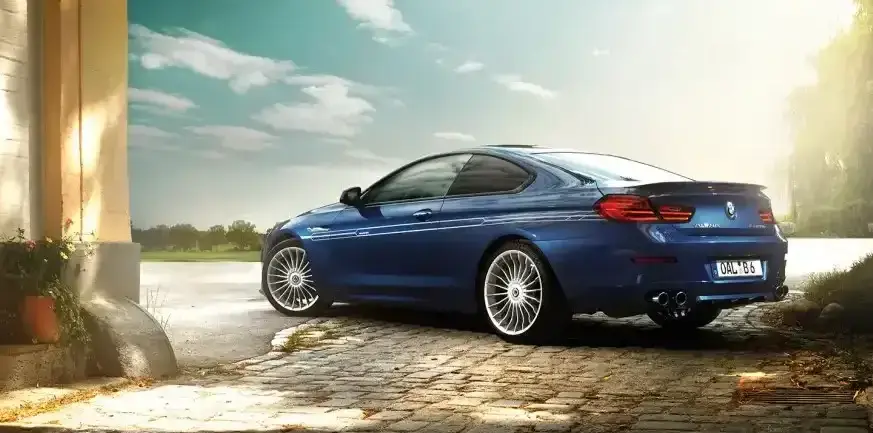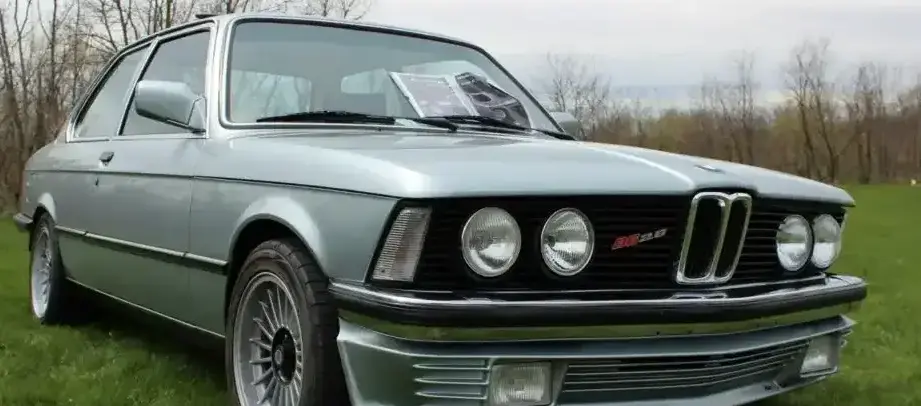
The Alpina B6 2.8, based on the BMW E21 3 Series, represents a unique and highly regarded chapter in the history of both Alpina and BMW. Produced between 1978 and 1981, this model was not a mass-production vehicle but rather a meticulously refined and upgraded version of the standard 3 Series, hand-built by Alpina. It occupied a niche position, bridging the gap between a sporty grand tourer and a performance sedan, offering a more refined and powerful alternative to the standard BMW offerings. The B6 2.8 was one of the earlier models to establish Alpina’s reputation for taking existing BMW platforms and elevating them through engine enhancements, suspension tuning, and bespoke interior appointments.
Technical Specifications
| Brand | Alpina |
| Model | B6 |
| Generation | B6 (E21) |
| Type (Engine) | 2.8 (200 Hp) |
| Start of production | 1978 |
| End of production | 1981 |
| Powertrain Architecture | Internal Combustion engine |
| Body type | Coupe |
| Seats | 4 |
| Doors | 2 |
| Fuel consumption (urban) | 13.8 l/100 km (17 US mpg, 20.5 UK mpg, 7.2 km/l) |
| Fuel consumption (extra urban) | 7 l/100 km (33.6 US mpg, 40.4 UK mpg, 14.3 km/l) |
| Fuel Type | Petrol (Gasoline) |
| Acceleration 0 – 100 km/h | 7.2 sec |
| Acceleration 0 – 62 mph | 7.2 sec |
| Acceleration 0 – 60 mph | 6.8 sec |
| Maximum speed | 220 km/h (136.7 mph) |
| Power | 200 Hp |
| Power per litre | 72 Hp/l |
| Torque | 265 Nm (195.45 lb.-ft.) |
| Engine layout | Front, Longitudinal |
| Engine displacement | 2778 cm3 (169.52 cu. in.) |
| Number of cylinders | 6 |
| Engine configuration | Inline |
| Engine aspiration | Naturally aspirated engine |
| Drivetrain Architecture | Rear wheel drive |
Powertrain & Engine Architecture
The heart of the B6 2.8 is its 2.8-liter inline-six engine, derived from the standard BMW M10 block but extensively modified by Alpina. The engine received a larger bore and stroke, along with a high-compression cylinder head, lightweight Mahle pistons, and a balanced crankshaft. Alpina also fitted a custom-designed intake manifold and a high-performance camshaft to optimize airflow and valve timing. Fuel delivery was handled by a Bosch K-Jetronic mechanical fuel injection system, a sophisticated setup for the era, ensuring precise fuel metering and contributing to the engine’s smooth power delivery. The engine produced 200 horsepower and 265 Nm (195 lb-ft) of torque. The engine was mated to a Getrag five-speed manual transmission, although a three-speed automatic was also available, albeit less common. The drivetrain layout was traditional rear-wheel drive, contributing to the car’s balanced handling characteristics.
Driving Characteristics
The B6 2.8 offered a noticeably more refined and powerful driving experience compared to the standard E21. The increased displacement and optimized engine components resulted in a broader torque curve and stronger acceleration. While the 0-60 mph time of around 6.8 seconds might not seem impressive by modern standards, it was quite brisk for a 1970s coupe. The five-speed manual transmission allowed drivers to fully exploit the engine’s power, while the optional automatic provided a more relaxed driving experience. Alpina’s suspension tuning, which included stiffer springs, Bilstein shock absorbers, and a thicker anti-roll bar, significantly improved handling and reduced body roll. The car felt planted and stable, even when pushed hard through corners. The steering was precise and communicative, providing good feedback to the driver.
Equipment & Trim Levels
The Alpina B6 2.8 was not offered with extensive trim level options like a standard production car. Instead, Alpina focused on providing a high level of standard equipment and offering a degree of customization. Standard features included Recaro sports seats upholstered in high-quality leather, a leather-wrapped steering wheel, and a comprehensive instrument cluster with additional gauges for oil temperature, oil pressure, and voltmeter. Alpina also fitted a unique front air dam and rear spoiler, along with distinctive Alpina badging. Optional extras included a sunroof, air conditioning, and a premium sound system. The interior was generally well-appointed and focused on providing a comfortable and sporty driving environment.
Chassis & Braking
The B6 2.8 utilized the standard E21 chassis, but with significant modifications to improve handling and stability. As mentioned previously, Alpina upgraded the suspension with stiffer springs, Bilstein shock absorbers, and a thicker anti-roll bar. The brakes were also upgraded, featuring larger front discs and improved calipers. Rear brakes remained drum brakes on most models, although some later examples were equipped with rear disc brakes. The suspension setup provided a good balance between ride comfort and handling performance. The upgraded brakes offered improved stopping power and fade resistance, essential for a performance-oriented vehicle.
Market Reception & Comparison
The Alpina B6 2.8 was well-received by automotive journalists and enthusiasts alike. Critics praised its refined engine, improved handling, and luxurious interior. It was often compared to the BMW 323i, but the B6 2.8 offered a more potent engine and a more exclusive feel. Compared to other performance coupes of the era, such as the Porsche 924, the B6 2.8 offered a more practical and comfortable driving experience. Fuel economy was reasonable for a performance car of the time, averaging around 20 mpg. Reliability was generally good, although the K-Jetronic fuel injection system could require occasional maintenance. The B6 2.8 was positioned as a premium alternative to the standard E21, appealing to buyers who wanted a more exclusive and refined performance car.
Legacy
The Alpina B6 2.8 remains a highly sought-after classic car today. Its limited production numbers and unique character have made it a collector’s item. The engine is known for its durability and tunability, and many examples are still in regular use. The K-Jetronic fuel injection system can require specialized knowledge to maintain, but parts are generally available. The B6 2.8 represents a significant milestone in Alpina’s history, establishing the company’s reputation for creating exceptional performance cars based on BMW platforms. It continues to be celebrated by enthusiasts as a beautifully engineered and rewarding driving machine, a testament to Alpina’s commitment to quality and performance.