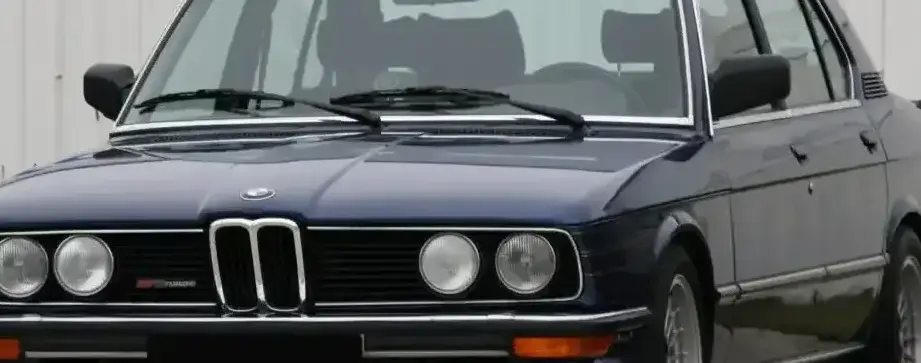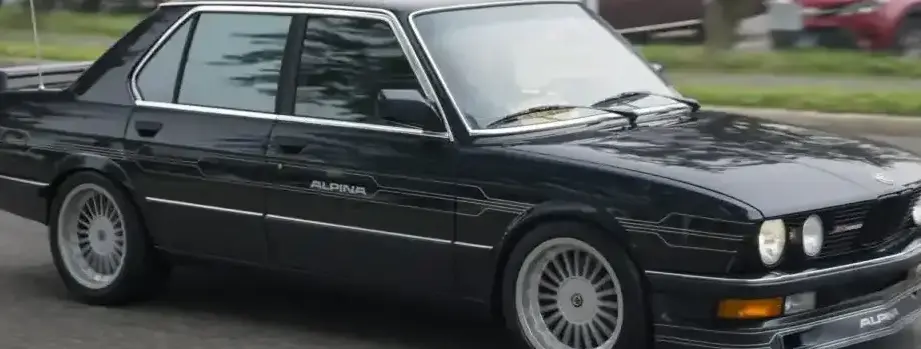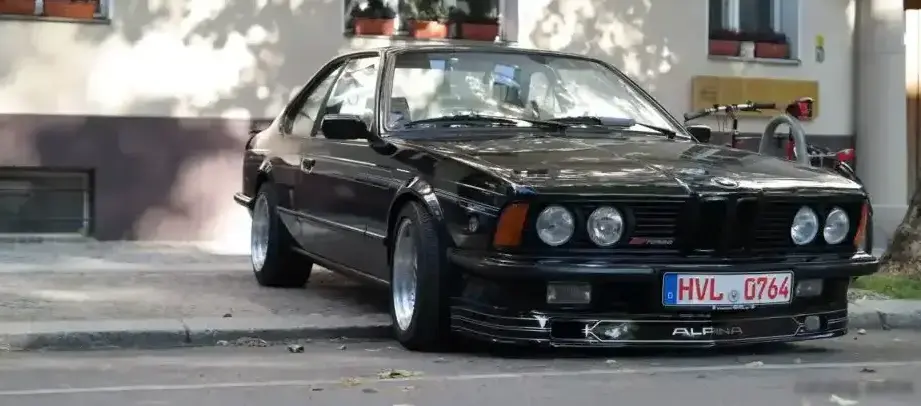
The Alpina B7 Coupe (E24) 3.5, produced between 1982 and 1987, represents a high-performance iteration of the BMW E24 6-Series coupe, meticulously engineered by the independent German automotive engineering firm, Alpina. This model wasn’t a direct product of BMW, but rather a heavily modified and upgraded version built in collaboration with, and often on BMW chassis supplied by, the manufacturer. The B7 3.5 occupied the top echelon of the E24 range, offering a significant performance boost over the standard 6-Series models and even the BMW M6. It’s a relatively rare vehicle, with only around 150 examples produced, making it a sought-after collector’s item today. The B7 Coupe was built on the E24 platform, sharing its basic structure with the BMW 635CSi, but distinguished by extensive mechanical and cosmetic enhancements.
Technical Specifications
| Brand | Alpina |
| Model | B7 |
| Generation | B7 Coupe (E24) |
| Type (Engine) | 3.5 (330 Hp) |
| Start of Production | 1982 |
| End of Production | 1987 |
| Powertrain Architecture | Internal Combustion Engine |
| Body Type | Coupe |
| Fuel Type | Petrol (Gasoline) |
| Power | 330 Hp |
| Engine Aspiration | Naturally Aspirated |
Powertrain & Engine Architecture
The heart of the B7 Coupe 3.5 is its 3.5-liter inline-six cylinder engine, based on the BMW M30 engine block. However, Alpina didn’t simply drop a larger engine into the E24. The M30 was extensively modified with a Mahle high-compression piston design, a lightened and balanced crankshaft, and a ported and polished cylinder head. Crucially, Alpina employed its signature large-valve cylinder head, increasing airflow and contributing significantly to the engine’s power output. The engine utilized Bosch K-Jetronic fuel injection, a mechanical system known for its reliability and precise fuel delivery, though it was becoming somewhat dated by the mid-1980s. The engine code is often referenced as B7/1. The valvetrain featured a dual overhead camshaft design, typical of the M30 series, but with optimized camshaft profiles for increased performance. Unlike the standard BMW 635CSi, the B7 3.5 did not feature a catalytic converter in many markets, allowing for maximum exhaust flow and power. The engine was primarily mated to a Getrag 265 five-speed manual transmission, chosen for its robustness and ability to handle the increased torque. An automatic transmission was available as an option, though it was less common and generally considered to diminish the driving experience.
Driving Characteristics
The Alpina B7 Coupe 3.5 delivers a distinctly different driving experience compared to the standard BMW 6-Series. The increased power output of 330 horsepower, coupled with the relatively lightweight coupe body, results in exhilarating acceleration. Independent tests from the period indicated a 0-60 mph time of around 5.6 seconds, a remarkable figure for a grand touring coupe in the early 1980s. The Getrag 265 transmission provides precise and direct gear changes, enhancing driver engagement. The suspension was also modified by Alpina, featuring stiffer springs and Bilstein shock absorbers, resulting in improved handling and reduced body roll. However, the ride remained relatively comfortable, maintaining the grand touring character of the E24. The steering, while still hydraulic power-assisted, felt more direct and responsive than the standard 6-Series. The B7 3.5 wasn’t designed to be a track-focused weapon like the BMW M6, but rather a high-performance, comfortable, and refined grand tourer capable of covering long distances at high speeds with ease. The optional automatic transmission, while offering convenience, noticeably dulled the car’s responsiveness and reduced its overall performance. The automatic, typically a 4-speed unit, featured different gear ratios optimized for cruising, but at the expense of rapid acceleration.
Equipment & Trim Levels
The Alpina B7 Coupe 3.5 was exceptionally well-equipped, reflecting its status as a premium performance vehicle. Standard features included leather upholstery, power windows, central locking, and an upgraded sound system. Alpina also added its own unique touches, such as a distinctive three-spoke steering wheel, special Alpina gauges (including oil temperature and pressure), and a stainless steel exhaust system. Exterior features included Alpina-specific front and rear spoilers, unique alloy wheels (typically 16-inch), and subtle Alpina badging. Optional extras included a sunroof, air conditioning, and a more advanced sound system. Interior trim options were limited, with most B7 Coupes featuring dark leather interiors with wood trim. The overall interior ambiance was one of understated luxury and sporting elegance. The B7 sat at the very top of the E24 range, exceeding the equipment levels of even the well-appointed 635CSi.
Chassis & Braking
The B7 Coupe retained the E24’s independent suspension layout, with MacPherson struts at the front and semi-trailing arms at the rear. However, Alpina made significant modifications to the suspension components to improve handling and stability. Stiffer springs, Bilstein shock absorbers, and thicker stabilizer bars were employed to reduce body roll and enhance cornering grip. The braking system consisted of ventilated disc brakes at all four corners, providing ample stopping power. Alpina also upgraded the brake lines and pads for improved performance and fade resistance. The tires were typically Pirelli P7s, chosen for their excellent grip and handling characteristics. The chassis modifications, combined with the upgraded braking system, resulted in a car that felt confident and secure at high speeds.
Market Reception & Comparison
The Alpina B7 Coupe 3.5 was generally well-received by automotive critics, who praised its performance, handling, and refinement. It was often compared to the BMW M6, with many reviewers noting that the B7 offered a more comfortable and usable driving experience, while the M6 was more focused on outright performance. Compared to the standard BMW 635CSi, the B7 3.5 offered a substantial performance advantage, with significantly quicker acceleration and improved handling. Fuel economy, unsurprisingly, was not a strong point, with figures typically in the range of 15-18 mpg. Reliability was generally good, although the K-Jetronic fuel injection system could require occasional maintenance. The B7 3.5 was significantly more expensive than both the 635CSi and the M6, reflecting its exclusivity and the extensive modifications performed by Alpina.
Legacy
The Alpina B7 Coupe (E24) 3.5 remains a highly desirable classic car today. Its rarity, performance, and unique character have made it a favorite among collectors and enthusiasts. The M30 engine, while aging, is known for its durability and relatively straightforward maintenance. However, finding parts can be challenging, and specialized knowledge is often required for repairs. The K-Jetronic fuel injection system can also be a source of problems if not properly maintained. Despite these potential issues, the B7 Coupe 3.5 continues to provide a rewarding driving experience and represents a significant piece of automotive history, showcasing the unique blend of performance and luxury that Alpina has become renowned for. Values have steadily increased in recent years, reflecting the growing demand for well-preserved examples.