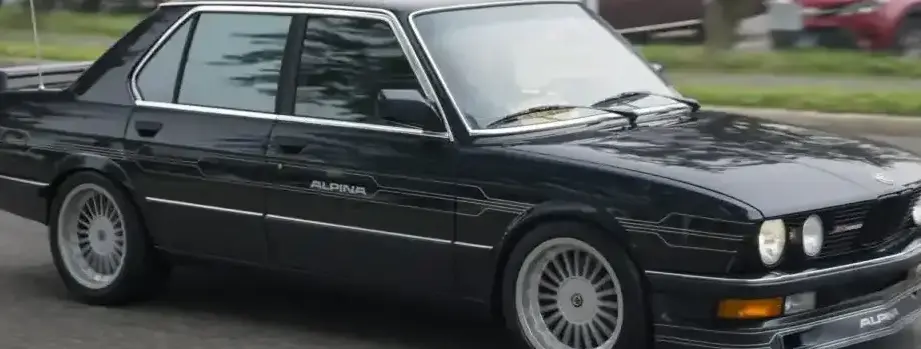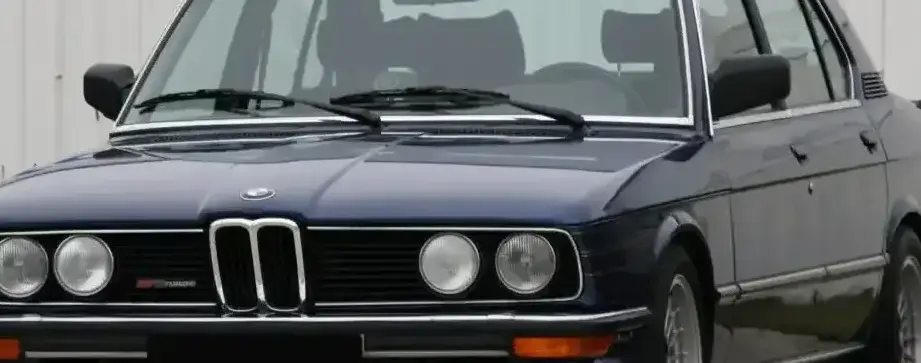
The Alpina B7 (E12) 3.0, produced between 1978 and 1982, represents a high-performance iteration of the BMW E12 5 Series sedan. Alpina, a renowned German automotive engineering company, specialized in enhancing BMW vehicles, and the B7 was their flagship model during this period. It wasn’t simply a modified 5 Series; Alpina undertook extensive engineering changes to create a uniquely refined and powerful grand tourer. The B7 occupied the top echelon of the E12 range, positioned above even the BMW 535i, offering a blend of luxury, performance, and exclusivity. Approximately 225 examples were produced, making it a relatively rare and sought-after classic today. The “3.0” designation refers to the engine displacement, and the “301 Hp” indicates the power output, a significant figure for the late 1970s and early 1980s.
Technical Specifications
| Brand | Alpina |
| Model | B7 |
| Generation | B7 (E12) |
| Type (Engine) | 3.0 (301 Hp) |
| Start of Production | 1978 |
| End of Production | 1982 |
| Powertrain Architecture | Internal Combustion Engine |
| Body Type | Sedan |
| Fuel Type | Petrol (Gasoline) |
| Power | 301 Hp |
| Engine Aspiration | Naturally Aspirated |
Powertrain & Engine Architecture
The heart of the Alpina B7 (E12) 3.0 is its 3.0-liter inline-six cylinder engine, based on the BMW M30 engine block. However, Alpina didn’t simply drop a larger engine into the E12. They extensively modified the M30, increasing the bore to 89.5mm and utilizing a shorter stroke crankshaft, resulting in a displacement of 3003cc. This engine featured a high-compression ratio (around 9.7:1) and a meticulously tuned cylinder head with larger valves and optimized porting. Fuel delivery was managed by a Bosch K-Jetronic mechanical fuel injection system, known for its precision and reliability. The engine also benefited from a lightweight flywheel and a high-performance exhaust system designed to maximize exhaust flow. Alpina’s attention to detail extended to the engine’s cooling system, which was upgraded to handle the increased thermal load. The engine produced 301 horsepower at 5,600 rpm and 289 lb-ft of torque at 4,100 rpm. The B7 utilized a Getrag 265 five-speed manual transmission, chosen for its robustness and ability to handle the engine’s power. An automatic transmission was available as an option, though less common.
Driving Characteristics
The Alpina B7 (E12) 3.0 offered a distinctly different driving experience compared to the standard BMW 5 Series. The increased power and torque, combined with the optimized gear ratios of the five-speed manual transmission, resulted in exhilarating acceleration. Independent tests from the period indicated a 0-60 mph time of around 6.8 seconds, a remarkable figure for a sedan of its era. The B7 wasn’t just about straight-line speed; Alpina also focused on improving handling. The suspension was modified with stiffer springs, Bilstein shock absorbers, and a larger diameter stabilizer bar, reducing body roll and enhancing cornering stability. The steering was precise and responsive, providing the driver with a confident feel. While the ride was firmer than a standard 5 Series, it remained comfortable enough for long-distance cruising. The car felt planted and stable at high speeds, making it a true grand tourer. The optional automatic transmission, while offering convenience, did slightly diminish the car’s overall performance and responsiveness.
Equipment & Trim Levels
The Alpina B7 (E12) 3.0 was a luxury performance vehicle, and its equipment levels reflected that. Standard features included Recaro sport seats upholstered in high-quality leather, a three-spoke Alpina steering wheel, and a comprehensive instrument cluster with additional gauges for oil temperature, oil pressure, and voltmeter. The interior trim was typically finished in wood veneer, adding a touch of elegance. Exterior features included Alpina-specific aerodynamic enhancements, such as a front spoiler and rear decklid spoiler, as well as distinctive Alpina wheels. Optional extras included a sunroof, air conditioning, and a high-end sound system. Each B7 was individually numbered and came with a certificate of authenticity, further emphasizing its exclusivity. Alpina offered a degree of customization, allowing buyers to specify their preferred interior colors and trim materials.
Chassis & Braking
The B7’s chassis was based on the standard BMW E12 platform, but with significant modifications. As mentioned previously, the suspension was upgraded with stiffer springs and Bilstein shock absorbers. Alpina also fitted a larger diameter stabilizer bar to reduce body roll. The brakes were also upgraded, featuring larger diameter discs and improved calipers for enhanced stopping power. The rear brakes remained drum brakes, a common feature for the time, but were optimized for performance. The car rode on Alpina-specific alloy wheels, typically 7×15 inch, fitted with high-performance tires. These wheels not only enhanced the car’s appearance but also improved its handling and grip. The overall effect was a chassis that felt more composed and capable than the standard E12, providing a confident and engaging driving experience.
Market Reception & Comparison
The Alpina B7 (E12) 3.0 was well-received by automotive journalists and enthusiasts alike. Critics praised its powerful engine, refined handling, and luxurious interior. It was often compared favorably to the BMW 535i, with the B7 being considered the more exclusive and performance-oriented option. Compared to other high-performance sedans of the era, such as the Mercedes-Benz 280E, the B7 offered a more sporting driving experience. Fuel economy was understandably lower than the standard 5 Series, averaging around 18-20 mpg. Reliability was generally good, although the more complex engine and fuel injection system required more diligent maintenance. The B7’s higher price tag – significantly more than the 535i – limited its appeal to a select group of buyers.
Legacy
The Alpina B7 (E12) 3.0 remains a highly collectible and sought-after classic car today. Its rarity, combined with its performance and exclusivity, has driven up its value in the used car market. The M30 engine, in its Alpina-tuned form, is known for its durability and longevity, although regular maintenance is essential. Parts availability can be a challenge, but Alpina still provides some support for its older models. The B7 represents a significant chapter in Alpina’s history, showcasing the company’s ability to transform already excellent BMW vehicles into something truly special. It’s a testament to the enduring appeal of a well-engineered, high-performance grand tourer, and a reminder of a time when automotive engineering was focused on creating cars that were both exhilarating to drive and luxurious to own.