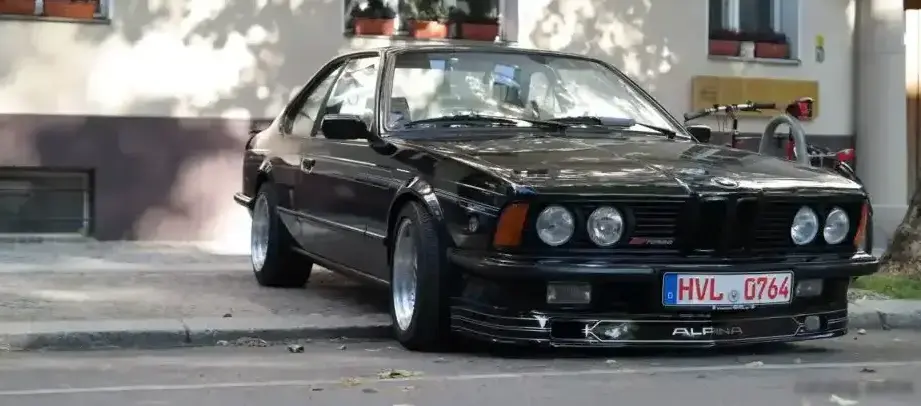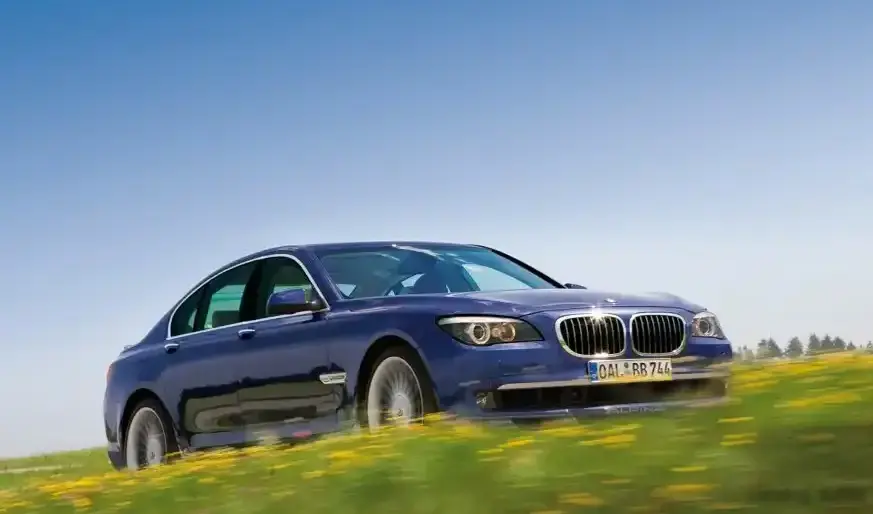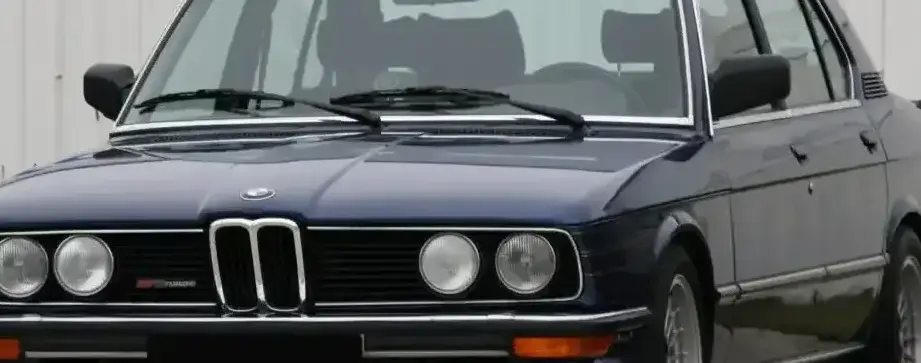
The Alpina B7 (E12) 3.5, produced between 1981 and 1982, represents a high-performance iteration of the BMW E12 5 Series sedan. Alpina, a renowned German automotive engineering company, specialized in enhancing BMW vehicles, and the B7 3.5 was among their earliest and most celebrated creations. This model wasn’t simply a modified 5 Series; it was a comprehensively engineered vehicle designed to offer a unique blend of luxury, performance, and exclusivity. Positioned as a flagship sedan, the B7 3.5 aimed to compete with contemporary high-performance offerings from Mercedes-Benz and other European manufacturers. It served as a precursor to Alpina’s later, more widely recognized B7 models, establishing the foundation for their reputation in the high-performance luxury segment.
Technical Specifications
| Brand | Alpina |
| Model | B7 |
| Generation | B7 (E12) |
| Type (Engine) | 3.5 (330 Hp) |
| Start of Production | 1981 |
| End of Production | 1982 |
| Powertrain Architecture | Internal Combustion Engine |
| Body Type | Sedan |
| Fuel Type | Petrol (Gasoline) |
| Power | 330 Hp |
| Engine Aspiration | Naturally Aspirated |
Powertrain & Engine Architecture
The heart of the Alpina B7 3.5 is its 3.5-liter inline-six engine, based on the BMW M30 engine block. However, Alpina didn’t simply drop a larger engine into the E12 chassis. Extensive modifications were undertaken to achieve the impressive 330 horsepower output. These included a significantly increased bore and stroke, high-compression pistons, a performance camshaft, and a ported and polished cylinder head. The engine utilized Bosch K-Jetronic fuel injection, a mechanical fuel injection system known for its precision and reliability, though it required careful adjustment for optimal performance. The valvetrain featured a single overhead camshaft (SOHC) design, typical for the M30 series, but with upgraded components to handle the increased stresses of higher engine speeds.
Unlike many contemporary performance cars, the B7 3.5 did *not* offer a manual transmission option. Alpina opted for a reinforced ZF 4HP22 automatic transmission, specifically chosen for its durability and ability to handle the engine’s substantial torque. This transmission was modified with a more aggressive torque converter and strengthened internal components to ensure reliable operation under demanding conditions. While an automatic transmission might seem unconventional for a performance sedan of this era, Alpina believed it provided a smoother, more refined driving experience that aligned with the car’s luxury positioning. The rear axle featured a limited-slip differential, enhancing traction and stability during spirited driving.
Driving Characteristics
The Alpina B7 3.5 delivered a unique driving experience. The combination of the high-output 3.5-liter engine and the automatic transmission resulted in strong acceleration, though not with the immediate responsiveness of a manual gearbox. The torque converter provided a degree of torque multiplication, aiding off-the-line acceleration, but also introduced some inherent losses in efficiency. The car was capable of reaching a top speed of approximately 170 mph (274 km/h), making it one of the fastest sedans of its time.
The suspension was significantly upgraded from the standard BMW 5 Series. Alpina employed stiffer springs, Bilstein shock absorbers, and larger anti-roll bars to reduce body roll and improve handling. The steering was precise and well-weighted, providing good feedback to the driver. Despite the performance enhancements, Alpina prioritized ride comfort, ensuring that the B7 3.5 remained a comfortable and refined grand tourer. The automatic transmission’s gear ratios were optimized for both acceleration and cruising, providing a balance between performance and fuel economy, though fuel consumption remained relatively high by modern standards.
Equipment & Trim Levels
The Alpina B7 3.5 was a luxury vehicle, and its interior reflected that. Standard features included premium leather upholstery, wood trim, and electric windows. The seats were designed for both comfort and support, and the dashboard layout was functional and elegant. Alpina also offered a range of optional extras, including a sunroof, air conditioning, and a high-end sound system. Each B7 3.5 was individually numbered and came with a certificate of authenticity, further emphasizing its exclusivity. The exterior was distinguished by Alpina-specific aerodynamic enhancements, including a front spoiler, rear spoiler, and unique alloy wheels. A subtle stripe along the lower body panels also identified the vehicle as an Alpina product.
Chassis & Braking
The chassis of the B7 3.5 was based on the standard BMW E12 platform, but with significant modifications. As mentioned, the suspension was upgraded with stiffer springs and Bilstein shocks. The brakes were also upgraded, featuring larger discs and calipers for improved stopping power. The rear brakes remained drum brakes, a cost-saving measure that was common for the time, but they were adequately sized for the car’s weight and performance. The steering system was a recirculating ball system, typical for BMWs of that era, and provided precise and responsive steering feel. Alpina also reinforced the chassis structure to improve rigidity and handling.
Market Reception & Comparison
The Alpina B7 3.5 was well-received by automotive journalists and enthusiasts. Critics praised its performance, handling, and luxurious interior. However, the automatic transmission was a point of contention for some, who preferred the control and engagement of a manual gearbox. Compared to the standard BMW 5 Series, the B7 3.5 offered a significant performance upgrade, along with a more luxurious and exclusive interior. It competed directly with high-performance sedans from Mercedes-Benz, such as the 280E and 300SD, and offered a compelling alternative to those vehicles. The B7 3.5 was more focused on grand touring comfort than outright track performance, making it a more versatile vehicle for everyday use.
Legacy
The Alpina B7 (E12) 3.5 is a rare and highly sought-after classic car today. Only around 200 examples were produced, making it a collector’s item. The engine is known for its durability and reliability, provided it has been properly maintained. However, the K-Jetronic fuel injection system can be complex to diagnose and repair, requiring specialized knowledge. The ZF automatic transmission is also robust, but may require rebuilding after many years of use. The B7 3.5 represents a significant milestone in Alpina’s history, establishing their reputation as a builder of high-performance, luxurious BMWs. Its influence can be seen in later B7 models, which continue to offer a unique blend of performance, luxury, and exclusivity. Values for well-maintained examples have steadily increased in recent years, reflecting the car’s rarity and historical significance.