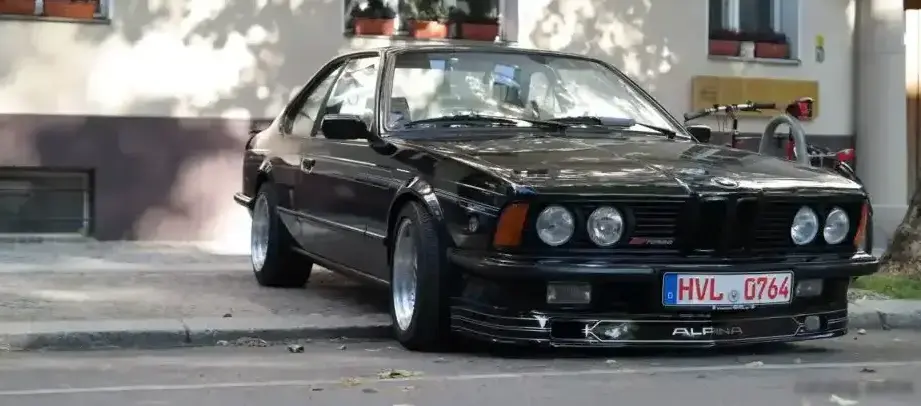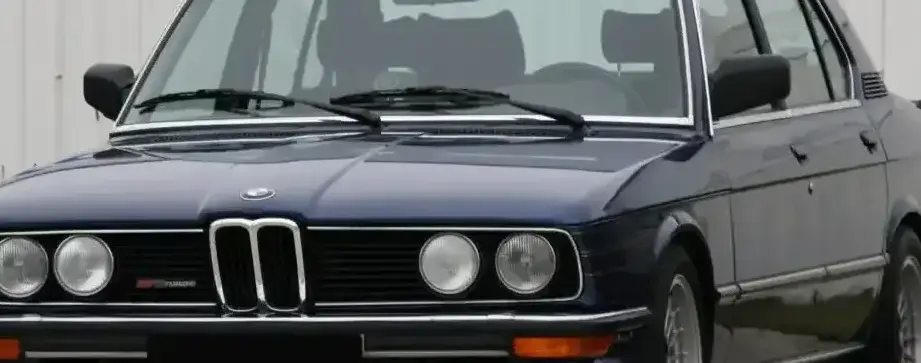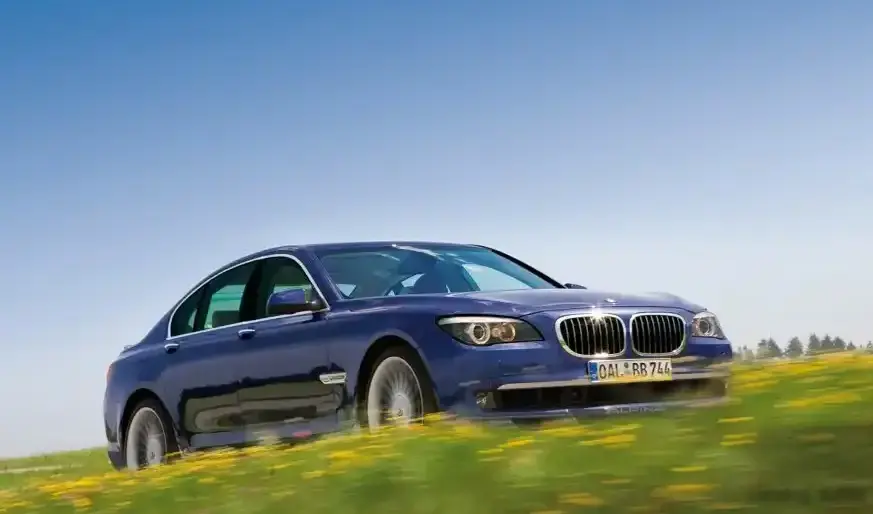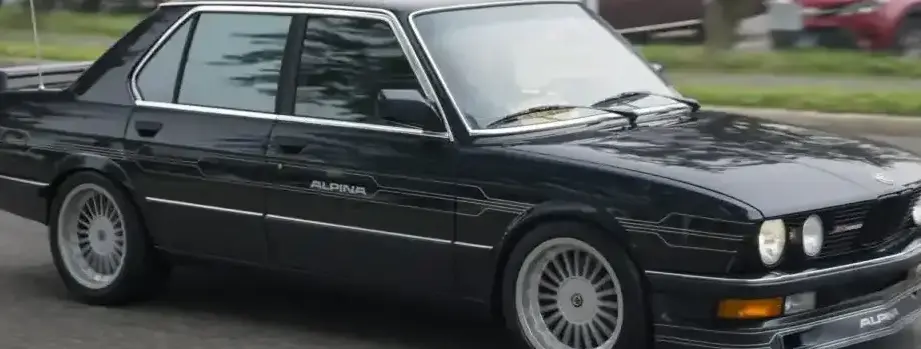
The Alpina B7 (E28) 3.0, produced between 1984 and 1987, represents a high-performance iteration of the BMW E28 5 Series. Alpina, a renowned German automotive engineering firm, meticulously refined the 5 Series platform, creating a vehicle that blended luxury, performance, and exclusivity. This particular variant, powered by a 3.0-liter inline-six engine producing 301 horsepower, occupied the top echelon of the E28 range, offering a compelling alternative to the BMW M5, often favored for its more refined character and focus on high-speed touring. The B7 was never officially sold through BMW dealerships; instead, Alpina delivered completed vehicles directly to customers, further emphasizing its bespoke nature.
Technical Specifications
| Brand | Alpina |
| Model | B7 |
| Generation | B7 (E28) |
| Type (Engine) | 3.0 (301 Hp) |
| Start of Production | 1984 |
| End of Production | 1987 |
| Powertrain Architecture | Internal Combustion Engine |
| Body Type | Sedan |
| Fuel Type | Petrol (Gasoline) |
| Power | 301 Hp |
| Engine Aspiration | Naturally Aspirated |
Powertrain & Engine Architecture
At the heart of the Alpina B7 (E28) 3.0 lies the M30 inline-six engine, extensively modified by Alpina. While based on the standard BMW M30 block, the Alpina version featured a significantly increased displacement to 3.0 liters (achieved through a larger bore and longer stroke) and a high-compression cylinder head. Alpina employed Mahle pistons and a balanced crankshaft to ensure smooth operation at high RPMs. The engine utilized Bosch Motronic fuel injection, carefully calibrated to deliver optimal performance and drivability. A unique Alpina stainless steel exhaust system, characterized by its distinctive sound, further enhanced engine breathing and contributed to the increased horsepower output. The engine’s valvetrain retained the standard M30 configuration of a single overhead camshaft, but with optimized cam profiles for improved power delivery. Unlike the standard BMW automatic transmissions of the era, the B7 utilized a reinforced 4-speed automatic transmission, specifically chosen for its durability and ability to handle the increased torque output. This transmission was also recalibrated for quicker shifts and a more responsive feel.
Driving Characteristics
The Alpina B7 (E28) 3.0 offered a distinctly different driving experience compared to the more track-focused BMW M5. While the M5 prioritized raw performance and handling precision, the B7 emphasized effortless cruising and refined power delivery. The 301 horsepower engine provided ample acceleration, with a 0-60 mph time estimated around 6.8 seconds, respectable for the mid-1980s. The automatic transmission, while not as engaging as a manual, offered smooth and seamless gear changes, making the B7 an ideal grand tourer. The gear ratios were optimized for high-speed stability and relaxed highway cruising. The B7’s suspension, while based on the E28 5 Series, was subtly tuned by Alpina to provide a comfortable ride without sacrificing handling prowess. The steering felt precise and well-weighted, offering a confident feel at all speeds. Compared to the standard 5 Series, the B7 felt noticeably more powerful and responsive, but it lacked the M5’s razor-sharp edge.
Equipment & Trim Levels
The Alpina B7 (E28) 3.0 was exceptionally well-equipped, reflecting its premium positioning. Standard features included Recaro sport seats upholstered in high-quality leather, a sunroof, power windows, central locking, and an upgraded sound system. Alpina also added its signature touches, such as a unique steering wheel design, special Alpina gauges (including a 280 km/h speedometer), and exterior styling cues like a front air dam and rear spoiler. Optional extras included air conditioning, a limited-slip differential, and various interior trim options. The interior trim was generally executed in a classic, understated style, with wood veneer accents and a focus on comfort and luxury. The B7’s interior was a clear step up from the standard 5 Series, offering a more refined and exclusive ambiance.
Chassis & Braking
The B7’s chassis retained the E28 5 Series’ independent suspension layout, with MacPherson struts at the front and semi-trailing arms at the rear. However, Alpina made several modifications to improve handling and stability. These included stiffer springs, upgraded shock absorbers, and a thicker stabilizer bar. The braking system consisted of ventilated disc brakes at the front and disc brakes at the rear, providing ample stopping power. The B7’s braking performance was significantly improved compared to the standard 5 Series, thanks to the larger discs and more aggressive brake pads. Alpina also paid close attention to weight distribution, ensuring a balanced and predictable handling characteristic. The tires were typically high-performance radial tires, chosen for their grip and durability.
Market Reception & Comparison
The Alpina B7 (E28) 3.0 was generally well-received by automotive critics, who praised its blend of performance, luxury, and refinement. It was often seen as a more civilized alternative to the BMW M5, appealing to drivers who prioritized comfort and high-speed cruising over outright track performance. Fuel economy, while not a primary concern for B7 buyers, was reasonable for a high-performance vehicle of its era, averaging around 18-22 mpg. Reliability was generally good, although the B7’s complex engine and transmission required regular maintenance. Compared to the standard 5 Series, the B7 offered a significant performance upgrade, but at a substantial price premium. Compared to the M5, the B7 was often considered to be more comfortable and easier to drive, but less focused on ultimate performance.
Legacy
The Alpina B7 (E28) 3.0 remains a highly sought-after classic car today, appreciated by collectors and enthusiasts for its rarity, performance, and unique character. The M30 engine, in its Alpina-tuned form, is known for its durability and smooth power delivery. While maintenance can be costly due to the vehicle’s age and complexity, the B7 is generally considered to be a reliable and rewarding classic car. The B7’s influence can be seen in subsequent generations of Alpina vehicles, which continue to emphasize the brand’s commitment to blending performance, luxury, and exclusivity. Values for well-maintained examples have steadily increased in recent years, reflecting the growing demand for classic BMWs and Alpina models. The B7 stands as a testament to Alpina’s engineering prowess and its ability to create truly special automobiles.