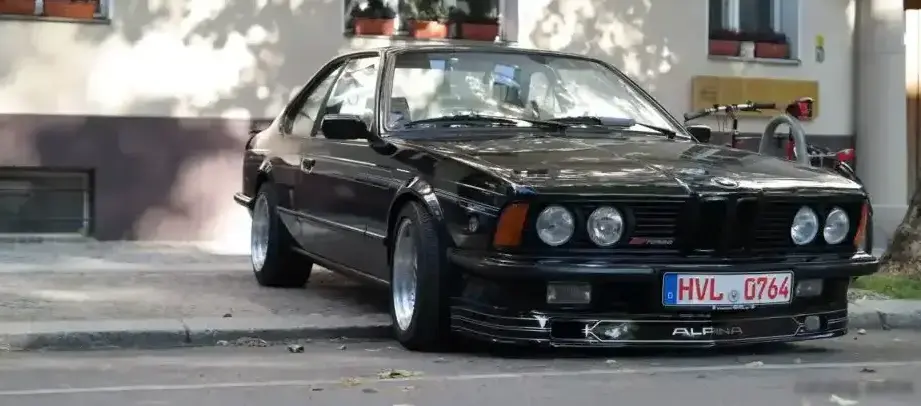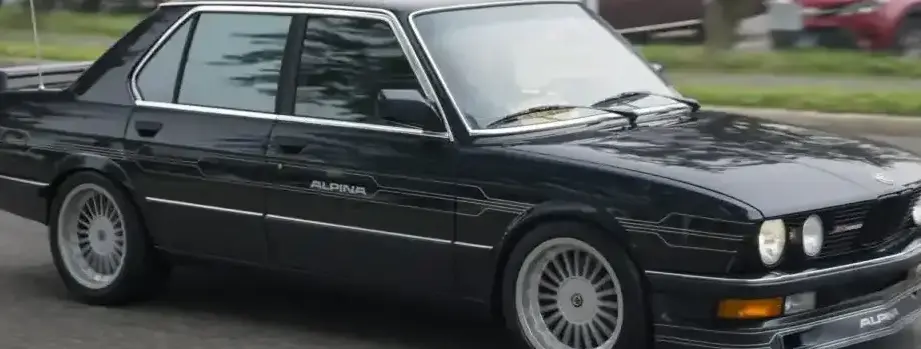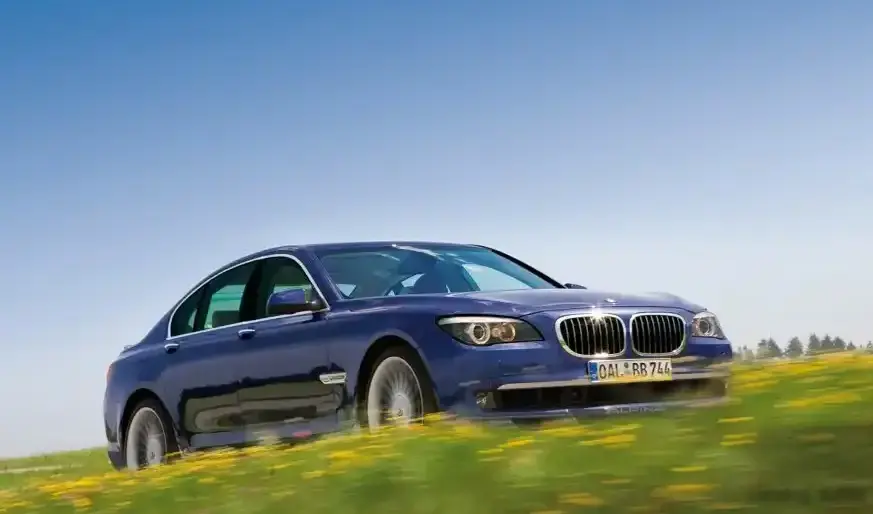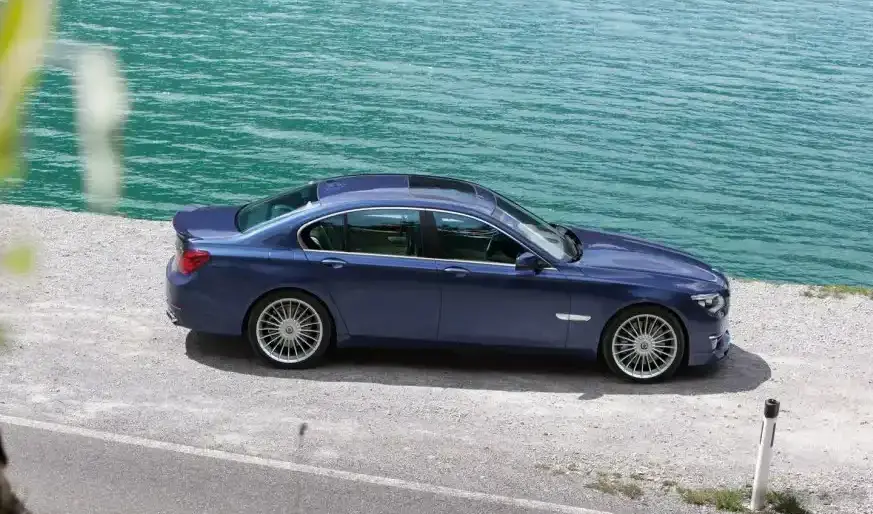
The Alpina B7 (F02) 4.4 V8 Biturbo, produced between 2013 and 2015, represents a high-performance iteration of the BMW 7 Series (F02) sedan. Alpina, a renowned German automotive engineering company, independently refined the 7 Series, focusing on enhanced power, dynamic handling, and a more exclusive driving experience. This model occupied the very top tier of the 7 Series lineup, positioned above even the BMW 760Li, and catered to buyers seeking a unique blend of luxury and outright performance. The F02 B7 was based on the long-wheelbase 7 Series, offering increased rear passenger space, and was primarily sold in European and Asian markets, with limited availability in the United States.
Technical Specifications
| Brand | Alpina |
| Model | B7 |
| Generation | B7 (F02) |
| Type (Engine) | 4.4 V8 (540 Hp) BITURBO |
| Start of production | 2013 |
| End of production | 2015 |
| Powertrain Architecture | Internal Combustion engine |
| Body type | Sedan |
| Seats | 5 |
| Doors | 4 |
| Fuel consumption (economy) – urban | 13.5 l/100 km (17.4 US mpg, 20.9 UK mpg, 7.4 km/l) |
| Fuel consumption (economy) – extra urban | 7.8 l/100 km (30.2 US mpg, 36.2 UK mpg, 12.8 km/l) |
| Fuel consumption (economy) – combined | 9.9 l/100 km (23.8 US mpg, 28.5 UK mpg, 10.1 km/l) |
| Fuel Type | Petrol (Gasoline) |
| Acceleration 0 – 100 km/h | 4.7 sec |
| Acceleration 0 – 62 mph | 4.7 sec |
| Acceleration 0 – 60 mph | 4.5 sec |
| Maximum speed | 312 km/h (193.87 mph) |
| Emission standard | Euro 5 |
| Weight-to-power ratio | 3.8 kg/Hp, 260.9 Hp/tonne |
| Weight-to-torque ratio | 2.8 kg/Nm, 352.7 Nm/tonne |
| Power | 540 Hp @ 5200-6250 rpm |
| Power per litre | 122.9 Hp/l |
| Torque | 730 Nm @ 2800-5000 rpm (538.42 lb.-ft. @ 2800-5000 rpm) |
| Engine layout | Front, Longitudinal |
| Engine displacement | 4395 cm3 (268.2 cu. in.) |
| Number of cylinders | 8 |
| Engine configuration | V-engine |
| Cylinder Bore | 89 mm (3.5 in.) |
| Piston Stroke | 88.3 mm (3.48 in.) |
| Compression ratio | 10:1 |
| Fuel injection system | Direct injection |
| Engine aspiration | Twin-Turbo, Intercooler |
| Kerb Weight | 2070 kg (4563.57 lbs.) |
| Max. weight | 2690 kg (5930.43 lbs.) |
| Max load | 620 kg (1366.87 lbs.) |
| Trunk (boot) space – minimum | 500 l (17.66 cu. ft.) |
| Fuel tank capacity | 80 l (21.13 US gal | 17.6 UK gal) |
| Length | 5232 mm (205.98 in.) |
| Width | 1902 mm (74.88 in.) |
| Height | 1484 mm (58.43 in.) |
| Wheelbase | 3210 mm (126.38 in.) |
| Front track | 1621 mm (63.82 in.) |
| Rear (Back) track | 1628 mm (64.09 in.) |
| Drivetrain Architecture | The Internal combustion engine (ICE) drives the rear wheels of the vehicle. |
| Drive wheel | Rear wheel drive |
| Number of gears and type of gearbox | 8 gears, automatic transmission |
Powertrain & Engine Architecture
At the heart of the B7 (F02) lies a heavily modified version of BMW’s N63 4.4-liter twin-turbocharged V8 engine. Alpina engineers significantly upgraded the engine, increasing boost pressure and recalibrating the engine management system to produce 540 horsepower and 730 Nm (538 lb-ft) of torque. The engine utilizes direct fuel injection and double-VANOS variable valve timing, contributing to both power and efficiency. The twin-turbochargers, positioned within the V of the engine, minimize turbo lag and provide a broad, flat torque curve. The engine is longitudinally mounted at the front of the vehicle. The B7 exclusively employed an 8-speed automatic transmission, also sourced from BMW, but with Alpina-specific software tuning for quicker shifts and more responsive performance. This transmission was known for its smoothness and ability to handle the engine’s substantial torque output.
Driving Characteristics
The Alpina B7 offered a distinctly different driving experience compared to the standard BMW 7 Series. While the 7 Series prioritized comfort and refinement, the B7 emphasized performance and driver engagement. The increased power and torque resulted in exhilarating acceleration, with 0-60 mph times consistently around 4.5 seconds. The 8-speed automatic transmission, while smooth, provided surprisingly quick gear changes, especially in Sport mode. The suspension was also tuned by Alpina, offering a firmer ride than the standard 7 Series, but without sacrificing overall comfort. The steering was precise and well-weighted, providing excellent feedback to the driver. Compared to other 7 Series variants, such as the 750i, the B7 offered a more aggressive and sporty driving experience, while still maintaining a high level of luxury.
Equipment & Trim Levels
The Alpina B7 came exceptionally well-equipped as standard. Interior appointments included exclusive Alpina leather upholstery, wood trim with Alpina badging, and unique instrument cluster graphics. Standard features also included a premium sound system, navigation system, heated and ventilated front seats, and a panoramic sunroof. Alpina offered a range of bespoke customization options, allowing customers to personalize their B7 with unique interior and exterior finishes. Optional extras included rear-seat entertainment, massaging seats, and a variety of exterior styling enhancements. The interior generally featured a more understated elegance than some of its competitors, focusing on high-quality materials and craftsmanship.
Chassis & Braking
The B7’s chassis was based on the BMW 7 Series, but with several Alpina-specific modifications. The suspension was retuned with stiffer springs and dampers, and a thicker stabilizer bar was fitted to reduce body roll. The braking system was upgraded with larger rotors and calipers, providing improved stopping power. The B7 featured a rear-wheel-drive layout. Tire sizes were typically 245/35 ZR21 at the front and 285/30 ZR21 at the rear, mounted on distinctive Alpina alloy wheels (8.5J x 21 front, 10J x 21 rear). These larger wheels and tires contributed to both the car’s handling and its aggressive appearance.
Market Reception & Comparison
The Alpina B7 (F02) was generally well-received by automotive critics. Reviewers praised its combination of luxury, performance, and exclusivity. The car was often compared to other high-performance luxury sedans, such as the Porsche Panamera and the Mercedes-Benz S63 AMG. While the B7 offered similar levels of performance to these competitors, it distinguished itself with its more understated styling and its focus on a refined driving experience. Fuel economy, while not a primary concern for buyers in this segment, was respectable for a vehicle of its size and performance, averaging around 23.8 US mpg combined. Reliability was generally good, although the complex twin-turbocharged engine required regular maintenance.
Legacy
The Alpina B7 (F02) remains a sought-after vehicle in the used car market. Its combination of performance, luxury, and exclusivity has made it a favorite among enthusiasts. The 4.4-liter twin-turbocharged V8 engine has proven to be relatively reliable, although regular maintenance is essential. Parts availability is generally good, as the engine and many other components are shared with BMW models. The F02 B7 represents a high point in Alpina’s history, showcasing the company’s ability to create truly exceptional automobiles that blend performance and luxury in a unique and compelling way. It continues to be appreciated for its distinctive character and its ability to deliver a thrilling driving experience.