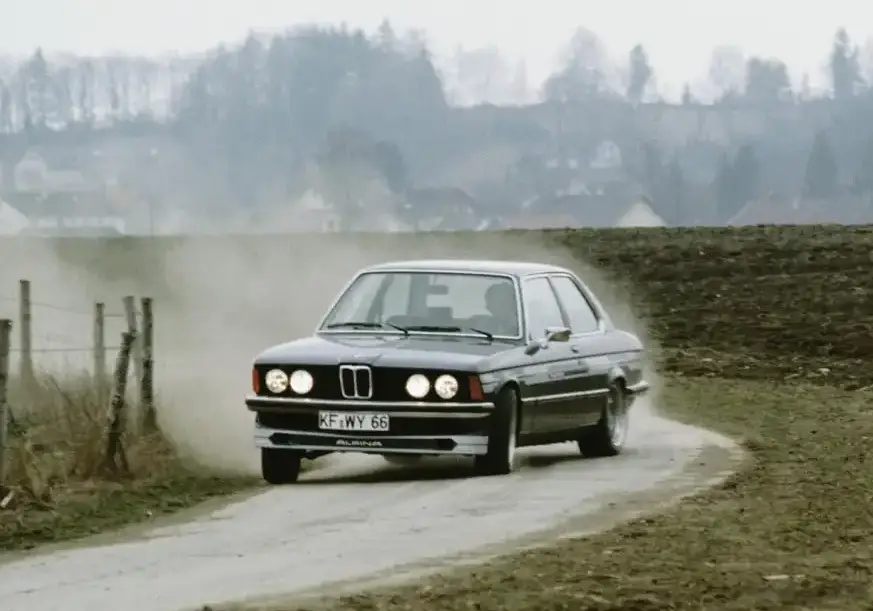
The Alpina C1 (E30) 2.3, produced between 1983 and 1985, represents a unique and relatively rare iteration of the iconic BMW E30 3-Series. Alpina, a renowned German automotive engineering firm, specialized in high-performance modifications and limited-production vehicles based on BMW platforms. The C1 was Alpina’s entry-level offering in the E30 range, positioned below the more potent C2 and C3 models. It aimed to deliver a refined, sporting experience with a focus on usability and understated performance, appealing to buyers seeking a step above the standard 3-Series without the outright aggression of its higher-numbered siblings. The C1 was primarily sold in the European market, with limited examples finding their way to North America through grey market importers.
Technical Specifications
| Brand | Alpina |
| Model | C1 |
| Generation | C1 (E30) |
| Type (Engine) | 2.3 (170 Hp) |
| Start of production | 1983 |
| End of production | 1985 |
| Powertrain Architecture | Internal Combustion engine |
| Body type | Sedan |
| Fuel consumption (urban) | 13.9 l/100 km (16.9 US mpg, 20.3 UK mpg, 7.2 km/l) |
| Fuel consumption (extra urban) | 7.1 l/100 km (33.1 US mpg, 39.8 UK mpg, 14.1 km/l) |
| Fuel consumption (combined) | 9.1 l/100 km (25.8 US mpg, 31 UK mpg, 11 km/l) |
| Fuel Type | Petrol (Gasoline) |
| Acceleration 0 – 100 km/h | 7.8 sec |
| Acceleration 0 – 62 mph | 7.8 sec |
| Acceleration 0 – 60 mph | 7.4 sec |
| Maximum speed | 213 km/h (132.35 mph) |
| Power | 170 Hp |
| Power per litre | 73.4 Hp/l |
| Torque | 225 Nm (165.95 lb.-ft.) |
| Engine Model/Code | C1/1 |
| Engine displacement | 2316 cm3 (141.33 cu. in.) |
| Number of cylinders | 6 |
| Engine aspiration | Naturally aspirated engine |
| Drivetrain Architecture | Rear wheel drive |
Powertrain & Engine Architecture
The heart of the Alpina C1 is its 2.3-liter inline-six cylinder engine, designated the C1/1. This engine is based on the BMW M20B23 block, but extensively modified by Alpina. Key enhancements included a high-compression cylinder head, optimized intake and exhaust manifolds, and a specially tuned Bosch Motronic fuel injection system. Alpina’s modifications resulted in an output of 170 horsepower and 225 Nm (165.95 lb-ft) of torque. The engine featured a single overhead camshaft (SOHC) valvetrain, a characteristic of the M20 series. The C1 exclusively utilized a four-speed automatic transmission, a conscious decision by Alpina to prioritize comfort and ease of use over outright performance. This transmission was a ZF 4HP22 unit, known for its smoothness and reliability. While a five-speed manual transmission was available on other E30 models, Alpina did not offer it with the C1, believing the automatic better suited the car’s intended grand touring character.
Driving Characteristics
The Alpina C1 2.3 Automatic delivers a distinctly different driving experience compared to its manual-transmission counterparts or the more powerful C2 and C3 models. The automatic transmission, while smooth, does result in some power loss and a less engaging driving feel. Gear ratios are optimized for comfortable cruising, with a focus on relaxed acceleration rather than rapid shifts. The C1 feels brisk and capable, achieving 0-60 mph in approximately 7.4 seconds, but lacks the urgency of the manual versions. The engine’s torque curve is relatively flat, providing usable power throughout the rev range. The suspension, while based on the standard E30 setup, benefits from Alpina’s tuning, resulting in a slightly softer and more compliant ride. Steering is precise and well-weighted, providing good feedback to the driver.
Equipment & Trim Levels
The Alpina C1 was relatively well-equipped for its time, though not as lavishly appointed as the higher-end C2 and C3 models. Standard features included power windows, central locking, and a sunroof. Interior upholstery typically consisted of high-quality cloth or leather, with Alpina-specific trim details such as unique wood veneer and badging. The dashboard layout mirrored that of the standard E30, but with Alpina-branded gauges and instrumentation. Optional extras included air conditioning, a premium sound system, and heated seats. Alpina offered a range of exterior color options, but the C1 was often finished in understated shades such as silver or dark blue.
Chassis & Braking
The C1’s chassis largely mirrored that of the standard E30 3-Series sedan. It utilized a MacPherson strut front suspension and a semi-trailing arm rear suspension. However, Alpina made subtle modifications to the suspension geometry and spring rates to improve handling and ride comfort. Braking duties were handled by disc brakes on all four wheels, although some early models may have featured drum brakes on the rear. The braking system was upgraded with larger calipers and rotors compared to the base E30, providing improved stopping power. Anti-lock braking system (ABS) was available as an option.
Market Reception & Comparison
The Alpina C1 was generally well-received by automotive critics, who praised its refined driving experience and understated elegance. It was seen as a compelling alternative to the standard E30, offering a step up in performance and luxury without the ostentatiousness of some of its rivals. Compared to the E30 323i, the C1 offered a more refined engine and a more comfortable ride. However, the automatic transmission was a point of contention for some reviewers, who preferred the engagement of a manual gearbox. Fuel economy was reasonable for the time, averaging around 25.8 US mpg in combined driving. Reliability was generally good, although the Alpina-modified engine required more frequent maintenance than the standard BMW unit.
Legacy
Today, the Alpina C1 (E30) 2.3 is a sought-after classic car, particularly among BMW enthusiasts. Its rarity and unique character make it a desirable collector’s item. The C1/1 engine, while not as powerful as some of its contemporaries, is known for its durability and smooth operation. The automatic transmission, while not ideal for performance enthusiasts, remains reliable and provides a comfortable driving experience. Well-maintained examples command a premium in the used car market, reflecting their historical significance and enduring appeal. The Alpina C1 represents a fascinating chapter in the history of BMW tuning, showcasing Alpina’s ability to create refined and engaging automobiles based on the already excellent E30 platform.