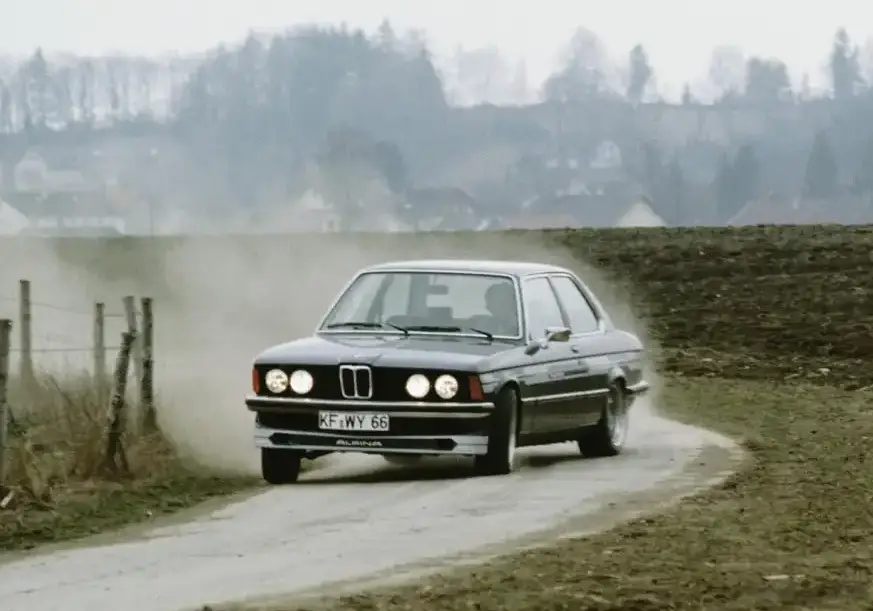
The Alpina C1 2.5, produced between 1986 and 1988, represents a unique and relatively rare iteration of the E30 3-Series. Built by Alpina, a renowned German automotive engineering company specializing in high-performance BMWs, the C1 2.5 occupied a specific niche – a refined, high-speed touring sedan offering a blend of luxury and performance. It wasn’t a direct competitor to the M3, but rather a more comfortable and sophisticated alternative, aimed at drivers who desired a powerful BMW without the track-focused nature of the M-car. The C1 was based on the standard E30 3-Series sedan (chassis code E30), but extensively modified by Alpina to deliver a significantly enhanced driving experience. Approximately 200 examples were produced, making it one of the less common Alpina models.
Technical Specifications
| Brand | Alpina |
| Model | C1 |
| Generation | C1 (E30) |
| Type (Engine) | 2.5 (190 Hp) |
| Start of production | 1986 |
| End of production | 1988 |
| Powertrain Architecture | Internal Combustion engine |
| Body type | Sedan |
| Fuel Type | Petrol (Gasoline) |
| Power | 190 Hp |
| Engine aspiration | Naturally aspirated engine |
Powertrain & Engine Architecture
The heart of the Alpina C1 2.5 is its 2.5-liter inline-six cylinder engine, based on the BMW M20 block. However, Alpina didn’t simply drop a larger engine into the E30. The engine, internally designated as the B6 2.5, underwent significant modifications. Alpina increased the bore to 84mm and retained the standard 75mm stroke, resulting in a displacement of 2494cc. High-compression pistons (10.5:1 compression ratio) were fitted, along with a specially designed Alpina cylinder head featuring optimized porting and larger valves. A lightweight flywheel and a high-performance camshaft further enhanced the engine’s responsiveness. The intake manifold was also unique to Alpina, contributing to improved airflow. Fuel delivery was managed by Bosch Motronic fuel injection. The engine produced 190 horsepower at 6000 rpm and 220 lb-ft of torque at 4500 rpm. The C1 2.5 was exclusively offered with a 5-speed manual transmission, a Getrag 265, known for its robustness and precise shift feel. Alpina also modified the exhaust system, featuring a stainless steel exhaust with a distinctive sound.
Driving Characteristics
The Alpina C1 2.5 offered a markedly different driving experience compared to the standard E30 3-Series or even the M3. While the M3 prioritized razor-sharp handling and track performance, the C1 2.5 focused on providing a smooth, powerful, and refined grand touring experience. The increased displacement and torque of the 2.5-liter engine provided strong acceleration across the rev range, making it effortless for highway cruising and overtaking. The 5-speed manual transmission allowed for precise control, and the gear ratios were chosen to balance acceleration and fuel economy. The suspension was also modified by Alpina, featuring stiffer springs and dampers, along with a larger diameter stabilizer bar, to reduce body roll and improve handling. However, the suspension setup was not as harsh as the M3’s, prioritizing ride comfort. The C1 2.5 felt planted and stable at high speeds, offering a confident and composed driving experience. Steering was precise and well-weighted, providing good feedback to the driver.
Equipment & Trim Levels
The Alpina C1 2.5 was exceptionally well-equipped, reflecting its positioning as a luxury performance sedan. Standard features included leather upholstery, power windows, power locks, and a sunroof. Alpina also added several unique touches, such as a special Alpina steering wheel, Alpina-branded gauges, and a stainless steel exhaust. The interior trim was typically finished in wood veneer, adding to the car’s luxurious ambiance. Optional extras included air conditioning, a premium sound system, and heated front seats. Alpina offered a range of exterior color options, and the cars were often finished in understated colors such as silver, black, or dark blue. The exterior was distinguished by Alpina-specific front and rear spoilers, side skirts, and a unique set of Alpina wheels – typically 16-inch alloy wheels with a distinctive design.
Chassis & Braking
The chassis of the C1 2.5 was largely based on the standard E30 3-Series, but with several key modifications. As mentioned previously, the suspension was upgraded with stiffer springs and dampers, and a larger stabilizer bar. Alpina also reinforced the chassis to handle the increased power and torque of the 2.5-liter engine. The braking system was also upgraded, featuring larger brake discs and calipers compared to the standard E30. The front brakes were vented discs, while the rear brakes were solid discs. Anti-lock braking system (ABS) was standard equipment, providing enhanced stopping power and stability. The tires were typically high-performance radial tires, chosen to provide good grip and handling.
Market Reception & Comparison
The Alpina C1 2.5 was generally well-received by automotive critics. It was praised for its smooth and powerful engine, refined handling, and luxurious interior. Critics noted that it offered a compelling alternative to the BMW M3, particularly for drivers who prioritized comfort and refinement over outright track performance. Compared to the M3, the C1 2.5 was considered to be more comfortable and easier to drive on a daily basis. However, it didn’t offer the same level of handling precision or track capability as the M3. Fuel economy was reasonable for a high-performance car of its era, averaging around 20-22 mpg in mixed driving. Reliability was generally good, although the Alpina-modified engine required more frequent maintenance than the standard BMW engines. The C1 2.5 was significantly more expensive than the standard E30 3-Series, reflecting its exclusivity and the extensive modifications performed by Alpina.
Legacy
The Alpina C1 2.5 remains a highly sought-after classic car today. Its rarity, combined with its unique blend of performance and luxury, has made it a favorite among collectors and enthusiasts. The 2.5-liter engine is known for its durability and reliability, provided it is properly maintained. However, finding parts for the Alpina-specific components can be challenging. The C1 2.5 represents a significant chapter in Alpina’s history, showcasing the company’s ability to create unique and compelling BMW-based vehicles. Values for well-maintained examples have been steadily increasing in recent years, reflecting the growing demand for classic Alpina models. It stands as a testament to a time when automotive engineering focused on creating refined, high-performance vehicles that offered a truly special driving experience.