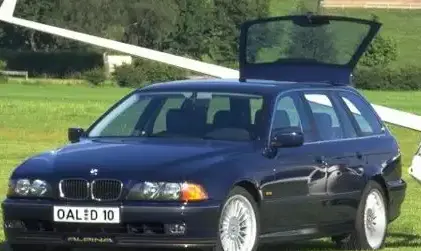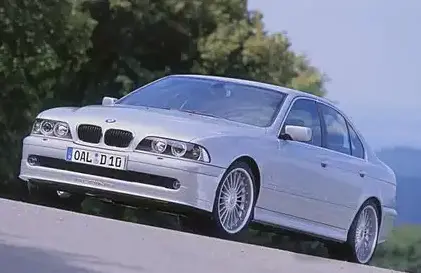
The Alpina D10, based on the BMW E39 5 Series, represented a unique offering in the high-performance diesel sedan market from 1999 to 2003. Alpina, a renowned German automotive engineering company, took the already capable E39 chassis and elevated it with a potent 2.9-liter biturbo diesel engine. This model filled a niche for drivers seeking a blend of luxury, performance, and fuel efficiency not typically found in gasoline-powered counterparts. The D10 was never officially sold in the United States, making it a relatively rare and sought-after vehicle among enthusiasts.
Technical Specifications
| Brand | Alpina |
| Model | D10 |
| Generation | D10 (E39) |
| Type (Engine) | 2.9 D Biturbo (245 Hp) |
| Start of production | 1999 |
| End of production | 2003 |
| Powertrain Architecture | Internal Combustion engine |
| Body type | Sedan |
| Seats | 5 |
| Doors | 4 |
| Fuel consumption (urban) | 9.9 l/100 km (23.8 US mpg) |
| Fuel consumption (extra urban) | 6.1 l/100 km (38.6 US mpg) |
| Fuel consumption (combined) | 7.7 l/100 km (30.5 US mpg) |
| Fuel Type | Diesel |
| Acceleration 0 – 100 km/h | 7.2 sec |
| Acceleration 0 – 62 mph | 7.2 sec |
| Acceleration 0 – 60 mph | 6.8 sec |
| Maximum speed | 254 km/h (157.83 mph) |
| Weight-to-power ratio | 6.6 kg/Hp |
| Weight-to-torque ratio | 3.3 kg/Nm |
| Power | 245 Hp @ 3500 rpm |
| Power per litre | 83.7 Hp/l |
| Torque | 500 Nm @ 1800 rpm (368.78 lb.-ft. @ 1800 rpm) |
| Engine layout | Front, Longitudinal |
| Engine displacement | 2926 cm3 (178.56 cu. in.) |
| Number of cylinders | 6 |
| Engine configuration | Inline |
| Cylinder Bore | 84 mm (3.31 in.) |
| Piston Stroke | 88 mm (3.46 in.) |
| Compression ratio | 16:1 |
| Number of valves per cylinder | 4 |
| Fuel injection system | Diesel Commonrail |
| Engine aspiration | Turbocharger |
| Valvetrain | DOHC |
| Kerb Weight | 1625 kg (3582.51 lbs.) |
| Max. weight | 2170 kg (4784.03 lbs.) |
| Max load | 545 kg (1201.52 lbs.) |
| Trunk (boot) space – minimum | 460 l (16.24 cu. ft.) |
| Fuel tank capacity | 70 l (18.49 US gal | 15.4 UK gal) |
| Length | 4775 mm (187.99 in.) |
| Width | 1800 mm (70.87 in.) |
| Height | 1415 mm (55.71 in.) |
| Wheelbase | 2830 mm (111.42 in.) |
| Front track | 1512 mm (59.53 in.) |
| Rear (Back) track | 1518 mm (59.76 in.) |
| Drivetrain Architecture | Rear wheel drive |
| Drive wheel | Rear wheel drive |
| Number of gears and type of gearbox | 6 gears, manual transmission |
| Front suspension | Wishbone |
| Rear suspension | Coil spring |
| Front brakes | Ventilated discs |
| Rear brakes | Ventilated discs |
| Assisting systems | ABS (Anti-lock braking system) |
| Steering type | Steering rack and pinion |
| Power steering | Hydraulic Steering |
| Tires size | 235/40 ZR 18; 265/35 ZR 18 |
INTRODUCTION
The Alpina D10, produced between 1999 and 2003, was a high-performance diesel variant of the BMW E39 5 Series. Alpina, independent of BMW but working closely with the manufacturer, developed the D10 to offer a unique blend of performance and efficiency. It was positioned as a premium alternative to standard E39 models, appealing to buyers who desired a sophisticated and powerful diesel sedan. The D10 utilized a heavily modified BMW engine and chassis, incorporating Alpina’s signature touches in styling and engineering. It was available exclusively as a sedan, offering a luxurious and refined driving experience.
Powertrain & Engine Architecture
The heart of the D10 is its 2.9-liter inline-six cylinder diesel engine, designated as the Alpina D10 engine. While based on a BMW diesel block, it received significant modifications by Alpina, most notably the addition of two variable geometry turbochargers (biturbo). This configuration dramatically increased power output and torque compared to the standard BMW diesel engines of the time. The engine employed a Bosch common rail direct injection system, delivering precise fuel metering for optimal combustion. The DOHC valvetrain, with four valves per cylinder, further enhanced engine breathing and efficiency. The engine code is not as widely documented as BMW’s own, but it represents a substantial departure from standard BMW diesel technology. The six-speed manual transmission was the only gearbox option, providing drivers with full control over the engine’s power.
Driving Characteristics
The D10’s driving experience was characterized by a strong surge of torque available from very low engine speeds. The biturbo system minimized turbo lag, providing responsive acceleration in almost any gear. The 500 Nm (368.78 lb-ft) of torque at just 1800 rpm allowed for effortless cruising and brisk overtaking. While not as outright quick as the E39’s gasoline-powered M5, the D10 offered a different kind of performance – one focused on usability and effortless power delivery. The six-speed manual transmission was well-matched to the engine’s characteristics, allowing drivers to keep the engine in its optimal power band. Compared to the standard E39 diesel models, the D10 felt significantly more refined and powerful, offering a more engaging driving experience. The manual transmission, while offering more driver involvement, wasn’t as common in the luxury sedan segment at the time, setting the D10 apart.
Equipment & Trim Levels
The Alpina D10 was generously equipped, reflecting its premium positioning. Standard features included leather upholstery, wood trim, automatic climate control, and a high-end audio system. Alpina-specific touches were evident throughout the interior, including unique instrument cluster graphics, a bespoke steering wheel, and Alpina-branded badging. Optional extras included a sunroof, navigation system, and upgraded sound systems. The interior was designed to provide a luxurious and comfortable environment for both driver and passengers. Exterior styling cues included Alpina’s signature front spoiler, rear spoiler, and unique alloy wheels, differentiating it from standard E39 models.
Chassis & Braking
The D10 utilized the standard E39 5 Series chassis, but with Alpina-specific modifications to the suspension. The suspension was tuned to provide a balance between comfort and handling, offering a more controlled and responsive driving experience than the standard E39. The D10 featured ventilated disc brakes on all four wheels, providing ample stopping power. ABS (Anti-lock braking system) was standard. The suspension setup was designed to handle the increased torque output of the engine and provide a stable and predictable ride. While the standard E39 models often featured rear drum brakes on lower trims, the D10 consistently came equipped with four-wheel disc brakes.
Market Reception & Comparison
The Alpina D10 was generally well-received by automotive critics, who praised its unique combination of performance, efficiency, and luxury. It was seen as a compelling alternative to traditional gasoline-powered performance sedans. Compared to other E39 variants, the D10 offered superior fuel economy and a broader torque curve. However, its higher price tag and limited availability meant it wasn’t a mainstream choice. The D10’s fuel economy of around 30.5 US mpg combined was significantly better than that of the E39 M5. Reliability was generally good, although the complex biturbo system required careful maintenance.
Legacy
The Alpina D10 remains a relatively rare and collectible vehicle today. Its unique powertrain and limited production numbers have made it a sought-after model among enthusiasts. The 2.9-liter biturbo diesel engine proved to be a robust and reliable unit when properly maintained. In the used car market, D10s command a premium price compared to standard E39 models. The D10 represents a fascinating chapter in automotive history, showcasing Alpina’s ability to create unique and high-performance vehicles based on existing platforms. Its legacy continues to inspire enthusiasts who appreciate the blend of luxury, performance, and efficiency that it offered.