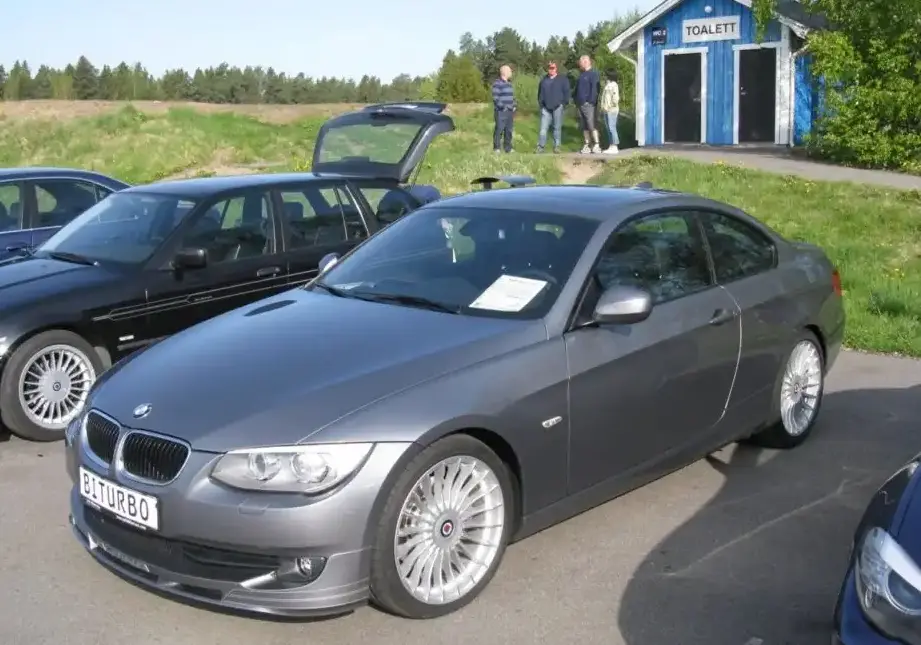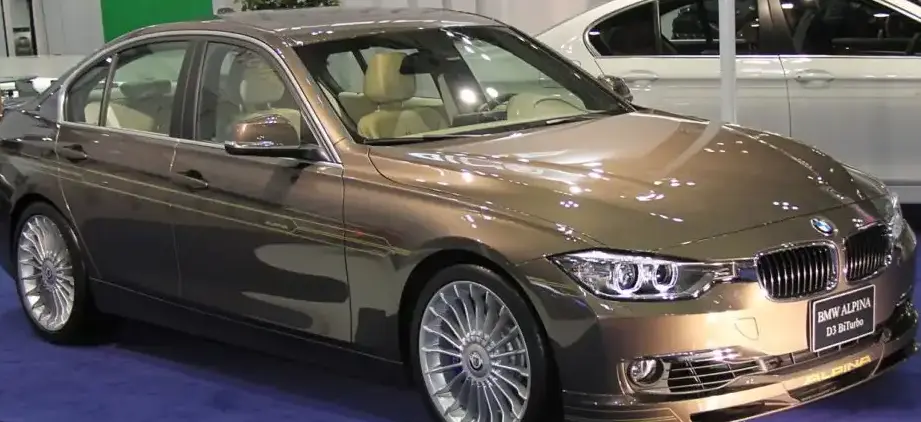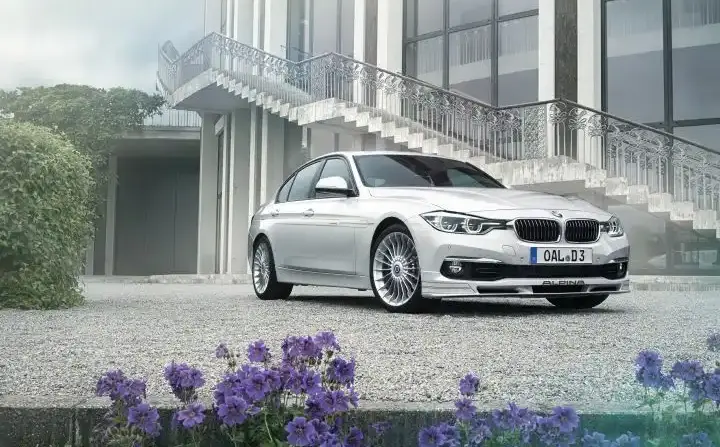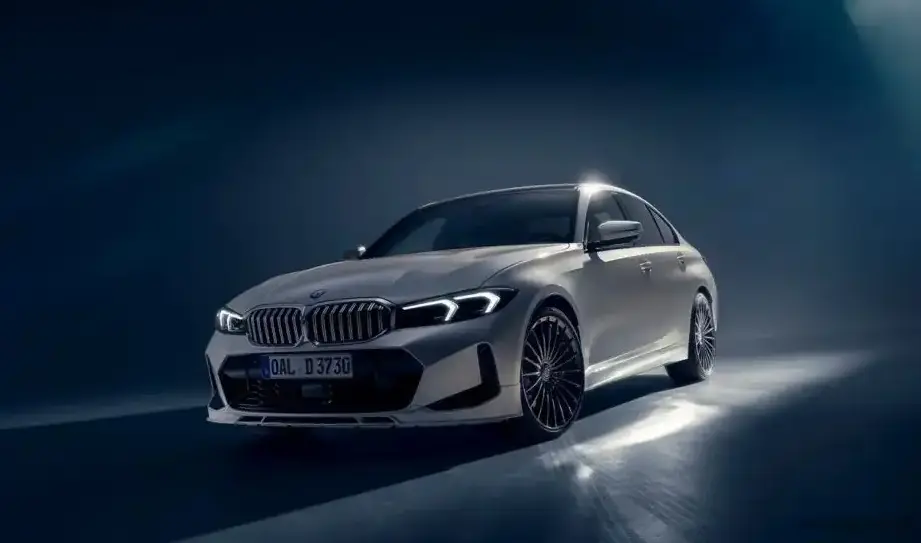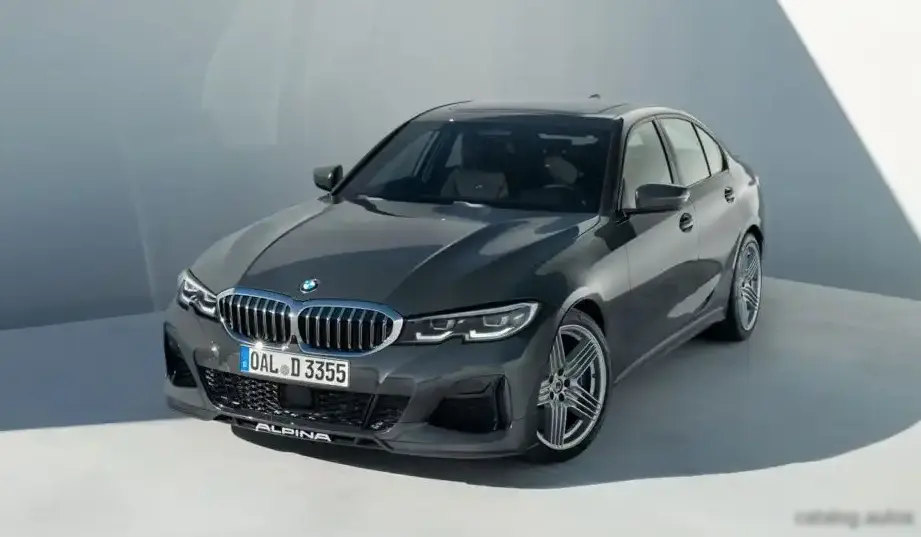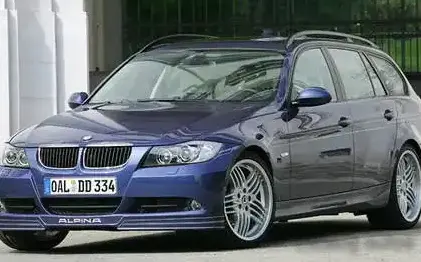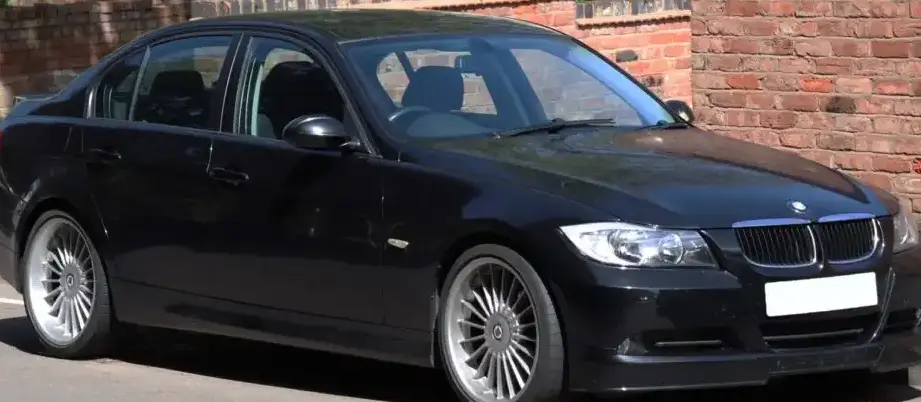
The Alpina D3 (E90), produced between 2008 and 2013, represents a unique offering in the high-performance diesel sedan market. Based on the BMW 3 Series (E90) chassis, the D3 was meticulously engineered by Alpina to deliver a blend of luxury, performance, and fuel efficiency. This variant, powered by a 2.0-liter bi-turbo diesel engine producing 214 horsepower and paired with Alpina’s Switch-Tronic six-speed automatic transmission, occupied a middle ground within the D3 lineup, offering a compelling alternative to the more powerful gasoline-fueled models and the higher-output diesel versions.
Technical Specifications
| Brand | Alpina |
| Model | D3 |
| Generation | D3 (E90) |
| Type (Engine) | 2.0 Bi-Turbo Diesel (214 Hp) Switch-Tronic |
| Start of production | 2008 |
| End of production | 2013 |
| Powertrain Architecture | Internal Combustion engine |
| Body type | Sedan |
| Seats | 5 |
| Doors | 4 |
| Fuel consumption (economy) – urban (NEDC) | 8.2 l/100 km (28.7 US mpg, 34.4 UK mpg, 12.2 km/l) |
| Fuel consumption (economy) – extra urban (NEDC) | 4.8 l/100 km (49 US mpg, 58.9 UK mpg, 20.8 km/l) |
| Fuel consumption (economy) – combined (NEDC) | 6.0 l/100 km (39.2 US mpg, 47.1 UK mpg, 16.7 km/l) |
| CO2 emissions (NEDC) | 159 g/km |
| Fuel Type | Diesel |
| Acceleration 0 – 100 km/h | 6.9 sec |
| Acceleration 0 – 62 mph | 6.9 sec |
| Acceleration 0 – 60 mph | 6.6 sec |
| Maximum speed | 244 km/h (151.61 mph) |
| Emission standard | Euro 5 |
| Weight-to-power ratio | 7 kg/Hp, 143.6 Hp/tonne |
| Weight-to-torque ratio | 3.3 kg/Nm, 302 Nm/tonne |
| Power | 214 Hp @ 4100 rpm |
| Power per litre | 107.3 Hp/l |
| Torque | 450 Nm @ 2000 rpm (331.9 lb.-ft. @ 2000 rpm) |
| Engine layout | Front, Longitudinal |
| Engine Model/Code | Alpina N1 |
| Engine displacement | 1995 cm3 (121.74 cu. in.) |
| Number of cylinders | 4 |
| Engine configuration | Inline |
| Cylinder Bore | 84 mm (3.31 in.) |
| Piston Stroke | 90 mm (3.54 in.) |
| Compression ratio | 17:1 |
| Number of valves per cylinder | 4 |
| Fuel injection system | Diesel Commonrail |
| Engine aspiration | BiTurbo, Intercooler |
| Valvetrain | DOHC |
| Engine systems | Particulate filter |
| Kerb Weight | 1490 kg (3284.89 lbs.) |
| Max. weight | 2010 kg (4431.29 lbs.) |
| Max load | 520 kg (1146.4 lbs.) |
| Trunk (boot) space – minimum | 450 l (15.89 cu. ft.) |
| Fuel tank capacity | 61 l (16.11 US gal | 13.42 UK gal) |
| Permitted trailer load with brakes (12%) | 1600 kg (3527.4 lbs.) |
| Permitted trailer load without brakes | 745 kg (1642.44 lbs.) |
| Length | 4545 mm (178.94 in.) |
| Width | 1817 mm (71.54 in.) |
| Height | 1413 mm (55.63 in.) |
| Wheelbase | 2760 mm (108.66 in.) |
| Front track | 1500 mm (59.06 in.) |
| Rear (Back) track | 1513 mm (59.57 in.) |
| Drivetrain Architecture | The Internal combustion engine (ICE) drives the rear wheels of the vehicle. |
| Drive wheel | Rear wheel drive |
| Number of gears and type of gearbox | 6 gears, automatic transmission |
| Front suspension | Spring Strut |
| Rear suspension | Coil spring |
| Front brakes | Ventilated discs, 375 mm |
| Rear brakes | Ventilated discs, 300 mm |
| Assisting systems | ABS (Anti-lock braking system) |
| Steering type | Steering rack and pinion |
| Power steering | Hydraulic Steering |
| Tires size | Front wheel tires: 245/40 R18 Rear wheel tires: 265/40 R18 |
| Wheel rims size | Front wheel rims: 8J x 18 Rear wheel rims: 9J x 18 |
Powertrain & Engine Architecture
At the heart of the D3 lies Alpina’s N1 engine, a highly modified version of the BMW N47 2.0-liter four-cylinder diesel. The key to its performance is the sequential twin-turbocharger system. A smaller turbocharger provides quick response at low engine speeds, minimizing turbo lag, while a larger turbocharger kicks in at higher RPMs to deliver substantial power. The engine utilizes a common rail direct injection system, operating at extremely high pressures to optimize fuel atomization and combustion efficiency. The DOHC valvetrain, with four valves per cylinder, further enhances breathing and power output. A particulate filter is standard, ensuring compliance with Euro 5 emission standards. The Switch-Tronic six-speed automatic transmission, developed in collaboration with ZF, is a crucial component. It offers both fully automatic operation and manual gear selection via steering wheel-mounted shift paddles, providing the driver with greater control.
Driving Characteristics
The 214 hp and 450 Nm (331.9 lb-ft) of torque delivered by the D3’s powertrain translate into brisk performance. Acceleration from 0 to 60 mph takes approximately 6.6 seconds, and the car can reach a top speed of 151.61 mph. While not as overtly aggressive as the gasoline-powered Alpina B3, the D3 offers a broad torque curve, providing strong acceleration in everyday driving situations. The Switch-Tronic transmission is well-programmed, offering smooth and quick shifts. Compared to the standard 320d EfficientDynamics, the D3 provides a noticeably more responsive and engaging driving experience, thanks to the enhanced turbocharging and transmission calibration. However, it doesn’t quite match the outright performance of the 335i or the more powerful D3 variants.
Equipment & Trim Levels
The Alpina D3 (E90) was generously equipped as standard. Interior features typically included leather upholstery, sports seats, Alpina-specific interior trim (often utilizing wood or carbon fiber), and a premium sound system. Standard exterior features included Alpina’s signature aerodynamic body kit, including a front spoiler, side skirts, and a rear spoiler. Unique Alpina 18-inch alloy wheels were also standard. Optional extras included a sunroof, navigation system, upgraded leather options, and various driver assistance systems. The D3 aimed for a balance between luxury and sportiness, offering a more refined experience than the base 3 Series models.
Chassis & Braking
The D3’s chassis builds upon the already capable BMW 3 Series platform. Alpina made subtle revisions to the suspension, including stiffer springs and dampers, to improve handling and reduce body roll. The front suspension utilizes MacPherson struts, while the rear features a multi-link setup. Braking performance is enhanced with larger, ventilated discs at all four corners (375mm front, 300mm rear). ABS (Anti-lock Braking System) is standard. The steering is a hydraulic rack-and-pinion system, providing precise and communicative feedback.
Market Reception & Comparison
The Alpina D3 (E90) was generally well-received by automotive critics. It was praised for its blend of performance, fuel efficiency, and luxury. The 2.0-liter bi-turbo diesel engine was lauded for its responsiveness and refinement. Compared to the 320d, the D3 offered a significant performance upgrade, while maintaining excellent fuel economy (around 39.2 US mpg combined). Compared to the more powerful 335i, the D3 provided a different character, with a focus on torque and efficiency rather than outright horsepower. The D3 also offered a unique alternative to other performance diesels, such as the Volkswagen Golf R diesel, providing a more luxurious and refined experience.
Legacy
The Alpina D3 (E90) 2.0 Bi-Turbo Diesel remains a desirable used car today. The N1 engine, while complex, has proven to be relatively reliable with proper maintenance. Common issues include turbocharger wear and potential problems with the diesel particulate filter, particularly on cars that have spent a lot of time in city driving. However, well-maintained examples can provide years of reliable service. The D3’s unique combination of performance, efficiency, and exclusivity has ensured its continued appeal among enthusiasts seeking a distinctive and rewarding driving experience. Its status as a niche vehicle means that parts availability can sometimes be a challenge, but a dedicated community of Alpina owners and specialists exists to provide support.