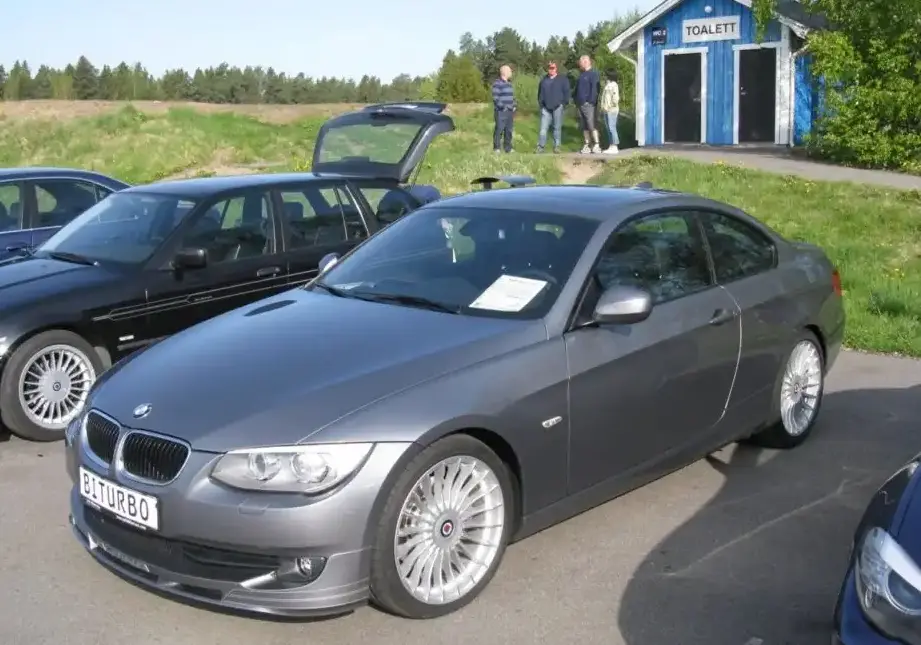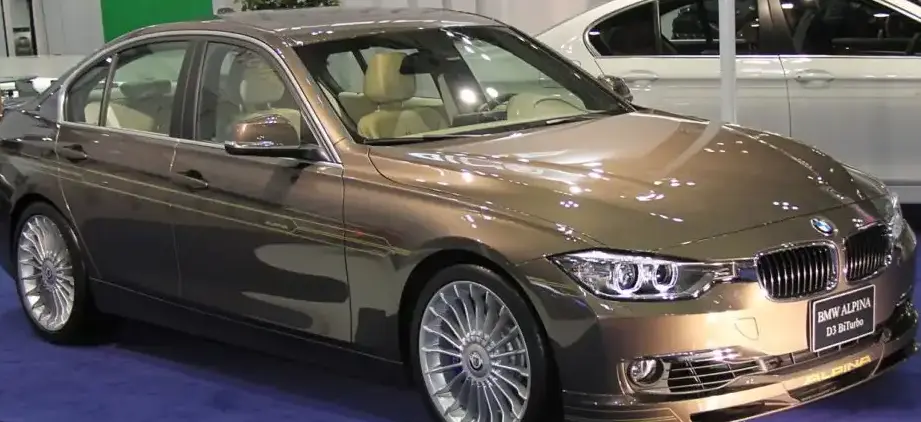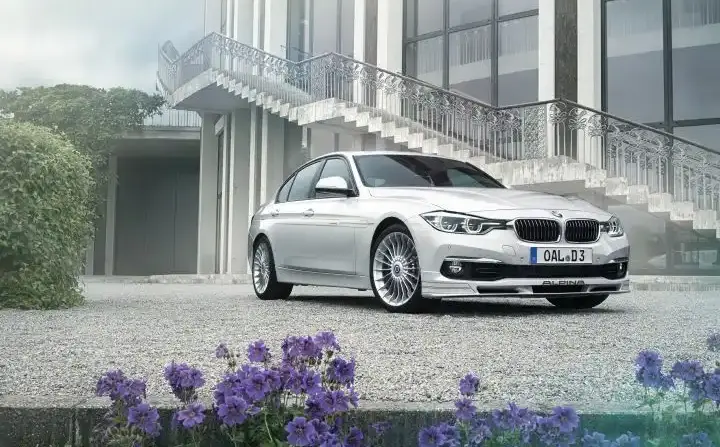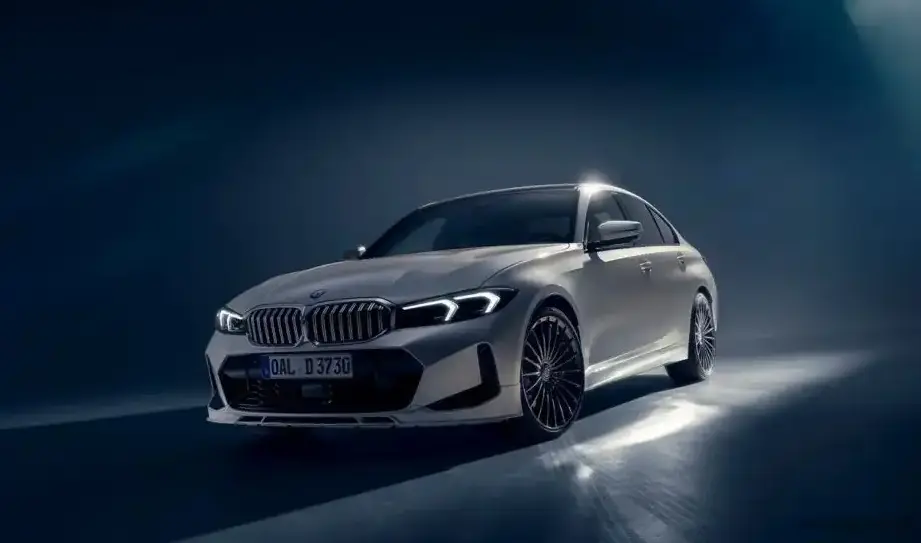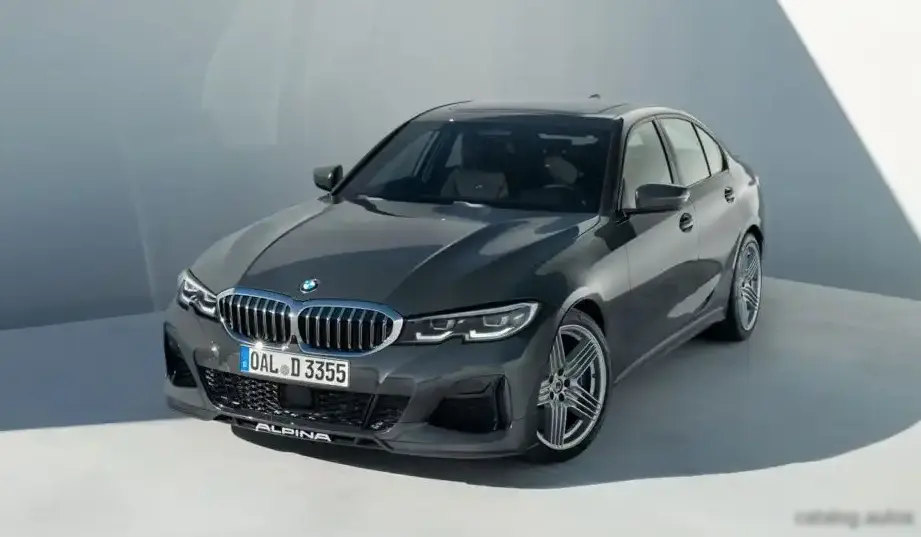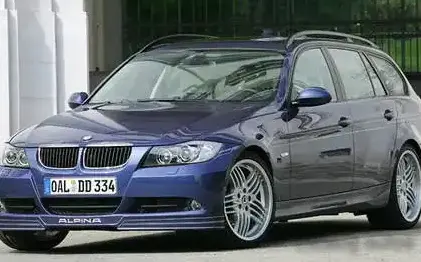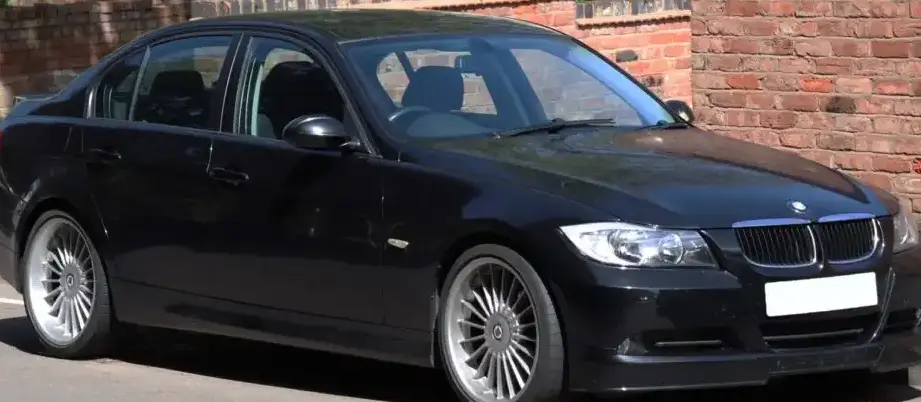
The Alpina D3 (E90) 2.0 Diesel, produced between 2005 and 2008, represents a unique offering from the Bavarian automaker. Based on the BMW E90 3-Series sedan, the D3 aimed to blend Alpina’s signature refinement and performance enhancements with the efficiency of a modern diesel engine. This variant, powered by a 2.0-liter turbocharged diesel engine producing 200 horsepower, occupied a specific niche within the D3 lineup, offering a balance between performance and fuel economy. It was positioned as a more economical alternative to the higher-output gasoline-powered D3 models, while still delivering a distinctly Alpina driving experience.
Technical Specifications
| Brand | Alpina |
| Model | D3 |
| Generation | D3 (E90) |
| Type (Engine) | 2.0 Diesel (200 Hp) |
| Start of production | 2005 |
| End of production | 2008 |
| Powertrain Architecture | Internal Combustion engine |
| Body type | Sedan |
| Seats | 5 |
| Doors | 4 |
| Fuel consumption (economy) – urban (NEDC) | 7.8 l/100 km (30.2 US mpg, 36.2 UK mpg, 12.8 km/l) |
| Fuel consumption (economy) – extra urban (NEDC) | 4.5 l/100 km (52.3 US mpg, 62.8 UK mpg, 22.2 km/l) |
| Fuel consumption (economy) – combined (NEDC) | 5.7 l/100 km (41.3 US mpg, 49.6 UK mpg, 17.5 km/l) |
| Fuel Type | Diesel |
| Acceleration 0 – 100 km/h | 7.4 sec |
| Acceleration 0 – 62 mph | 7.4 sec |
| Acceleration 0 – 60 mph | 7 sec |
| Maximum speed | 238 km/h (147.89 mph) |
| Emission standard | Euro 4 |
| Weight-to-power ratio | 7.3 kg/Hp, 137 Hp/tonne |
| Weight-to-torque ratio | 3.6 kg/Nm, 280.8 Nm/tonne |
| Power | 200 Hp @ 4000 rpm |
| Power per litre | 100.3 Hp/l |
| Torque | 410 Nm @ 2000 rpm (302.4 lb.-ft. @ 2000 rpm) |
| Engine layout | Front, Longitudinal |
| Engine Model/Code | Alpina L1 |
| Engine displacement | 1995 cm3 (121.74 cu. in.) |
| Number of cylinders | 4 |
| Engine configuration | Inline |
| Cylinder Bore | 84 mm (3.31 in.) |
| Piston Stroke | 90 mm (3.54 in.) |
| Compression ratio | 17:1 |
| Number of valves per cylinder | 4 |
| Fuel injection system | Diesel Commonrail |
| Engine aspiration | Turbocharger, Intercooler |
| Valvetrain | DOHC |
| Kerb Weight | 1460 kg (3218.75 lbs.) |
| Max. weight | 1980 kg (4365.15 lbs.) |
| Max load | 520 kg (1146.4 lbs.) |
| Trunk (boot) space – minimum | 450 l (15.89 cu. ft.) |
| Fuel tank capacity | 61 l (16.11 US gal | 13.42 UK gal) |
| Permitted trailer load with brakes (12%) | 1600 kg (3527.4 lbs.) |
| Permitted trailer load without brakes | 745 kg (1642.44 lbs.) |
| Length | 4545 mm (178.94 in.) |
| Width | 1817 mm (71.54 in.) |
| Height | 1413 mm (55.63 in.) |
| Wheelbase | 2760 mm (108.66 in.) |
| Front track | 1500 mm (59.06 in.) |
| Rear (Back) track | 1513 mm (59.57 in.) |
| Drivetrain Architecture | The Internal combustion engine (ICE) drives the rear wheels of the vehicle. |
| Drive wheel | Rear wheel drive |
| Number of gears and type of gearbox | 6 gears, manual transmission |
| Front suspension | Spring Strut |
| Rear suspension | Coil spring |
| Front brakes | Ventilated discs, 375 mm |
| Rear brakes | Ventilated discs, 300 mm |
| Assisting systems | ABS (Anti-lock braking system) |
| Steering type | Steering rack and pinion |
| Power steering | Hydraulic Steering |
| Tires size | Front wheel tires: 245/40 R18 Rear wheel tires: 265/40 R18 |
| Wheel rims size | Front wheel rims: 8J x 18 Rear wheel rims: 9J x 18 |
Powertrain & Engine Architecture
At the heart of the D3 2.0 Diesel lies the Alpina L1 engine, a heavily modified version of the BMW M47 series diesel engine. While retaining the basic inline-four cylinder configuration and 1995cc displacement, Alpina significantly upgraded the engine’s internals to enhance durability and performance. A key component was a larger turbocharger with an intercooler, boosting intake air density and enabling higher power output. The engine utilized a state-of-the-art common rail direct injection system, delivering precise fuel metering for optimal combustion. The DOHC valvetrain, with four valves per cylinder, further contributed to the engine’s efficiency and power delivery. The engine produced 410 Nm (302.4 lb.-ft.) of torque at just 2000 rpm, providing strong low-end and mid-range acceleration. The six-speed manual transmission was specifically chosen to handle the engine’s torque output and provide a sporty driving experience.
Driving Characteristics
The D3 2.0 Diesel offered a unique driving experience. While not as overtly sporty as the gasoline-powered D3 variants, the diesel engine’s abundant torque provided effortless acceleration in everyday driving situations. The 0-60 mph sprint took approximately 7 seconds, and the car could reach a top speed of 238 km/h (147.89 mph). The manual transmission allowed for precise gear selection, and the close gear ratios kept the engine within its optimal power band. Compared to the higher-output D3 models, the 2.0 Diesel felt more relaxed and refined, making it an excellent choice for long-distance cruising. However, it lacked the ultimate performance and responsiveness of its more powerful siblings.
Equipment & Trim Levels
The D3 2.0 Diesel came standard with a comprehensive list of features, reflecting Alpina’s commitment to luxury and refinement. Standard equipment included leather upholstery, sport seats, automatic climate control, a high-end audio system, and Alpina-specific exterior styling cues, such as unique front and rear bumpers, side skirts, and a rear spoiler. Optional extras included a sunroof, navigation system, and upgraded interior trim options. The interior featured Alpina-branded gauges and switchgear, adding to the car’s exclusive feel.
Chassis & Braking
The D3 2.0 Diesel utilized the standard BMW E90 chassis, but with Alpina-specific modifications to enhance handling and ride comfort. The suspension was tuned to provide a balance between sporty responsiveness and comfortable cruising. The front suspension featured spring struts, while the rear suspension utilized coil springs. The braking system consisted of ventilated discs all around, with larger front discs (375mm) compared to the standard E90. An Anti-lock Braking System (ABS) was standard, ensuring safe and controlled braking performance.
Market Reception & Comparison
The Alpina D3 2.0 Diesel was generally well-received by automotive critics. It was praised for its blend of performance, fuel economy, and refinement. However, some critics noted that it lacked the outright performance of the gasoline-powered D3 models. Compared to the 320d and 330d BMW models, the D3 offered a more exclusive and luxurious experience, with enhanced performance and styling. Fuel economy was excellent, with combined fuel consumption figures of around 5.7 l/100 km (41.3 US mpg). Reliability was generally good, although diesel engines can be more susceptible to issues with the fuel injection system and turbocharger.
Legacy
The Alpina D3 (E90) 2.0 Diesel remains a sought-after vehicle among enthusiasts. Its combination of performance, fuel economy, and exclusivity has ensured its continued desirability in the used car market. The Alpina L1 engine has proven to be a durable and reliable powerplant, provided it has been properly maintained. Today, these cars represent a unique chapter in Alpina’s history, showcasing the company’s ability to create compelling and refined automobiles from a variety of powertrains. The D3 2.0 Diesel stands as a testament to the enduring appeal of a well-engineered and thoughtfully designed automobile.