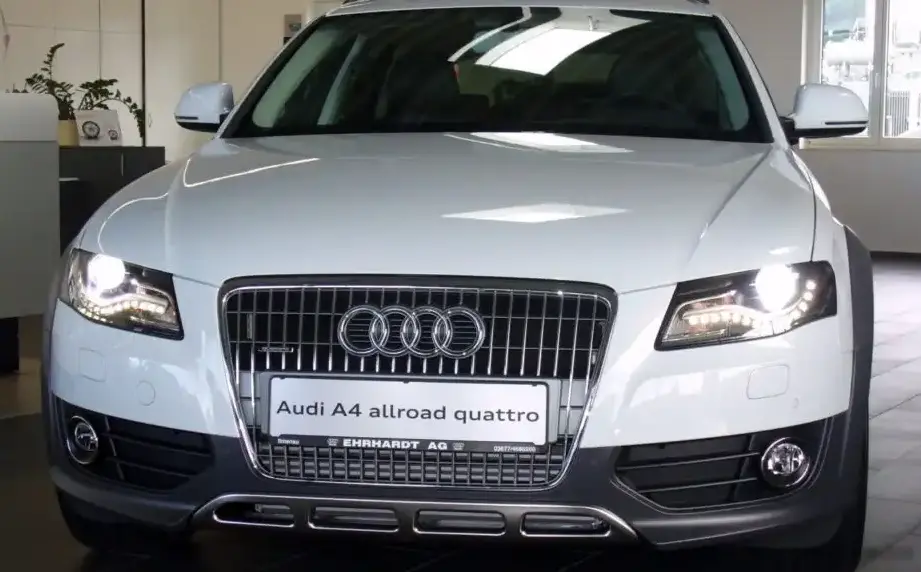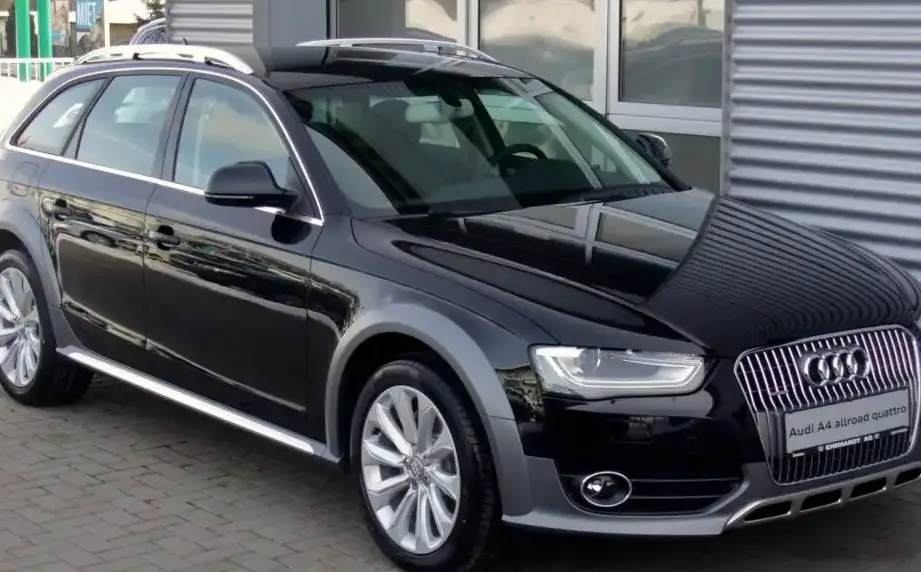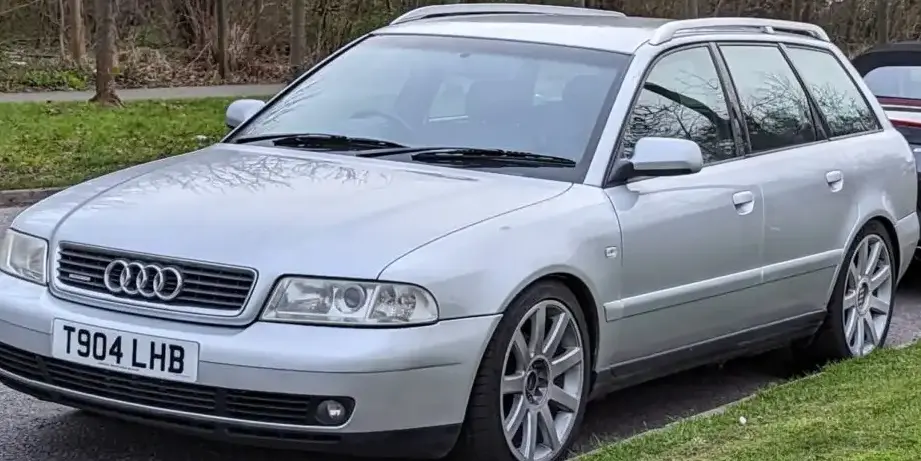
The Audi A4 Avant (B5, Typ 8D) facelift model produced between 1999 and 2001, equipped with the 1.8-liter 20-valve inline-four engine producing 125 horsepower, represented a key entry point into the premium wagon segment for American buyers. Positioned as a more practical alternative to the A4 sedan, the Avant offered a compelling blend of European refinement, decent performance, and cargo versatility. This iteration of the B5 A4, benefitting from the 1999 facelift, featured subtle styling updates and improvements to interior trim and equipment. It was a popular choice for families and individuals seeking a sophisticated and capable vehicle.
Technical Specifications
| Brand | Audi |
| Model | A4 |
| Generation | A4 Avant (B5, Typ 8D, facelift 1999) |
| Type (Engine) | 1.8 20V (125 Hp) |
| Start of production | 1999 |
| End of production | 2001 |
| Powertrain Architecture | Internal Combustion engine |
| Body type | Station wagon (estate) |
| Seats | 5 |
| Doors | 5 |
| Fuel consumption (urban) | 12 l/100 km (19.6 US mpg) |
| Fuel consumption (extra urban) | 6.4 l/100 km (36.8 US mpg) |
| Fuel consumption (combined) | 8.4 l/100 km (28 US mpg) |
| Fuel Type | Petrol (Gasoline) |
| Acceleration 0 – 100 km/h | 11 sec |
| Acceleration 0 – 62 mph | 11 sec |
| Acceleration 0 – 60 mph | 10.5 sec |
| Maximum speed | 201 km/h (124.9 mph) |
| Weight-to-power ratio | 10.3 kg/Hp |
| Weight-to-torque ratio | 7.6 kg/Nm |
| Power | 125 Hp @ 5800 rpm |
| Power per litre | 70.2 Hp/l |
| Torque | 168 Nm @ 3500 rpm (123.91 lb.-ft. @ 3500 rpm) |
| Engine layout | Front, Longitudinal |
| Engine Model/Code | ADR, APT, ARG, AVV |
| Engine displacement | 1781 cm3 (108.68 cu. in.) |
| Number of cylinders | 4 |
| Engine configuration | Inline |
| Cylinder Bore | 81 mm (3.19 in.) |
| Piston Stroke | 86.4 mm (3.4 in.) |
| Compression ratio | 10.3:1 |
| Number of valves per cylinder | 5 |
| Fuel injection system | Multi-port manifold injection |
| Engine aspiration | Naturally aspirated engine |
| Valvetrain | DOHC |
| Engine oil capacity | 3.5 l (3.7 US qt | 3.08 UK qt) |
| Coolant | 6.5 l (6.87 US qt | 5.72 UK qt) |
| Kerb Weight | 1285 kg (2832.94 lbs.) |
| Max. weight | 1835 kg (4045.48 lbs.) |
| Max load | 550 kg (1212.54 lbs.) |
| Trunk (boot) space – minimum | 390 l (13.77 cu. ft.) |
| Trunk (boot) space – maximum | 1250 l (44.14 cu. ft.) |
| Fuel tank capacity | 62 l (16.38 US gal | 13.64 UK gal) |
| Length | 4479 mm (176.34 in.) |
| Width | 1733 mm (68.23 in.) |
| Height | 1417 mm (55.79 in.) |
| Wheelbase | 2622 mm (103.23 in.) |
| Front track | 1498 mm (58.98 in.) |
| Rear (Back) track | 1479 mm (58.23 in.) |
| Drag coefficient (Cd) | 0.31 |
| Minimum turning circle | 11.1 m (36.42 ft.) |
| Drivetrain Architecture | Front wheel drive |
| Number of gears | 5 gears, manual transmission |
| Front suspension | Independent multi-link suspension |
| Rear suspension | Suspension with traction connecting levers |
| Front brakes | Ventilated discs |
| Rear brakes | Disc |
| Assisting systems | ABS (Anti-lock braking system) |
| Steering type | Steering rack and pinion |
| Power steering | Hydraulic Steering |
| Tires size | 195/65 R15 |
| Wheel rims size | 15 |
INTRODUCTION
The Audi A4 Avant (B5) facelift, produced from 1999 to 2001, was a significant model for Audi, solidifying its position in the premium compact segment. The Avant, or station wagon, body style offered a practical alternative to the sedan, appealing to buyers who needed additional cargo space without sacrificing the A4’s refined driving experience. The 1.8-liter 20-valve engine, paired with a five-speed manual transmission, was a common configuration, offering a balance of performance and fuel economy. Engine codes for this variant included ADR, APT, ARG, and AVV, with minor variations depending on the specific market and year of production. This model sat in the lower-mid range of the A4 lineup, below the more powerful 2.8-liter V6 and the diesel-powered TDI models.
Powertrain & Engine Architecture
The heart of this A4 Avant is the 1.8-liter (1781cc) inline-four cylinder engine. This engine, part of Audi’s EA827 family, featured a cast iron block and an aluminum cylinder head. The 20-valve configuration (five valves per cylinder – three intake, two exhaust) contributed to improved breathing and higher-RPM power. Fuel delivery was handled by a Bosch Motronic multi-port fuel injection system, precisely metering fuel into the intake ports. The engine utilized a double overhead camshaft (DOHC) design, optimizing valve timing for enhanced performance. The five-speed manual transmission was a robust unit, providing smooth and precise gear changes. The transmission’s gear ratios were tuned for a balance of acceleration and fuel efficiency, with a relatively tall fifth gear for highway cruising.
Driving Characteristics
The 1.8-liter engine, producing 125 horsepower and 168 Nm (124 lb-ft) of torque, provided adequate, though not exhilarating, performance. Acceleration from 0-60 mph took around 10.5 seconds, and top speed was approximately 125 mph. Compared to the more powerful 2.8-liter V6, the 1.8 felt noticeably less responsive, particularly during overtaking maneuvers. However, the 1.8 offered a more forgiving power delivery, making it easier to drive in everyday traffic. The manual transmission allowed for greater driver control, and the relatively light weight of the A4 Avant contributed to nimble handling. The suspension, featuring independent multi-link front suspension and a torsion beam rear axle, provided a comfortable ride without sacrificing too much handling precision.
Equipment & Trim Levels
The 1.8-liter A4 Avant typically came standard with features such as power windows, power locks, air conditioning, and an AM/FM stereo. Higher trim levels, often denoted by packages or options, added features like leather upholstery, sunroof, heated front seats, and upgraded audio systems. The interior design was typically understated and functional, with a focus on ergonomics and build quality. The dashboard layout was clean and straightforward, with easy-to-read gauges and intuitive controls. Optional extras included automatic climate control, a navigation system (a rarity for the time), and alloy wheels.
Chassis & Braking
The B5 A4 Avant featured a robust chassis with a MacPherson strut front suspension and a semi-independent torsion beam rear suspension. This setup provided a good balance between ride comfort and handling. Braking duties were handled by ventilated disc brakes at the front and solid disc brakes at the rear. Anti-lock braking system (ABS) was standard, enhancing safety and control during emergency braking situations. The steering was a rack-and-pinion system with hydraulic power assistance, providing precise and responsive steering feel.
Market Reception & Comparison
The 1.8-liter A4 Avant was generally well-received by automotive critics. It was praised for its refined driving experience, comfortable ride, and practical cargo space. However, some critics noted that the 1.8-liter engine lacked the punch of the V6 models. Compared to the 2.8-liter V6, the 1.8 offered better fuel economy (around 28 mpg combined) and lower maintenance costs. The 1.9 TDI diesel variant, popular in Europe, offered even better fuel economy but lacked the refinement of the gasoline engines. The 1.8 Avant was positioned as a sensible and practical choice for buyers who prioritized fuel efficiency and everyday usability over outright performance.
Legacy
The B5 A4 Avant, particularly the 1.8-liter variant, has developed a loyal following among enthusiasts. The engine, while not particularly powerful by modern standards, is known for its reliability and relatively simple maintenance requirements. The availability of aftermarket parts and a strong online community have helped to keep these cars on the road. Today, well-maintained examples of the 1.8-liter A4 Avant are sought after by collectors and enthusiasts who appreciate their classic Audi styling and driving dynamics. While age and mileage can present challenges, the B5 A4 Avant remains a capable and rewarding vehicle for those willing to invest in its upkeep.