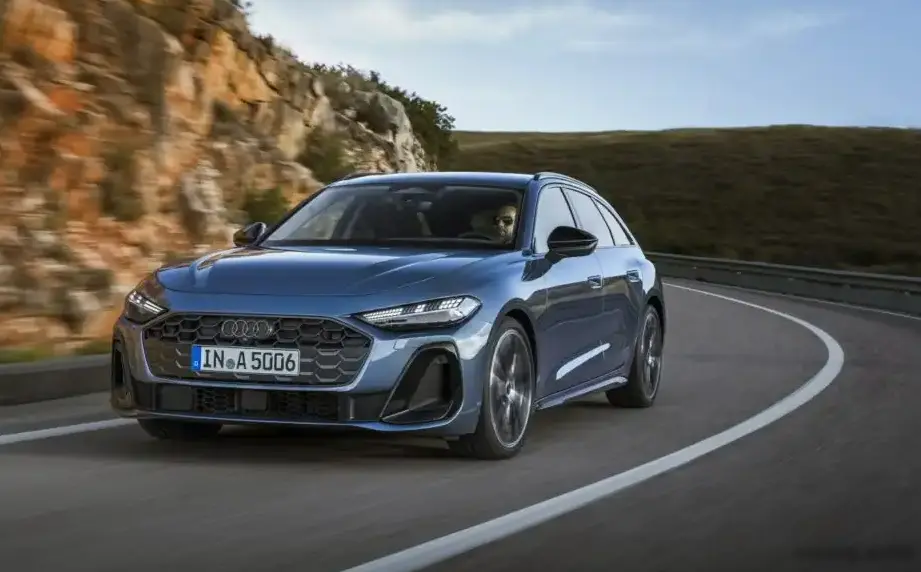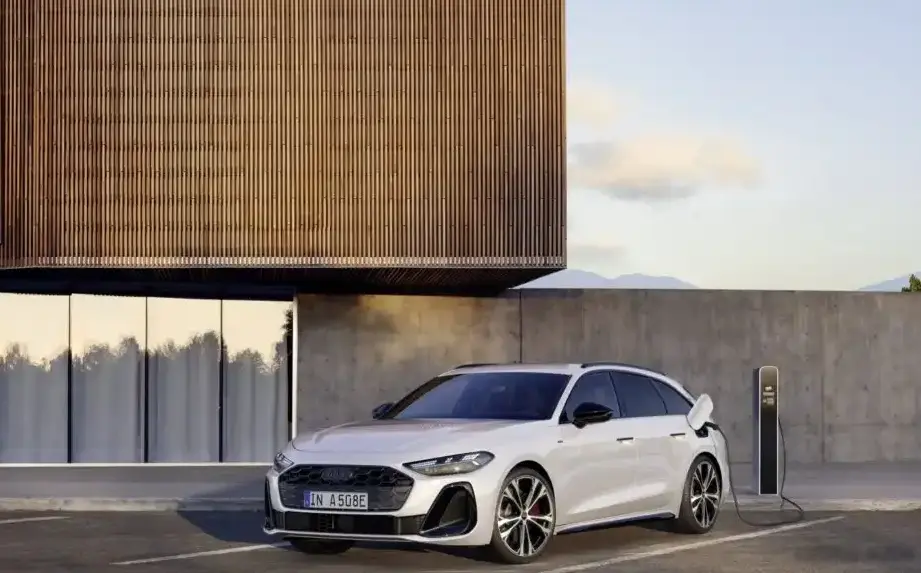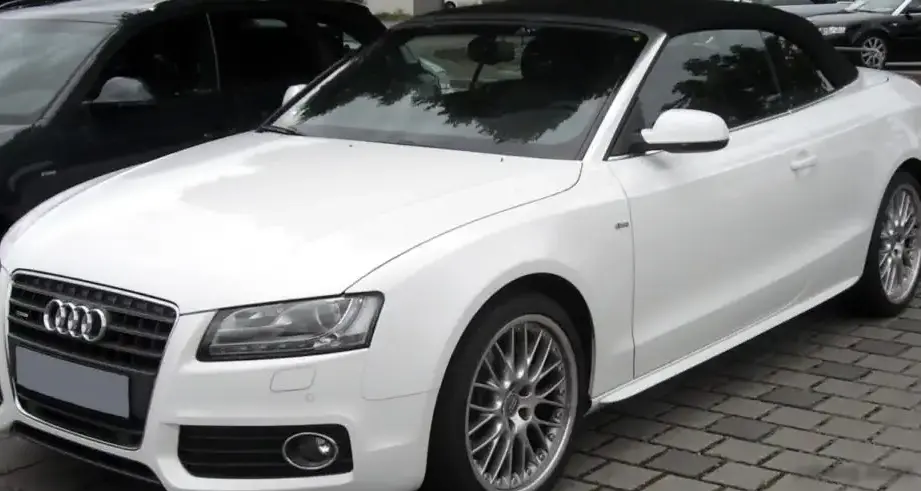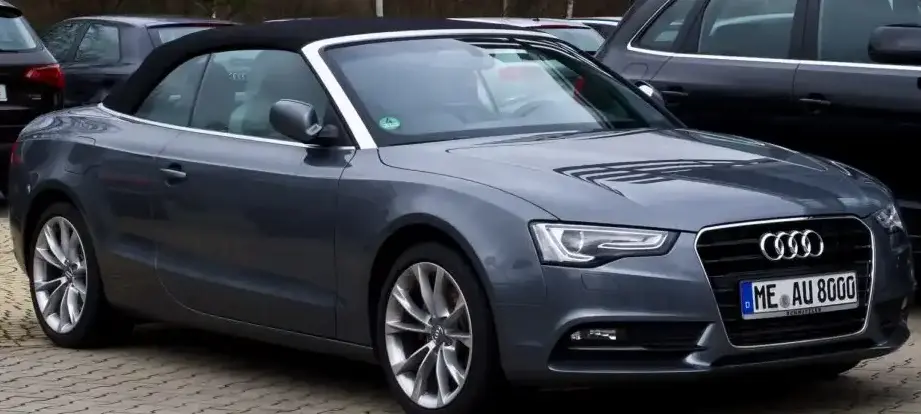
The Audi A5 Cabriolet, specifically the 8F7 facelift model produced from 2011-2016, represented Audi’s entry into the premium mid-size convertible market. The 2.0 TFSI variant, producing 225 horsepower with the quattro all-wheel drive system and a 7-speed S tronic dual-clutch transmission, was a popular configuration, positioned as a balance between performance, fuel efficiency, and luxury. Production of this specific combination ran from April 2013 to 2016, fitting within the broader A5/S5/RS5 family built on the Volkswagen Group’s B8/8F platform (A4/A5). This variant aimed to appeal to buyers seeking a sophisticated open-top experience without the outright performance focus of the S5 or the higher price tag of the RS5.
Technical Specifications
| Brand | Audi |
| Model | A5 |
| Generation | A5 Cabriolet (8F7, facelift 2011) |
| Type (Engine) | 2.0 TFSI (225 Hp) quattro S tronic |
| Start of production | April, 2013 |
| End of production | 2016 |
| Powertrain Architecture | Internal Combustion engine |
| Body type | Cabriolet |
| Seats | 4 |
| Doors | 2 |
| Fuel consumption (urban) | 8.6-9.3 l/100 km (27.4 – 25.3 US mpg, 32.8 – 30.4 UK mpg, 11.6 – 10.8 km/l) |
| Fuel consumption (extra urban) | 5.9-6.6 l/100 km (39.9 – 35.6 US mpg, 47.9 – 42.8 UK mpg, 16.9 – 15.2 km/l) |
| Fuel consumption (combined) | 6.9-7.6 l/100 km (34.1 – 30.9 US mpg, 40.9 – 37.2 UK mpg, 14.5 – 13.2 km/l) |
| CO2 emissions | 160-175 g/km |
| Fuel Type | Petrol (Gasoline) |
| Acceleration 0 – 100 km/h | 7.2 sec |
| Acceleration 0 – 62 mph | 7.2 sec |
| Acceleration 0 – 60 mph | 6.8 sec |
| Maximum speed | 240 km/h (149.13 mph) |
| Emission standard | Euro 6 |
| Weight-to-power ratio | 7.7 kg/Hp, 129.7 Hp/tonne |
| Weight-to-torque ratio | 5 kg/Nm, 201.7 Nm/tonne |
| Power | 225 Hp @ 4500-6250 rpm |
| Power per litre | 113.4 Hp/l |
| Torque | 350 Nm @ 1500-4500 rpm (258.15 lb.-ft. @ 1500-4500 rpm) |
| Engine layout | Front, Longitudinal |
| Engine Model/Code | EA888 / CNCD |
| Engine displacement | 1984 cm3 (121.07 cu. in.) |
| Number of cylinders | 4 |
| Engine configuration | Inline |
| Cylinder Bore | 82.5 mm (3.25 in.) |
| Piston Stroke | 92.8 mm (3.65 in.) |
| Compression ratio | 9.6:1 |
| Number of valves per cylinder | 4 |
| Fuel injection system | Direct injection and Multi-port manifold injection |
| Engine aspiration | Turbocharger, Intercooler |
| Valvetrain | DOHC |
| Engine oil capacity | 4.6 l (4.86 US qt | 4.05 UK qt) |
| Kerb Weight | 1735 kg (3825.02 lbs.) |
| Max. weight | 2235 kg (4927.33 lbs.) |
| Max load | 500 kg (1102.31 lbs.) |
| Trunk (boot) space – minimum | 320 l (11.3 cu. ft.) |
| Trunk (boot) space – maximum | 750 l (26.49 cu. ft.) |
| Fuel tank capacity | 61 l (16.11 US gal | 13.42 UK gal) |
| Permitted trailer load with brakes (8%) | 1900 kg (4188.78 lbs.) |
| Permitted trailer load with brakes (12%) | 1700 kg (3747.86 lbs.) |
| Permitted trailer load without brakes | 750 kg (1653.47 lbs.) |
| Permitted towbar download | 80 kg (176.37 lbs.) |
| Length | 4626 mm (182.13 in.) |
| Width | 1854 mm (72.99 in.) |
| Width including mirrors | 2020 mm (79.53 in.) |
| Height | 1383 mm (54.45 in.) |
| Wheelbase | 2751 mm (108.31 in.) |
| Front track | 1590 mm (62.6 in.) |
| Rear (Back) track | 1577 mm (62.09 in.) |
| Front overhang | 861 mm (33.9 in.) |
| Rear overhang | 1014 mm (39.92 in.) |
| Drag coefficient (Cd) | 0.31 |
| Minimum turning circle (turning diameter) | 11.4 m (37.4 ft.) |
| Drivetrain Architecture | The Internal combustion engine (ICE) drives permanently the four wheels of the vehicle. |
| Drive wheel | All wheel drive (4×4) |
| Number of gears and type of gearbox | 7 gears, automatic transmission S tronic |
| Front suspension | Independent multi-link suspension, Transverse stabilizer |
| Rear suspension | Independent on trapezoidal lever, Transverse stabilizer |
| Front brakes | Ventilated discs |
| Rear brakes | Disc |
| Assisting systems | ABS (Anti-lock braking system) |
| Steering type | Steering rack and pinion |
| Power steering | Electric Steering |
| Tires size | 225/50 R17; 245/40 R18; 255/35 R19 |
| Wheel rims size | 7.5J x 17; 8.5J x 18; 8.5J x 19; 9J x 19 |
Powertrain & Engine Architecture
The heart of this A5 Cabriolet is the EA888 2.0-liter turbocharged four-cylinder engine, specifically the CNCD code variant. This engine is a direct-injection, turbocharged powerplant featuring a cast iron block and an aluminum cylinder head. The direct injection system, combined with a sophisticated turbocharger and intercooler setup, allows for both strong low-end torque and high-end horsepower. The engine utilizes a dual overhead camshaft (DOHC) valvetrain with four valves per cylinder, optimizing airflow for efficient combustion. The S tronic 7-speed dual-clutch transmission is a key component, offering rapid and smooth gear changes. This transmission features two separate clutches, one for odd gears and one for even gears, allowing for pre-selection of the next gear and minimizing interruption in power delivery. The quattro all-wheel drive system utilizes a Torsen center differential, distributing torque between the front and rear axles based on traction conditions.
Driving Characteristics
The 225 hp and 350 Nm (258 lb-ft) of torque provided a respectable level of performance for the A5 Cabriolet. Acceleration from 0-60 mph took approximately 6.8 seconds, making it a capable cruiser and offering enough power for confident overtaking. Compared to the 180 hp base engine, the 2.0 TFSI offered a significant performance boost. However, it didn’t match the outright acceleration of the S5 models with their larger V6 engines. The S tronic transmission contributed to a responsive driving experience, with quick shifts and minimal torque interruption. The gear ratios were tuned for a balance between acceleration and fuel efficiency. While the manual transmission offered a more engaging experience, the S tronic provided convenience and ease of use, particularly in urban driving conditions. The quattro all-wheel drive system provided excellent grip and stability, especially in inclement weather.
Equipment & Trim Levels
The 2.0 TFSI quattro S tronic Cabriolet typically came standard with features like leather upholstery, automatic climate control, a multi-function steering wheel, and Audi’s MMI infotainment system. Optional extras included navigation, premium sound systems (Bang & Olufsen), heated seats, and various driver-assistance features like parking sensors and adaptive cruise control. Trim levels varied by market, but generally, this engine configuration was offered in mid-range trims, offering a step up in performance and features compared to the base models. The open-top experience was enhanced by a fully automatic acoustic soft top, designed to provide a quiet and comfortable cabin even at highway speeds.
Chassis & Braking
The A5 Cabriolet’s chassis featured an independent multi-link suspension at all four corners, providing a comfortable ride and precise handling. The front suspension utilized a transverse stabilizer bar to reduce body roll, while the rear suspension employed a trapezoidal lever design. The braking system consisted of ventilated discs at the front and solid discs at the rear, providing adequate stopping power. ABS (Anti-lock Braking System) was standard, enhancing safety and control during emergency braking situations. The steering system was a rack-and-pinion setup with electric power assistance, offering a responsive and precise steering feel.
Market Reception & Comparison
The 2.0 TFSI quattro S tronic A5 Cabriolet was generally well-received by automotive critics. It was praised for its blend of performance, luxury, and fuel efficiency. Fuel economy figures averaged around 34 mpg combined, making it a relatively economical choice for a premium convertible. Compared to the 1.8 TFSI models, the 2.0 TFSI offered a noticeable performance improvement, while the 3.0 TDI models provided superior fuel economy but lacked the responsiveness of the gasoline engine. Reliability was generally good, although some owners reported minor issues with the turbocharger and direct injection system.
Legacy
The EA888 2.0 TFSI engine has proven to be a durable and reliable powerplant, and examples of the 2013-2016 A5 Cabriolet with this engine continue to be sought after in the used car market. Regular maintenance, including oil changes and timing belt replacements, is crucial for long-term reliability. The S tronic transmission, while generally reliable, requires periodic servicing to ensure smooth operation. The A5 Cabriolet, in this configuration, remains a stylish and capable convertible, offering a compelling combination of performance, luxury, and open-air driving enjoyment.