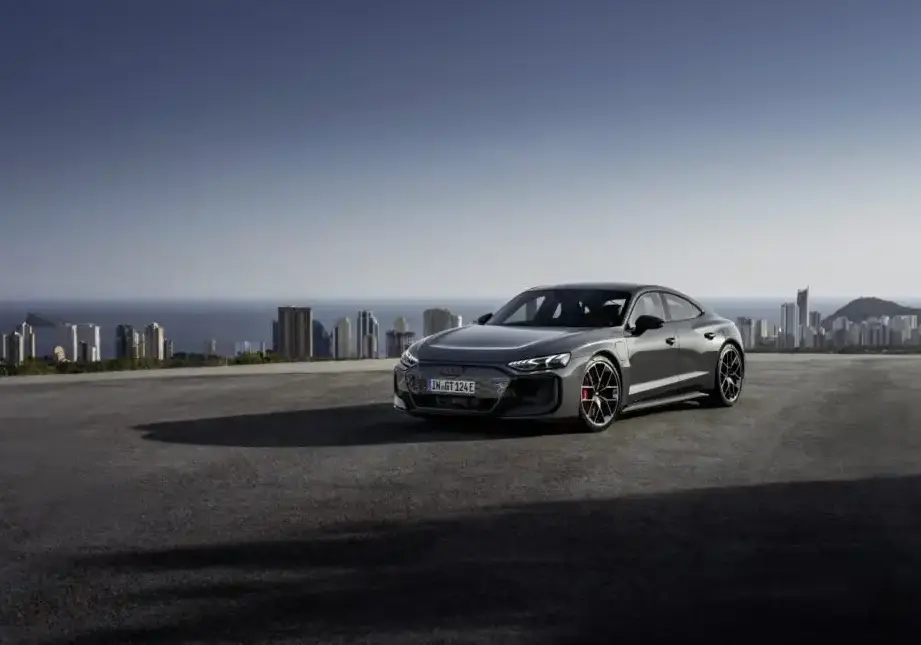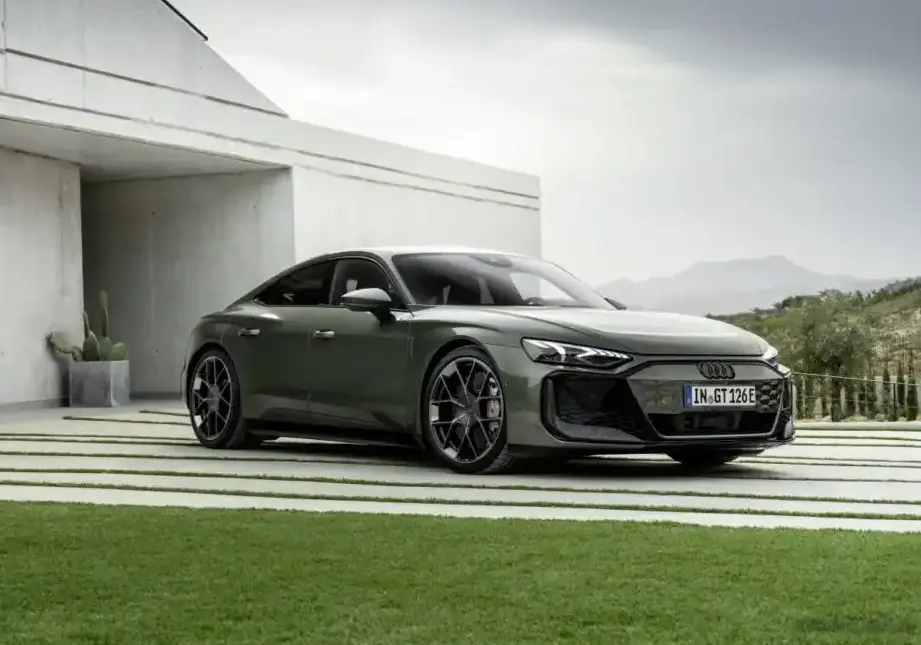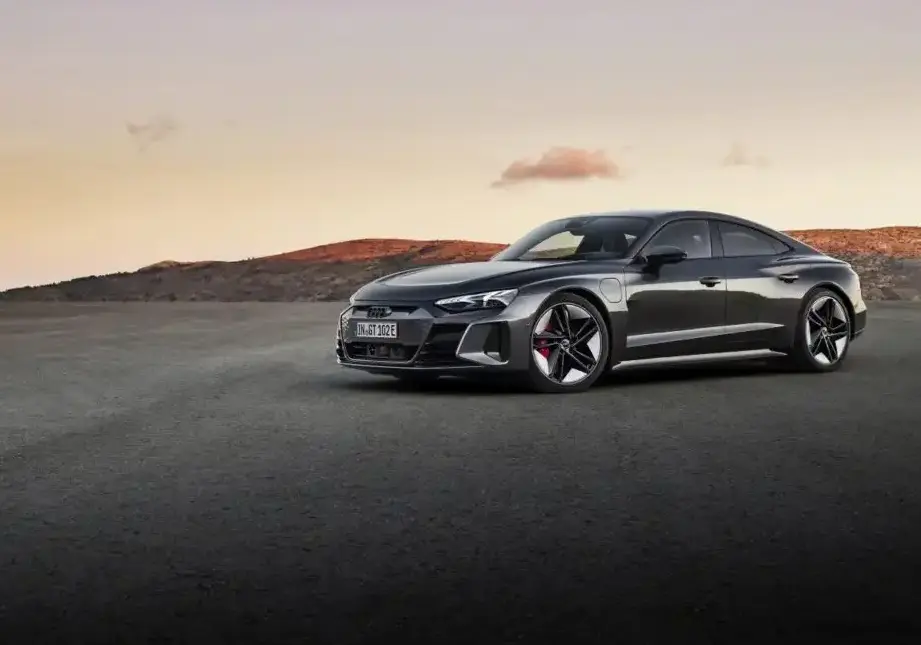
The Audi RS e-tron GT, produced from 2021 to 2024, represents Audi’s foray into the high-performance electric grand touring segment. Built on the J1 platform shared with the Porsche Taycan, the RS e-tron GT aimed to deliver the exhilarating performance expected of the RS badge, combined with the benefits of a fully electric powertrain. This variant, boasting a 93.4 kWh battery and dual-motor all-wheel-drive system producing 646 horsepower, positioned itself as the flagship performance model within the e-tron GT lineup, exceeding the standard e-tron GT and e-tron GT quattro in both power and dynamic capability.
Technical Specifications
| Brand | Audi |
| Model | RS e-tron GT |
| Generation | RS e-tron GT |
| Type (Engine) | 93.4 kWh (646 Hp) quattro |
| Start of production | 2021 |
| End of production | 2024 |
| Powertrain Architecture | BEV (Electric Vehicle) |
| Body type | Grand Tourer |
| Seats | 4 |
| Doors | 4 |
| Fuel Type | Electricity |
| Acceleration 0 – 100 km/h | 3.3 sec |
| Acceleration 0 – 62 mph | 3.3 sec |
| Acceleration 0 – 60 mph | 3.1 sec |
| Maximum speed | 250 km/h (155.34 mph) |
| Weight-to-power ratio | 3.6 kg/Hp |
| Weight-to-torque ratio | 2.8 kg/Nm |
| Gross battery capacity | 93.4 kWh |
| Net (usable) battery capacity | 83.7 kWh |
| Battery voltage | 800 V |
| Battery technology | Lithium-ion (Li-Ion) |
| Battery weight | 650 kg (1433 lbs) |
| Battery location | Below the floor |
| Recuperation output | 265 kW |
| All-electric range (WLTP) | 433-472 km (269.05 – 293.29 mi) |
| Average Energy consumption (WLTP) | 20.6-22.6 kWh/100 km (33.15 – 36.37 kWh/100 mi) |
| Average Energy consumption | 19.3-20.2 kWh/100 km (31.06 – 32.51 kWh/100 mi) |
| Kerb Weight | 2347 kg (5174.25 lbs) |
| Max. weight | 2860 kg (6305.22 lbs) |
| Max load | 513 kg (1130.97 lbs) |
| Trunk (boot) space – minimum | 350 l (12.36 cu. ft) |
| Max. roof load | 75 kg (165.35 lbs) |
| Length | 4989 mm (196.42 in) |
| Width | 1964 mm (77.32 in) |
| Width including mirrors | 2158 mm (84.96 in) |
| Height | 1414 mm (55.67 in) |
| Wheelbase | 2900 mm (114.17 in) |
| Front track | 1702 mm (67.01 in) |
| Rear (Back) track | 1667 mm (65.63 in) |
| Front overhang | 1021 mm (40.2 in) |
| Rear overhang | 1068 mm (42.05 in) |
| Drag coefficient (Cd) | 0.24 |
| Minimum turning circle | 11.6 m (38.06 ft) |
| Front brakes | Ventilated discs |
| Rear brakes | Ventilated discs |
| Front tires | 245/45 R20; 265/35 R21 |
| Rear tires | 285/40 R20; 305/30 R21 |
| Gearbox | 2 gears, automatic transmission |
Powertrain & Engine Architecture
The RS e-tron GT utilizes a dual-motor, all-wheel-drive (quattro) powertrain. Each axle is driven by a permanently excited synchronous motor. The front motor produces 238 horsepower, while the rear motor delivers a substantial 456 horsepower, combining for a system output of 646 horsepower and 830 Nm (612.18 lb-ft) of torque in overboost mode. The 93.4 kWh battery pack, utilizing 396 individual cells, is positioned low in the vehicle floor to optimize the center of gravity. Audi employs an 800-volt architecture, enabling exceptionally fast DC fast charging – capable of adding approximately 180 miles of range in around 22.5 minutes with a compatible charger. The two-speed transmission on each axle provides both strong acceleration and efficient high-speed cruising. The first gear is optimized for launch and acceleration, while the second gear provides a longer ratio for efficient highway driving.
Driving Characteristics
The RS e-tron GT delivers a driving experience markedly different from traditional internal combustion RS models, yet retains a similar focus on performance. The instant torque delivery of the electric motors provides breathtaking acceleration, achieving 0-60 mph in approximately 3.1 seconds. The dual-motor all-wheel-drive system offers exceptional traction and stability, even in challenging conditions. The low center of gravity, thanks to the battery placement, contributes to confident cornering. Compared to the standard e-tron GT, the RS version benefits from a more aggressive suspension tune, enhanced braking performance, and a more responsive throttle map. While the immediate torque can take some acclimation, the RS e-tron GT offers a refined and engaging driving experience, blending the performance of a sports car with the smoothness and quietness of an electric vehicle.
Equipment & Trim Levels
The RS e-tron GT came standard with a comprehensive suite of features befitting its flagship status. Interior appointments included standard features like heated and ventilated front sport seats upholstered in a combination of leather and Alcantara, a panoramic sunroof, and a premium Bang & Olufsen sound system. The digital cockpit featured a 12.3-inch virtual instrument cluster and a 10.1-inch touchscreen infotainment display. Standard driver-assistance systems included adaptive cruise control, lane-keeping assist, and automatic emergency braking. Optional extras included carbon fiber trim packages, massaging seats, and a head-up display. Exterior styling cues included a unique RS-specific front fascia, rear diffuser, and larger air intakes, differentiating it from the standard e-tron GT models.
Chassis & Braking
The RS e-tron GT features a double-wishbone front suspension and an independent multi-link rear suspension, both incorporating air suspension with adaptive damping. This system allows for adjustable ride height and stiffness, optimizing comfort and handling. Large, ventilated disc brakes are standard on all four wheels, providing ample stopping power. The RS model benefits from larger front brake rotors and calipers compared to the standard e-tron GT. Available options included carbon ceramic brakes for even greater stopping performance and reduced brake fade. The vehicle also incorporates an electromechanical power steering system with a variable ratio, providing precise and responsive steering feel. Four-wheel steering is standard, enhancing agility at low speeds and stability at high speeds.
Market Reception & Comparison
The RS e-tron GT was generally well-received by automotive critics, praised for its stunning design, exhilarating performance, and refined driving experience. Comparisons were frequently drawn to the Porsche Taycan, given the shared platform. While the Taycan was often lauded for its sharper handling, the RS e-tron GT was appreciated for its more comfortable ride and luxurious interior. Fuel economy, expressed as MPGe, ranged from 102-93, depending on driving conditions. Reliability reports have been relatively positive, though as a relatively new model, long-term data is still emerging. Compared to the standard e-tron GT, the RS variant commanded a significant price premium, reflecting its increased performance and exclusive features.
Legacy
The Audi RS e-tron GT represents a pivotal moment for Audi, demonstrating the brand’s commitment to electric performance. The powertrain, while complex, has proven to be relatively robust in early ownership reports. On the used car market, the RS e-tron GT holds its value well, appealing to buyers seeking a high-performance electric grand tourer with a prestigious badge. The vehicle’s success has paved the way for further electric RS models, signaling a shift towards a more sustainable and electrified future for Audi’s performance lineup. The 800V architecture and fast charging capabilities set a benchmark for other electric vehicles, influencing the development of charging infrastructure and battery technology.