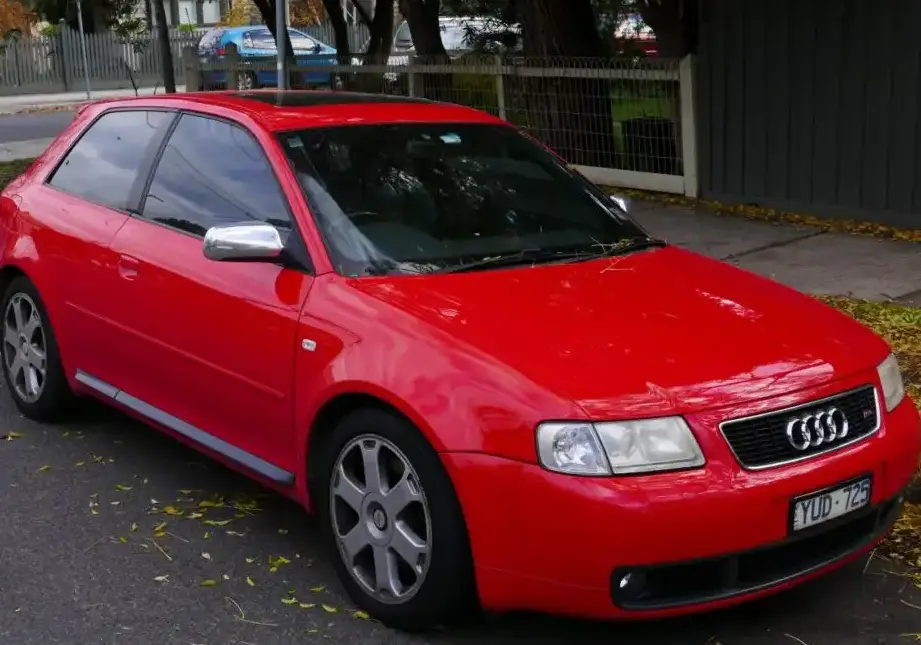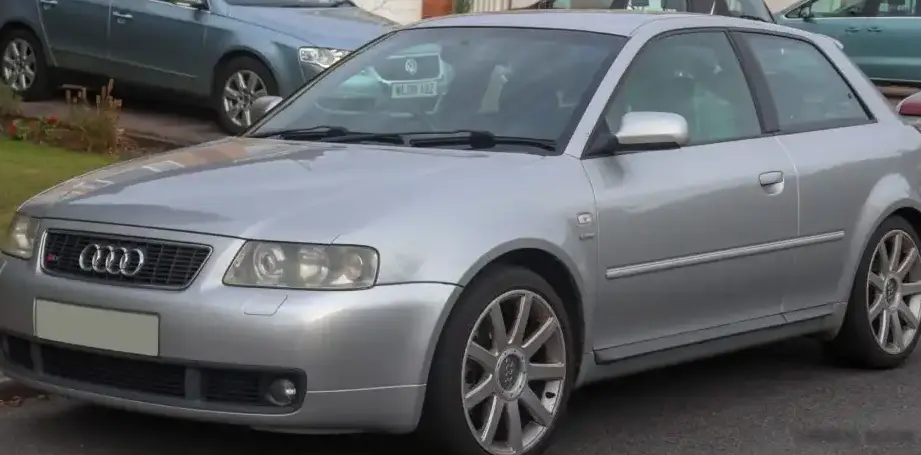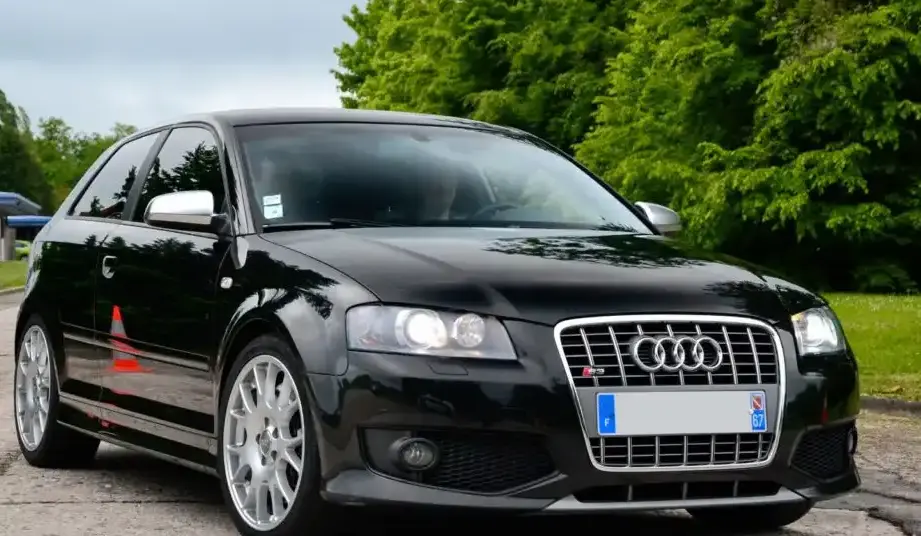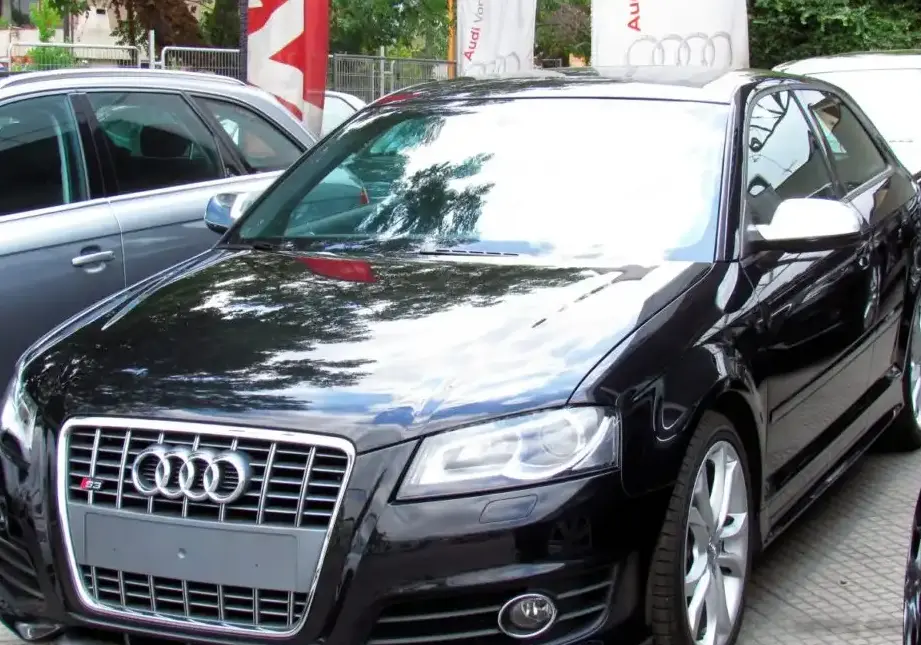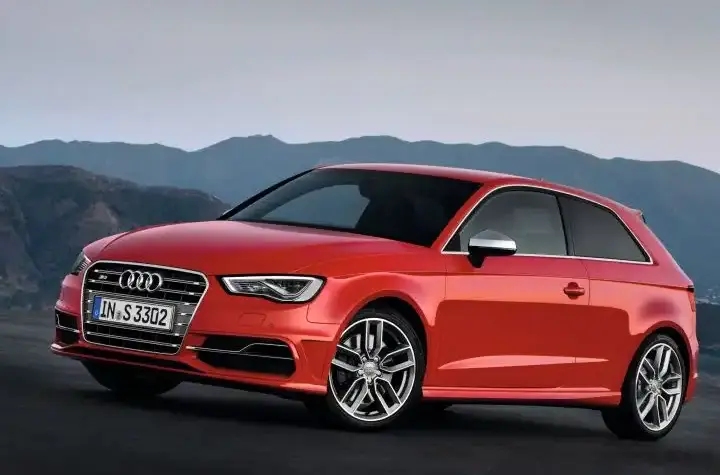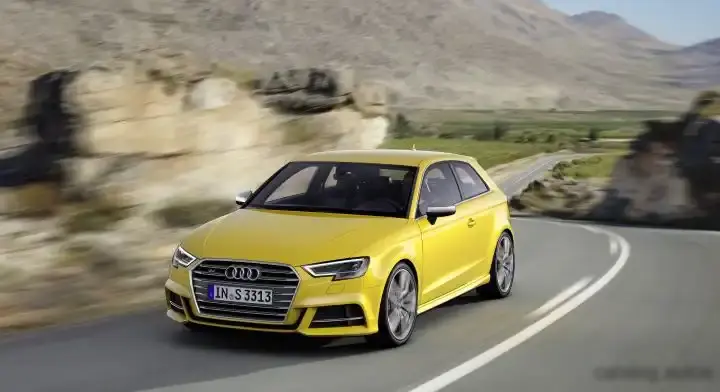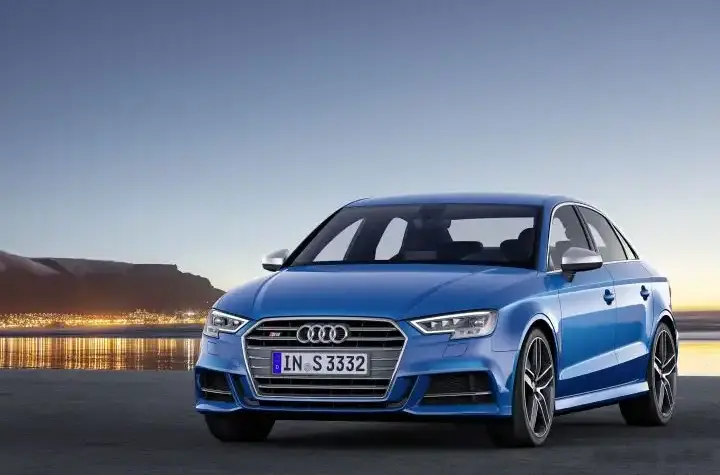
The Audi S3 Sedan (8V, facelift) with the 2.0 TFSI 310 horsepower quattro powertrain represents a performance-oriented iteration of Audi’s compact executive sedan. Introduced in 2016 as part of the 8V generation’s facelift, this variant aimed to bridge the gap between the standard A3 Sedan and the more focused RS 3. Production continued through 2018, solidifying its place as a desirable entry point into the high-performance Audi lineup. This model was primarily marketed in Europe and other global markets, offering a blend of everyday usability and spirited driving dynamics.
Technical Specifications
| Brand | Audi |
| Model | S3 |
| Generation | S3 Sedan (8V, facelift 2016) |
| Type (Engine) | 2.0 TFSI (310 Hp) quattro |
| Start of production | 2016 |
| End of production | 2018 |
| Powertrain Architecture | Internal Combustion engine |
| Body type | Sedan |
| Seats | 5 |
| Doors | 4 |
| Fuel consumption (urban) | 9.1-9.2 l/100 km (25.8 – 25.6 US mpg) |
| Fuel consumption (extra urban) | 5.8-5.9 l/100 km (40.6 – 39.9 US mpg) |
| Fuel consumption (combined) | 7.0-7.1 l/100 km (33.6 – 33.1 US mpg) |
| CO2 emissions | 162-163 g/km |
| Fuel Type | Petrol (Gasoline) |
| Acceleration 0 – 100 km/h | 5.3 sec |
| Acceleration 0 – 62 mph | 5.3 sec |
| Acceleration 0 – 60 mph | 5 sec |
| Maximum speed | 250 km/h (155.34 mph) – Electronically limited |
| Emission standard | Euro 6 |
| Weight-to-power ratio | 4.6 kg/Hp |
| Weight-to-torque ratio | 3.8 kg/Nm |
| Power | 310 Hp @ 5800-6200 rpm |
| Torque | 380 Nm @ 1850-5700 rpm (280.27 lb.-ft. @ 1850-5700 rpm) |
| Engine layout | Front, Transverse |
| Engine Model/Code | EA888 / CJXG |
| Engine displacement | 1984 cm3 (121.07 cu. in.) |
| Number of cylinders | 4 |
| Engine configuration | Inline |
| Cylinder Bore | 82.5 mm (3.25 in.) |
| Piston Stroke | 92.8 mm (3.65 in.) |
| Compression ratio | 9.3:1 |
| Number of valves per cylinder | 4 |
| Fuel injection system | Direct injection and Multi-port manifold injection |
| Engine aspiration | Turbocharger, Intercooler |
| Valvetrain | DOHC |
| Engine oil capacity | 5.7 l (6.02 US qt | 5.02 UK qt) |
| Coolant | 10 l (10.57 US qt | 8.8 UK qt) |
| Kerb Weight | 1430 kg (3152.61 lbs.) |
| Max. weight | 1980 kg (4365.15 lbs.) |
| Max load | 550 kg (1212.54 lbs.) |
| Trunk (boot) space – minimum | 390 l (13.77 cu. ft.) |
| Fuel tank capacity | 55 l (14.53 US gal | 12.1 UK gal) |
| Length | 4466 mm (175.83 in.) |
| Width | 1796 mm (70.71 in.) |
| Width including mirrors | 1960 mm (77.17 in.) |
| Height | 1392 mm (54.8 in.) |
| Wheelbase | 2631 mm (103.58 in.) |
| Front track | 1551 mm (61.06 in.) |
| Rear (Back) track | 1526 mm (60.08 in.) |
| Drag coefficient (Cd) | 0.31 |
| Minimum turning circle | 11.0 m (36.09 ft.) |
| Drivetrain Architecture | All wheel drive (4×4) |
| Number of gears | 6 |
| Type of gearbox | Manual transmission |
Powertrain & Engine Architecture
At the heart of the 2016-2018 Audi S3 Sedan facelift lies the EA888 2.0-liter turbocharged four-cylinder engine, specifically the CJXG variant. This engine is a direct-injection, DOHC 16-valve unit. The CJXG engine benefits from a twin-scroll turbocharger, which improves responsiveness and reduces turbo lag. Direct injection delivers fuel directly into the combustion chamber, optimizing combustion efficiency and power output. The engine also incorporates an intercooler to reduce intake air temperature, further enhancing performance. The 310 horsepower and 380 Nm (280 lb-ft) of torque are delivered across a broad rev range, providing strong acceleration. The engine is paired with a six-speed manual transmission, channeling power to all four wheels via Audi’s renowned quattro all-wheel-drive system. The quattro system utilizes a multi-plate clutch to distribute torque between the front and rear axles, providing optimal traction in various driving conditions.
Driving Characteristics
The S3 Sedan 2.0 TFSI with a manual transmission delivers a noticeably engaging driving experience. Acceleration from 0 to 60 mph is achieved in around 5 seconds, making it a genuinely quick vehicle. The turbocharger provides a surge of power from around 1800 rpm, continuing to build strongly through the rev range. The six-speed manual gearbox is precise and offers a satisfying shift feel. The quattro all-wheel-drive system provides excellent grip and stability, particularly in wet or slippery conditions. Compared to the standard A3 Sedan, the S3 offers a firmer suspension setup, resulting in reduced body roll and improved handling. However, it doesn’t sacrifice ride comfort entirely, remaining suitable for daily driving. Compared to the higher-performance RS 3, the S3 offers a more balanced and accessible driving experience, prioritizing usability alongside performance.
Equipment & Trim Levels
The S3 Sedan facelift typically came well-equipped as standard. Key features included sport seats upholstered in a combination of cloth and leather, a flat-bottomed steering wheel, aluminum interior trim, and Audi’s MMI infotainment system with a 7-inch display screen. Standard exterior features included S-line styling cues, such as unique front and rear bumpers, side skirts, and a rear spoiler. Optional extras included a panoramic sunroof, upgraded leather upholstery, a Bang & Olufsen sound system, and Audi’s virtual cockpit digital instrument cluster. Driver assistance systems, such as adaptive cruise control, blind-spot monitoring, and park assist, were also available as options.
Chassis & Braking
The S3 Sedan’s chassis is based on the Volkswagen Group’s MQB platform. The suspension features MacPherson struts at the front and a multi-link setup at the rear. The suspension is tuned for a sportier feel than the standard A3, with stiffer springs and dampers. The braking system consists of ventilated disc brakes on all four wheels. The front brakes are typically larger in diameter than the rear brakes to provide increased stopping power. ABS (Anti-lock Braking System) and electronic stability control are standard features.
Market Reception & Comparison
The Audi S3 Sedan (8V, facelift) was generally well-received by automotive critics. It was praised for its strong performance, engaging handling, and refined interior. Fuel economy was considered reasonable for a performance car, with combined figures around 7.0-7.1 l/100 km (33.6-33.1 US mpg). Compared to other performance sedans in its class, such as the BMW 335i and Mercedes-Benz C300, the S3 offered a compelling combination of performance, practicality, and value. Reliability was generally good, although some owners reported minor issues with the turbocharger and direct injection system.
Legacy
The 2016-2018 Audi S3 Sedan 2.0 TFSI 310 hp quattro remains a popular choice in the used car market. The EA888 engine, while requiring diligent maintenance (particularly oil changes), is generally considered robust. The quattro all-wheel-drive system continues to be a significant selling point, providing confidence in all weather conditions. The S3’s blend of performance, practicality, and relative affordability has ensured its continued desirability among enthusiasts seeking a sporty and refined compact sedan. Well-maintained examples command a premium in the used market, reflecting their enduring appeal.