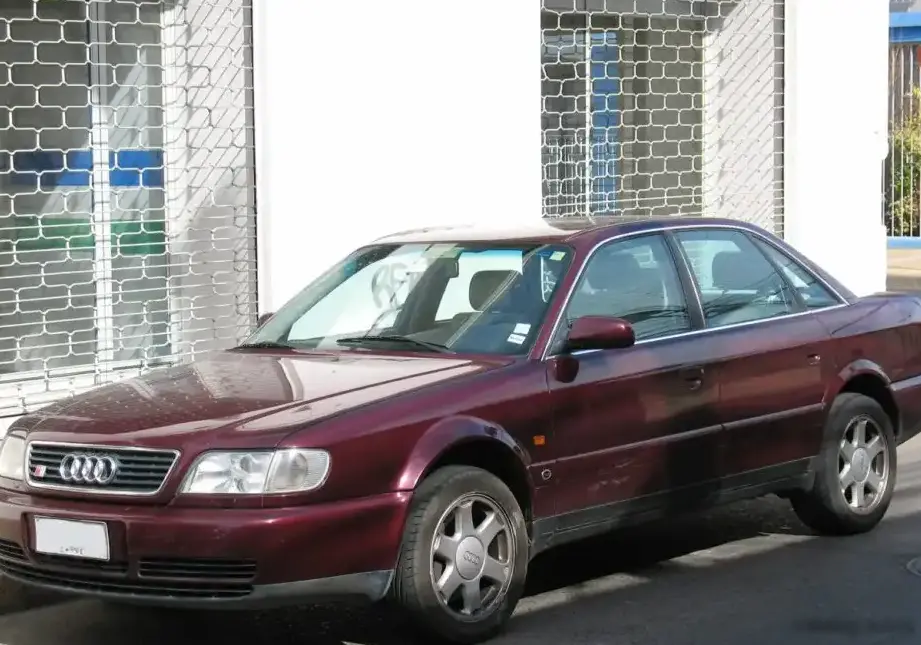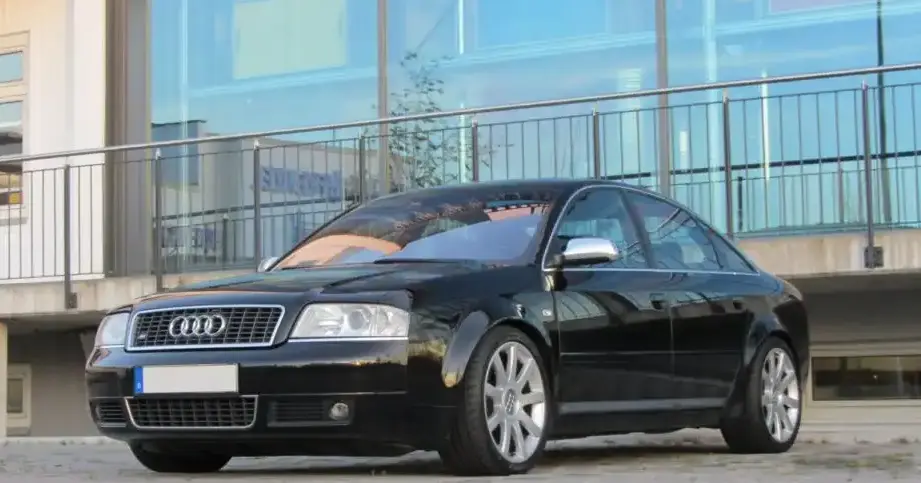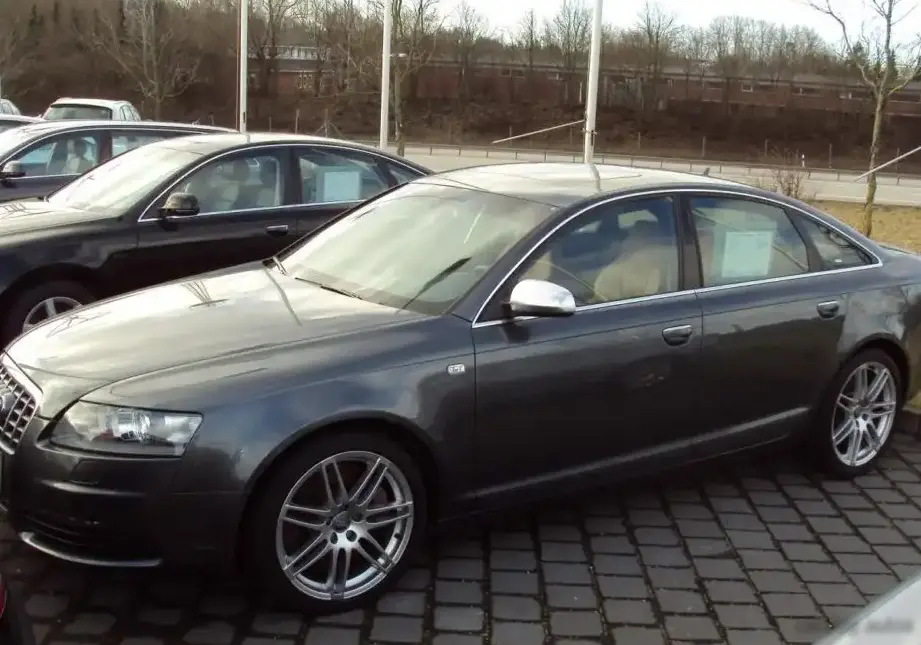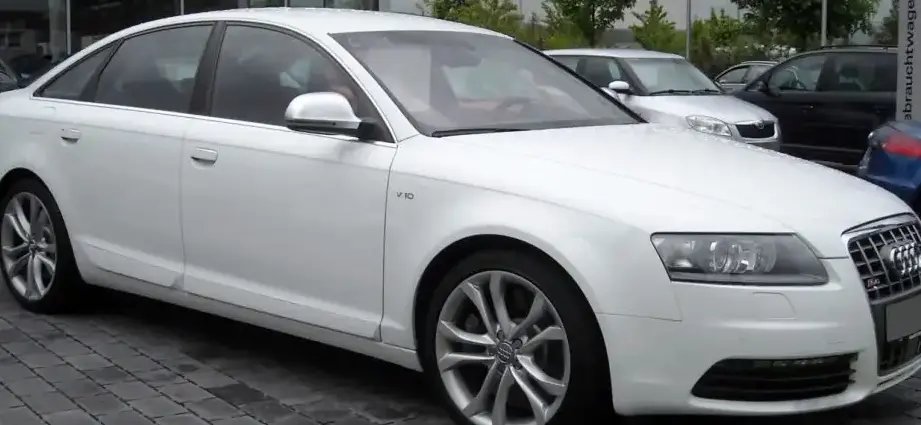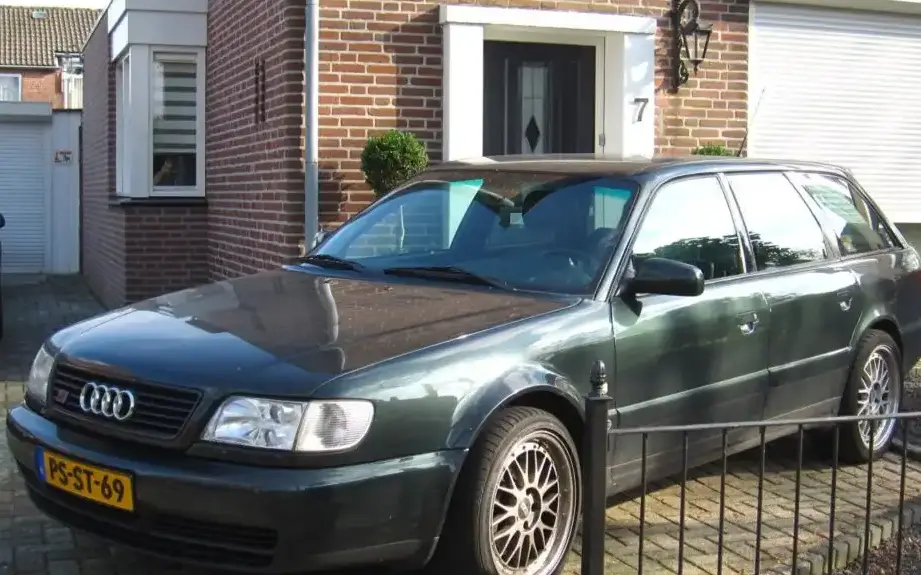
The Audi S6 Avant (4A, C4) 2.2i 20V Turbo quattro Automatic, produced between June 1994 and July 1997, represents a compelling blend of performance and practicality within the C4 generation of Audi’s flagship sedan. Positioned as a high-performance variant of the Audi 100 Avant (estate), the S6 offered a more potent engine and sophisticated all-wheel-drive system. This particular configuration – the 2.2-liter turbocharged inline-five paired with a four-speed automatic transmission – aimed to deliver accessible performance with a degree of comfort and convenience, appealing to buyers who desired spirited driving without sacrificing everyday usability. It was a key model in establishing Audi’s reputation for quattro all-wheel drive and turbocharged engines in the North American and European markets.
Technical Specifications
| Brand | Audi |
| Model | S6 |
| Generation | S6 Avant (4A,C4) |
| Type (Engine) | 2.2i 20V Turbo (230 Hp) quattro Automatic |
| Start of production | June, 1994 |
| End of production | July, 1997 |
| Powertrain Architecture | Internal Combustion engine |
| Body type | Station wagon (estate) |
| Seats | 5 |
| Doors | 5 |
| Fuel consumption (urban) | 16.1 l/100 km (14.6 US mpg, 17.5 UK mpg, 6.2 km/l) |
| Fuel consumption (extra urban) | 8.4 l/100 km (28 US mpg, 33.6 UK mpg, 11.9 km/l) |
| Fuel consumption (combined) | 10.8 l/100 km (21.8 US mpg, 26.2 UK mpg, 9.3 km/l) |
| Fuel Type | Petrol (Gasoline) |
| Acceleration 0 – 100 km/h | 8.4 sec |
| Acceleration 0 – 62 mph | 8.4 sec |
| Acceleration 0 – 60 mph | 8 sec |
| Maximum speed | 231 km/h (143.54 mph) |
| Weight-to-power ratio | 7.5 kg/Hp, 132.6 Hp/tonne |
| Weight-to-torque ratio | 5 kg/Nm, 201.7 Nm/tonne |
| Power | 230 Hp @ 5900 rpm |
| Power per litre | 103.3 Hp/l |
| Torque | 350 Nm @ 1950 rpm (258.15 lb.-ft. @ 1950 rpm) |
| Engine layout | Front, Longitudinal |
| Engine Model/Code | AAN |
| Engine displacement | 2226 cm3 (135.84 cu. in.) |
| Number of cylinders | 5 |
| Engine configuration | Inline |
| Cylinder Bore | 81 mm (3.19 in.) |
| Piston Stroke | 86.4 mm (3.4 in.) |
| Compression ratio | 9.3:1 |
| Number of valves per cylinder | 4 |
| Fuel injection system | Multi-port manifold injection |
| Engine aspiration | Turbocharger |
| Valvetrain | DOHC |
| Engine oil capacity | 4.5 l (4.76 US qt | 3.96 UK qt) |
| Coolant | 9 l (9.51 US qt | 7.92 UK qt) |
| Kerb Weight | 1735 kg (3825.02 lbs.) |
| Max. weight | 2285 kg (5037.56 lbs.) |
| Max load | 550 kg (1212.54 lbs.) |
| Trunk (boot) space – minimum | 390 l (13.77 cu. ft.) |
| Trunk (boot) space – maximum | 1310 l (46.26 cu. ft.) |
| Fuel tank capacity | 80 l (21.13 US gal | 17.6 UK gal) |
| Max. roof load | 100 kg (220.46 lbs.) |
| Permitted trailer load with brakes (8%) | 2100 kg (4629.71 lbs.) |
| Permitted trailer load with brakes (12%) | 1650 kg (3637.63 lbs.) |
| Permitted trailer load without brakes | 750 kg (1653.47 lbs.) |
| Permitted towbar download | 75 kg (165.35 lbs.) |
| Length | 4797 mm (188.86 in.) |
| Width | 1804 mm (71.02 in.) |
| Height | 1440 mm (56.69 in.) |
| Wheelbase | 2692 mm (105.98 in.) |
| Front track | 1556 mm (61.26 in.) |
| Rear (Back) track | 1525 mm (60.04 in.) |
| Drag coefficient (Cd) | 0.35 |
| Minimum turning circle (turning diameter) | 11.4 m (37.4 ft.) |
| Drive wheel | All wheel drive (4×4) |
| Number of gears and type of gearbox | 4 gears, automatic transmission |
| Front suspension | Independent, type McPherson with coil spring and anti-roll bar |
| Rear suspension | Independent on trapezoidal lever |
| Front brakes | Ventilated discs |
| Rear brakes | Ventilated discs |
| Assisting systems | ABS (Anti-lock braking system) |
| Steering type | Steering rack and pinion |
| Power steering | Hydraulic Steering |
| Tires size | 225/50 R16 |
| Wheel rims size | 7.5J x 16 |
Powertrain & Engine Architecture
The heart of the S6 Avant 2.2i 20V Turbo is the Audi AAN engine, a 2.2-liter inline-five cylinder powerplant. This engine is renowned for its robust construction and responsiveness. The ‘20V’ designation refers to the dual overhead camshafts (DOHC) operating four valves per cylinder, enhancing breathing and high-rpm performance. A single turbocharger, typically a KKK K24 unit, provides forced induction, boosting power output significantly. Fuel delivery is managed by a Bosch Motronic multi-port fuel injection system, carefully calibrated to balance performance and efficiency. The automatic transmission is a four-speed unit, designed to handle the engine’s 350 Nm (258 lb-ft) of torque. While not as quick-shifting as later automatic transmissions, it provided smooth and relatively efficient operation for its time.
Driving Characteristics
The 2.2i 20V Turbo Automatic S6 Avant offered a distinct driving experience. While the automatic transmission dulled acceleration slightly compared to the five-speed manual version, it still delivered a respectable 0-60 mph time of around 8 seconds. The quattro all-wheel-drive system provided excellent traction, particularly in inclement weather, making it a capable year-round vehicle. The turbocharger provided a noticeable surge of power in the mid-range, offering strong acceleration for overtaking. However, the automatic transmission’s gear ratios were spaced to prioritize comfort and fuel economy over outright performance. Compared to the later 4.2-liter V8 S6 models, the 2.2-liter offered a lighter, more nimble feel, but lacked the sheer power and aural excitement of the larger engine.
Equipment & Trim Levels
The S6 Avant typically came well-equipped, reflecting its position as a premium performance vehicle. Standard features included leather upholstery, power-adjustable front seats, a sunroof, and an upgraded audio system. Climate control was also standard. Optional extras included heated front seats, a navigation system (a rarity for the time), and upgraded alloy wheels. The interior trim was generally understated and elegant, with a focus on quality materials and build quality. The dashboard layout was typical of early 1990s Audis, with a clear and functional design.
Chassis & Braking
The S6 Avant featured a fully independent suspension system, with McPherson struts at the front and a trapezoidal link rear suspension. This setup provided a comfortable ride while maintaining good handling characteristics. Stabilizer bars were fitted front and rear to reduce body roll during cornering. Braking duties were handled by ventilated disc brakes on all four wheels, providing ample stopping power. The ABS anti-lock braking system was standard, enhancing safety and control.
Market Reception & Comparison
The S6 Avant 2.2i 20V Turbo Automatic was generally well-received by automotive critics. It was praised for its performance, handling, and practicality. However, some reviewers noted that the automatic transmission held the engine back from reaching its full potential. Fuel economy was considered reasonable for a performance vehicle of its size and capability. Compared to other wagons in its class, such as the BMW 5 Series Touring, the S6 Avant offered a unique combination of performance, luxury, and all-wheel-drive capability. The 2.2-liter turbo engine proved to be reliable, although regular maintenance was essential to ensure longevity.
Legacy
Today, the Audi S6 Avant (4A, C4) 2.2i 20V Turbo Automatic is considered a desirable classic car. The AAN engine is highly regarded by enthusiasts for its tunability and durability. Well-maintained examples are becoming increasingly rare and valuable. While the automatic transmission may not be the preferred choice for some performance enthusiasts, it offers a more accessible and comfortable driving experience. The S6 Avant remains a testament to Audi’s engineering prowess and its commitment to building high-performance, all-weather vehicles.