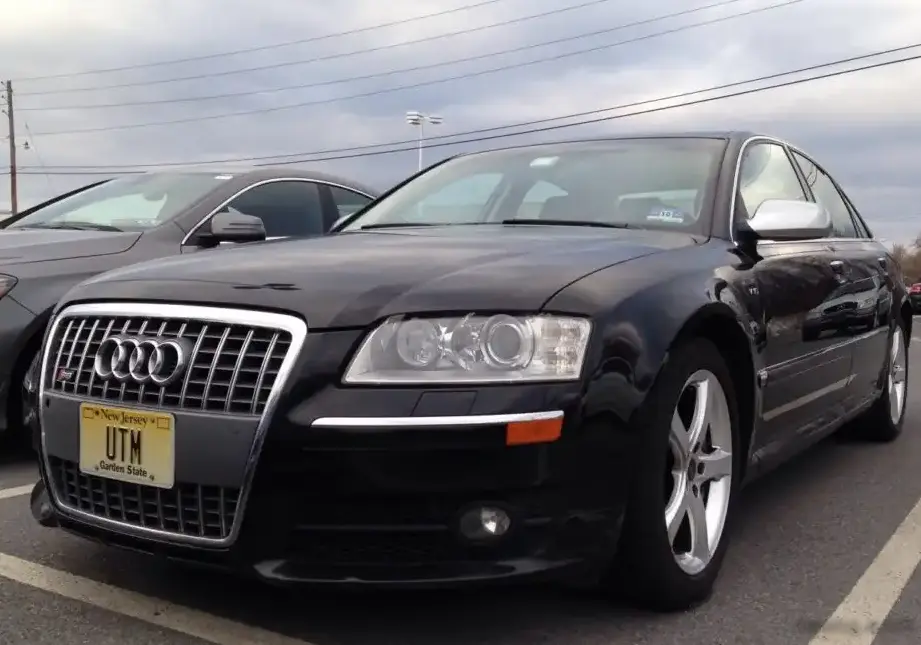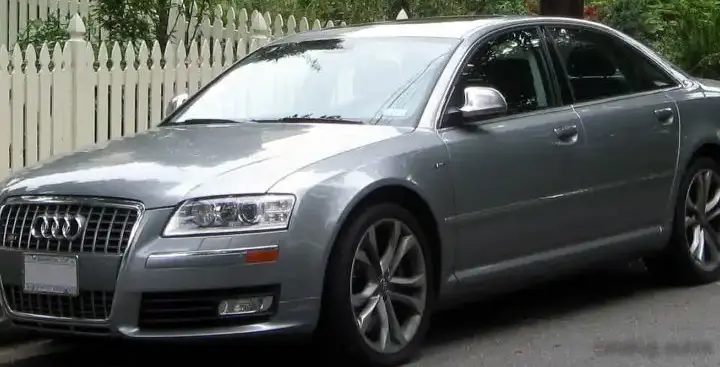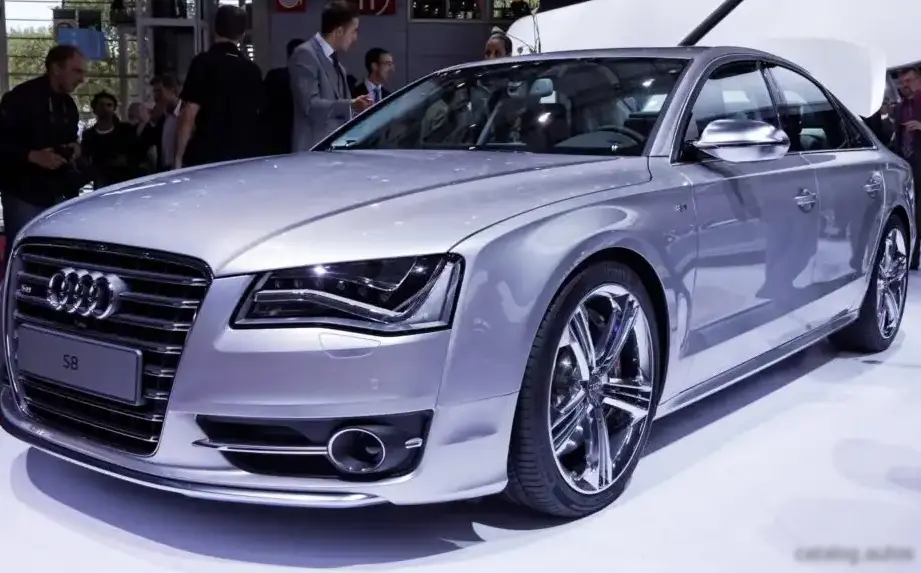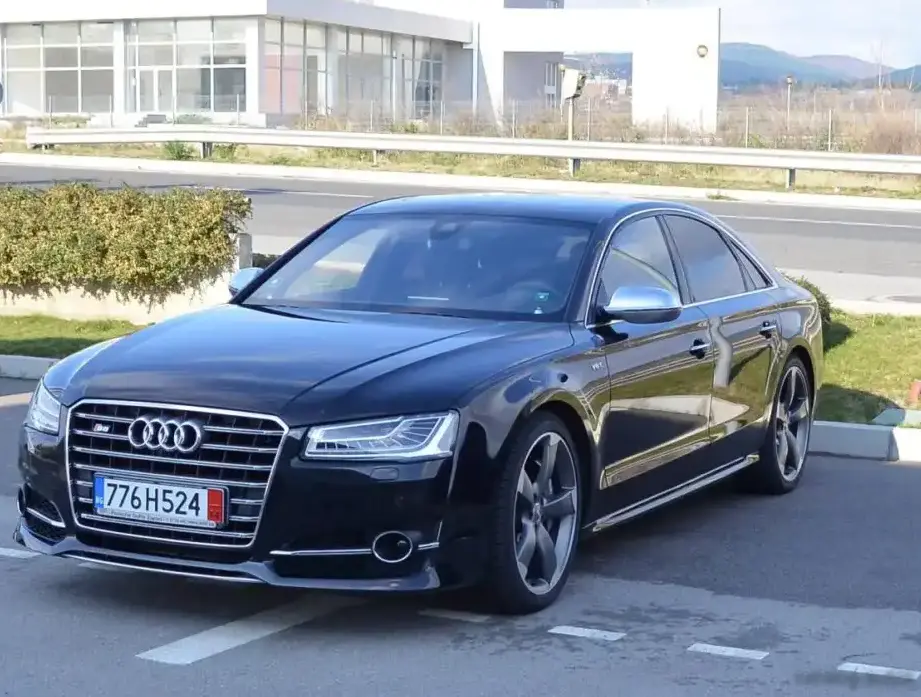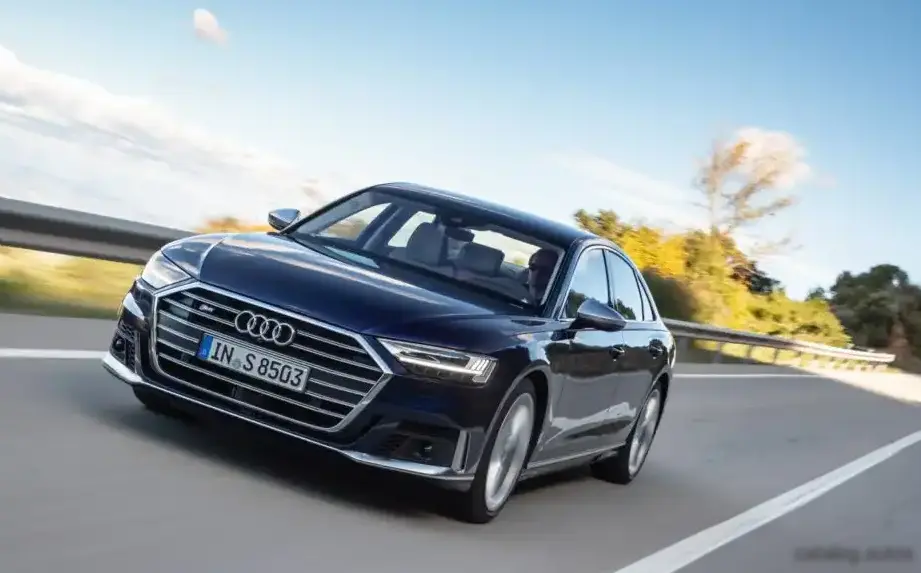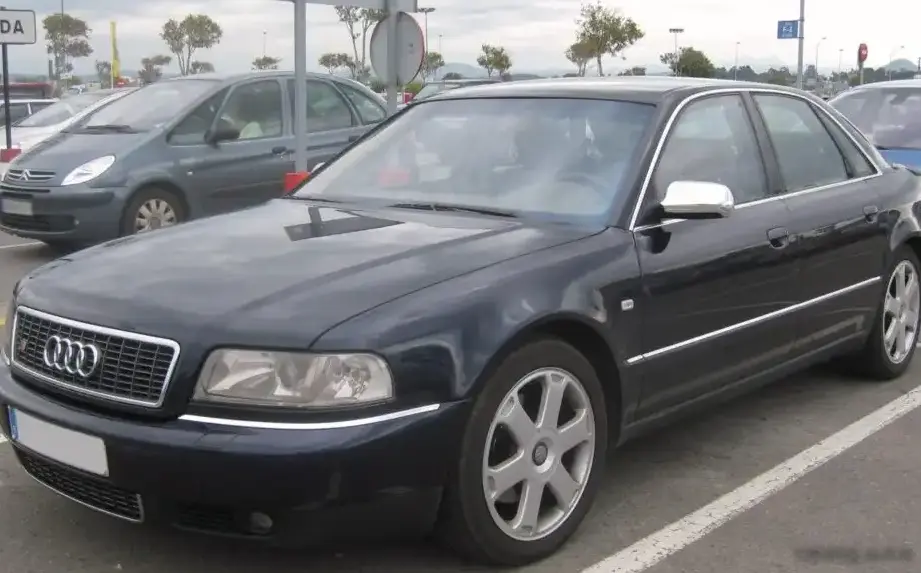
The Audi S8 (D2) 4.2 V8 40V quattro, produced between 1999 and 2002, represents the pinnacle of performance for the first generation of Audi’s flagship luxury sedan. Positioned as the high-performance variant of the D2-generation A8, the S8 aimed to compete with the BMW 7 Series and Mercedes-Benz S-Class, offering a blend of understated luxury and exhilarating performance. This model year marked a significant evolution from the earlier 1997-1998 models, boasting increased power and refined features. The D2 S8 was a technological showcase for Audi, integrating a powerful V8 engine with their renowned quattro all-wheel-drive system.
Technical Specifications
| Brand | Audi |
| Model | S8 |
| Generation | S8 (D2) |
| Type (Engine) | 4.2 V8 40V (360 Hp) quattro |
| Start of production | 1999 year |
| End of production | 2002 year |
| Powertrain Architecture | Internal Combustion engine |
| Body type | Sedan |
| Seats | 5 |
| Doors | 4 |
| Fuel consumption (economy) – urban (NEDC) | 20.8 l/100 km (11.3 US mpg, 13.6 UK mpg, 4.8 km/l) |
| Fuel consumption (economy) – extra urban (NEDC) | 9.7 l/100 km (24.2 US mpg, 29.1 UK mpg, 10.3 km/l) |
| Fuel consumption (economy) – combined (NEDC) | 13.7 l/100 km (17.2 US mpg, 20.6 UK mpg, 7.3 km/l) |
| CO2 emissions (NEDC) | 329 g/km |
| Fuel Type | Petrol (Gasoline) |
| Acceleration 0 – 100 km/h | 5.4 sec |
| Acceleration 0 – 62 mph | 5.4 sec |
| Acceleration 0 – 60 mph | 5.1 sec |
| Maximum speed | 250 km/h (155.34 mph), Electronically limited |
| Emission standard | Euro 3 |
| Weight-to-power ratio | 4.8 kg/Hp, 208.1 Hp/tonne |
| Weight-to-torque ratio | 4 kg/Nm, 248.6 Nm/tonne |
| Power | 360 Hp @ 7000 rpm |
| Power per litre | 86.3 Hp/l |
| Torque | 430 Nm @ 3400 rpm (317.15 lb.-ft. @ 3400 rpm) |
| Engine layout | Front, Longitudinal |
| Engine Model/Code | AVP |
| Engine displacement | 4172 cm3 (254.59 cu. in.) |
| Number of cylinders | 8 |
| Engine configuration | V-engine |
| Cylinder Bore | 84.5 mm (3.33 in.) |
| Piston Stroke | 93 mm (3.66 in.) |
| Compression ratio | 11:1 |
| Number of valves per cylinder | 5 |
| Fuel injection system | Multi-port manifold injection |
| Engine aspiration | Naturally aspirated engine |
| Valvetrain | DOHC |
| Engine oil capacity | 7.5 l (7.93 US qt | 6.6 UK qt) |
| Coolant | 11 l (11.62 US qt | 9.68 UK qt) |
| Kerb Weight | 1730 kg (3814 lbs.) |
| Max. weight | 2330 kg (5136.77 lbs.) |
| Max load | 600 kg (1322.77 lbs.) |
| Trunk (boot) space – minimum | 525 l (18.54 cu. ft.) |
| Fuel tank capacity | 90 l (23.78 US gal | 19.8 UK gal) |
| Max. roof load | 100 kg (220.46 lbs.) |
| Permitted trailer load with brakes (8%) | 2300 kg (5070.63 lbs.) |
| Permitted trailer load with brakes (12%) | 2300 kg (5070.63 lbs.) |
| Permitted trailer load without brakes | 750 kg (1653.47 lbs.) |
| Permitted towbar download | 95 kg (209.44 lbs.) |
| Length | 5034 mm (198.19 in.) |
| Width | 1880 mm (74.02 in.) |
| Height | 1418 mm (55.83 in.) |
| Wheelbase | 2880 mm (113.39 in.) |
| Front track | 1591 mm (62.64 in.) |
| Rear (Back) track | 1580 mm (62.2 in.) |
| Front overhang | 1018 mm (40.08 in.) |
| Rear overhang | 1136 mm (44.72 in.) |
| Drag coefficient (Cd) | 0.29 |
| Minimum turning circle (turning diameter) | 12.3 m (40.35 ft.) |
| Drivetrain Architecture | The Internal combustion engine (ICE) drives permanently the four wheels of the vehicle. |
| Drive wheel | All wheel drive (4×4) |
| Number of gears and type of gearbox | 6 gears, manual transmission |
| Front suspension | Independent multi-link suspension, Transverse stabilizer |
| Rear suspension | Independent on trapezoidal lever, Transverse stabilizer |
| Front brakes | Ventilated discs |
| Rear brakes | Ventilated discs |
| Assisting systems | ABS (Anti-lock braking system) |
| Steering type | Steering rack and pinion |
| Power steering | Hydraulic Steering |
| Tires size | 245/45 R18 |
| Wheel rims size | 8J x 18 |
Powertrain & Engine Architecture
The heart of the 1999-2002 S8 is the 4.2-liter V8 engine, designated AVP. This engine is a naturally aspirated, 32-valve (4 valves per cylinder) powerplant. It utilizes a multi-port fuel injection system, delivering fuel directly into the intake ports. The engine’s architecture features a 90-degree V-angle, contributing to a smooth power delivery and reduced vibrations. The AVP engine produces 360 horsepower at 7000 rpm and 430 Nm (317 lb-ft) of torque at 3400 rpm. The engine’s robust construction and advanced valvetrain (Dual Overhead Camshafts – DOHC) allowed it to rev freely and deliver consistent performance. The engine is longitudinally mounted in the front of the vehicle, powering all four wheels through Audi’s quattro all-wheel-drive system. The transmission is a 6-speed manual, offering precise gear changes and enhancing the driving experience.
Driving Characteristics
The S8’s driving experience is defined by its blend of power, composure, and all-weather capability. The 4.2-liter V8 provides strong acceleration, with a 0-60 mph time of around 5.1 seconds. The quattro all-wheel-drive system ensures excellent traction, particularly in adverse conditions. The 6-speed manual transmission allows for full driver control, while the gear ratios are well-matched to the engine’s powerband. Compared to the standard A8, the S8 offers a noticeably more responsive throttle and a more engaging driving experience. While not as overtly sporty as some of its rivals, the S8 prioritizes a refined and comfortable ride, making it an excellent grand tourer.
Equipment & Trim Levels
The S8 came generously equipped as standard. Interior features included leather upholstery, power-adjustable front seats with memory function, a premium sound system, and automatic climate control. Exterior features included unique S8 badging, alloy wheels, and a subtle rear spoiler. Optional extras included a sunroof, navigation system, and upgraded leather options. The interior design was understated yet luxurious, with high-quality materials and meticulous attention to detail. The S8 aimed to provide a comfortable and refined environment for both driver and passengers.
Chassis & Braking
The S8’s chassis was specifically tuned to complement its increased performance. It features an independent multi-link suspension at the front and an independent trapezoidal lever suspension at the rear, both with transverse stabilizers. This setup provides a comfortable ride while minimizing body roll during cornering. The braking system consists of ventilated discs on all four wheels, providing ample stopping power. An Anti-lock Braking System (ABS) is standard, enhancing safety and control. The S8’s suspension and braking systems were designed to handle the car’s weight and power effectively, ensuring a confident and secure driving experience.
Market Reception & Comparison
The Audi S8 (D2) was generally well-received by automotive critics. It was praised for its powerful engine, refined ride, and understated luxury. However, some critics noted that it lacked the outright sportiness of some of its rivals, such as the BMW M760i. Fuel economy was also a concern, with combined fuel consumption averaging around 13.7 l/100 km (17.2 US mpg). Compared to the standard A8, the S8 offered a significant performance upgrade, but at a higher price point. The S8 also offered a more sophisticated all-wheel-drive system than many of its competitors.
Legacy
The Audi S8 (D2) remains a desirable classic car today. The AVP engine is known for its reliability, provided it is properly maintained. Regular oil changes and timely servicing are crucial to prevent issues. The quattro all-wheel-drive system is also highly regarded for its durability. However, like any older luxury car, the S8 can be prone to age-related issues, such as suspension component wear and electrical problems. The D2 S8 established Audi as a serious contender in the high-performance luxury sedan segment, paving the way for future generations of the S8.