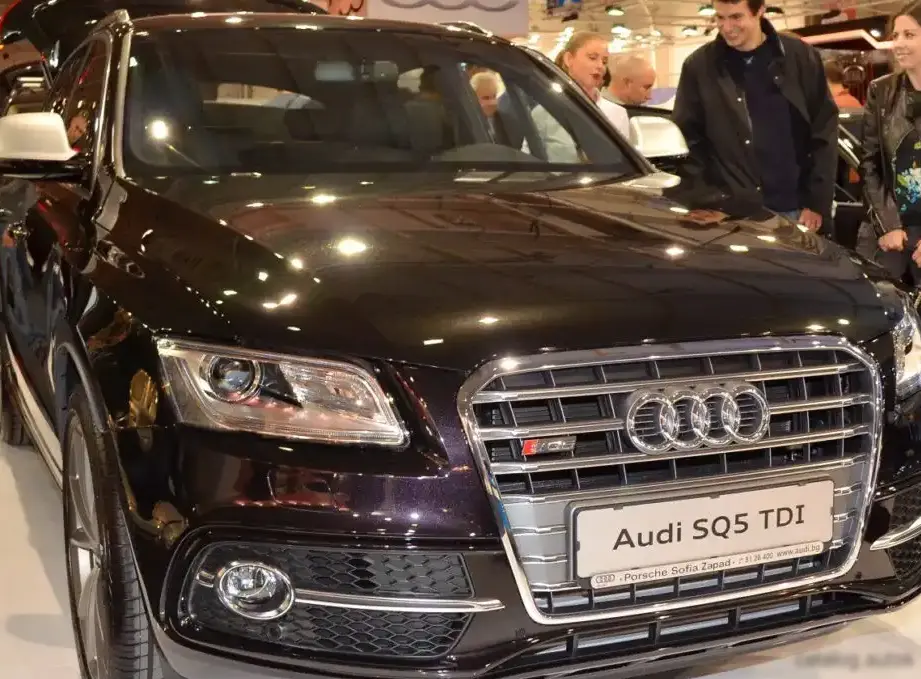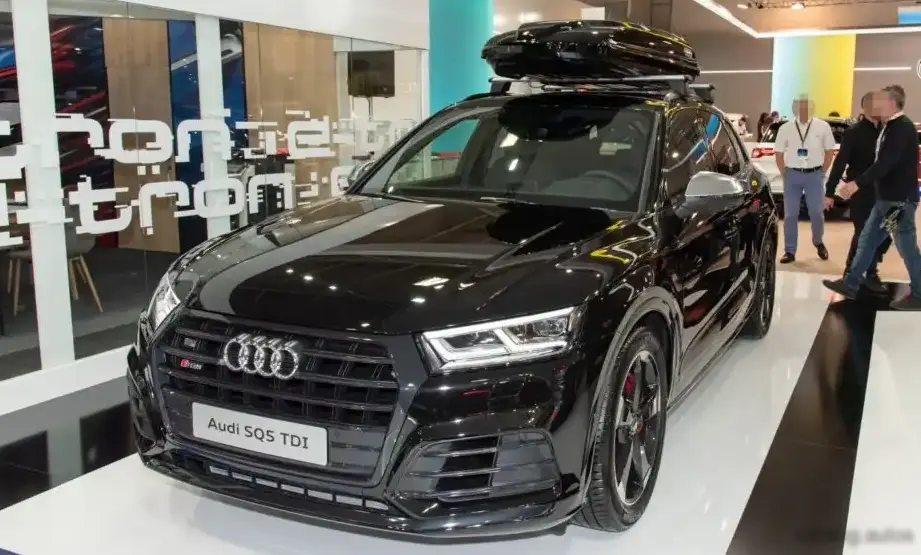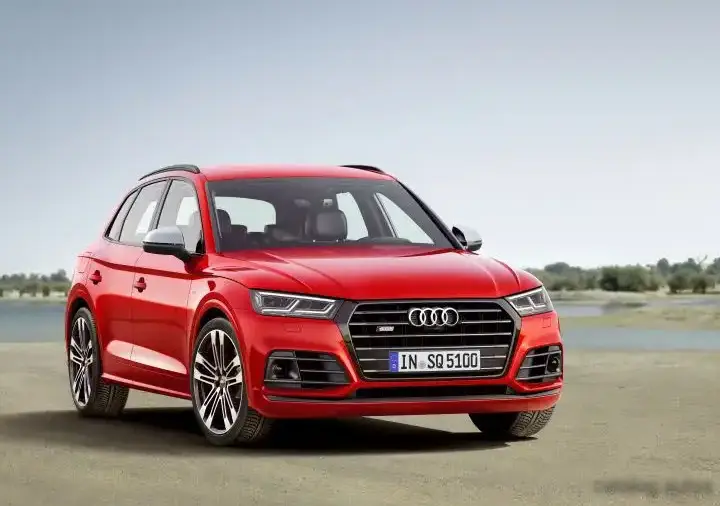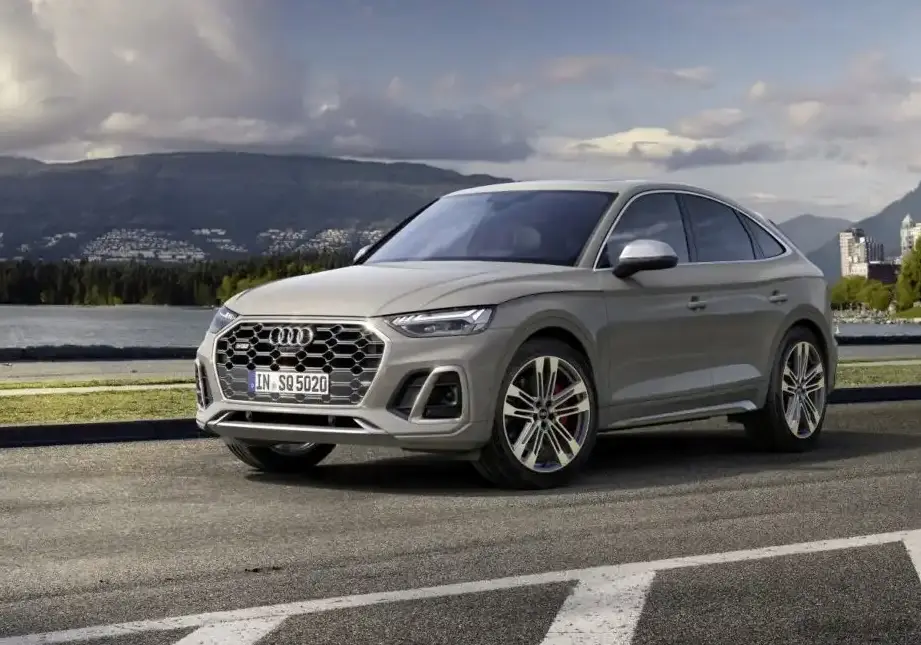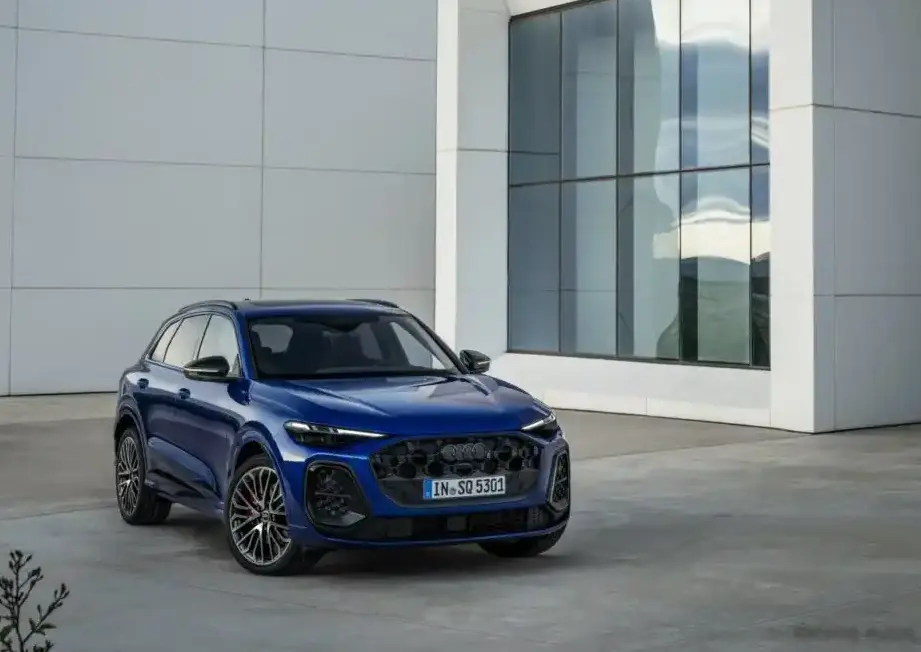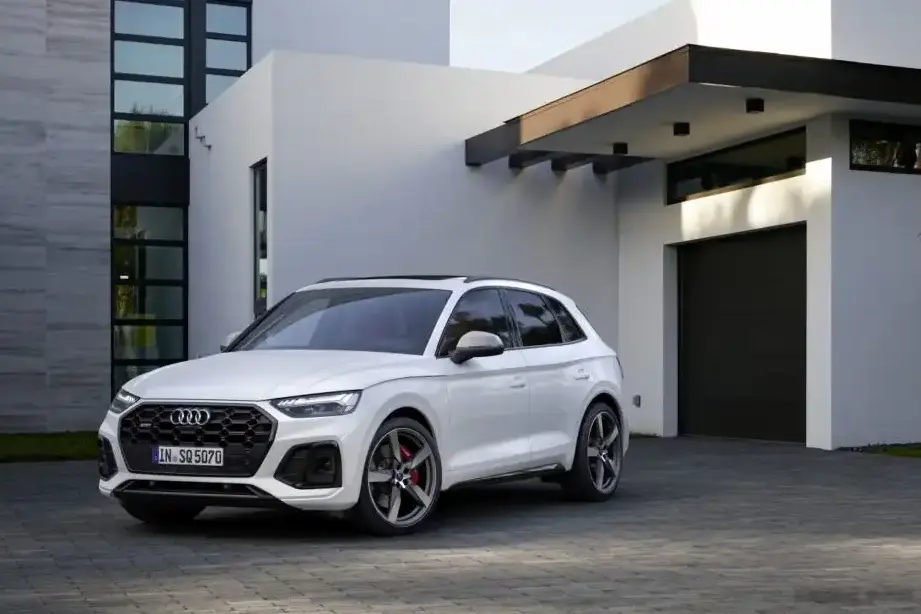
The Audi SQ5 II (FY, facelift 2020) 3.0 TDI V6 (341 Hp) Mild Hybrid quattro tiptronic represents a significant iteration of Audi’s performance-oriented compact SUV. Introduced in 2020 as part of the FY series facelift, this variant combined a potent turbocharged diesel engine with a mild hybrid system and Audi’s renowned quattro all-wheel-drive system. It occupied a premium position within the SQ5 lineup, offering a balance of performance, luxury, and efficiency. Production continued through 2024, solidifying its place as a popular choice in the European and increasingly, North American, markets.
Technical Specifications
| Brand | Audi |
| Model | SQ5 |
| Generation | SQ5 II (FY, facelift 2020) |
| Type (Engine) | 3.0 TDI V6 (341 Hp) Mild Hybrid quattro tiptronic |
| Start of production | 2020 |
| End of production | 2024 |
| Powertrain Architecture | MHEV (Mild Hybrid Electric Vehicle) |
| Body type | SUV |
| Seats | 5 |
| Doors | 5 |
| Fuel consumption (urban) | 8.7 l/100 km (27 US mpg, 32.5 UK mpg, 11.5 km/l) |
| Fuel consumption (extra urban) | 6.0 l/100 km (39.2 US mpg, 47.1 UK mpg, 16.7 km/l) |
| Fuel consumption (combined) | 7.0 l/100 km (33.6 US mpg, 40.4 UK mpg, 14.3 km/l) |
| CO2 emissions | 185 g/km |
| Fuel Type | Diesel |
| Acceleration 0-100 km/h | 5.1 sec |
| Acceleration 0-62 mph | 5.1 sec |
| Acceleration 0-60 mph | 4.8 sec |
| Maximum speed | 250 km/h (155.34 mph) |
| Emission standard | Euro 6d-ISC-FCM |
| Weight-to-power ratio | 5.9 kg/Hp |
| Weight-to-torque ratio | 2.9 kg/Nm |
| Power | 341 Hp @ 3800-3950 rpm |
| Torque | 700 Nm @ 1750-3250 rpm (516.29 lb.-ft.) |
| Engine layout | Front, Longitudinal |
| Engine Model/Code | DMKC |
| Engine displacement | 2967 cm3 (181.06 cu. in.) |
| Number of cylinders | 6 |
| Engine configuration | V-engine |
| Cylinder Bore | 83 mm (3.27 in.) |
| Piston Stroke | 91.4 mm (3.6 in.) |
| Compression ratio | 16.3:1 |
| Number of valves per cylinder | 4 |
| Fuel injection system | Diesel Commonrail |
| Engine aspiration | Turbocharger, Intercooler |
| Engine oil capacity | 6.1 l (6.45 US qt, 5.37 UK qt) |
| Coolant capacity | 16.3 l (17.22 US qt, 14.34 UK qt) |
| Kerb Weight | 2010 kg (4431.29 lbs.) |
| Max. weight | 2660 kg (5864.3 lbs.) |
| Max load | 650 kg (1433 lbs.) |
| Trunk (boot) space (min) | 510 l (18.01 cu. ft.) |
| Trunk (boot) space (max) | 1510 l (53.33 cu. ft.) |
| Fuel tank capacity | 70 l (18.49 US gal, 15.4 UK gal) |
| AdBlue tank capacity | 24 l (6.34 US gal, 5.28 UK gal) |
| Max. roof load | 75 kg (165.35 lbs.) |
| Permitted trailer load (brakes 8%) | 2400 kg (5291.09 lbs.) |
| Permitted trailer load (brakes 12%) | 2400 kg (5291.09 lbs.) |
| Permitted trailer load (no brakes) | 750 kg (1653.47 lbs.) |
| Permitted towbar download | 100 kg (220.46 lbs.) |
| Length | 4682 mm (184.33 in.) |
| Width | 1893 mm (74.53 in.) |
| Width including mirrors | 2140 mm (84.25 in.) |
| Height | 1635 mm (64.37 in.) |
| Wheelbase | 2824 mm (111.18 in.) |
| Front track | 1624 mm (63.94 in.) |
| Rear track | 1612 mm (63.46 in.) |
| Front overhang | 910 mm (35.83 in.) |
| Rear overhang | 948 mm (37.32 in.) |
| Drag coefficient (Cd) | 0.32 |
| Minimum turning circle | 11.8 m (38.71 ft.) |
| Drivetrain Architecture | ICE and electric motor, permanent all-wheel drive |
| Drive wheel | All wheel drive (4×4) |
| Number of gears | 8 |
| Gearbox type | Automatic transmission tiptronic |
| Front suspension | Independent multi-link suspension |
| Rear suspension | Independent multi-link suspension |
| Front brakes | Ventilated discs |
| Rear brakes | Ventilated discs |
| Assisting systems | ABS (Anti-lock braking system) |
| Steering type | Steering rack and pinion |
| Power steering | Electric |
| Tires size | 255/45 R20 |
| Wheel rims size | 8J x 20 |
INTRODUCTION
The SQ5 II (FY) facelift, launched in 2020, represented a mid-cycle refresh of Audi’s popular Q5 range. This particular variant, powered by the 3.0 TDI V6 engine and equipped with the tiptronic automatic transmission and quattro all-wheel drive, was positioned as the performance leader within the Q5 diesel lineup. The addition of mild hybrid technology further enhanced its efficiency and responsiveness. The SQ5 aimed to appeal to buyers seeking a sporty SUV experience without sacrificing the refinement and practicality expected from the Audi brand. It was primarily sold in Europe, but gained traction in North America as demand for diesel performance SUVs increased.
Powertrain & Engine Architecture
At the heart of the SQ5 II (FY) 3.0 TDI lies the DMKC engine, a 3.0-liter V6 turbodiesel. This engine is a member of Audi’s modular engine family, known for its robust construction and advanced technology. The DMKC utilizes a common rail direct injection system, delivering fuel at extremely high pressures for optimized combustion. A single turbocharger, coupled with an intercooler, provides forced induction, boosting power and torque. The engine also features a sophisticated valvetrain with four valves per cylinder. The mild hybrid system, utilizing a 48-volt electrical architecture, incorporates a belt starter generator (BSG) and a small lithium-ion battery. This system enables features like extended start-stop operation, coasting with the engine switched off, and a slight power boost during acceleration. The eight-speed tiptronic automatic transmission is a torque-converter type, offering smooth and responsive gear changes. It’s programmed for both comfort and performance, with the ability for the driver to manually select gears via steering wheel-mounted paddles.
Driving Characteristics
The 341 horsepower and 516 lb-ft of torque produced by the 3.0 TDI engine deliver strong acceleration. The 0-60 mph sprint takes approximately 4.8 seconds, making it a genuinely quick SUV. The tiptronic transmission is well-matched to the engine’s characteristics, providing seamless shifts and keeping the engine within its optimal power band. Compared to the base Q5 models, the SQ5 offers a noticeably more engaging driving experience. The quattro all-wheel-drive system provides excellent traction in all weather conditions, enhancing stability and confidence. While not as overtly sporty as some dedicated performance SUVs, the SQ5 strikes a good balance between performance and everyday usability. The mild hybrid system contributes to improved fuel economy and a smoother overall driving experience.
Equipment & Trim Levels
The SQ5 II (FY) facelift typically came well-equipped as standard. Key features included Audi’s virtual cockpit digital instrument cluster, a large infotainment touchscreen with navigation, leather upholstery, heated front seats, and a premium sound system. Optional extras included adaptive suspension, panoramic sunroof, and various driver-assistance systems such as adaptive cruise control and lane-keeping assist. Interior trim options ranged from brushed aluminum to carbon fiber accents, allowing buyers to personalize the cabin. The exterior styling featured unique SQ5 badging, a sportier front grille, and quad exhaust outlets.
Chassis & Braking
The SQ5 II (FY) features a fully independent suspension system, with multi-link setups at both the front and rear. This provides a comfortable ride while maintaining good handling characteristics. The suspension is tuned to be slightly firmer than the standard Q5, reflecting its performance-oriented nature. Braking duties are handled by ventilated discs on all four wheels, providing ample stopping power. The electronic stability control (ESC) system is integrated with the quattro all-wheel-drive system to enhance stability and prevent oversteer or understeer.
Market Reception & Comparison
The SQ5 II (FY) facelift was generally well-received by automotive critics. It was praised for its powerful engine, refined interior, and comfortable ride. Compared to other trims in the Q5 lineup, the SQ5 offered a significant performance upgrade. Against competitors like the Porsche Macan and BMW X3 M40i, the SQ5 offered a compelling combination of performance, luxury, and value. Fuel economy was respectable for a performance SUV, and the mild hybrid system helped to further improve efficiency. Reliability reports have been generally positive, with owners reporting few major issues.
Legacy
The Audi SQ5 II (FY) 3.0 TDI V6 Mild Hybrid quattro tiptronic has proven to be a durable and reliable performance SUV. On the used car market, these models hold their value well, reflecting their strong reputation and desirable features. The DMKC engine is known for its longevity, provided it receives regular maintenance. The combination of performance, luxury, and efficiency makes it a popular choice for buyers seeking a well-rounded SUV experience. As emissions regulations tighten, diesel engines are facing increased scrutiny, but the SQ5’s advanced technology and relatively clean emissions profile ensure its continued appeal for years to come.