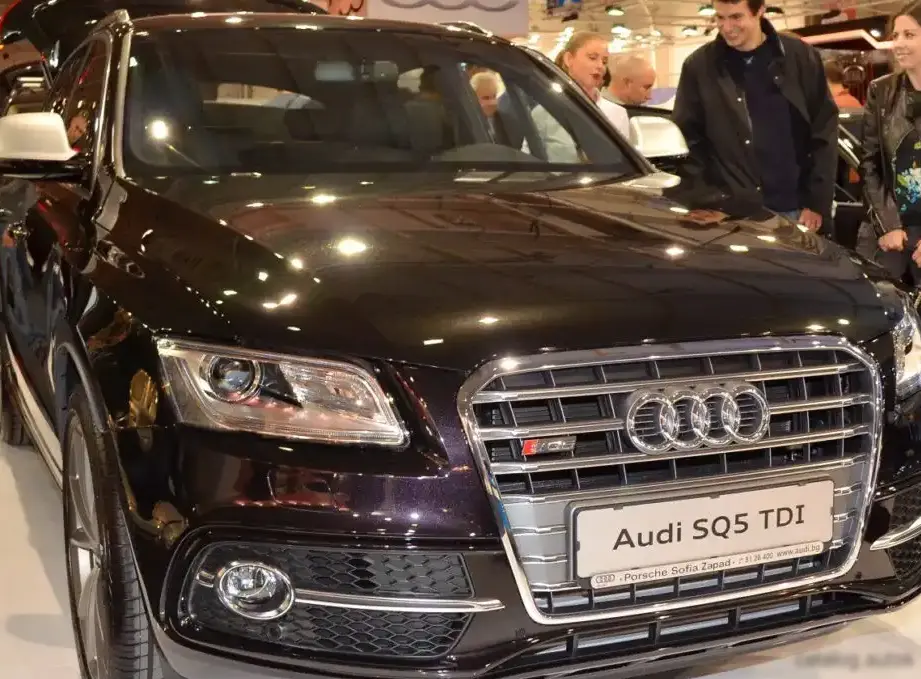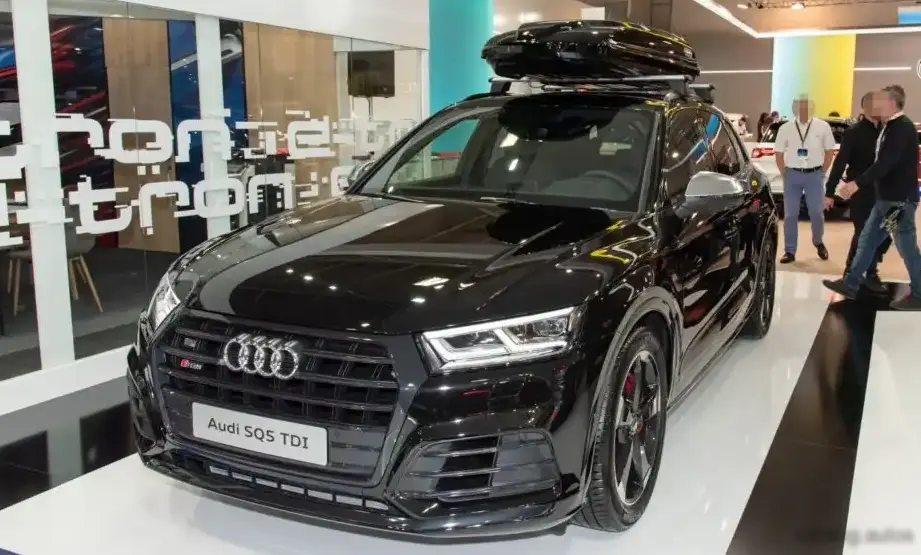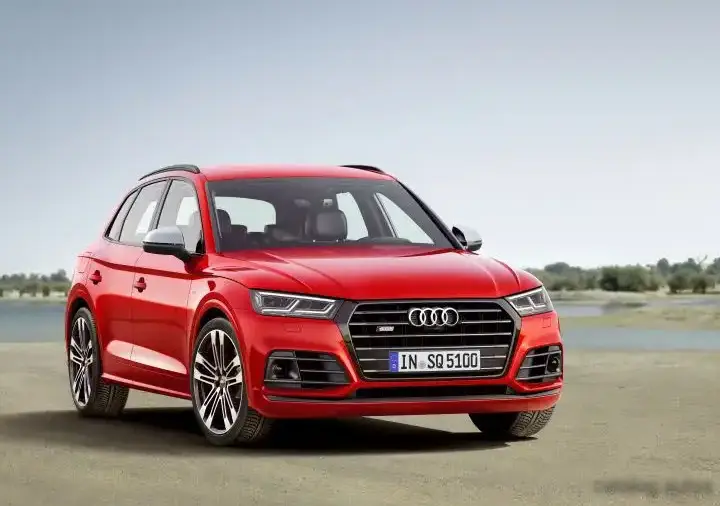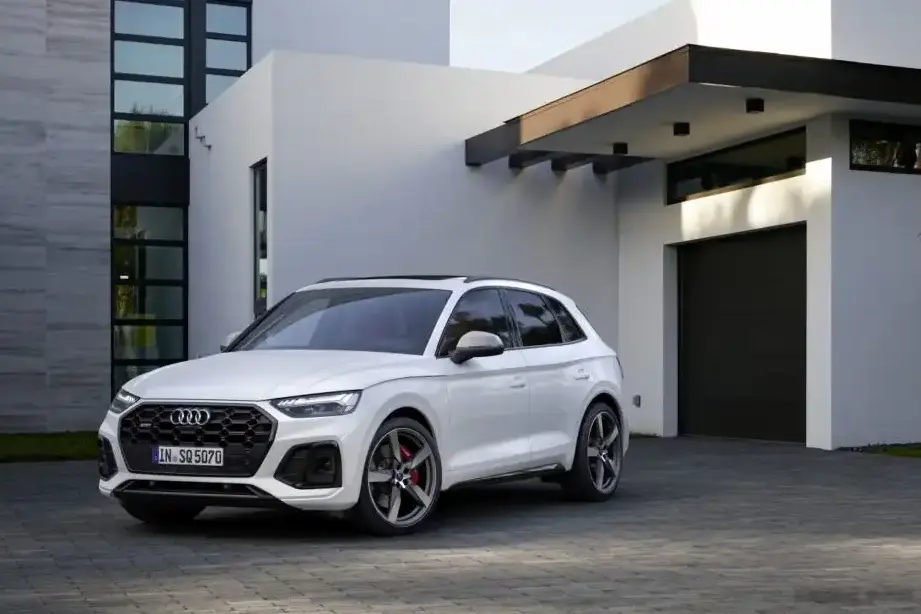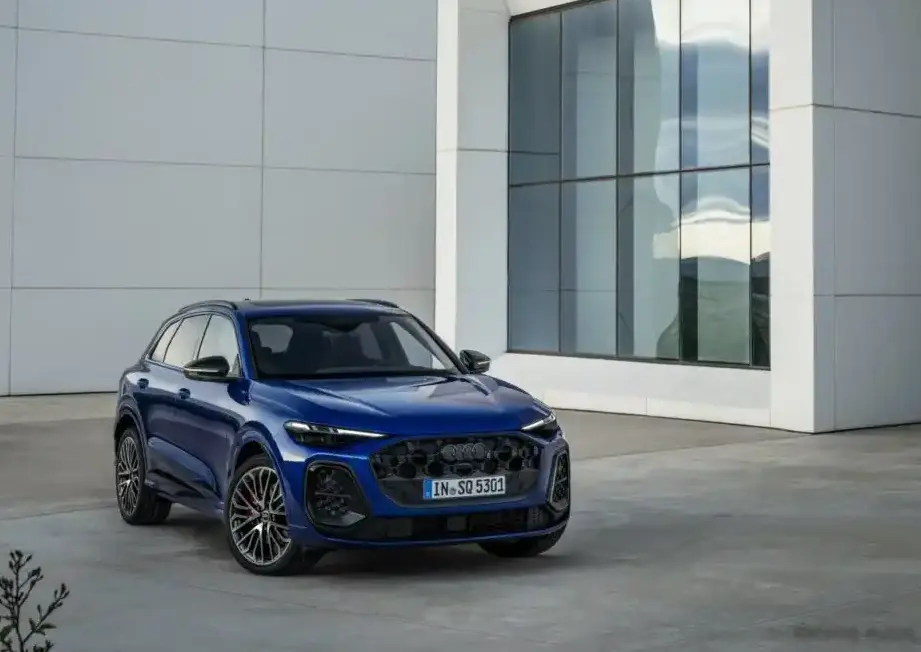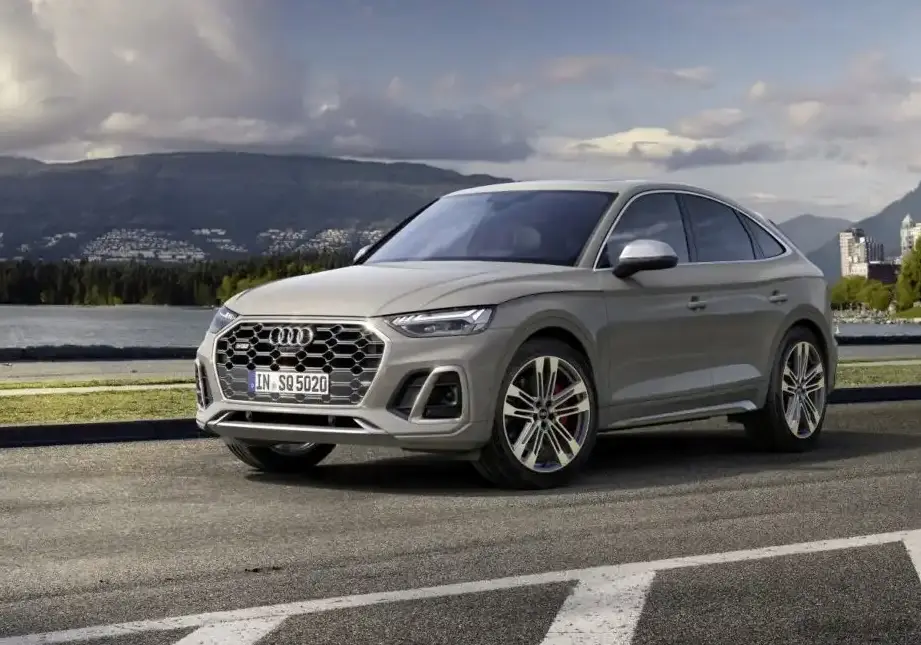
The Audi SQ5 II Sportback (FY, facelift 2020) 3.0 TDI V6 (341 Hp) Mild Hybrid quattro tiptronic represents a performance-oriented iteration of Audi’s popular compact luxury SUV. Introduced with the facelift of the FY generation in 2020 and continuing through the 2024 model year, this variant combines a potent diesel engine with a mild hybrid system and Audi’s renowned quattro all-wheel-drive. It slots into the upper echelon of the SQ5 lineup, offering a balance of performance, practicality, and technology aimed at discerning buyers. The Sportback body style, with its sloping roofline, further distinguishes it from the standard SQ5 SUV, offering a more coupe-like aesthetic.
Technical Specifications
| Brand | Audi |
| Model | SQ5 |
| Generation | SQ5 II Sportback (FY, facelift 2020) |
| Type (Engine) | 3.0 TDI V6 (341 Hp) Mild Hybrid quattro tiptronic |
| Start of production | 2020 |
| End of production | 2024 |
| Powertrain Architecture | MHEV (Mild Hybrid Electric Vehicle) |
| Body type | SUV |
| Seats | 5 |
| Doors | 5 |
| Fuel consumption (urban) | 8.7 l/100 km (27 US mpg, 32.5 UK mpg, 11.5 km/l) |
| Fuel consumption (extra urban) | 6.0 l/100 km (39.2 US mpg, 47.1 UK mpg, 16.7 km/l) |
| Fuel consumption (combined) | 7.0 l/100 km (33.6 US mpg, 40.4 UK mpg, 14.3 km/l) |
| CO2 emissions | 185 g/km |
| Fuel Type | Diesel |
| Acceleration 0 – 100 km/h | 5.1 sec |
| Acceleration 0 – 62 mph | 5.1 sec |
| Acceleration 0 – 60 mph | 4.8 sec |
| Maximum speed | 250 km/h (155.34 mph) |
| Emission standard | Euro 6d-ISC-FCM |
| Weight-to-power ratio | 5.9 kg/Hp |
| Weight-to-torque ratio | 2.9 kg/Nm |
| Power | 341 Hp @ 3800-3950 rpm |
| Torque | 700 Nm @ 1750-3250 rpm (516.29 lb.-ft.) |
| Engine layout | Front, Longitudinal |
| Engine Model/Code | DMKC |
| Engine displacement | 2967 cm3 (181.06 cu. in.) |
| Number of cylinders | 6 |
| Engine configuration | V-engine |
| Number of valves per cylinder | 4 |
| Fuel injection system | Diesel Commonrail |
| Engine aspiration | Turbocharger, Intercooler |
| Engine oil capacity | 6.1 l (6.45 US qt, 5.37 UK qt) |
| Kerb Weight | 2010 kg (4431.29 lbs.) |
| Max. weight | 2660 kg (5864.3 lbs.) |
| Max load | 650 kg (1433 lbs.) |
| Trunk (boot) space (min) | 500 l (17.66 cu. ft.) |
| Trunk (boot) space (max) | 1470 l (51.91 cu. ft.) |
| Fuel tank capacity | 70 l (18.49 US gal, 15.4 UK gal) |
| Max. roof load | 75 kg (165.35 lbs.) |
| Permitted trailer load (braked) | 2400 kg (5291.09 lbs.) |
| Permitted trailer load (unbraked) | 750 kg (1653.47 lbs.) |
| Permitted towbar download | 100 kg (220.46 lbs.) |
| Length | 4689 mm (184.61 in.) |
| Width | 1893 mm (74.53 in.) |
| Width (including mirrors) | 2140 mm (84.25 in.) |
| Height | 1633 mm (64.29 in.) |
| Wheelbase | 2824 mm (111.18 in.) |
| Front track | 1624 mm (63.94 in.) |
| Rear track | 1612 mm (63.46 in.) |
| Front overhang | 910 mm (35.83 in.) |
| Rear overhang | 955 mm (37.6 in.) |
| Minimum turning circle | 11.8 m (38.71 ft.) |
| Drivetrain Architecture | ICE and electric motor, permanent all-wheel drive |
| Drive wheel | All wheel drive (4×4) |
| Number of gears | 8 |
| Gearbox type | Automatic transmission tiptronic |
| Front suspension | Independent multi-link suspension |
| Rear suspension | Independent multi-link suspension |
| Front brakes | Ventilated discs |
| Rear brakes | Ventilated discs |
| Assisting systems | ABS (Anti-lock braking system) |
| Steering type | Steering rack and pinion |
| Power steering | Electric |
| Tires size | 255/45 R20 |
| Wheel rims size | 8J x 20 |
INTRODUCTION
The Audi SQ5 II Sportback, specifically the 3.0 TDI V6 (341 Hp) Mild Hybrid quattro tiptronic variant, arrived as part of the FY generation’s mid-cycle refresh in 2020. Building upon the already successful Q5 platform (shared with the Volkswagen Tiguan and other group vehicles), the SQ5 Sportback aimed to deliver a more dynamic and visually appealing experience. The Sportback designation refers to the coupe-like roofline, differentiating it from the more traditional SUV profile of the standard Q5. This model year saw significant updates to the infotainment system, exterior styling, and powertrain refinements, including the integration of a 48-volt mild hybrid system. Positioned as a premium offering, it competed with rivals like the Porsche Macan, BMW X4, and Mercedes-Benz GLC Coupe.
Powertrain & Engine Architecture
At the heart of the SQ5 Sportback lies the DMKC engine, a 3.0-liter V6 turbocharged diesel engine. This engine is a member of Audi’s modular engine family and benefits from years of refinement. The engine produces 341 horsepower at 3800-3950 rpm and a substantial 700 Nm (516 lb-ft) of torque between 1750 and 3250 rpm. The key to its performance is a sophisticated common-rail direct injection system, delivering fuel at extremely high pressures for optimal combustion. The turbocharger, coupled with an intercooler, manages intake air temperature and pressure, maximizing power output. The mild hybrid system, operating on a 48-volt architecture, utilizes a belt-driven starter-generator (BSG) to enable features like extended start-stop operation, coasting with the engine switched off, and a small boost in acceleration. The engine is paired with Audi’s eight-speed tiptronic automatic transmission, known for its smooth and quick shifts. This transmission is designed to handle the engine’s high torque output and offers both automatic and manual shift modes.
Driving Characteristics
The SQ5 Sportback 3.0 TDI delivers a refined and powerful driving experience. The 700 Nm of torque is readily available, providing strong acceleration from low engine speeds. The eight-speed tiptronic transmission contributes to this, offering seamless gear changes and keeping the engine within its optimal power band. While not as overtly sporty as some competitors, the SQ5 Sportback offers a comfortable yet engaging ride. The quattro all-wheel-drive system provides excellent traction in all weather conditions, enhancing stability and confidence. Compared to the standard Q5 models, the SQ5 Sportback benefits from a sport-tuned suspension, resulting in reduced body roll and improved handling. The mild hybrid system is largely transparent to the driver, contributing to improved fuel economy without sacrificing performance. Acceleration from 0-60 mph is typically achieved in around 4.8 seconds, making it a genuinely quick SUV.
Equipment & Trim Levels
The SQ5 Sportback in this configuration typically came well-equipped as standard. Interior features included sport seats upholstered in a combination of Alcantara and leather, a flat-bottomed steering wheel, and brushed aluminum trim. The MMI touch response infotainment system, with its dual touchscreen displays, was a centerpiece of the cabin. Standard safety features included Audi pre sense basic, lane departure warning, and automatic emergency braking. Optional extras included a panoramic sunroof, a Bang & Olufsen sound system, adaptive cruise control, and a head-up display. The Sportback trim also included unique exterior styling elements, such as a distinctive rear spoiler and chrome accents.
Chassis & Braking
The SQ5 Sportback features a fully independent suspension system, with multi-link setups at both the front and rear. This configuration provides a comfortable ride while maintaining good handling characteristics. The suspension is tuned to be slightly firmer than the standard Q5, enhancing body control. Braking duties are handled by ventilated discs on all four wheels, providing ample stopping power. The electronic stability control (ESC) system is integrated with the quattro all-wheel-drive system to optimize traction and stability. The steering is an electromechanical power steering system, offering precise and responsive control.
Market Reception & Comparison
The Audi SQ5 Sportback 3.0 TDI was generally well-received by automotive critics. It was praised for its powerful engine, comfortable ride, and refined interior. The Sportback body style was also seen as a positive, adding a touch of style and sophistication. Compared to the standard Q5, the SQ5 Sportback offered a significant performance upgrade. Compared to the petrol-powered SQ5 variants, the TDI version offered superior fuel economy and torque. However, some critics noted that the SQ5 Sportback wasn’t quite as engaging to drive as some of its more focused rivals, such as the Porsche Macan. Fuel economy figures of around 33.6 US mpg combined were competitive for its class.
Legacy
The 3.0 TDI engine in the SQ5 Sportback has proven to be a reliable and durable powertrain. While diesel engines have faced increased scrutiny in recent years, this particular engine has a good reputation for longevity, provided it receives regular maintenance. The mild hybrid system has also proven to be relatively trouble-free. On the used car market, the SQ5 Sportback 3.0 TDI remains a desirable option for buyers seeking a blend of performance, luxury, and fuel efficiency. Its combination of power, practicality, and Audi’s renowned build quality ensures its continued appeal for years to come.