
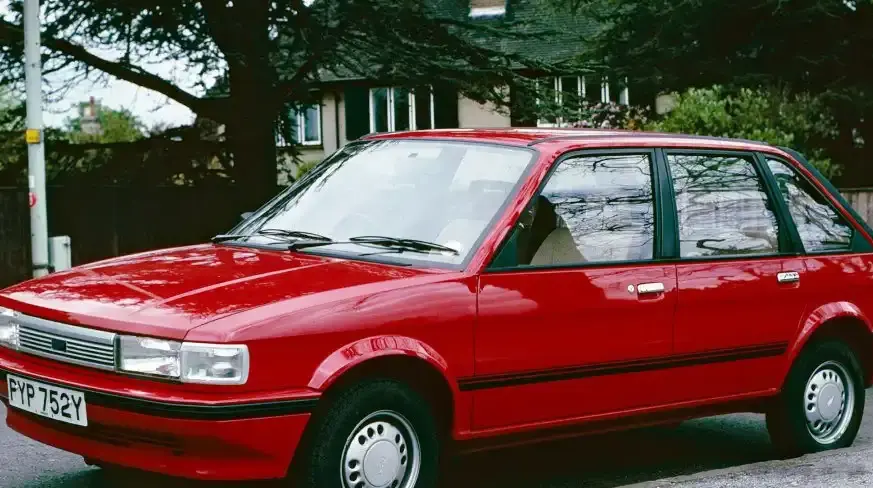
The Austin Maestro 1.6 MG, produced from 1983 to 1990, represented a significant attempt by British Leyland (later Austin Rover Group) to modernize its small family car offerings. Positioned as a mid-range trim within the XC Maestro series, the 1.6 MG aimed to provide a balance of performance and affordability, appealing to buyers seeking a more spirited driving experience than the base models. It was a key component of the Maestro’s effort to replace the aging Austin Allegro and Morris Ital, and competed directly with rivals like the Ford Escort and Vauxhall Astra in the UK market. The Maestro, despite its innovative features for the time, ultimately faced challenges in terms of build quality and market perception, contributing to its relatively short production run.
Technical Specifications
| Brand | Austin |
| Model | Maestro |
| Generation | Maestro (XC) |
| Type (Engine) | 1.6 MG (XC) (99 Hp) |
| Start of Production | 1983 |
| End of Production | 1990 |
| Powertrain Architecture | Internal Combustion Engine |
| Body Type | Hatchback |
| Fuel Type | Petrol (Gasoline) |
| Power | 99 Hp |
| Engine Aspiration | Naturally Aspirated |
Powertrain & Engine Architecture
The Austin Maestro 1.6 MG was powered by the O-Series engine, a 1598cc inline-four cylinder unit. This engine, designated as the ‘M’ series within the O-Series family, featured a single overhead camshaft (SOHC) and a two-barrel carburetor. While not a particularly advanced design by the 1980s standards, the O-Series was known for its robustness and relatively simple maintenance. The 99 horsepower output was achieved at 5,500 rpm, with peak torque of approximately 95 lb-ft at 3,500 rpm. The engine utilized a cast iron block and cylinder head, contributing to its durability. The 1.6 MG was typically paired with a four-speed manual gearbox, but a three-speed automatic transmission was also offered, though less common. The automatic transmission, a Borg-Warner unit, was known for its smooth operation but contributed to slightly reduced fuel economy and acceleration compared to the manual version. The engine’s fuel system relied on a Zenith-Stromberg carburetor, which, while reliable, was less efficient and precise than fuel injection systems becoming prevalent in other contemporary vehicles.
Driving Characteristics
The Maestro 1.6 MG offered a noticeable step up in performance compared to the lower-spec models equipped with the 1.3-liter engine. The 99 hp engine provided adequate acceleration for everyday driving, although it wasn’t considered particularly sporty. The four-speed manual gearbox allowed for reasonably quick shifts, while the automatic version, while convenient, resulted in a more relaxed, but less engaging, driving experience. The gear ratios were tuned for fuel economy and drivability rather than outright performance. The automatic transmission, in particular, felt somewhat sluggish when attempting quick overtaking maneuvers. Handling was generally considered competent, with a MacPherson strut front suspension and a twist-beam rear axle. However, the Maestro’s relatively high ride height and somewhat vague steering contributed to a less precise feel compared to some of its rivals. The 1.6 MG benefitted from slightly uprated suspension components compared to the base models, offering a marginally firmer ride and improved body control.
Equipment & Trim Levels
The 1.6 MG trim level positioned itself as a mid-range offering within the Maestro lineup. Standard equipment included features such as reclining front seats, a basic stereo radio, and upgraded interior trim compared to the base models. The MG variant also featured a more comprehensive instrument panel, including a rev counter, which was absent in the lower trims. Exterior features included body-colored bumpers and door handles, and often, a rear window wiper. Optional extras available for the 1.6 MG included electric front windows, a sunroof, and upgraded upholstery. Interior upholstery was typically cloth, available in a range of colors and patterns. The dashboard layout was functional but somewhat dated, even for the 1980s, with a focus on practicality rather than aesthetic appeal. The MG trim also included a more substantial steering wheel and door cards compared to the more basic models.
Chassis & Braking
The Austin Maestro utilized a monocoque chassis construction, providing a reasonable level of structural rigidity. The front suspension consisted of MacPherson struts with an anti-roll bar, while the rear suspension employed a twist-beam axle. The 1.6 MG variant typically featured slightly stiffer springs and dampers compared to the lower-spec models, improving handling and ride quality. Braking was initially provided by front disc brakes and rear drum brakes. Later models, however, were often upgraded with rear disc brakes, offering improved stopping power. The braking system was hydraulically assisted, providing adequate stopping performance for everyday driving. The Maestro’s steering was a rack and pinion system, but it was often criticized for its lack of feel and precision. Tire size was typically 175/70 R14, providing a reasonable balance of grip and ride comfort.
Market Reception & Comparison
The Austin Maestro 1.6 MG received mixed reviews from automotive critics. While the engine was praised for its robustness and adequate performance, the car was often criticized for its build quality, dated interior, and somewhat uninspired styling. Compared to rivals like the Ford Escort and Vauxhall Astra, the Maestro was often perceived as being less refined and less technologically advanced. The 1.6 MG offered a reasonable fuel economy of around 35-40 mpg, depending on driving conditions. However, the automatic transmission version typically returned slightly lower figures. Reliability was a mixed bag, with some owners reporting frequent mechanical issues, while others experienced relatively trouble-free ownership. The 1.6 MG represented a compromise between performance and economy, appealing to buyers who wanted a more spirited driving experience than the base models but didn’t require the higher performance of the MG Turbo or Vitesse variants.
Legacy
The Austin Maestro, despite its shortcomings, remains a significant vehicle in British automotive history. It represented a final attempt by British Leyland to create a modern and competitive small family car. The 1.6 MG variant, while not the most sought-after model, is still appreciated by enthusiasts for its robust engine and relatively simple mechanics. Today, surviving examples of the Maestro 1.6 MG are becoming increasingly rare, and well-maintained examples are sought after by collectors and classic car enthusiasts. The O-Series engine, in particular, is known for its durability and is relatively easy to maintain, making it a popular choice for restoration projects. While the Maestro didn’t achieve the commercial success that Austin Rover hoped for, it remains a fondly remembered vehicle for many who grew up in the 1980s.
