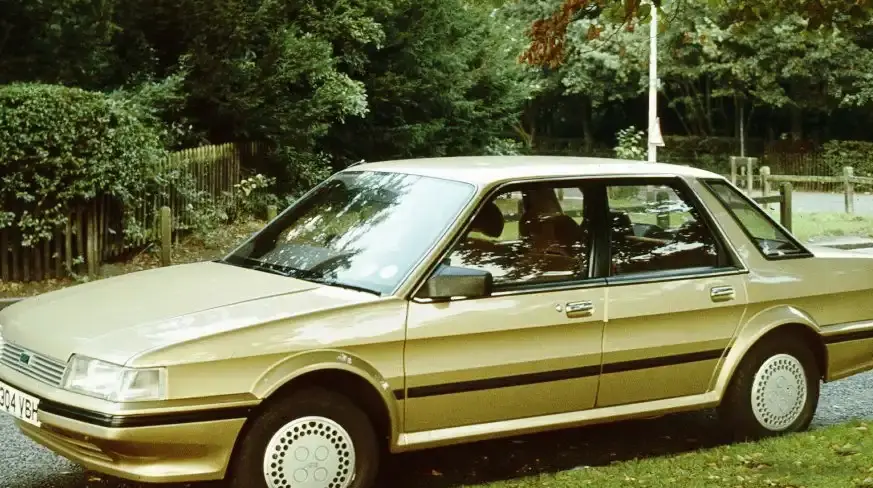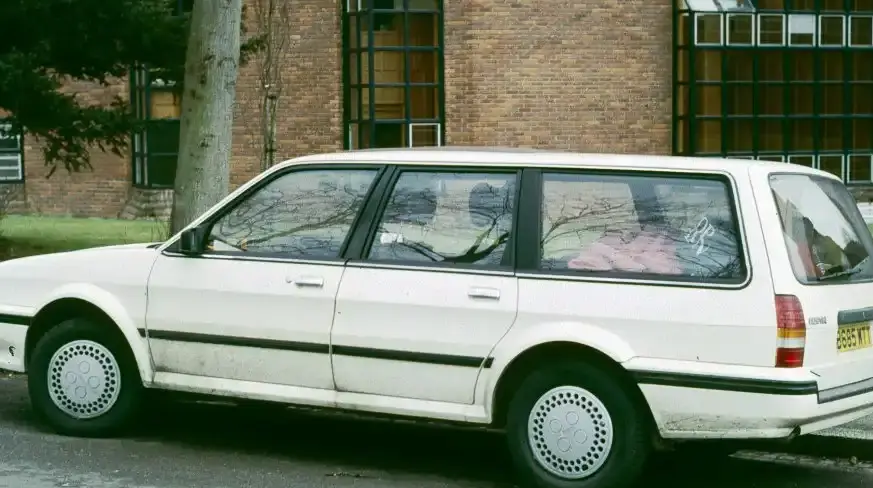
The Austin Montego Combi (XE) 2.0 HLI, produced between 1984 and 1988, represented a significant offering in the British Leyland (later Austin Rover Group) lineup. As a station wagon (estate) variant of the Montego, it aimed to provide practicality and space for families, while the 2.0 HLI trim level positioned it as a mid-range option offering a balance between performance and affordability. The Montego itself was intended to replace the aging Morris Ital and Austin Ambassador, offering a more modern and competitive vehicle in the large family car segment. The Combi body style, in particular, was crucial for appealing to buyers needing increased cargo capacity, a popular requirement in the European market.
Technical Specifications
| Brand | Austin |
| Model | Montego |
| Generation | Montego Combi (XE) |
| Type (Engine) | 2.0 HLI (113 Hp) |
| Start of production | 1984 |
| End of production | 1988 |
| Powertrain Architecture | Internal Combustion engine |
| Body type | Station wagon (estate) |
| Fuel Type | Petrol (Gasoline) |
| Power | 113 Hp |
| Engine aspiration | Naturally aspirated engine |
Powertrain & Engine Architecture
The 2.0 HLI engine, designated as the ‘O’ series, was a naturally aspirated, inline-four cylinder petrol engine. It displaced 1,994 cc (121.6 cubic inches) and featured a single overhead camshaft (SOHC) design. The HLI designation indicated the use of a high-compression ratio and Bosch K-Jetronic fuel injection, contributing to its 113 horsepower output. This fuel injection system, while advanced for its time, was known for requiring precise maintenance to ensure optimal performance. The engine’s valvetrain consisted of two valves per cylinder. The engine was paired with a four-speed automatic transmission, a Chrysler Torqueflite unit, which was a common choice for British Leyland vehicles of the era. This transmission, while generally reliable, was not known for its particularly quick or smooth shifts compared to more modern automatics.
Driving Characteristics
The Montego Combi 2.0 HLI offered a comfortable, if not particularly sporty, driving experience. The automatic transmission provided ease of use, especially in urban environments, but at the expense of outright acceleration. The 113 hp engine provided adequate power for cruising on motorways and handling moderate loads, but it could feel strained when fully loaded or tackling steep inclines. Compared to the manual transmission versions of the 2.0 HLI, the automatic suffered a noticeable performance penalty due to the transmission’s inherent efficiency losses. The gear ratios were tuned for fuel economy and relaxed cruising rather than spirited driving. The Montego’s suspension, while designed for comfort, could exhibit some body roll in corners, typical of large family cars of the period. Steering was power-assisted, making maneuvering relatively easy, but lacked significant feedback.
Equipment & Trim Levels
The 2.0 HLI trim level placed the Combi in a mid-range position within the Montego lineup. Standard equipment typically included cloth upholstery, a basic stereo system, and central locking. The interior design was functional rather than luxurious, reflecting the car’s price point. Optional extras included a sunroof, upgraded stereo systems, and metallic paint finishes. The dashboard layout was relatively straightforward, with clearly marked gauges and controls. The Combi’s estate body style naturally offered a large cargo area, accessible through a rear tailgate. Rear seats could be folded down to further increase cargo capacity, making it a practical choice for families and those needing to transport bulky items.
Chassis & Braking
The Montego Combi utilized a conventional body-on-frame construction, which was becoming less common in the 1980s as manufacturers shifted towards unibody designs. The front suspension consisted of MacPherson struts, while the rear suspension employed a live axle with trailing arms. Braking was initially provided by disc brakes on the front wheels and drum brakes on the rear wheels. Later models saw the introduction of rear disc brakes on some variants. The braking system was hydraulically assisted, providing adequate stopping power for normal driving conditions. Stabilizer bars were fitted to both the front and rear axles to reduce body roll during cornering. The Montego’s chassis was designed to prioritize ride comfort over handling precision.
Market Reception & Comparison
The Austin Montego Combi 2.0 HLI received mixed reviews from automotive critics. While praised for its spaciousness and practicality, it was often criticized for its somewhat dated design and lack of refinement compared to more modern competitors, such as the Ford Sierra and Vauxhall Cavalier. The automatic transmission was a point of contention, with some reviewers finding it sluggish and unresponsive. Fuel economy was considered average for the time, but not particularly impressive. Compared to the 2.0 HLI manual version, the automatic offered less performance but greater convenience. The 2.5 V6 engine offered significantly more power but came at a higher price point and with increased fuel consumption. The diesel versions of the Montego provided better fuel economy but lacked the refinement of the petrol engines.
Legacy
The Austin Montego, and particularly the Combi variant, represents a somewhat bittersweet chapter in British automotive history. While it offered a practical and affordable option for families, it ultimately failed to achieve the sales success that British Leyland had hoped for. The ‘O’ series engine, however, proved to be a durable and reliable unit, and continued to be used in other Rover Group vehicles for many years. The Chrysler Torqueflite automatic transmission, while not cutting-edge, was also known for its robustness. Today, the Montego Combi 2.0 HLI is a relatively rare sight on the roads, and well-maintained examples are becoming increasingly sought after by classic car enthusiasts. Its long-term reliability is generally good, provided that regular maintenance has been carried out, particularly regarding the K-Jetronic fuel injection system. Parts availability can be a challenge, but a dedicated network of specialist suppliers exists to support owners of these classic vehicles. The Montego Combi serves as a reminder of a time when British Leyland was striving to compete in the global automotive market, and its legacy continues to be appreciated by those who remember it fondly.