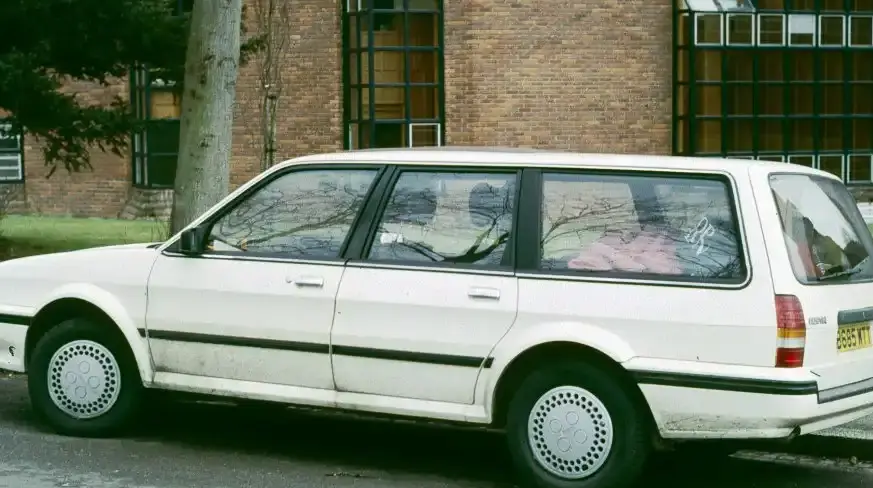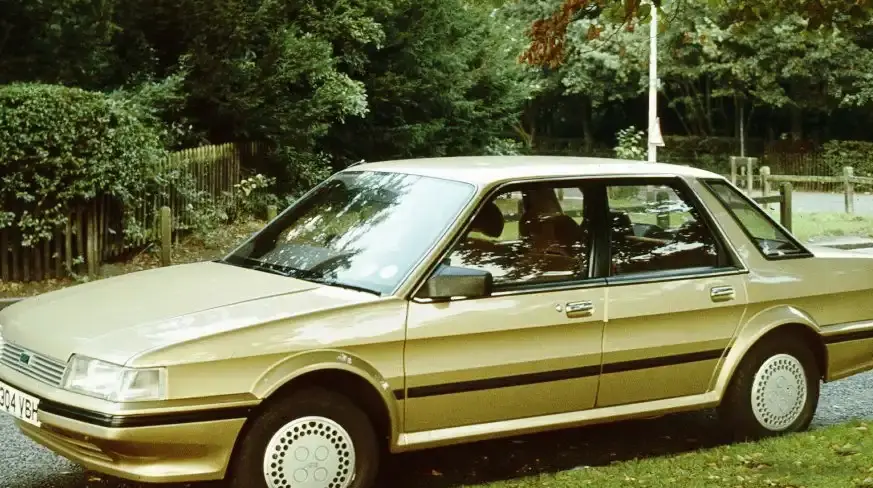
The Austin Montego 2.0 Mayfair, produced between 1984 and 1988, represented a significant effort by British Leyland (later Austin Rover Group) to compete in the mid-size family car segment. Positioned as a more upmarket offering within the Montego range, the Mayfair trim level aimed to provide a blend of comfort, style, and reasonable performance. The Montego itself, designated the XE series, was intended to replace both the aging Austin Ambassador and the Morris Ital, consolidating British Leyland’s offerings. It was built at the Cowley plant in Oxford, England, and represented a relatively modern design for its time, though it faced considerable competition from both domestic and imported rivals.
Technical Specifications
| Brand | Austin |
| Model | Montego |
| Generation | Montego (XE) |
| Type | 2.0 Mayfair (113 Hp) |
| Start of Production | 1984 |
| End of Production | 1988 |
| Powertrain Architecture | Internal Combustion Engine |
| Body Type | Sedan |
| Fuel Type | Petrol (Gasoline) |
| Engine Power | 113 Hp |
| Engine Aspiration | Naturally Aspirated |
Powertrain & Engine Architecture
The 2.0-liter ‘O’ series engine powering the Montego Mayfair was a naturally aspirated, inline-four cylinder unit. This engine, derived from earlier British Leyland designs, featured a cast iron block and an aluminum cylinder head. The Mayfair variant produced 113 horsepower (84 kW) at 5,200 rpm, and 125 lb-ft (170 Nm) of torque at 3,500 rpm. Fuel delivery was managed by a Bosch K-Jetronic mechanical fuel injection system, a relatively sophisticated setup for the period, intended to improve fuel efficiency and reduce emissions compared to earlier carbureted engines. The engine utilized a single overhead camshaft (SOHC) valvetrain with eight valves. The transmission offered in the Mayfair was typically a four-speed automatic, although a five-speed manual was also available as an option. The automatic transmission, a Borg-Warner unit, was chosen to appeal to buyers prioritizing comfort and ease of driving over outright performance.
Driving Characteristics
The Montego 2.0 Mayfair, with its automatic transmission, offered a comfortable but not particularly sporty driving experience. Acceleration was adequate for everyday driving, with a 0-60 mph time of around 11-12 seconds. The automatic transmission, while smooth, did detract from the engine’s available power, resulting in a noticeable delay in response. Compared to the manual transmission versions, the automatic felt somewhat sluggish, particularly when overtaking. The gear ratios were geared towards fuel economy and relaxed cruising rather than spirited performance. The suspension, while providing a reasonably comfortable ride, could feel somewhat wallowy in corners, a common characteristic of British cars of this era. Steering was power-assisted, making maneuvering easy, but lacked significant feedback.
Equipment & Trim Levels
The Mayfair trim level represented a step up in terms of equipment and interior refinement compared to the base Montego models. Standard features included velour upholstery, a wood-effect dashboard trim, and a more comprehensive instrument panel. Door cards featured map pockets and armrests. The Mayfair also benefited from features like a rear window wiper, tinted glass, and a more substantial stereo system. Optional extras included a sunroof, central locking, and upgraded wheel trims. The interior design, while functional, was somewhat dated even at the time of launch, reflecting the constraints of British Leyland’s design and manufacturing capabilities. The Mayfair aimed to provide a more premium feel, but it didn’t quite match the sophistication of some of its European and Japanese competitors.
Chassis & Braking
The Montego was based on a conventional front-engine, rear-wheel-drive layout. The suspension consisted of MacPherson struts at the front and a live axle with trailing arms at the rear. The Mayfair typically featured a front anti-roll bar (stabilizer bar) to reduce body roll during cornering. Braking was initially provided by disc brakes at the front and drum brakes at the rear. Later models saw the introduction of rear disc brakes on some variants, but the Mayfair generally retained the drum setup. The braking system was hydraulic, with power assistance. The Montego’s chassis, while robust, was not particularly lightweight, contributing to its somewhat ponderous handling characteristics. The steering was a rack-and-pinion system, providing reasonable precision.
Market Reception & Comparison
The Austin Montego 2.0 Mayfair received a mixed reception from automotive critics. While praised for its comfortable ride and relatively spacious interior, it was often criticized for its dated design, lackluster performance (particularly with the automatic transmission), and perceived build quality issues. Compared to rivals like the Ford Sierra and Vauxhall Cavalier, the Montego was often seen as less refined and less dynamically engaging. The 2.0-liter engine offered a reasonable balance between performance and fuel economy, achieving around 25-30 mpg in typical driving conditions. However, the automatic transmission reduced fuel efficiency compared to the manual gearbox. The Mayfair trim level, while offering more equipment, was often considered overpriced compared to its competitors, especially given the Montego’s reputation for reliability.
Legacy
The Austin Montego, and the 2.0 Mayfair variant specifically, has not achieved classic status in the same way as some other British cars of the era. However, it remains a relatively affordable and accessible classic for enthusiasts. The ‘O’ series engine, while not known for its outright performance, is generally considered to be a durable and reliable unit, provided it is properly maintained. The automatic transmission, however, can be prone to issues if not serviced regularly. Today, surviving examples of the Montego 2.0 Mayfair are becoming increasingly rare, and well-maintained examples are sought after by collectors and enthusiasts interested in preserving a piece of British automotive history. The car serves as a reminder of a period of significant challenges for the British automotive industry, and a testament to the enduring appeal of classic British motoring.