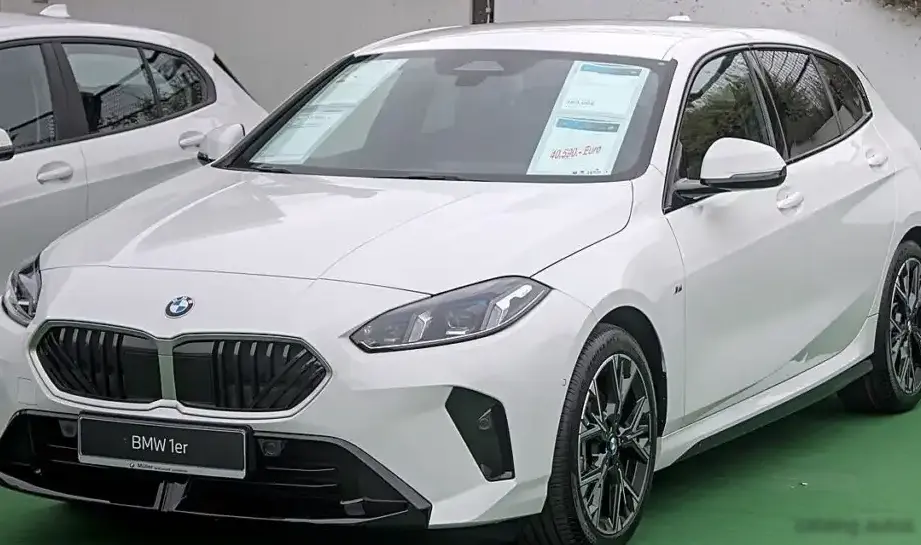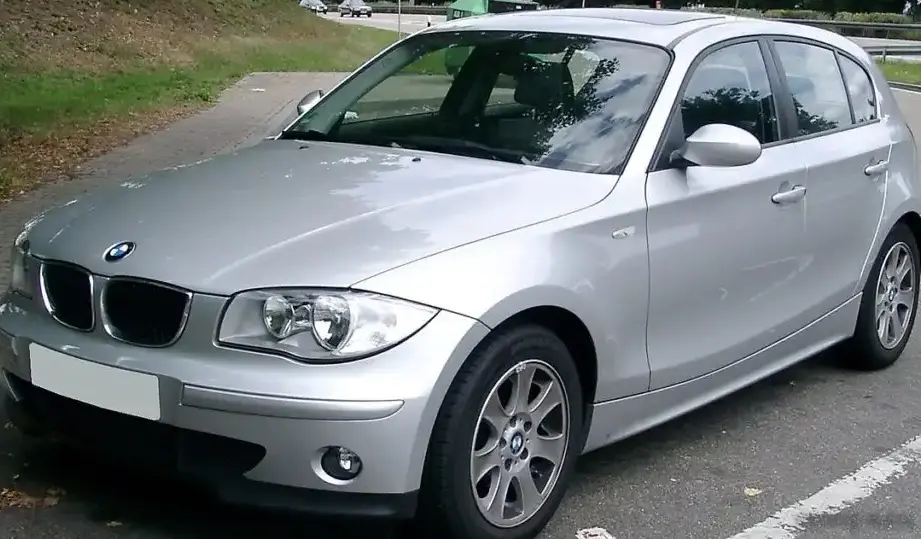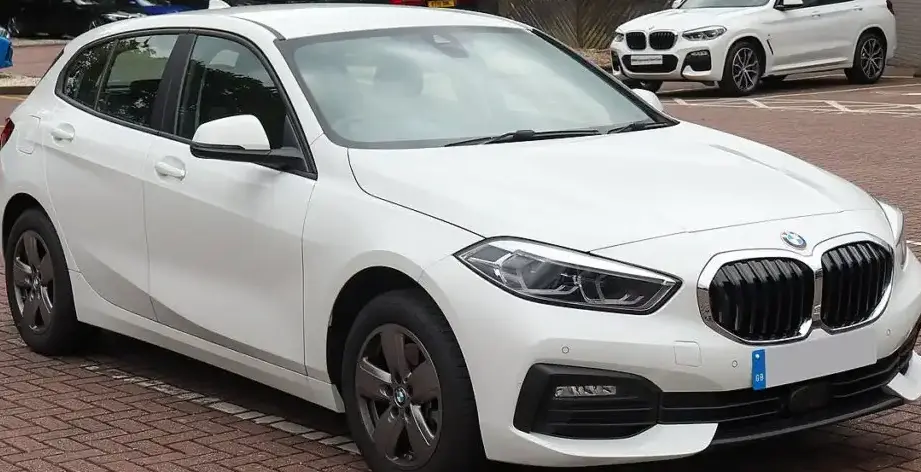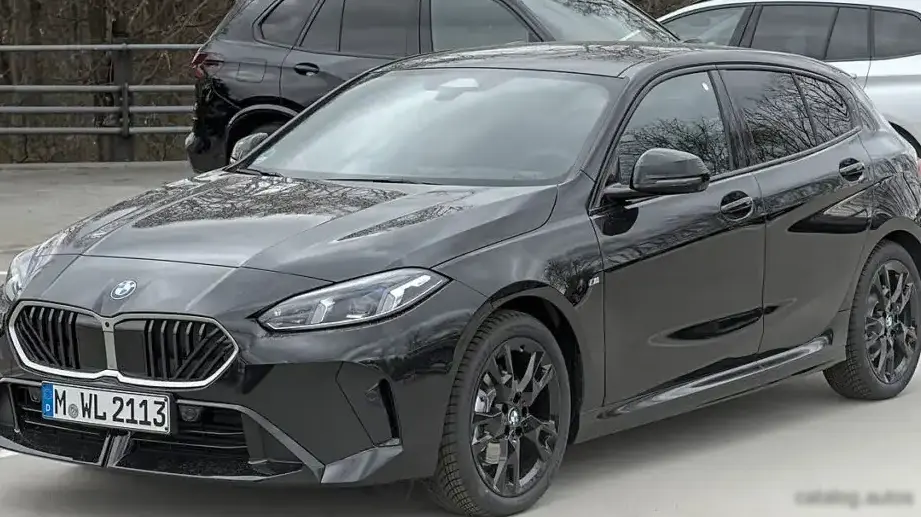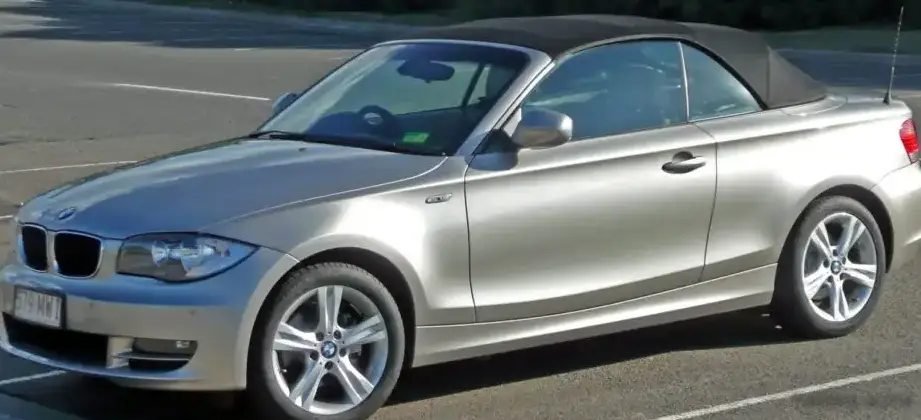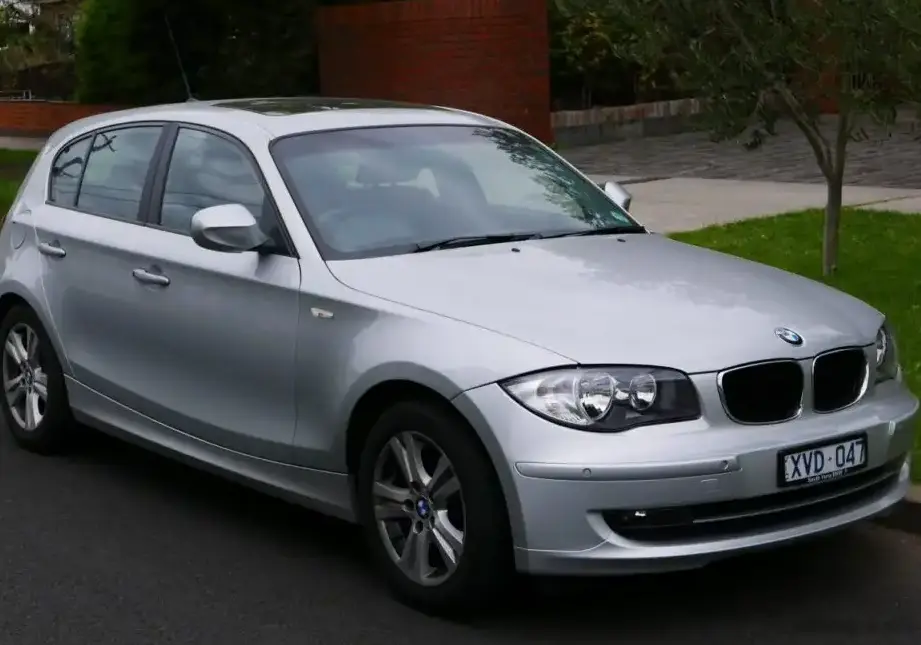
The BMW 1 Series E87, particularly the 116i variant produced from 2009 to 2011, represented BMW’s entry into the premium compact hatchback segment. This model, part of the E87 LCI (Life Cycle Impulse) facelift, aimed to offer a more accessible and fuel-efficient option within the 1 Series range, while still retaining the brand’s focus on driving dynamics. Positioned as the base model, the 116i served as an alternative to more powerful and expensive 1 Series trims like the 120d or 130i. It was primarily marketed in Europe, where the compact hatchback class is particularly popular, and offered a rear-wheel-drive experience uncommon in its class.
Technical Specifications
| Brand | BMW |
| Model | 1 Series |
| Generation | 1 Series Hatchback 5dr (E87 LCI, facelift 2007) |
| Type (Engine) | 116i (122 Hp) |
| Start of production | 2009 |
| End of production | 2011 |
| Powertrain Architecture | Internal Combustion engine |
| Body type | Hatchback |
| Seats | 5 |
| Doors | 5 |
| Fuel consumption (urban) | 7.9 l/100 km (29.8 US mpg, 35.8 UK mpg, 12.7 km/l) |
| Fuel consumption (extra urban) | 5.1 l/100 km (46.1 US mpg, 55.4 UK mpg, 19.6 km/l) |
| Fuel consumption (combined) | 6.1 l/100 km (38.6 US mpg, 46.3 UK mpg, 16.4 km/l) |
| CO2 emissions | 143 g/km |
| Fuel Type | Petrol (Gasoline) |
| Acceleration 0 – 100 km/h | 9.9 sec |
| Acceleration 0 – 62 mph | 9.9 sec |
| Acceleration 0 – 60 mph | 9.4 sec |
| Maximum speed | 204 km/h (126.76 mph) |
| Emission standard | Euro 5 |
| Weight-to-power ratio | 10.5 kg/Hp, 95.7 Hp/tonne |
| Weight-to-torque ratio | 6.9 kg/Nm, 145.1 Nm/tonne |
| Power | 122 Hp @ 6000 rpm |
| Torque | 185 Nm @ 3000-4250 rpm (136.45 lb.-ft. @ 3000-4250 rpm) |
| Engine layout | Front, Longitudinal |
| Engine Model/Code | N43B20A |
| Engine displacement | 1995 cm3 (121.74 cu. in.) |
| Number of cylinders | 4 |
| Engine configuration | Inline |
| Cylinder Bore | 84 mm (3.31 in.) |
| Piston Stroke | 90 mm (3.54 in.) |
| Compression ratio | 12:1 |
| Number of valves per cylinder | 4 |
| Fuel injection system | Direct injection |
| Engine aspiration | Naturally aspirated engine |
| Engine oil capacity | 4.25 l (4.49 US qt | 3.74 UK qt) |
| Coolant | 7.2 l (7.61 US qt | 6.34 UK qt) |
| Kerb Weight | 1275 kg (2810.89 lbs.) |
| Max. weight | 1775 kg (3913.21 lbs.) |
| Max load | 500 kg (1102.31 lbs.) |
| Trunk (boot) space – minimum | 330 l (11.65 cu. ft.) |
| Trunk (boot) space – maximum | 1150 l (40.61 cu. ft.) |
| Fuel tank capacity | 53 l (14 US gal | 11.66 UK gal) |
| Max. roof load | 75 kg (165.35 lbs.) |
| Permitted trailer load with brakes (8%) | 1200 kg (2645.55 lbs.) |
| Permitted trailer load with brakes (12%) | 1200 kg (2645.55 lbs.) |
| Permitted trailer load without brakes | 650 kg (1433 lbs.) |
| Permitted towbar download | 75 kg (165.35 lbs.) |
| Length | 4239 mm (166.89 in.) |
| Width | 1748 mm (68.82 in.) |
| Width including mirrors | 1934 mm (76.14 in.) |
| Height | 1421 mm (55.94 in.) |
| Wheelbase | 2660 mm (104.72 in.) |
| Front track | 1484 mm (58.43 in.) |
| Rear (Back) track | 1497 mm (58.94 in.) |
| Front overhang | 751 mm (29.57 in.) |
| Rear overhang | 828 mm (32.6 in.) |
| Drag coefficient (Cd) | 0.29 |
| Drivetrain Architecture | The Internal combustion engine (ICE) drives the rear wheels of the vehicle. |
| Drive wheel | Rear wheel drive |
| Number of gears and type of gearbox | 6 gears, manual transmission |
| Front suspension | Independent type McPherson, Transverse stabilizer |
| Rear suspension | Independent multi-link suspension, Transverse stabilizer |
| Front brakes | Ventilated discs |
| Rear brakes | Disc |
| Assisting systems | ABS (Anti-lock braking system) |
| Steering type | Steering rack and pinion |
| Power steering | Electric Steering |
| Tires size | 195/55 R16 H |
| Wheel rims size | 6.5 J x 16 |
Powertrain & Engine Architecture
The 116i was powered by the N43B20A, a 2.0-liter (1995 cc) naturally aspirated inline-four cylinder engine. This engine featured direct fuel injection, a technology BMW termed “High Precision Injection,” which allowed for precise fuel delivery and improved efficiency. The N43 engine was known for its relatively complex valvetrain, utilizing variable valve timing (Double-VANOS) on both the intake and exhaust camshafts to optimize performance across the rev range. The engine produced 122 horsepower at 6000 rpm and 185 Nm (136 lb-ft) of torque between 3000 and 4250 rpm. The engine’s longitudinal mounting and rear-wheel-drive configuration were hallmarks of BMW’s engineering philosophy, providing a balanced driving experience. The 116i was exclusively offered with a six-speed manual transmission during its production run.
Driving Characteristics
The 116i, with its 122 hp and six-speed manual gearbox, offered a respectable, though not exhilarating, driving experience. Acceleration from 0 to 60 mph took approximately 9.4 seconds, and top speed was limited to 126.76 mph. While not as quick as the higher-powered 1 Series models, the 116i’s rear-wheel-drive layout provided a balanced chassis and predictable handling. The engine’s torque delivery was relatively linear, requiring drivers to utilize the gearbox to maintain momentum, especially during overtaking maneuvers. Compared to the 120d diesel, the 116i felt less responsive at lower engine speeds but offered a more engaging and traditional petrol engine sound. The manual transmission provided a direct connection to the engine, enhancing the driving experience.
Equipment & Trim Levels
The 116i typically came equipped with a standard level of features, including air conditioning, power windows, central locking, and an audio system. Safety features such as ABS, traction control, and multiple airbags were also standard. Interior upholstery was typically cloth, with options for leather upgrades. Optional extras included a sunroof, upgraded audio systems, parking sensors, and sport seats. The dashboard layout was typical of BMW at the time, with a driver-focused design and high-quality materials. Trim levels were relatively limited, with most customization options available through individual selections rather than distinct packages.
Chassis & Braking
The E87 1 Series featured a MacPherson strut front suspension and a multi-link rear suspension, providing a comfortable yet controlled ride. The 116i’s suspension was tuned for a balance between comfort and handling, offering a slightly softer ride than the more performance-oriented models. Braking duties were handled by ventilated discs at the front and solid discs at the rear. ABS (Anti-lock Braking System) was standard, providing enhanced braking performance and stability. The 116i’s relatively lower weight compared to other 1 Series variants contributed to its agile handling characteristics.
Market Reception & Comparison
The 116i was generally well-received by automotive critics as an entry-level offering that still delivered a premium driving experience. However, some reviewers noted that the engine lacked the outright performance of its rivals and that the price premium over competitors was significant. Fuel economy was a strong point, with combined figures around 38.6 US mpg. Compared to the 120d, the 116i offered a more traditional driving experience but sacrificed fuel efficiency and low-end torque. Against competitors like the Audi A3 and Volkswagen Golf, the 116i stood out with its rear-wheel-drive layout and focus on driving dynamics.
Legacy
The BMW 116i (E87) has become a relatively affordable entry point into BMW ownership in the used car market. The N43 engine, while generally reliable, is known to require regular maintenance, particularly regarding the cooling system and fuel injectors. The timing chain is a potential weak point and should be inspected. Despite these potential issues, the 116i remains a popular choice for enthusiasts seeking a compact, rear-wheel-drive hatchback with a premium badge. Its relatively simple mechanicals and readily available parts make it a viable option for those willing to perform their own maintenance. The E87 1 Series, including the 116i, is remembered for its unique driving dynamics and its contribution to BMW’s brand identity.