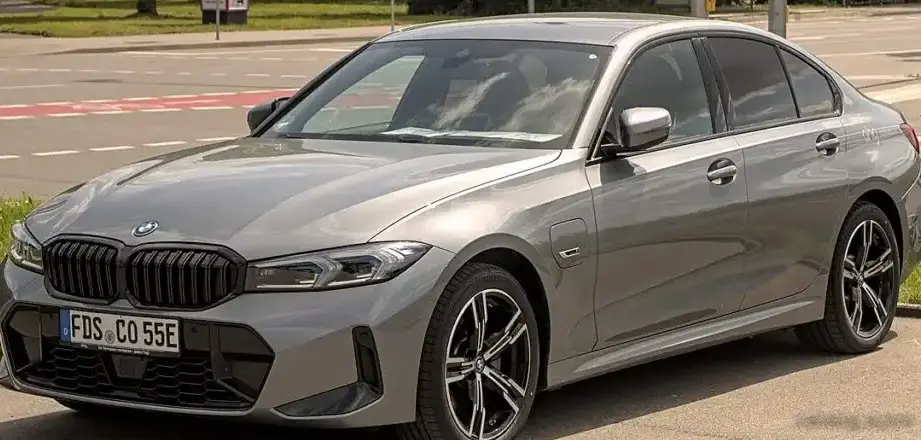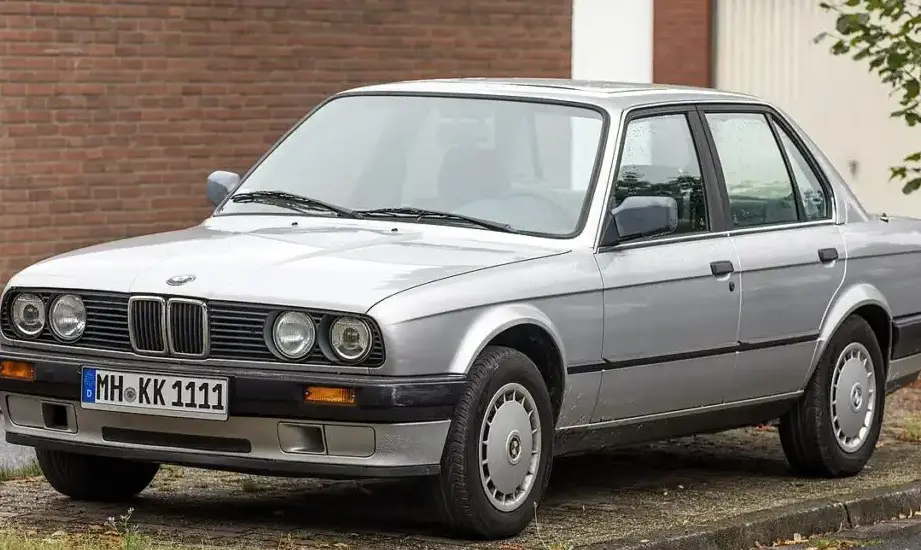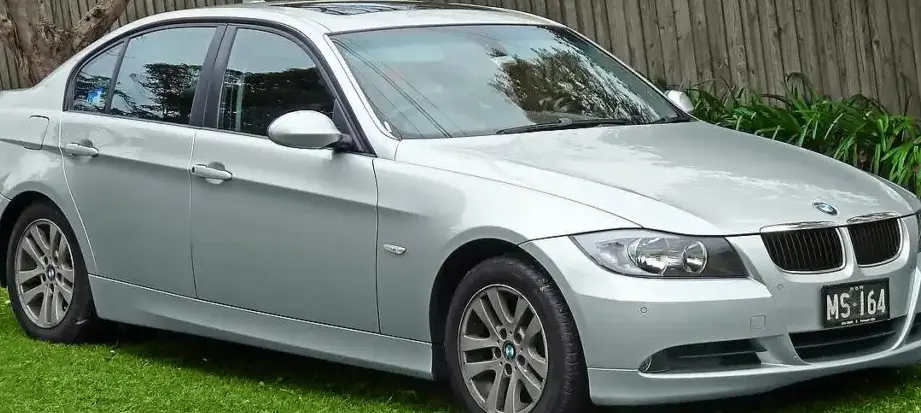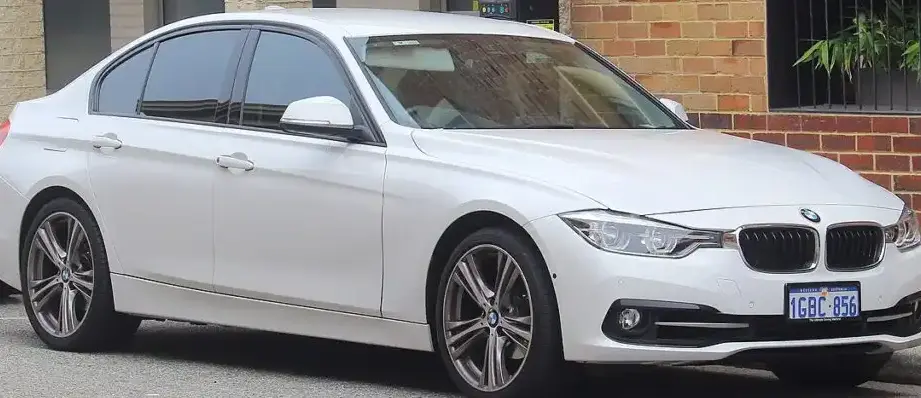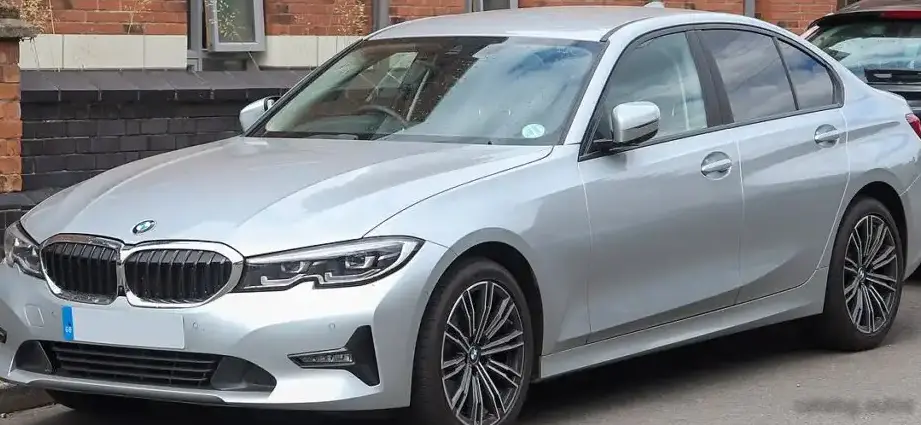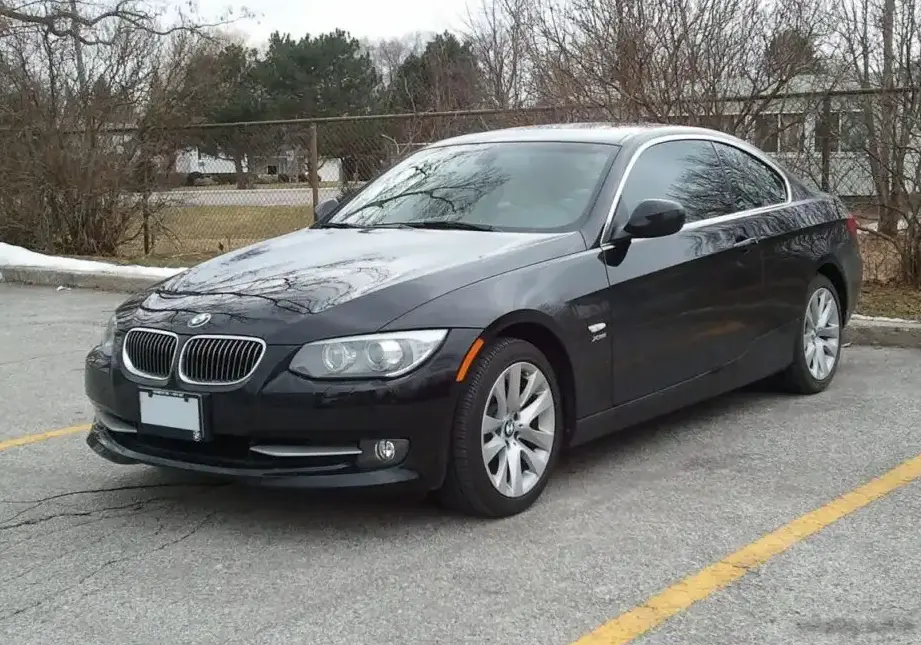
The BMW 3 Series Coupe (E92 LCI), specifically the 320i variant producing 170 horsepower, represents a significant iteration of BMW’s iconic sports sedan lineage. Introduced with the Life Cycle Impulse (LCI) facelift in 2010 and continuing through 2013, this model bridged the gap between the pre-facelift E92 and the subsequent F30 generation. Positioned as the entry-level coupe in the 3 Series range, the 320i offered a balance of performance, efficiency, and BMW’s signature driving dynamics, appealing to a broader audience than its more powerful siblings like the 335i. It was primarily sold in the European market and other regions where coupes remained popular, offering a more accessible entry point into the BMW brand.
Technical Specifications
| Brand | BMW |
| Model | 3 Series |
| Generation | 3 Series Coupe (E92 LCI, facelift 2010) |
| Type (Engine) | 320i (170 Hp) |
| Start of production | 2010 |
| End of production | 2013 |
| Powertrain Architecture | Internal Combustion engine |
| Body type | Coupe |
| Seats | 4 |
| Doors | 2 |
| Fuel consumption (urban) | 8.6 l/100 km (27.4 US mpg, 32.8 UK mpg, 11.6 km/l) |
| Fuel consumption (extra urban) | 5.4 l/100 km (43.6 US mpg, 52.3 UK mpg, 18.5 km/l) |
| Fuel consumption (combined) | 6.6 l/100 km (35.6 US mpg, 42.8 UK mpg, 15.2 km/l) |
| CO2 emissions | 154 g/km |
| Fuel Type | Petrol (Gasoline) |
| Acceleration 0 – 100 km/h | 8.1 sec |
| Acceleration 0 – 62 mph | 8.1 sec |
| Acceleration 0 – 60 mph | 7.7 sec |
| Maximum speed | 230 km/h (142.92 mph) |
| Emission standard | Euro 5 |
| Weight-to-power ratio | 8 kg/Hp, 125 Hp/tonne |
| Weight-to-torque ratio | 6.5 kg/Nm, 154.4 Nm/tonne |
| Power | 170 Hp @ 6700 rpm |
| Power per litre | 85.2 Hp/l |
| Torque | 210 Nm @ 4250 rpm (154.89 lb.-ft. @ 4250 rpm) |
| Engine layout | Front, Longitudinal |
| Engine Model/Code | N43B20A |
| Engine displacement | 1995 cm3 (121.74 cu. in.) |
| Number of cylinders | 4 |
| Engine configuration | Inline |
| Cylinder Bore | 84 mm (3.31 in.) |
| Piston Stroke | 90 mm (3.54 in.) |
| Compression ratio | 12:1 |
| Number of valves per cylinder | 4 |
| Fuel injection system | Direct injection |
| Engine aspiration | Naturally aspirated engine |
| Engine oil capacity | 4.25 l (4.49 US qt | 3.74 UK qt) |
| Coolant | 8.4 l (8.88 US qt | 7.39 UK qt) |
| Kerb Weight | 1360 kg (2998.29 lbs.) |
| Max. weight | 1810 kg (3990.37 lbs.) |
| Max load | 450 kg (992.08 lbs.) |
| Trunk (boot) space – minimum | 440 l (15.54 cu. ft.) |
| Fuel tank capacity | 63 l (16.64 US gal | 13.86 UK gal) |
| Max. roof load | 75 kg (165.35 lbs.) |
| Permitted trailer load with brakes (12%) | 1400 kg (3086.47 lbs.) |
| Permitted trailer load without brakes | 695 kg (1532.21 lbs.) |
| Permitted towbar download | 75 kg (165.35 lbs.) |
| Length | 4612 mm (181.57 in.) |
| Width | 1782 mm (70.16 in.) |
| Width including mirrors | 1961 mm (77.2 in.) |
| Height | 1395 mm (54.92 in.) |
| Wheelbase | 2760 mm (108.66 in.) |
| Front track | 1500 mm (59.06 in.) |
| Rear (Back) track | 1513 mm (59.57 in.) |
| Ride height (ground clearance) | 143 mm (5.63 in.) |
| Drag coefficient (Cd) | 0.27 |
| Minimum turning circle (turning diameter) | 11.0 m (36.09 ft.) |
| Drivetrain Architecture | The Internal combustion engine (ICE) drives the rear wheels of the vehicle. |
| Drive wheel | Rear wheel drive |
| Number of gears and type of gearbox | 6 gears, manual transmission |
| Front suspension | Independent torsion bar, double wishbone |
| Rear suspension | Independent multi-link suspension |
| Front brakes | Ventilated discs |
| Rear brakes | Ventilated discs |
| Assisting systems | ABS (Anti-lock braking system) |
| Steering type | Steering rack and pinion |
| Power steering | Electric Steering |
| Tires size | 225/45 R17 91V |
| Wheel rims size | 8J x 17 |
Powertrain & Engine Architecture
The heart of the 320i was the N43B20A 2.0-liter inline-four cylinder engine. This engine utilized direct fuel injection, a technology that improved both power and fuel efficiency compared to earlier port-injected BMW engines. The N43 featured a relatively high compression ratio of 12:1, contributing to its respectable output. Valvetrain employed double VANOS (variable valve timing) on both intake and exhaust camshafts, optimizing engine breathing across the rev range. The 320i was typically paired with a six-speed manual transmission, although a six-speed automatic transmission was also available. The automatic transmission offered smooth shifts but at the expense of some performance and fuel economy compared to the manual.
Driving Characteristics
The 170 hp 320i Coupe offered a balanced driving experience. While not as overtly sporty as the 335i, it provided ample power for everyday driving and spirited backroad excursions. Acceleration from 0-60 mph took around 7.7 seconds, respectable for its time. The automatic transmission, while convenient, resulted in slightly slower acceleration times and a less engaging driving experience compared to the manual. The car’s rear-wheel-drive layout and well-tuned suspension provided predictable handling and a comfortable ride. The steering was precise and communicative, typical of BMW.
Equipment & Trim Levels
The 320i Coupe came standard with a respectable array of features, including automatic climate control, power windows and locks, and a basic audio system. Upholstery was typically cloth, although leather was available as an option. Common optional extras included a premium sound system, navigation system, sunroof, and sport seats. The LCI facelift brought subtle interior updates, including revised trim materials and updated infotainment options.
Chassis & Braking
The E92 Coupe chassis featured an independent suspension setup at all four corners, with a torsion bar front suspension and a multi-link rear suspension. This configuration provided a good balance of ride comfort and handling precision. The 320i was equipped with ventilated disc brakes on all four wheels, providing adequate stopping power. ABS (Anti-lock Braking System) was standard. The weight distribution was near 50/50, contributing to the car’s balanced handling characteristics.
Market Reception & Comparison
The 320i Coupe was generally well-received by automotive critics. It was praised for its refined driving dynamics, comfortable ride, and relatively fuel-efficient engine. Compared to the more powerful 335i, the 320i offered a more affordable entry point into the 3 Series Coupe range, but at the cost of outright performance. The 320d (diesel) variant offered similar fuel economy with slightly more torque, appealing to drivers prioritizing efficiency. The 320i’s fuel economy was competitive for its class, averaging around 35.6 US mpg in combined driving.
Legacy
The N43 engine, while generally reliable, is known to be susceptible to certain issues, including oil leaks and timing chain wear. Regular maintenance and timely oil changes are crucial for ensuring its longevity. The E92 320i Coupe has become a popular choice among enthusiasts seeking an affordable and well-rounded sports coupe. Its classic BMW styling, engaging driving dynamics, and relatively simple mechanicals make it a compelling option in the used car market. Parts availability remains good, and the car’s relatively straightforward design makes it relatively easy to maintain and repair.