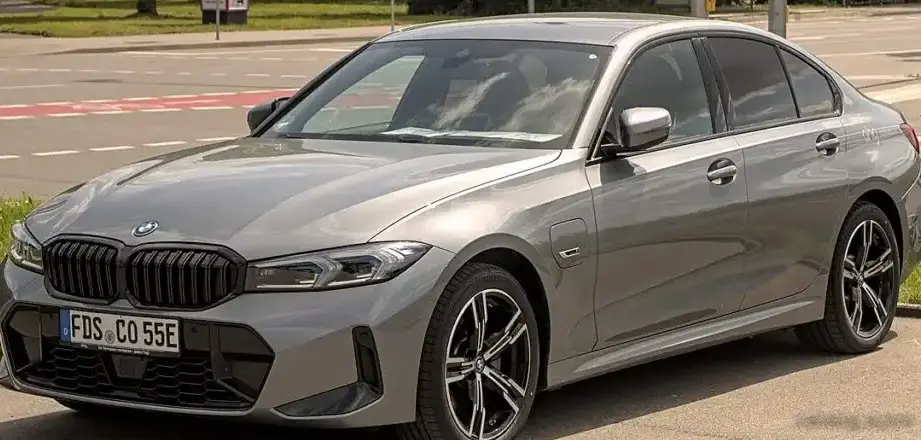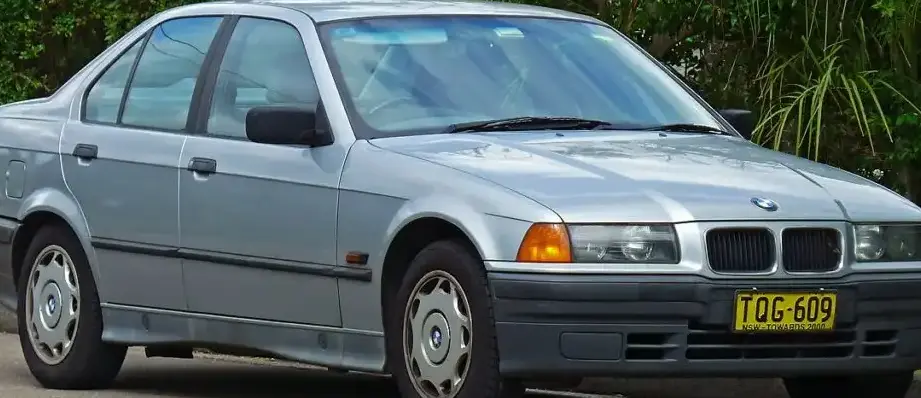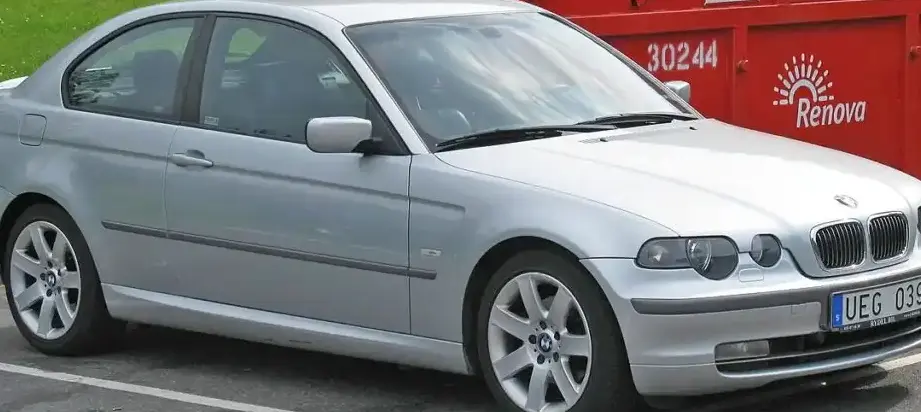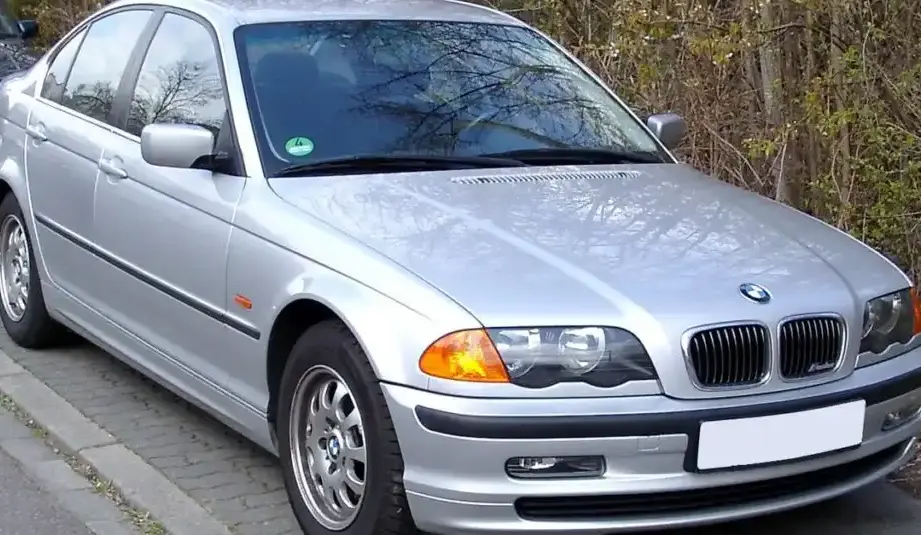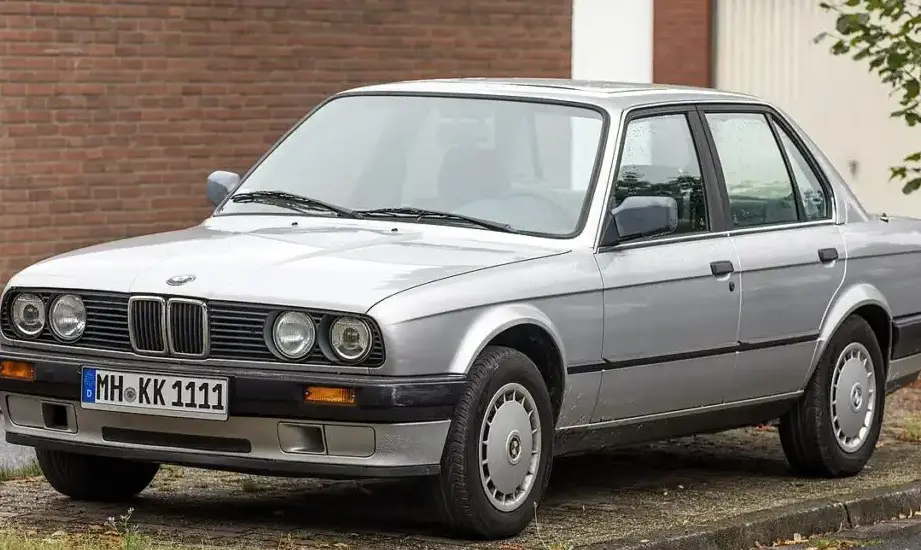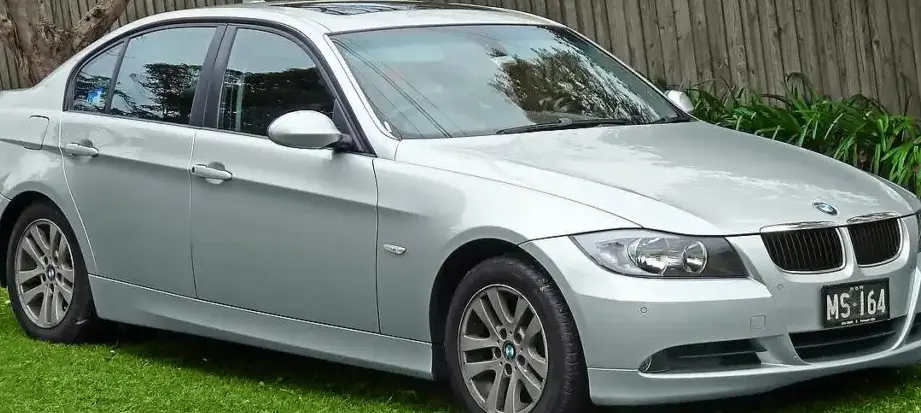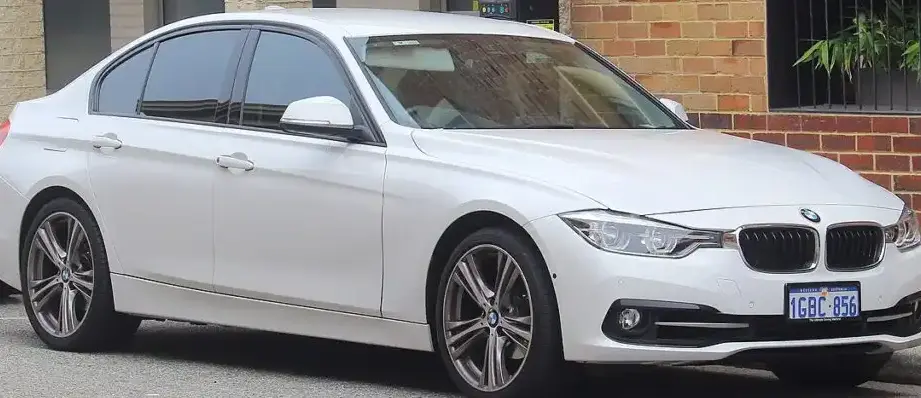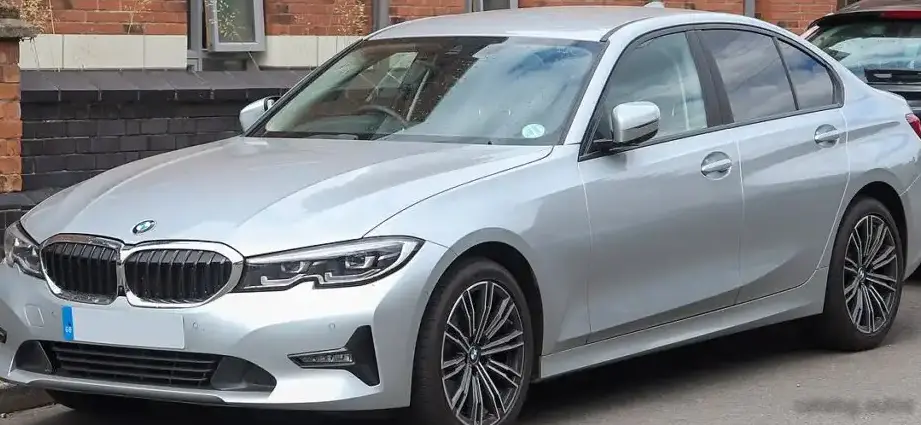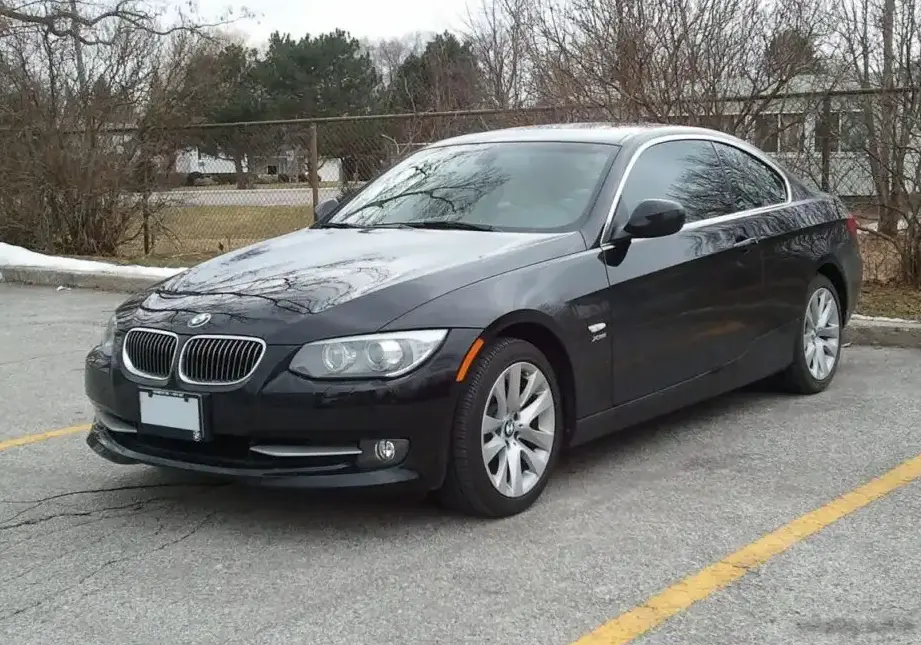
The BMW 3 Series Coupe (E92 LCI), specifically the 325d variant produced from 2010 to 2013, represented a refined iteration of BMW’s popular compact executive coupe. The “LCI” designation stands for Lebenszyklusimpuls, or “lifecycle impulse” in German, denoting a facelift. This 325d model occupied a middle ground within the E92 lineup, offering a balance between performance, fuel efficiency, and relative affordability compared to the higher-output 335d and gasoline-powered variants. It was primarily marketed towards European drivers seeking a sporty, yet economical, grand tourer. The E92 generation, built on the BMW 3 Series (E90) platform, aimed to deliver a more driver-focused experience than its predecessor, the E46, with a greater emphasis on handling and interior quality.
Technical Specifications
| Brand | BMW |
| Model | 3 Series |
| Generation | 3 Series Coupe (E92 LCI, facelift 2010) |
| Type (Engine) | 325d (204 Hp) |
| Start of production | 2010 |
| End of production | 2013 |
| Powertrain Architecture | Internal Combustion engine |
| Body type | Coupe |
| Seats | 4 |
| Doors | 2 |
| Fuel consumption (urban) | 7.3 l/100 km (32.2 US mpg, 38.7 UK mpg, 13.7 km/l) |
| Fuel consumption (extra urban) | 4.8 l/100 km (49 US mpg, 58.9 UK mpg, 20.8 km/l) |
| Fuel consumption (combined) | 5.7 l/100 km (41.3 US mpg, 49.6 UK mpg, 17.5 km/l) |
| CO2 emissions | 151 g/km |
| Fuel Type | Diesel |
| Acceleration 0 – 100 km/h | 6.9 sec |
| Acceleration 0 – 62 mph | 6.9 sec |
| Acceleration 0 – 60 mph | 6.6 sec |
| Maximum speed | 244 km/h (151.61 mph) |
| Emission standard | Euro 5 |
| Weight-to-power ratio | 7.4 kg/Hp, 134.7 Hp/tonne |
| Weight-to-torque ratio | 3.5 kg/Nm, 283.8 Nm/tonne |
| Power | 204 Hp @ 3750 rpm |
| Power per litre | 68.2 Hp/l |
| Torque | 430 Nm @ 1750 rpm (317.15 lb.-ft. @ 1750 rpm) |
| Engine layout | Front, Longitudinal |
| Engine Model/Code | N57D30A |
| Engine displacement | 2993 cm3 (182.64 cu. in.) |
| Number of cylinders | 6 |
| Engine configuration | Inline |
| Cylinder Bore | 84 mm (3.31 in.) |
| Piston Stroke | 90 mm (3.54 in.) |
| Compression ratio | 16.5:1 |
| Number of valves per cylinder | 4 |
| Fuel injection system | Diesel Commonrail |
| Engine aspiration | Turbocharger, Intercooler |
| Engine oil capacity | 7.5 l (7.93 US qt | 6.6 UK qt) |
| Coolant | 7.9 l (8.35 US qt | 6.95 UK qt) |
| Kerb Weight | 1515 kg (3340 lbs.) |
| Max. weight | 1995 kg (4398.22 lbs.) |
| Max load | 480 kg (1058.22 lbs.) |
| Trunk (boot) space – minimum | 440 l (15.54 cu. ft.) |
| Fuel tank capacity | 61 l (16.11 US gal | 13.42 UK gal) |
| Max. roof load | 75 kg (165.35 lbs.) |
| Permitted trailer load with brakes (12%) | 1800 kg (3968.32 lbs.) |
| Permitted trailer load without brakes | 750 kg (1653.47 lbs.) |
| Permitted towbar download | 75 kg (165.35 lbs.) |
| Length | 4612 mm (181.57 in.) |
| Width | 1782 mm (70.16 in.) |
| Width including mirrors | 1961 mm (77.2 in.) |
| Height | 1395 mm (54.92 in.) |
| Wheelbase | 2760 mm (108.66 in.) |
| Front track | 1500 mm (59.06 in.) |
| Rear (Back) track | 1513 mm (59.57 in.) |
| Ride height (ground clearance) | 143 mm (5.63 in.) |
| Drag coefficient (Cd) | 0.28 |
| Minimum turning circle (turning diameter) | 11.0 m (36.09 ft.) |
| Drivetrain Architecture | Rear wheel drive |
| Drive wheel | Rear wheel drive |
| Number of gears and type of gearbox | 6 gears, manual transmission |
| Front suspension | Independent coil spring |
| Rear suspension | Independent multi-link suspension |
| Front brakes | Ventilated discs |
| Rear brakes | Ventilated discs |
| Assisting systems | ABS (Anti-lock braking system) |
| Steering type | Steering rack and pinion |
| Power steering | Electric Steering |
| Tires size | 225/45 R17 91W |
| Wheel rims size | 8J x 17 |
Powertrain & Engine Architecture
The heart of the 325d was the BMW N57D30A, a 3.0-liter inline-six diesel engine. This engine was a significant advancement over its predecessor, the M57, featuring a common-rail direct injection system operating at 1,600 bar. This high-pressure injection, coupled with a variable geometry turbocharger (VGT) and intercooler, allowed for both strong low-end torque and respectable peak power. The N57D30A also incorporated advanced technologies like piezo injectors for precise fuel delivery and a diesel particulate filter (DPF) to meet stringent Euro 5 emissions standards. The engine produced 204 horsepower at 3,750 rpm and a substantial 430 Nm (317 lb-ft) of torque from as low as 1,750 rpm. The 325d was typically equipped with a six-speed manual transmission, although a six-speed automatic transmission was also available. The automatic, while offering convenience, did slightly impact acceleration and fuel economy compared to the manual.
Driving Characteristics
The 325d offered a distinctly different driving experience compared to its gasoline-powered siblings. The abundant low-end torque made it exceptionally easy to drive in everyday situations, providing strong acceleration without the need for frequent downshifts. While not as outright quick as the 335i, the 325d felt surprisingly brisk, achieving 0-60 mph in around 6.6 seconds. The automatic transmission, while smooth, could sometimes feel hesitant during quick overtaking maneuvers. The E92’s chassis, known for its balanced handling, provided a confident and engaging driving experience. The steering was precise and well-weighted, and the suspension offered a good compromise between comfort and control. Compared to the more powerful 335d, the 325d felt less stressed and more relaxed on long journeys.
Equipment & Trim Levels
The 325d Coupe typically came well-equipped, even in base trim. Standard features included automatic climate control, power windows and mirrors, a multi-function steering wheel, and a basic audio system. Upholstery was generally cloth, but leather options were available. Popular optional extras included a premium sound system, navigation system, sport seats, and a sunroof. The “Sport” package added aesthetic enhancements like sport suspension, unique alloy wheels, and interior trim. The “Luxury” package focused on comfort and included features like leather upholstery and wood trim.
Chassis & Braking
The E92 325d utilized a MacPherson strut front suspension and a multi-link rear suspension, providing a comfortable yet controlled ride. Brakes were ventilated discs all around, offering ample stopping power. ABS (Anti-lock Braking System) was standard. The 325d’s weight distribution was nearly 50/50, contributing to its balanced handling characteristics. Stabilizer bars were fitted front and rear to reduce body roll during cornering.
Market Reception & Comparison
The 325d Coupe was generally well-received by automotive critics. It was praised for its fuel efficiency, strong torque, and comfortable ride. However, some reviewers noted that the diesel engine lacked the refinement and responsiveness of the gasoline engines. Compared to the 335d, the 325d offered a more affordable entry point into the E92 Coupe range, but at the expense of outright performance. Against competitors like the Audi A5 Coupe and Mercedes-Benz CLC-Class, the 325d offered a compelling combination of driving dynamics and practicality.
Legacy
The N57D30A engine proved to be remarkably durable and reliable, even with high mileage. The 325d Coupe, while not as sought-after as some of the higher-performance E92 variants, remains a popular choice in the used car market. Its fuel efficiency, combined with BMW’s reputation for build quality, makes it an attractive option for buyers seeking a sporty and economical coupe. However, potential buyers should be aware of the potential for DPF issues and the cost of maintaining the complex common-rail injection system. Overall, the E92 325d represents a well-rounded and capable grand tourer that continues to offer a rewarding driving experience.