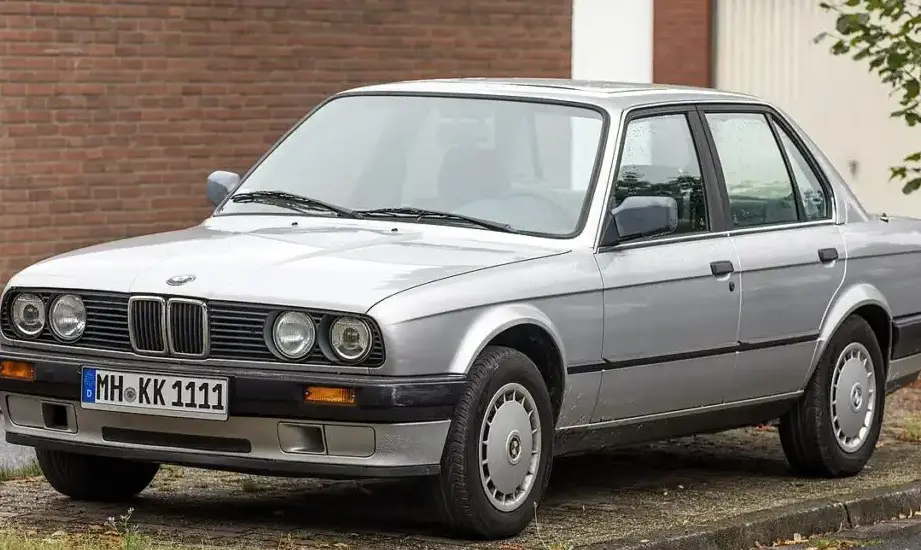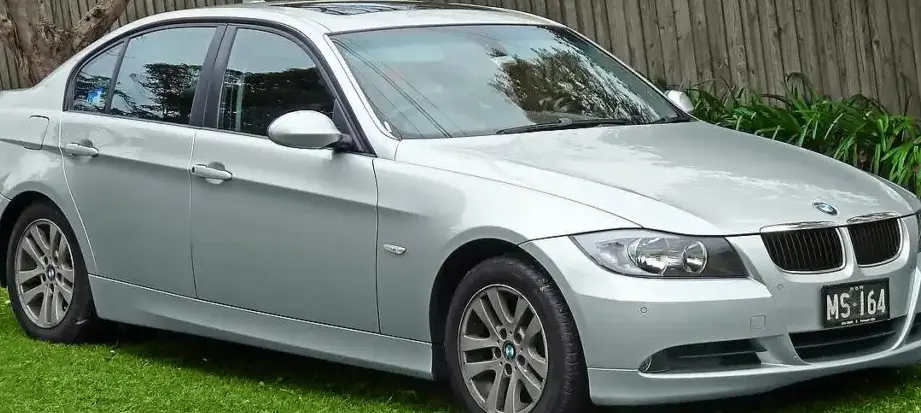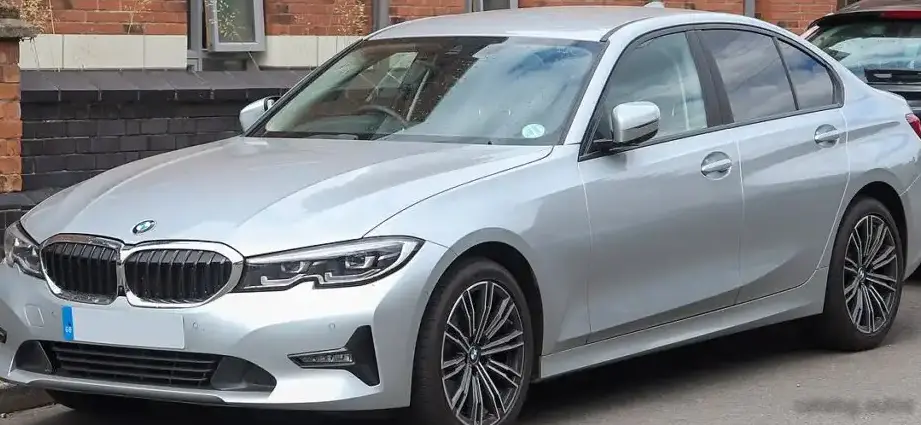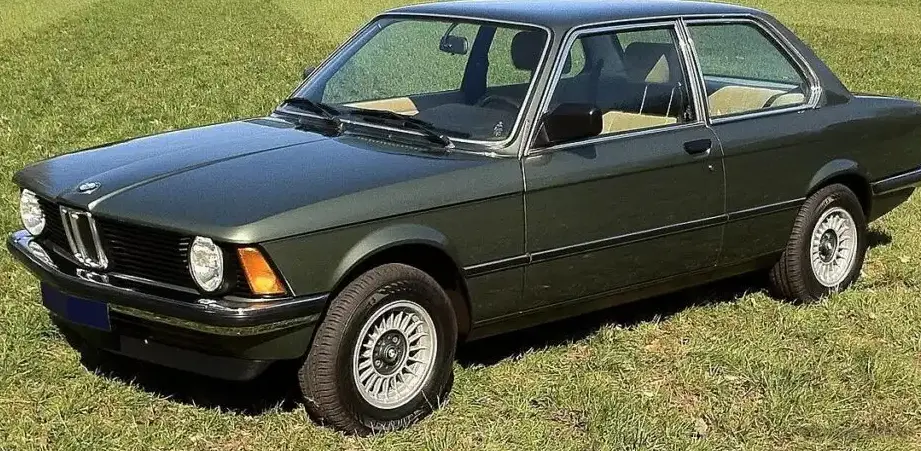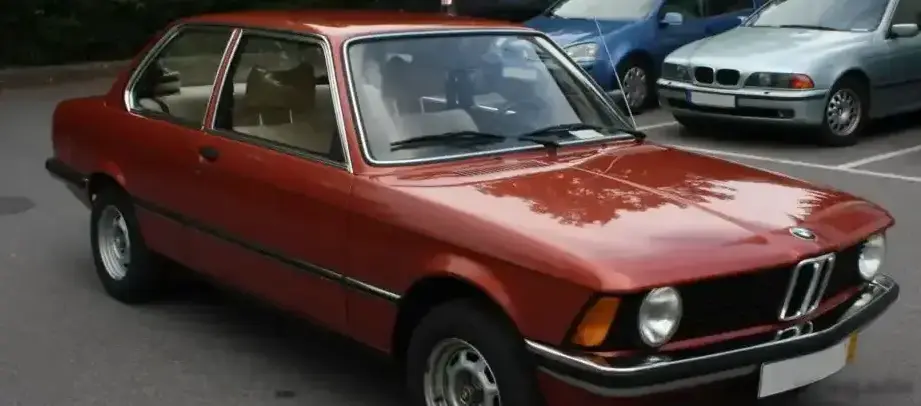
The BMW 3 Series (E21) 323i, produced between 1978 and 1982, marked a significant evolution for BMW’s compact executive car line. Positioned as a higher-performance variant within the first generation 3 Series (chassis code E21), the 323i aimed to deliver a more engaging driving experience than the base 320i models. Primarily marketed in Europe and North America, it quickly established the 3 Series as a benchmark for sporty handling and refined driving dynamics. The 323i was a two-door sedan, comfortably seating five passengers and embodying BMW’s dedication to driver-focused engineering.
Technical Specifications
| Brand | BMW |
| Model | 3 Series |
| Generation | 3 Series (E21) |
| Type (Engine) | 323i (143 Hp) |
| Start of production | 1978 |
| End of production | 1982 |
| Powertrain Architecture | Internal Combustion engine |
| Body type | Sedan |
| Seats | 5 |
| Doors | 2 |
| Fuel consumption (urban) | 12.8 l/100 km (18.4 US mpg) |
| Fuel consumption (extra urban) | 7.8 l/100 km (30.2 US mpg) |
| Fuel Type | Petrol (Gasoline) |
| Acceleration 0 – 100 km/h | 9.5 sec |
| Acceleration 0 – 62 mph | 9.5 sec |
| Acceleration 0 – 60 mph | 9 sec |
| Maximum speed | 190 km/h (118.06 mph) |
| Weight-to-power ratio | 7.8 kg/Hp |
| Weight-to-torque ratio | 5.8 kg/Nm |
| Power | 143 Hp @ 5800 rpm |
| Torque | 190 Nm @ 4500 rpm (140.14 lb.-ft. @ 4500 rpm) |
| Engine layout | Front, Longitudinal |
| Engine Model/Code | M20B23 |
| Engine displacement | 2316 cm3 (141.33 cu. in.) |
| Number of cylinders | 6 |
| Engine configuration | Inline |
| Cylinder Bore | 80 mm (3.15 in.) |
| Piston Stroke | 76.8 mm (3.02 in.) |
| Compression ratio | 9.5:1 |
| Number of valves per cylinder | 2 |
| Fuel injection system | Multi-port manifold injection |
| Engine aspiration | Naturally aspirated |
| Engine oil capacity | 4.25 l (4.49 US qt | 3.74 UK qt) |
| Coolant capacity | 12 l (12.68 US qt | 10.56 UK qt) |
| Kerb Weight | 1110 kg (2447.13 lbs.) |
| Max. weight | 1540 kg (3395.12 lbs.) |
| Max load | 430 kg (947.99 lbs.) |
| Trunk (boot) space – minimum | 404 l (14.27 cu. ft.) |
| Fuel tank capacity | 58 l (15.32 US gal | 12.76 UK gal) |
| Length | 4355 mm (171.46 in.) |
| Width | 1610 mm (63.39 in.) |
| Height | 1380 mm (54.33 in.) |
| Wheelbase | 2563 mm (100.91 in.) |
| Front track | 1366 mm (53.78 in.) |
| Rear track | 1373 mm (54.06 in.) |
| Minimum turning circle | 9.5 m (31.17 ft.) |
| Drivetrain | Rear wheel drive |
| Number of gears | 4 gears, manual transmission |
| Front suspension | Independent type McPherson |
| Rear suspension | Independent multi-link suspension |
| Front brakes | Disc |
| Rear brakes | Drum |
| Power steering | Hydraulic |
| Tires size | 185/70 R13 |
| Wheel rims size | 13 |
Powertrain & Engine Architecture
The heart of the 323i was the M20B23 engine, a 2.3-liter inline-six cylinder powerplant. This engine represented a substantial upgrade over the 320i’s 2.0-liter unit, boasting increased displacement and a revised cylinder head. The M20 featured a cast iron block and an aluminum cylinder head, utilizing a single overhead camshaft (SOHC) design with two valves per cylinder. Fuel delivery was managed by Bosch K-Jetronic mechanical fuel injection, a system lauded for its precision and reliability. The M20B23 generated 143 horsepower at 5800 rpm and 190 Nm (140 lb-ft) of torque at 4500 rpm. The engine’s longitudinal mounting and rear-wheel drive configuration were core tenets of BMW’s engineering philosophy at the time. Importantly, the 323i was exclusively offered with a four-speed manual transmission, carefully optimized to complement the engine’s powerband.
Driving Characteristics
The 323i delivered a demonstrably more spirited driving experience compared to the 320i. The increased power and torque of the M20B23 engine translated to quicker acceleration and improved passing capabilities. Acceleration from zero to 60 mph was achievable in approximately 9 seconds, and the car could reach a top speed of 190 km/h (118 mph). The four-speed manual transmission was exceptionally well-matched to the engine, providing precise shifts and allowing the driver to fully harness the engine’s potential. The E21’s finely-tuned suspension – independent McPherson struts at the front and a multi-link setup at the rear – contributed to excellent handling and a comfortable ride. The rear-wheel drive layout fostered a balanced feel, making the 323i a truly rewarding car to drive on winding roads.
Equipment & Trim Levels
The 323i was generally well-equipped for its era, though a range of options were available to further enhance the driving experience and comfort. Standard features included cloth upholstery, a basic stereo system, and power-assisted brakes. Optional extras encompassed a sunroof, upgraded stereo systems, leather upholstery, and air conditioning. The interior design prioritized functionality and a driver-focused layout, featuring clear instrumentation and intuitively placed controls. The 323i’s trim level was positioned above the base 320i, offering a more premium ambiance and a higher level of standard equipment.
Chassis & Braking
The E21 chassis employed a monocoque construction, achieving a favorable balance between rigidity and weight. The front suspension utilized McPherson struts, while the rear incorporated a semi-trailing arm independent suspension. This configuration provided a comfortable ride alongside commendable handling characteristics. Braking was handled by disc brakes at the front and drum brakes at the rear. Hydraulic power steering was standard, offering a lighter steering feel at lower speeds. The 323i’s suspension was tuned to deliver a slightly firmer ride than the 320i, reflecting its sporty intentions.
Market Reception & Comparison
The 323i garnered positive reviews from automotive critics, who lauded its engaging driving dynamics, responsive engine, and refined handling. It frequently drew favorable comparisons to other compact executive cars of the period, such as the Alfa Romeo Alfetta and the Porsche 924. Compared to the 320i, the 323i offered a substantial performance boost, albeit at a higher price point. The 323i’s fuel economy was reasonable for its time, though not quite as efficient as the 320i’s. Reliability was generally good, although the K-Jetronic fuel injection system occasionally required specialized maintenance.
Legacy
The BMW E21 323i remains a highly sought-after classic car among enthusiasts. The M20B23 engine is renowned for its durability and potential for tuning, and well-maintained examples of the 323i continue to provide a rewarding driving experience today. The car’s influence is evident in subsequent generations of the 3 Series, which continued to build upon the E21’s reputation for sporty handling and refined performance. In the used car market, prices for well-preserved 323i models have been steadily appreciating, reflecting their growing desirability among collectors and enthusiasts. Locating original, unmodified examples is becoming increasingly challenging, solidifying these cars as a valuable piece of BMW history.