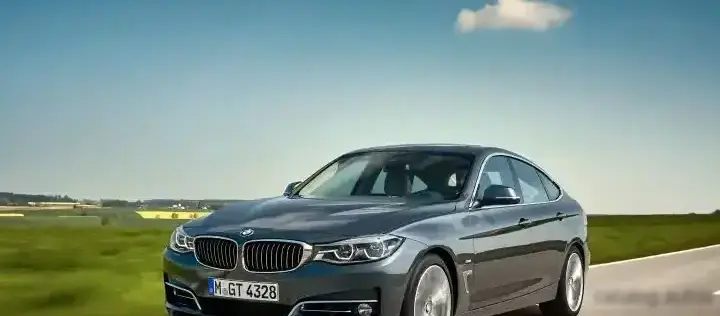
The BMW 3 Series Gran Turismo (F34) LCI, specifically the 330d xDrive Steptronic model produced from 2016 to 2020, represents a unique offering within the 3 Series lineup. Positioned as a more spacious and practical alternative to the standard 3 Series sedan and wagon, the Gran Turismo aimed to blend the driving dynamics expected of a BMW with the versatility of a larger vehicle. The “LCI” designation refers to the Life Cycle Impulse, BMW’s term for a significant facelift, bringing updated styling and technology to the F34 platform. This 330d variant, equipped with the potent N57D30A diesel engine and an eight-speed automatic transmission, served as a mid-to-high range option, appealing to buyers prioritizing performance, efficiency, and all-weather capability.
Technical Specifications
| Brand | BMW |
| Model | 3 Series |
| Generation | 3 Series Gran Turismo (F34 LCI, Facelift 2016) |
| Type (Engine) | 330d (258 Hp) xDrive Steptronic |
| Start of production | 2016 |
| End of production | 2020 |
| Powertrain Architecture | Internal Combustion engine |
| Body type | Grand Tourer |
| Seats | 5 |
| Doors | 5 |
| Fuel consumption (urban) | 6.6-6.4 l/100 km (35.6 – 36.8 US mpg) |
| Fuel consumption (extra urban) | 5.0-4.8 l/100 km (47 – 49 US mpg) |
| Fuel consumption (combined) | 5.6-5.4 l/100 km (42 – 43.6 US mpg) |
| CO2 emissions | 146-142 g/km |
| Fuel Type | Diesel |
| Acceleration 0 – 100 km/h | 5.4 sec |
| Acceleration 0 – 62 mph | 5.4 sec |
| Acceleration 0 – 60 mph | 5.1 sec |
| Maximum speed | 250 km/h (155.34 mph) |
| Emission standard | Euro 6 |
| Weight-to-power ratio | 6.7 kg/Hp, 149.1 Hp/tonne |
| Weight-to-torque ratio | 3.1 kg/Nm, 323.7 Nm/tonne |
| Power | 258 Hp @ 4000 rpm |
| Torque | 560 Nm @ 1500-3000 rpm (413.03 lb.-ft. @ 1500-3000 rpm) |
| Engine layout | Front, Longitudinal |
| Engine Model/Code | N57D30A |
| Engine displacement | 2993 cm3 (182.64 cu. in.) |
| Number of cylinders | 6 |
| Engine configuration | Inline |
| Cylinder Bore | 84 mm (3.31 in.) |
| Piston Stroke | 90 mm (3.54 in.) |
| Compression ratio | 16.5:1 |
| Number of valves per cylinder | 4 |
| Fuel injection system | Diesel Commonrail |
| Engine aspiration | Twin-power turbo, Intercooler |
| Engine oil capacity | 6.5 l (6.87 US qt | 5.72 UK qt) |
| Coolant | 7.2 l (7.61 US qt | 6.34 UK qt) |
| Kerb Weight | 1730 kg (3814 lbs.) |
| Max. weight | 2300 kg (5070.63 lbs.) |
| Max load | 570 kg (1256.63 lbs.) |
| Trunk (boot) space – minimum | 520 l (18.36 cu. ft.) |
| Trunk (boot) space – maximum | 1600 l (56.5 cu. ft.) |
| Fuel tank capacity | 57 l (15.06 US gal | 12.54 UK gal) |
| Max. roof load | 75 kg (165.35 lbs.) |
| Permitted trailer load with brakes (12%) | 1800 kg (3968.32 lbs.) |
| Permitted trailer load without brakes | 750 kg (1653.47 lbs.) |
| Permitted towbar download | 75 kg (165.35 lbs.) |
| Length | 4824 mm (189.92 in.) |
| Width | 1828 mm (71.97 in.) |
| Height | 1508 mm (59.37 in.) |
| Wheelbase | 2920 mm (114.96 in.) |
| Front track | 1541 mm (60.67 in.) |
| Rear (Back) track | 1586 mm (62.44 in.) |
| Ride height (ground clearance) | 165 mm (6.5 in.) |
| Drag coefficient (Cd) | 0.29 |
| Minimum turning circle (turning diameter) | 12.3 m (40.35 ft.) |
| Drive wheel | All wheel drive (4×4) |
| Number of gears and type of gearbox | 8 gears, automatic transmission Steptronic |
| Front suspension | Double wishbone |
| Rear suspension | Independent multi-link suspension |
| Front brakes | Ventilated discs |
| Rear brakes | Ventilated discs |
| Assisting systems | ABS (Anti-lock braking system) |
| Steering type | Steering rack and pinion |
| Power steering | Electric Steering |
| Tires size | 225/55 R17 97W |
| Wheel rims size | 8.0J x 17 |
Powertrain & Engine Architecture
At the heart of the 330d xDrive Steptronic lies the N57D30A, a 3.0-liter inline-six diesel engine. This engine is a cornerstone of BMW’s diesel offerings, known for its robust construction and refined power delivery. The N57 features a common-rail direct injection system, delivering fuel at extremely high pressures for optimized combustion. A twin-turbocharger setup – one low-pressure and one high-pressure turbo – provides a broad torque curve and minimizes turbo lag. The engine also incorporates variable valve timing (VANOS) and Double-VANOS technology for improved efficiency and responsiveness. Paired with this engine is the ZF 8HP80 eight-speed automatic transmission, marketed by BMW as “Steptronic.” This transmission is renowned for its smooth shifts, quick response, and efficiency. The xDrive all-wheel-drive system utilizes a multi-plate clutch to distribute torque between the front and rear axles, enhancing traction and stability in various driving conditions.
Driving Characteristics
The 330d xDrive Steptronic delivers a compelling driving experience. The 560 Nm (413 lb-ft) of torque available from just 1500 rpm provides effortless acceleration and strong mid-range punch. While not as overtly sporty as some of its gasoline-powered siblings, the 330d offers a refined and capable driving experience. The eight-speed automatic transmission is well-matched to the engine’s characteristics, providing smooth and timely gear changes. The xDrive system inspires confidence in inclement weather, offering enhanced grip and stability. Compared to the 320d variants, the 330d provides a noticeable performance upgrade, while remaining more fuel-efficient than the higher-output 335i models. The automatic transmission, while convenient, doesn’t offer the same level of driver engagement as a manual gearbox.
Equipment & Trim Levels
The 330d xDrive Steptronic typically came well-equipped as standard. Features included leather upholstery, automatic climate control, a BMW iDrive infotainment system with a central display screen, and a suite of safety features like ABS, stability control, and multiple airbags. Optional extras included features like a premium sound system, navigation, adaptive cruise control, and a panoramic sunroof. Trim levels varied slightly depending on the market, but generally offered packages that bundled together popular options. Interior trim options ranged from wood veneers to aluminum accents, allowing buyers to personalize the cabin to their preferences.
Chassis & Braking
The F34 Gran Turismo utilizes a sophisticated chassis design. The front suspension features a double wishbone setup, while the rear employs an independent multi-link suspension. This configuration provides a good balance between ride comfort and handling precision. The 330d xDrive Steptronic typically came equipped with ventilated disc brakes on all four wheels, providing ample stopping power. The electronic stability control system (DSC) works in conjunction with the ABS to enhance braking performance and maintain vehicle control. The Gran Turismo’s increased weight compared to the standard 3 Series sedan necessitated slightly stiffer spring rates and dampers to maintain handling composure.
Market Reception & Comparison
The 3 Series Gran Turismo, and specifically the 330d xDrive Steptronic, received generally positive reviews. Critics praised its spacious interior, comfortable ride, and strong performance. The diesel engine was lauded for its efficiency and torque output. However, some reviewers noted that the Gran Turismo’s styling was not as universally appealing as the standard 3 Series. Compared to the 320d, the 330d offered a significant performance boost, justifying the higher price tag for buyers prioritizing power. Against the 335i, the 330d provided comparable performance with superior fuel economy, making it an attractive option for those covering long distances.
Legacy
The N57D30A engine has proven to be remarkably durable and reliable, with many examples exceeding high mileage with proper maintenance. The ZF 8HP80 transmission is also known for its longevity. The F34 Gran Turismo, while not a high-volume seller, has developed a following among buyers seeking a practical and refined BMW. On the used car market, the 330d xDrive Steptronic represents a good value proposition, offering a blend of performance, efficiency, and luxury at a reasonable price point. Regular maintenance, including oil changes and adherence to BMW’s service intervals, is crucial for ensuring the continued reliability of this powertrain.