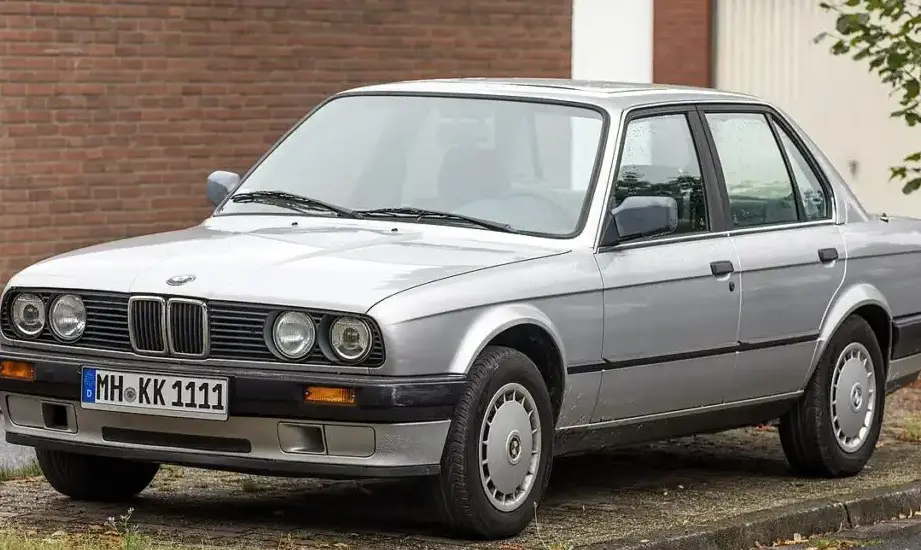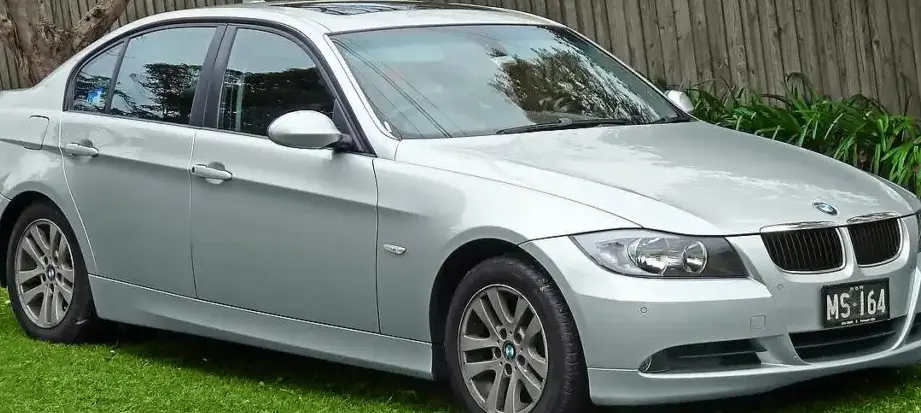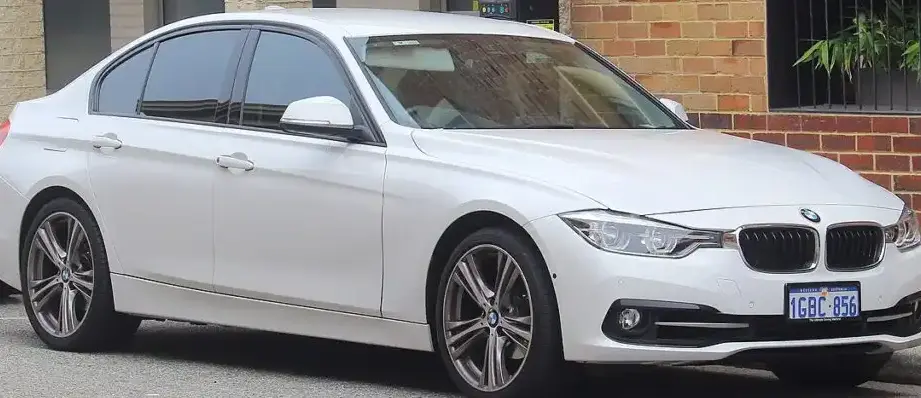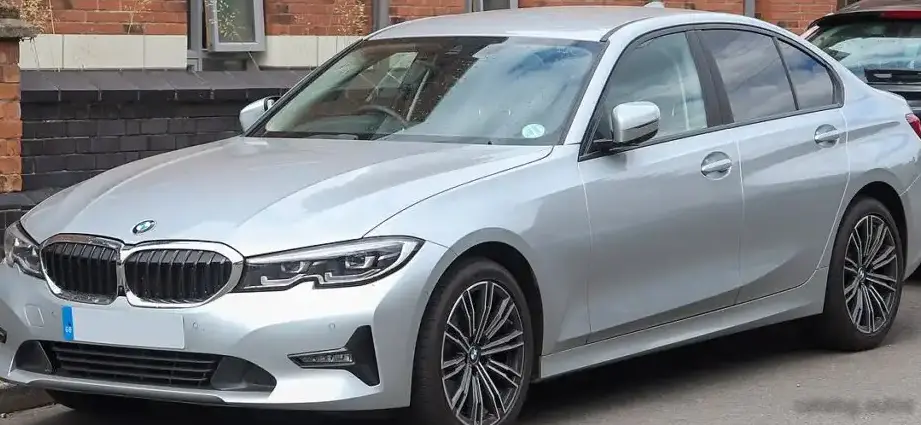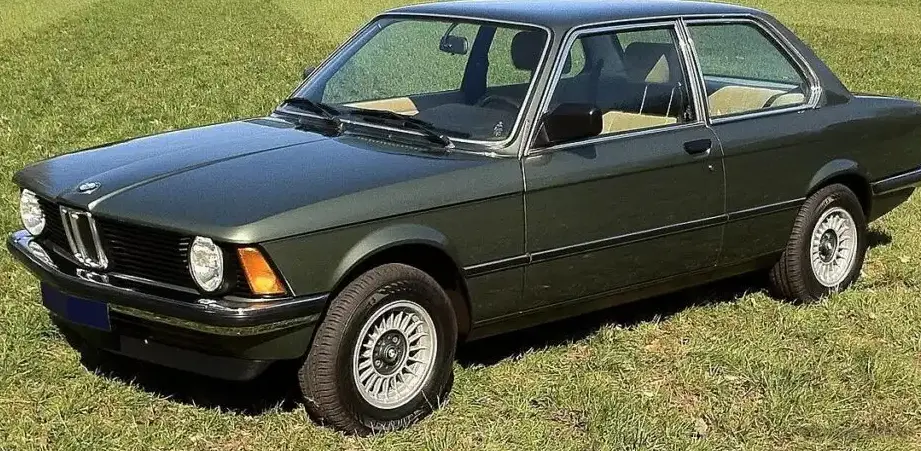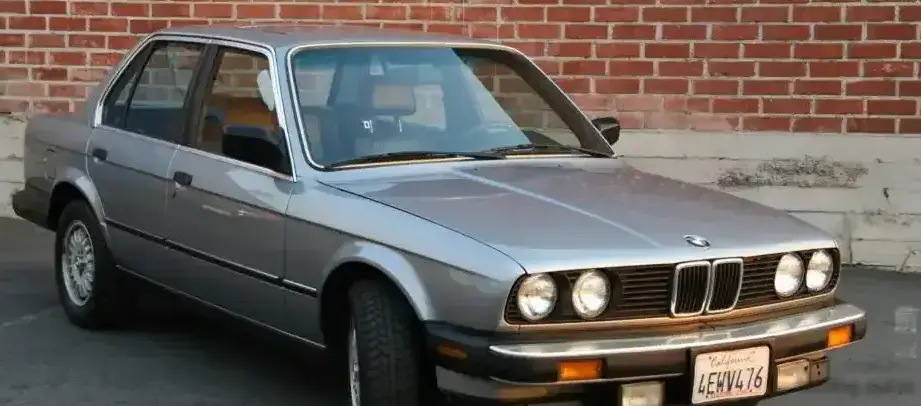
The BMW 3 Series Sedan (E30) 318i, produced from 1984 to 1987, represented the entry point into the highly successful E30 generation. Positioned as the more economical and accessible variant, the 318i offered a balance of BMW’s renowned driving dynamics with a smaller displacement engine. It played a crucial role in establishing the 3 Series as a popular choice for buyers seeking a premium compact sedan, particularly in Europe and increasingly in the North American market. This model served as a stepping stone for many into the BMW brand, offering a taste of the Bavarian automaker’s engineering prowess without the higher price tag of the 320i or M3.
Technical Specifications
| Brand | BMW |
| Model | 3 Series |
| Generation | 3 Series Sedan (E30) |
| Type (Engine) | 318i (105 Hp) |
| Start of production | 1984 |
| End of production | 1987 |
| Powertrain Architecture | Internal Combustion engine |
| Body type | Sedan |
| Seats | 5 |
| Doors | 4 |
| Fuel consumption (economy) – urban | 10.4 l/100 km (22.6 US mpg) |
| Fuel consumption (economy) – extra urban | 6.5 l/100 km (36.2 US mpg) |
| Fuel Type | Petrol (Gasoline) |
| Acceleration 0 – 100 km/h | 11.2 sec |
| Acceleration 0 – 62 mph | 11.2 sec |
| Acceleration 0 – 60 mph | 10.6 sec |
| Maximum speed | 184 km/h (114.33 mph) |
| Weight-to-power ratio | 10 kg/Hp |
| Weight-to-torque ratio | 7.5 kg/Nm |
| Power | 105 Hp @ 5800 rpm |
| Torque | 140 Nm @ 4500 rpm (103.26 lb.-ft. @ 4500 rpm) |
| Engine layout | Front, Longitudinal |
| Engine Model/Code | M10B18 |
| Engine displacement | 1766 cm3 (107.77 cu. in.) |
| Number of cylinders | 4 |
| Engine configuration | Inline |
| Cylinder Bore | 89 mm (3.5 in.) |
| Piston Stroke | 71 mm (2.8 in.) |
| Compression ratio | 10:1 |
| Number of valves per cylinder | 2 |
| Fuel injection system | Carburettor |
| Engine aspiration | Naturally aspirated engine |
| Valvetrain | SOHC |
| Engine oil capacity | 4 l (4.23 US qt | 3.52 UK qt) |
| Coolant | 6 l (6.34 US qt | 5.28 UK qt) |
| Kerb Weight | 1050 kg (2314.85 lbs.) |
| Max. weight | 1510 kg (3328.98 lbs.) |
| Max load | 460 kg (1014.13 lbs.) |
| Trunk (boot) space – minimum | 404 l (14.27 cu. ft.) |
| Fuel tank capacity | 55 l (14.53 US gal | 12.1 UK gal) |
| Max. roof load | 75 kg (165.35 lbs.) |
| Permitted trailer load with brakes (12%) | 1200 kg (2645.55 lbs.) |
| Permitted trailer load without brakes | 500 kg (1102.31 lbs.) |
| Length | 4325 mm (170.28 in.) |
| Width | 1645 mm (64.76 in.) |
| Height | 1380 mm (54.33 in.) |
| Wheelbase | 2570 mm (101.18 in.) |
| Front track | 1407 mm (55.39 in.) |
| Rear (Back) track | 1415 mm (55.71 in.) |
| Front overhang | 761 mm (29.96 in.) |
| Rear overhang | 994 mm (39.13 in.) |
| Drag coefficient (Cd) | 0.35 |
| Drivetrain Architecture | Rear wheel drive |
| Number of gears and type of gearbox | 5 gears, manual transmission |
| Front brakes | Disc |
| Rear brakes | Drum |
| Steering type | Steering rack and pinion |
| Tires size | 175/70 R14 |
| Wheel rims size | 14 |
Powertrain & Engine Architecture
The heart of the 318i was the M10B18 engine, a 1.8-liter inline-four cylinder powerplant. This engine, a descendant of BMW’s long-running M10 family, was known for its durability and relatively simple design. Unlike later BMW engines, the M10B18 utilized a single overhead camshaft (SOHC) valvetrain with two valves per cylinder. Fuel delivery was managed by a Solex carburetor, a technology becoming increasingly outdated by the mid-1980s but contributing to the 318i’s lower cost. The engine produced 105 horsepower at 5800 rpm and 103 lb-ft of torque at 4500 rpm. The engine was mounted longitudinally in the front of the vehicle, driving the rear wheels. The standard transmission was a five-speed manual, providing a direct connection to the drivetrain.
Driving Characteristics
The 318i, with its 105 hp, offered a noticeably different driving experience compared to the more powerful 320i. Acceleration was adequate, taking around 11.2 seconds to reach 62 mph, but it wasn’t a particularly quick car. The focus was more on fuel efficiency and smooth, predictable handling. The five-speed manual transmission allowed drivers to make the most of the engine’s powerband, while the rear-wheel-drive layout provided the classic BMW handling balance. Compared to the later 318is models, which featured fuel injection and a higher compression ratio, the carbureted 318i felt less responsive and offered a slightly rougher idle. However, its simplicity also meant lower maintenance costs and a more forgiving nature for less experienced drivers.
Equipment & Trim Levels
The 318i was typically equipped with a relatively basic level of standard features. Interior upholstery was usually cloth, and the dashboard featured a straightforward layout with analog gauges. Power steering and central locking were often optional extras. The 318i was often seen as a blank canvas for buyers who wanted to add options like a sunroof, upgraded stereo, or sport seats. Trim levels were fairly limited, with most variations coming from the addition of optional packages. The emphasis was on providing a solid, well-built platform at an accessible price point.
Chassis & Braking
The E30 chassis was a significant advancement in BMW’s engineering. The 318i utilized MacPherson strut front suspension and a semi-trailing arm rear suspension, providing a comfortable ride and responsive handling. Brakes were disc brakes in the front and drum brakes in the rear, a cost-saving measure for the entry-level model. The 318i’s relatively light weight (around 2315 lbs) helped to offset the limitations of the drum brakes, providing adequate stopping power for everyday driving. Stabilizer bars were fitted front and rear, contributing to reduced body roll during cornering.
Market Reception & Comparison
The 318i was generally well-received by automotive critics as a sensible and enjoyable compact sedan. It was praised for its handling, build quality, and relatively affordable price. However, the carbureted engine was often criticized for its lack of refinement and lower performance compared to fuel-injected alternatives. Compared to the 320i, the 318i offered a more economical option, but at the expense of performance. Fuel economy was a strong point, with the 318i achieving around 23 mpg in the city and 36 mpg on the highway. Reliability was generally good, although the carburetor required periodic adjustment and maintenance.
Legacy
The E30 318i remains a popular choice among classic BMW enthusiasts. Its simplicity, affordability, and engaging driving dynamics make it a rewarding car to own and maintain. While not as sought-after as the 320i or M3, the 318i offers a unique entry point into the E30 world. The M10B18 engine, while dated, is known for its durability and relatively easy maintenance. Today, well-maintained examples of the 318i can be found in the used car market, offering a classic BMW experience at a reasonable price. Its enduring appeal lies in its ability to deliver a genuine driving experience without the complexities of modern vehicles.