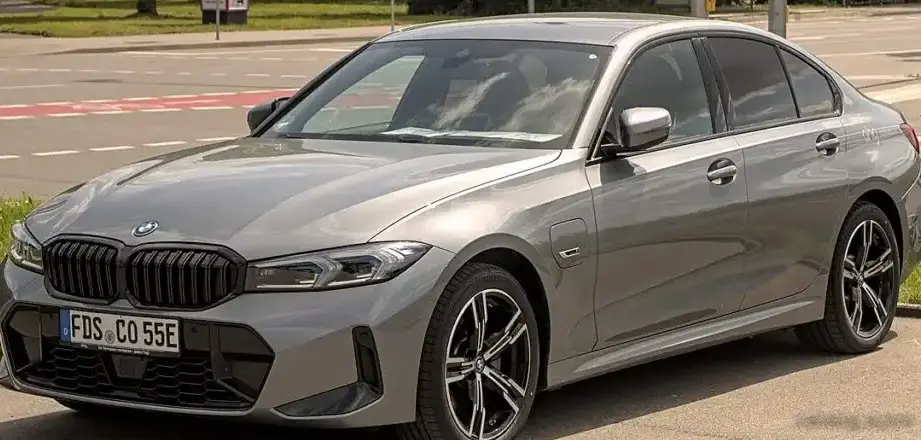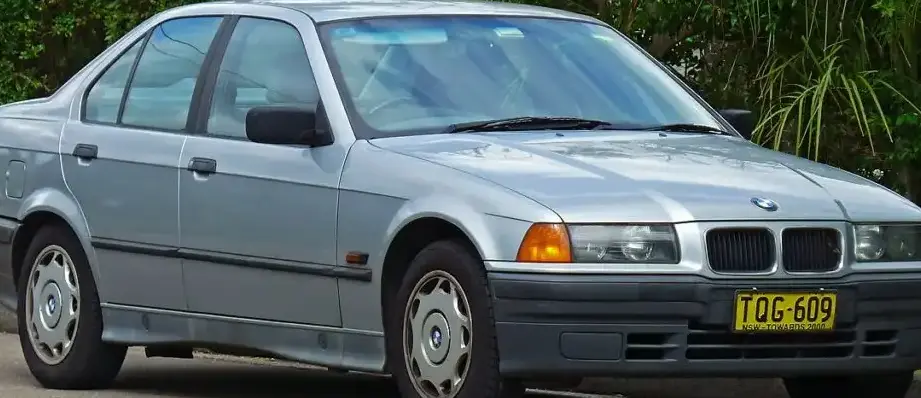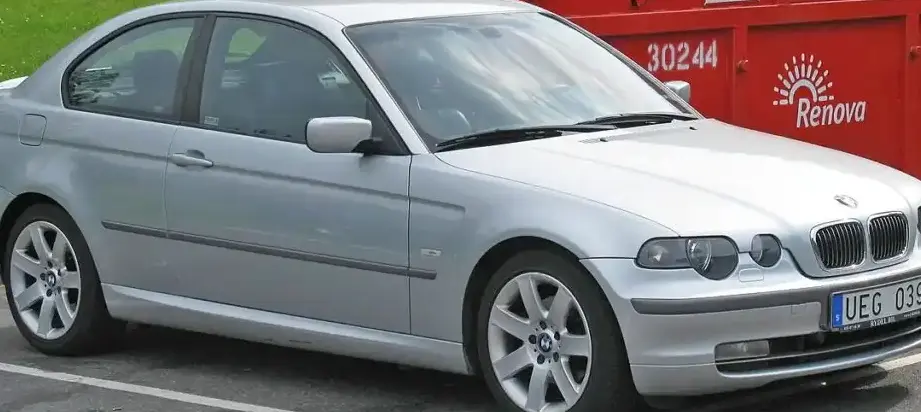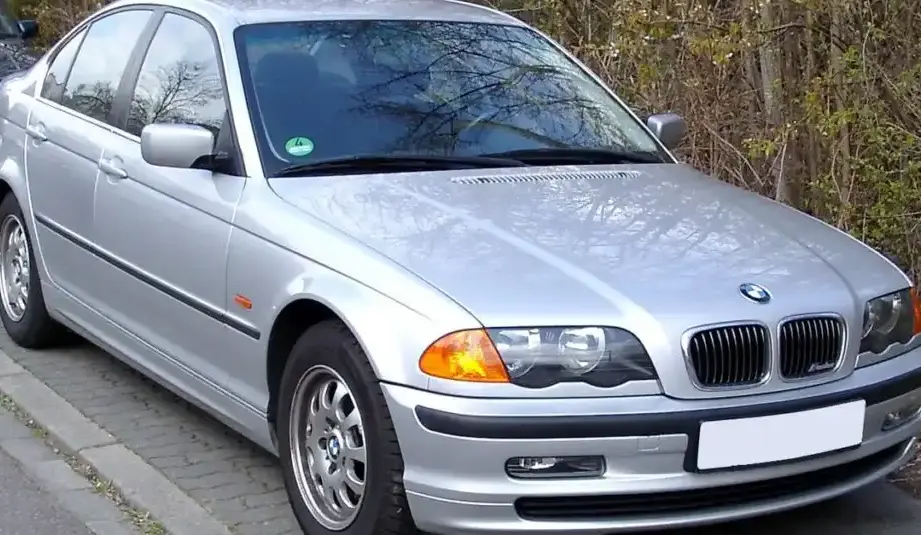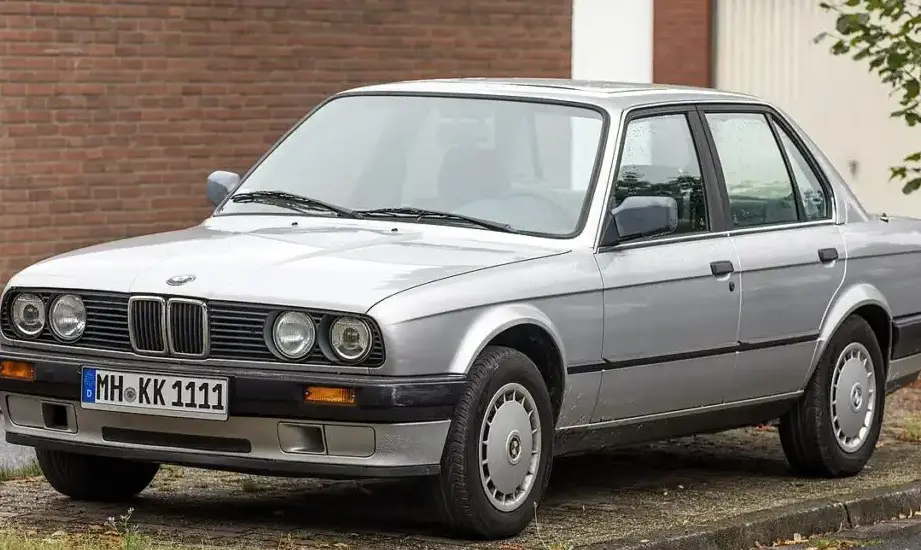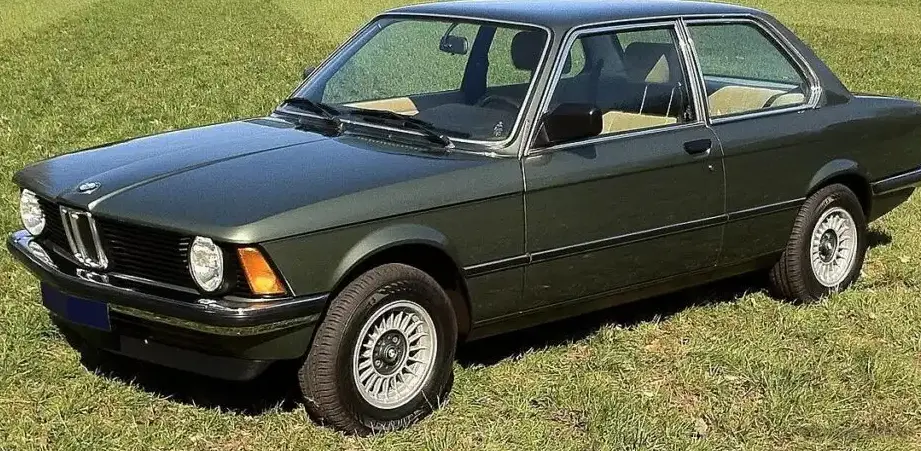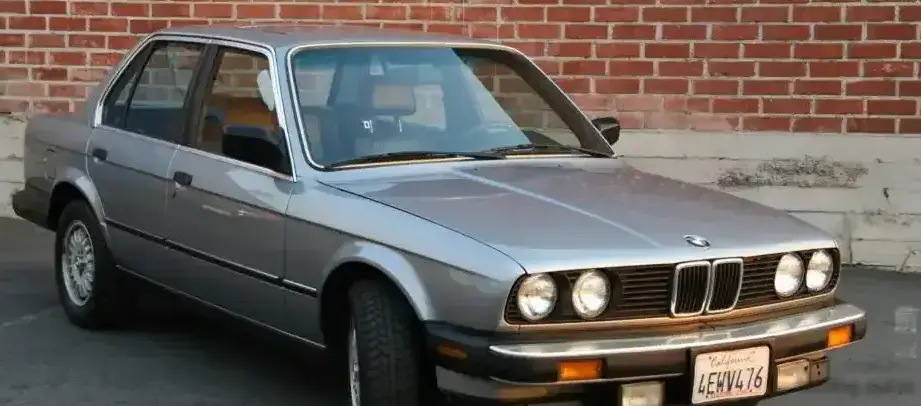
The BMW 3 Series Sedan (E30) 325e, produced from 1983 to 1987, represented a significant step in BMW’s evolution of the compact executive car. Introduced as part of the E30 generation, the 325e was specifically engineered to meet increasingly stringent emissions regulations, particularly in the North American market. While sharing the E30 platform with other 3 Series variants, the 325e distinguished itself with a unique engine and transmission combination focused on fuel efficiency and drivability, rather than outright performance. It occupied a middle ground in the 3 Series lineup, positioned above the base 318i and below the performance-oriented 325i and later the 325is.
Technical Specifications
| Brand | BMW |
| Model | 3 Series |
| Generation | 3 Series Sedan (E30) |
| Type (Engine) | 325e (122 Hp) Automatic |
| Start of production | 1983 |
| End of production | 1987 |
| Powertrain Architecture | Internal Combustion engine |
| Body type | Sedan |
| Seats | 5 |
| Doors | 4 |
| Fuel consumption (economy) – urban | 11.5 l/100 km (20.5 US mpg) |
| Fuel consumption (economy) – extra urban | 5.9 l/100 km (39.9 US mpg) |
| Fuel Type | Petrol (Gasoline) |
| Acceleration 0 – 100 km/h | 11.8 sec |
| Acceleration 0 – 62 mph | 11.8 sec |
| Acceleration 0 – 60 mph | 11.2 sec |
| Maximum speed | 188 km/h (116.82 mph) |
| Weight-to-power ratio | 9.7 kg/Hp |
| Weight-to-torque ratio | 5.1 kg/Nm |
| Power | 122 Hp @ 4250 rpm |
| Torque | 230 Nm @ 3250 rpm (169.64 lb.-ft. @ 3250 rpm) |
| Engine layout | Front, Longitudinal |
| Engine Model/Code | M20B27 |
| Engine displacement | 2693 cm3 (164.34 cu. in.) |
| Number of cylinders | 6 |
| Engine configuration | Inline |
| Cylinder Bore | 84 mm (3.31 in.) |
| Piston Stroke | 81 mm (3.19 in.) |
| Compression ratio | 9:1 |
| Number of valves per cylinder | 2 |
| Fuel injection system | Carburettor |
| Engine aspiration | Naturally aspirated engine |
| Valvetrain | SOHC |
| Engine oil capacity | 4.25 l (4.49 US qt | 3.74 UK qt) |
| Coolant | 10.5 l (11.1 US qt | 9.24 UK qt) |
| Kerb Weight | 1180 kg (2601.45 lbs.) |
| Max. weight | 1640 kg (3615.58 lbs.) |
| Max load | 460 kg (1014.13 lbs.) |
| Trunk (boot) space – minimum | 404 l (14.27 cu. ft.) |
| Fuel tank capacity | 55 l (14.53 US gal | 12.1 UK gal) |
| Length | 4325 mm (170.28 in.) |
| Width | 1645 mm (64.76 in.) |
| Height | 1380 mm (54.33 in.) |
| Wheelbase | 2570 mm (101.18 in.) |
| Front track | 1407 mm (55.39 in.) |
| Rear (Back) track | 1415 mm (55.71 in.) |
| Front overhang | 761 mm (29.96 in.) |
| Rear overhang | 994 mm (39.13 in.) |
| Ride height (ground clearance) | 140 mm (5.51 in.) |
| Drag coefficient (Cd) | 0.35 |
| Drivetrain Architecture | Rear wheel drive |
| Number of gears and type of gearbox | 4 gears, automatic transmission |
| Front suspension | Independent type McPherson |
| Rear suspension | Wishbone |
| Front brakes | Disc |
| Rear brakes | Drum |
| Steering type | Steering rack and pinion |
| Tires size | 195/65 R14 |
| Wheel rims size | 14 |
Powertrain & Engine Architecture
The heart of the 325e was the M20B27 engine, a 2.7-liter inline-six cylinder powerplant. This engine differed significantly from the higher-output M20B25 found in the 325i. The 325e’s engine featured a lower compression ratio (9:1 vs. 9.7:1) and, crucially, a carburetor instead of fuel injection. This carburetor setup, combined with a modified intake manifold and camshaft, was specifically designed to reduce emissions. The engine produced 122 horsepower at 4250 rpm and 169.64 lb-ft of torque at 3250 rpm. The automatic transmission was a four-speed unit, chosen to complement the engine’s torque curve and provide smooth, comfortable driving. This transmission was not known for its sportiness, prioritizing fuel economy and ease of use.
Driving Characteristics
The 325e Automatic offered a distinctly different driving experience compared to its manual transmission or 325i siblings. The automatic transmission, while smooth, resulted in noticeable performance differences. Acceleration from 0-60 mph took approximately 11.2 seconds, slower than the manual 325e and significantly slower than the 325i. The carburetor also contributed to a less responsive throttle feel. However, the 325e excelled in everyday driving situations, providing ample torque for comfortable cruising and passing maneuvers. The automatic transmission’s gear ratios were optimized for fuel efficiency, making it a practical choice for commuters.
Equipment & Trim Levels
The 325e Automatic typically came standard with features such as power steering, air conditioning, and a basic sound system. Interior upholstery was usually cloth, with options for leather available at an extra cost. Dashboard configuration was relatively simple, reflecting the car’s focus on practicality. Optional extras included a sunroof, upgraded sound system, and alloy wheels. The trim level was generally considered mid-range, offering a balance of comfort and features without the premium appointments of the 325i or the sport-focused 325is.
Chassis & Braking
The 325e shared the E30’s well-regarded chassis, featuring independent McPherson struts at the front and a semi-trailing arm rear suspension. However, due to its slightly heavier weight compared to the 318i, the suspension was often tuned for a softer ride. Braking consisted of disc brakes at the front and drum brakes at the rear, a common configuration for the time. Stabilizer bars were fitted front and rear, contributing to reduced body roll during cornering. The braking system was adequate for everyday use but lacked the stopping power of the 325i, which often featured larger brakes.
Market Reception & Comparison
The 325e was initially well-received in the North American market, where emissions regulations were particularly strict. Critics praised its fuel efficiency and comfortable ride. However, the 325e often faced criticism for its relatively lackluster performance compared to the 325i. The carburetor-equipped engine was seen as a compromise, sacrificing power for emissions compliance. Compared to the 325i, the 325e offered lower running costs but a less engaging driving experience. The 318i, while less powerful, was often considered a more affordable and practical alternative.
Legacy
Today, the BMW E30 325e Automatic holds a unique place in the E30 lineage. While not as sought after as the 325i or 325is, it remains a popular choice for enthusiasts seeking a classic BMW experience. The M20B27 engine, while less powerful than its counterparts, is known for its durability and relative simplicity. The automatic transmission, while not sporty, is generally reliable. Finding well-maintained examples can be challenging, as many were used as daily drivers and subjected to years of wear and tear. However, the 325e Automatic offers a comfortable and affordable entry point into the world of classic BMWs, representing a distinct chapter in the evolution of the iconic 3 Series.