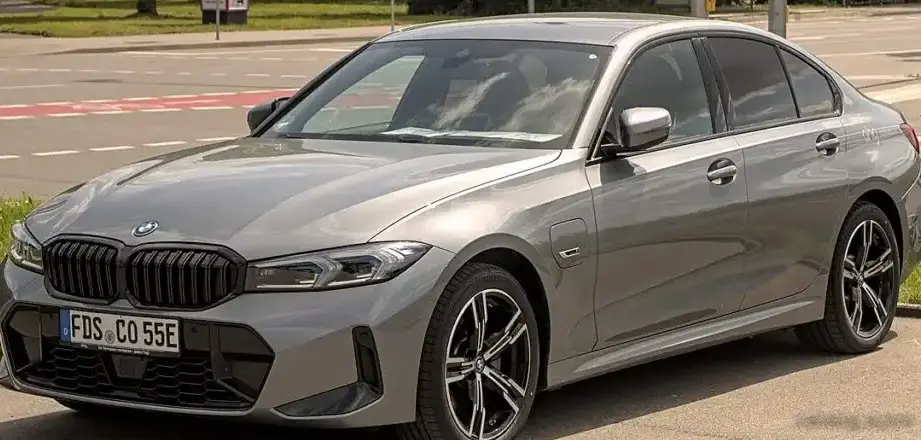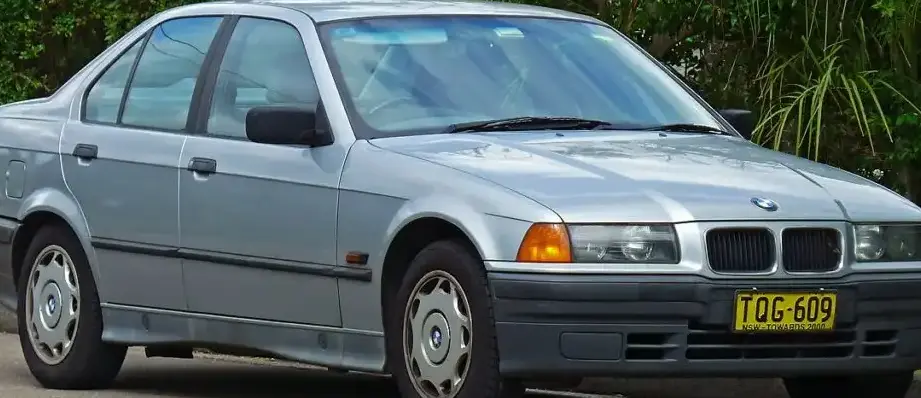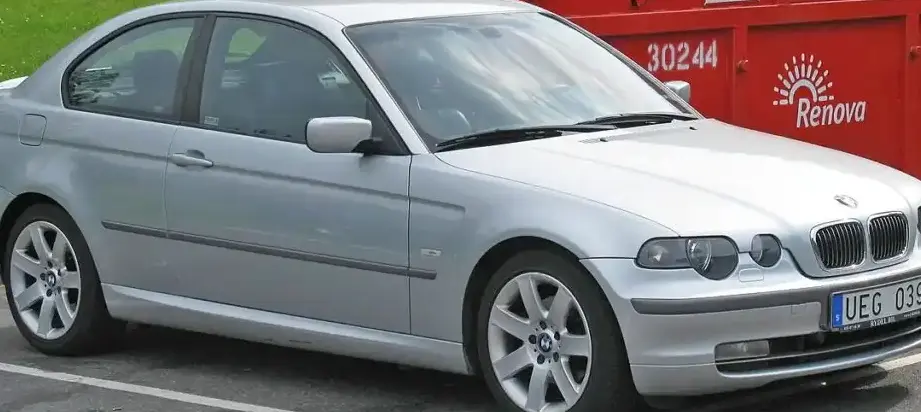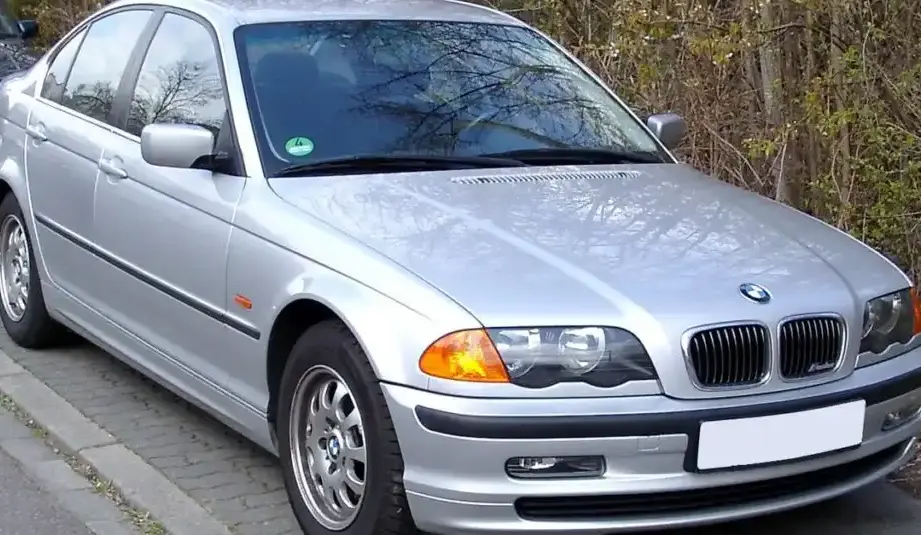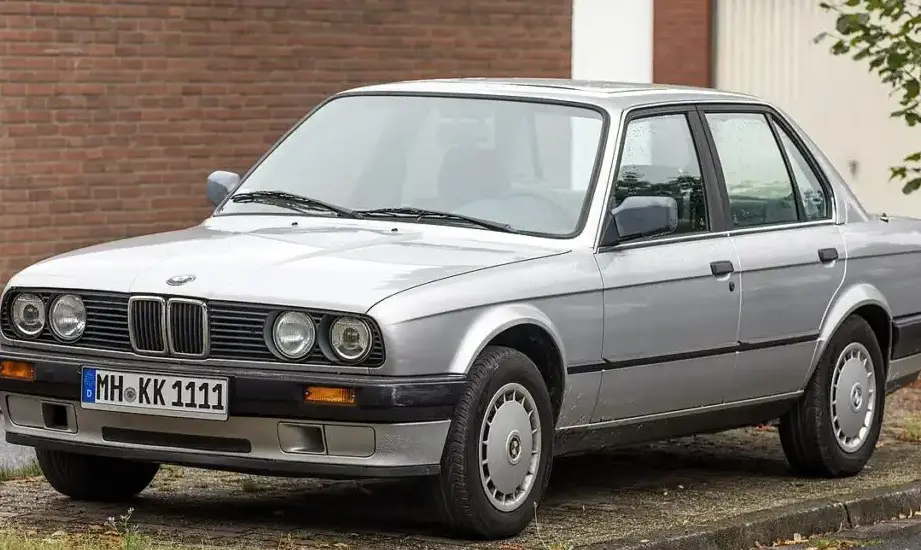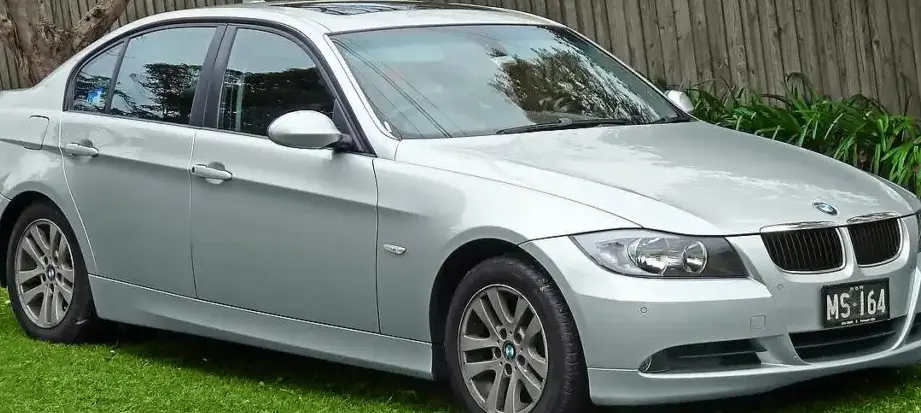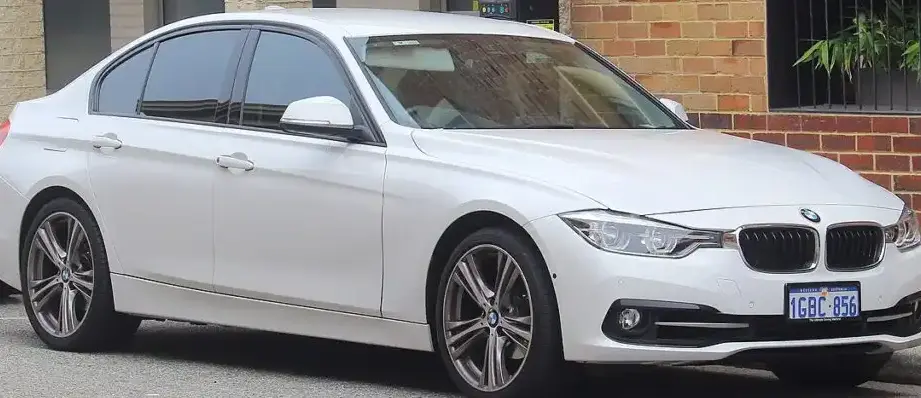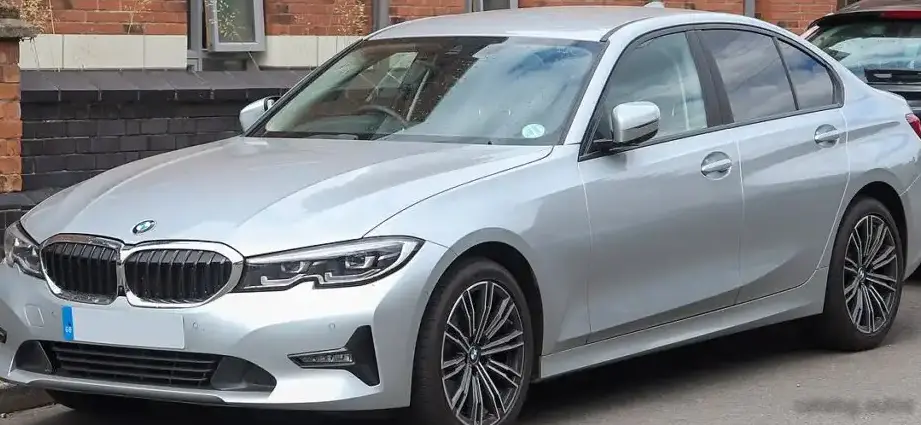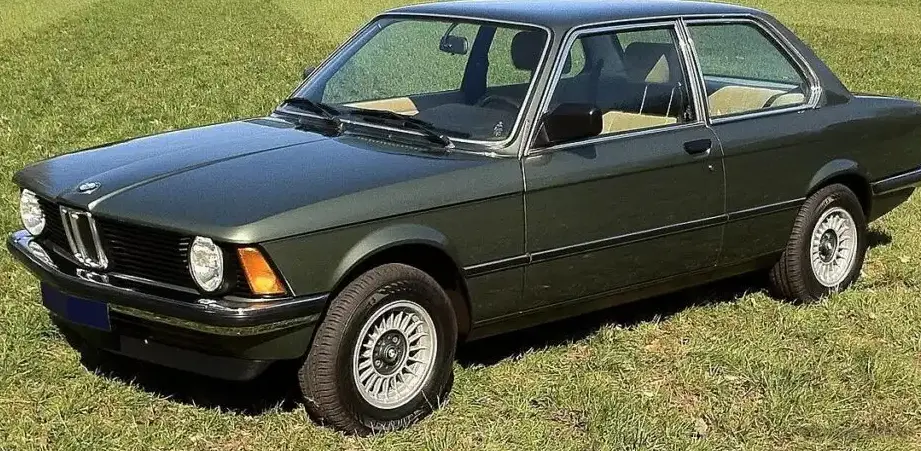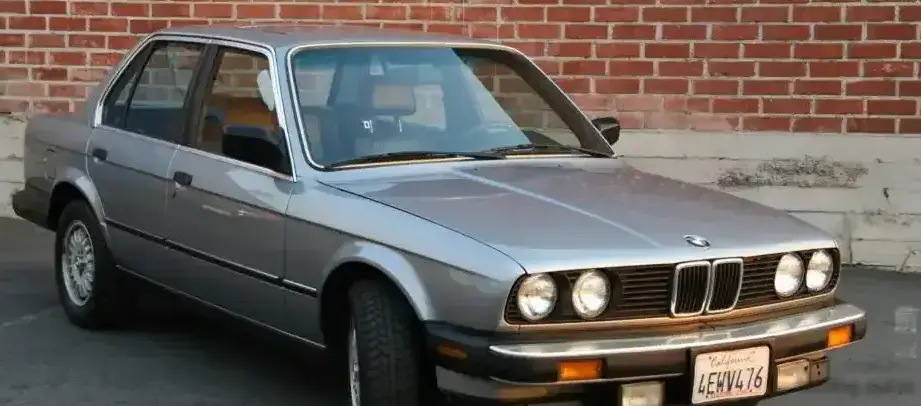
The BMW 3 Series Sedan (E30) 325e, produced from 1985 to 1987, represented a significant step in BMW’s North American strategy. Designed specifically to meet increasingly stringent US emissions regulations, the “eta” (represented by the ‘e’ designation) engine offered a blend of performance and fuel efficiency. Positioned as a mid-range offering within the E30 lineup, it slotted between the base 325 and the higher-performance 325i, appealing to buyers seeking a balance of driving enjoyment and practicality. The 325e was built on the E30 chassis, part of the 1HX0 platform, and played a crucial role in establishing BMW’s foothold in the American sports sedan market.
Technical Specifications
| Brand | BMW |
| Model | 3 Series |
| Generation | 3 Series Sedan (E30) |
| Type (Engine) | 325e (129 Hp) |
| Start of production | 1985 |
| End of production | 1987 |
| Powertrain Architecture | Internal Combustion engine |
| Body type | Sedan |
| Seats | 5 |
| Doors | 4 |
| Fuel consumption (combined) | 8.4 l/100 km |
| Fuel consumption (US mpg) | 28 US mpg |
| Fuel consumption (UK mpg) | 33.6 UK mpg |
| Fuel consumption (km/l) | 11.9 km/l |
| Fuel Type | Petrol (Gasoline) |
| Acceleration 0 – 100 km/h | 10.1 sec |
| Acceleration 0 – 62 mph | 10.1 sec |
| Acceleration 0 – 60 mph | 9.6 sec |
| Maximum speed | 193 km/h (119.92 mph) |
| Weight-to-power ratio | 8.8 kg/Hp, 113.2 Hp/tonne |
| Weight-to-torque ratio | 5 kg/Nm, 201.8 Nm/tonne |
| Power | 129 Hp @ 4800 rpm |
| Power per litre | 47.9 Hp/l |
| Torque | 230 Nm @ 3200 rpm (169.64 lb.-ft. @ 3200 rpm) |
| Engine layout | Front, Longitudinal |
| Engine Model/Code | M20B27 |
| Engine displacement | 2693 cm3 (164.34 cu. in.) |
| Number of cylinders | 6 |
| Engine configuration | Inline |
| Cylinder Bore | 84 mm (3.31 in.) |
| Piston Stroke | 81 mm (3.19 in.) |
| Compression ratio | 9:1 |
| Number of valves per cylinder | 2 |
| Fuel injection system | Multi-port manifold injection |
| Engine aspiration | Naturally aspirated engine |
| Engine oil capacity | 4.25 l (4.49 US qt | 3.74 UK qt) |
| Coolant capacity | 10.5 l (11.1 US qt | 9.24 UK qt) |
| Kerb Weight | 1140 kg (2513.27 lbs.) |
| Max. weight | 1600 kg (3527.4 lbs.) |
| Max load | 460 kg (1014.13 lbs.) |
| Trunk (boot) space – minimum | 425 l (15.01 cu. ft.) |
| Fuel tank capacity | 55 l (14.53 US gal | 12.1 UK gal) |
| Length | 4325 mm (170.28 in.) |
| Width | 1645 mm (64.76 in.) |
| Height | 1380 mm (54.33 in.) |
| Wheelbase | 2570 mm (101.18 in.) |
| Front track | 1410 mm (55.51 in.) |
| Rear (Back) track | 1420 mm (55.91 in.) |
| Front overhang | 761 mm (29.96 in.) |
| Rear overhang | 994 mm (39.13 in.) |
| Ride height (ground clearance) | 125 mm (4.92 in.) |
| Drag coefficient (Cd) | 0.35 |
| Drivetrain Architecture | The Internal combustion engine (ICE) drives the rear wheels of the vehicle. |
| Drive wheel | Rear wheel drive |
| Number of gears and type of gearbox | 5 gears, manual transmission |
| Front brakes | Disc |
| Rear brakes | Drum |
| Tires size | 195/65 R14 |
| Wheel rims size | 14 |
Powertrain & Engine Architecture
The heart of the 325e is the M20B27 engine, a 2.7-liter inline-six cylinder powerplant. This engine was specifically designed to meet US emissions standards, utilizing a lower compression ratio (9:1) and a more conservative camshaft profile compared to the European-market 325i. It featured Bosch Motronic fuel injection, a system that managed both fuel delivery and ignition timing. The M20 engine family is renowned for its durability and relatively simple design, making it easier to maintain. The 325e was exclusively offered with a 5-speed manual transmission, chosen to optimize fuel economy and emissions. The transmission’s gear ratios were also tailored to complement the engine’s torque curve, providing adequate acceleration while prioritizing efficiency.
Driving Characteristics
The 325e offered a distinctly different driving experience compared to its 325i sibling. While the 325i prioritized high-revving performance, the 325e focused on low-end torque. This resulted in strong acceleration from a standstill and good passing power at lower speeds. However, the engine felt less eager to rev and produced less peak horsepower. The 5-speed manual transmission provided precise shifts, but the overall driving experience was more relaxed and geared towards everyday usability. Compared to later BMW models, the 325e’s steering felt relatively heavy, providing a direct connection to the road. The suspension, while firm, offered a comfortable ride, absorbing bumps and imperfections with ease.
Equipment & Trim Levels
The 325e came reasonably well-equipped for its time. Standard features included power windows, power door locks, and a basic sound system. The interior typically featured cloth upholstery, although leather was available as an option. The dashboard layout was typical of E30 models, with a straightforward design and easy-to-read gauges. Optional extras included a sunroof, air conditioning, and upgraded audio systems. The 325e did not offer the same level of luxury features as some of its competitors, but it provided a comfortable and functional interior.
Chassis & Braking
The E30 chassis provided a solid foundation for the 325e. The suspension consisted of MacPherson struts in the front and a semi-trailing arm setup in the rear. The 325e utilized disc brakes in the front and drum brakes in the rear, a common configuration for vehicles of this era. Anti-roll bars were fitted to both the front and rear axles, helping to reduce body roll during cornering. The relatively lightweight construction of the E30 chassis contributed to its nimble handling characteristics. The steering was unassisted, providing a direct and responsive feel.
Market Reception & Comparison
The 325e received mixed reviews upon its introduction. Critics praised its fuel efficiency and low-end torque, but some found its performance lacking compared to the 325i. The 325e was often seen as a compromise, sacrificing some performance in the name of emissions compliance. However, it proved to be a popular choice among buyers who prioritized fuel economy and practicality. Compared to other sports sedans of the time, such as the Mercedes-Benz 190E, the 325e offered a more engaging driving experience. Its reliability was generally good, although some owners reported issues with the Motronic fuel injection system.
Legacy
The BMW 325e holds a unique place in BMW history. It was a direct response to the challenges of meeting US emissions regulations and paved the way for future BMW models in the American market. The M20B27 engine, while not as powerful as some of its counterparts, proved to be remarkably durable and is still highly regarded by enthusiasts. Today, the 325e is a sought-after classic car, appreciated for its distinctive character and relatively affordable price. Well-maintained examples are becoming increasingly rare, and the 325e is often seen as a gateway into the world of classic BMW ownership. Its simple mechanical design and readily available parts make it a relatively easy car to maintain and restore.