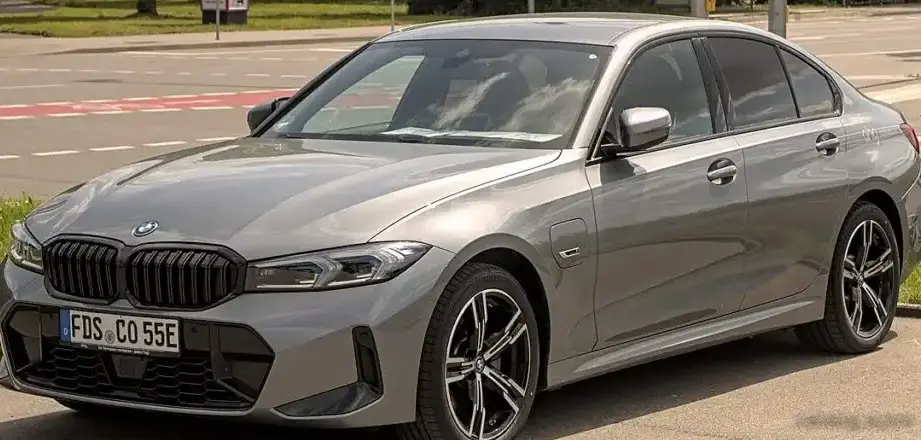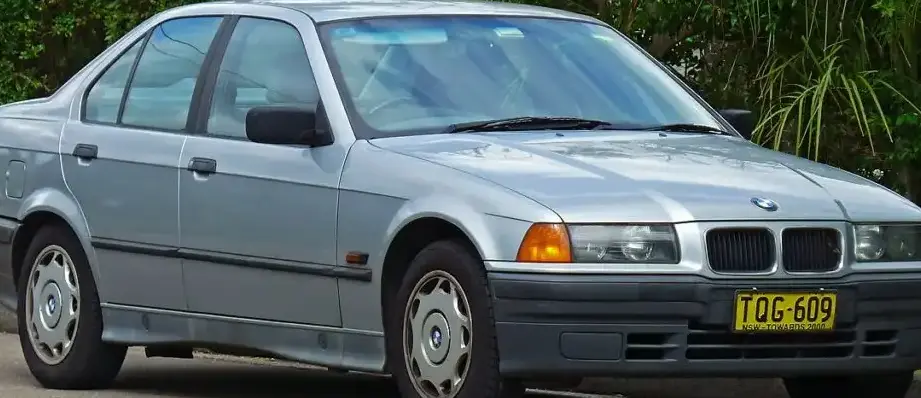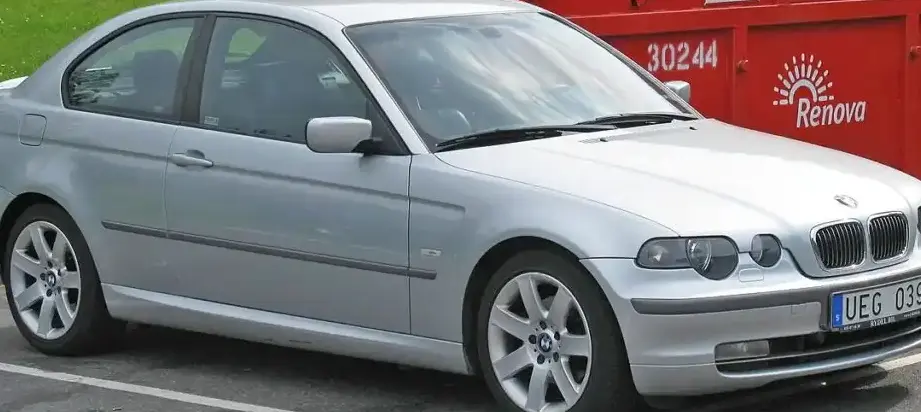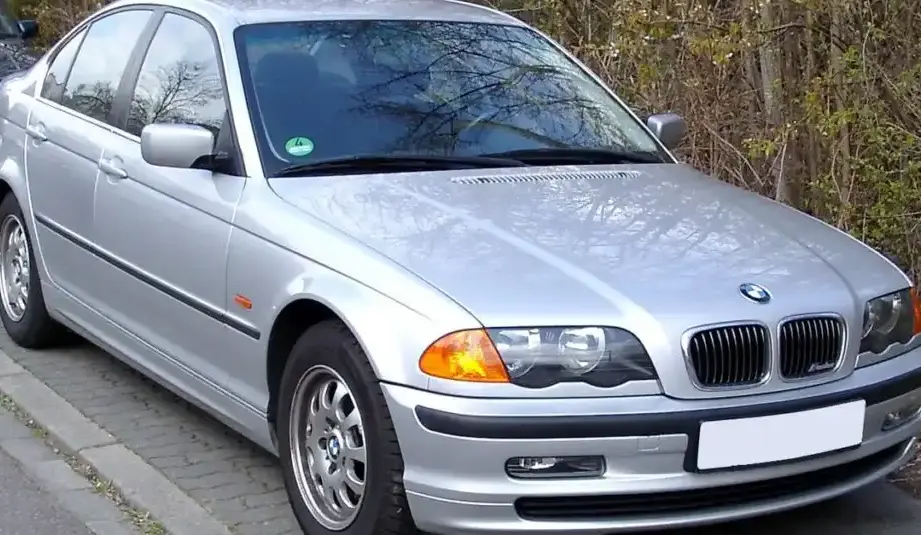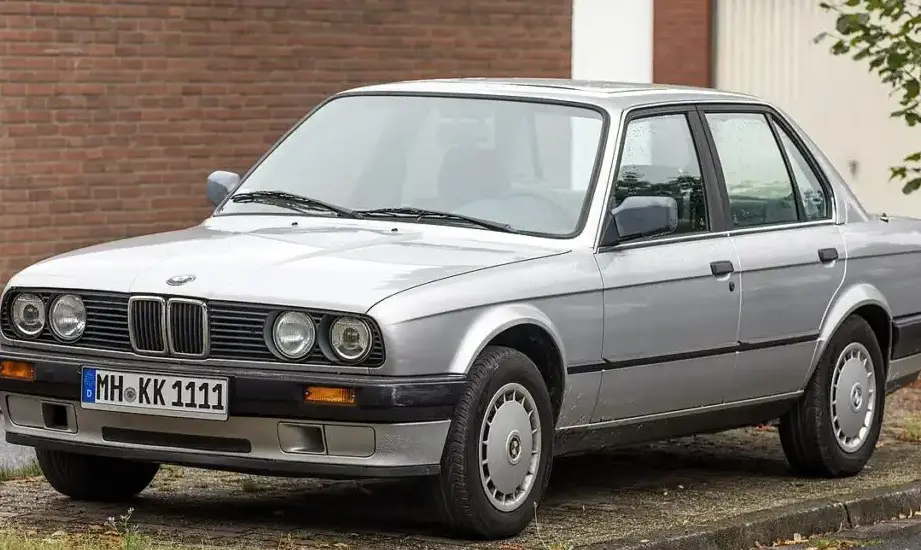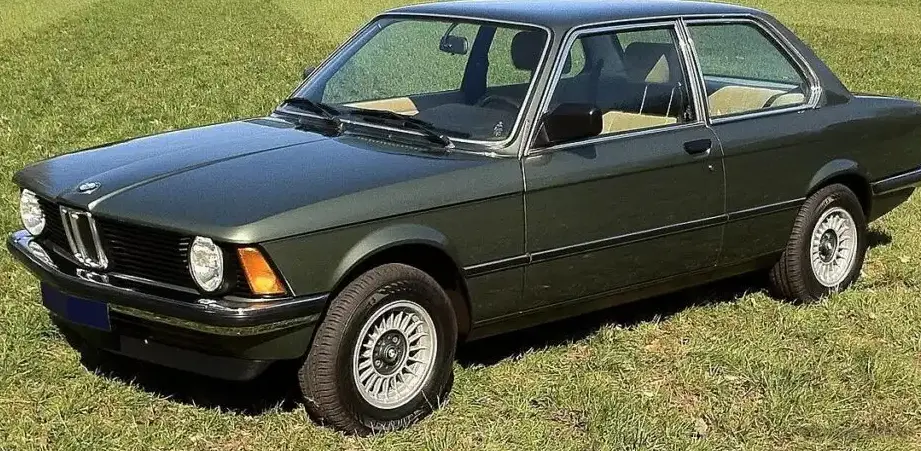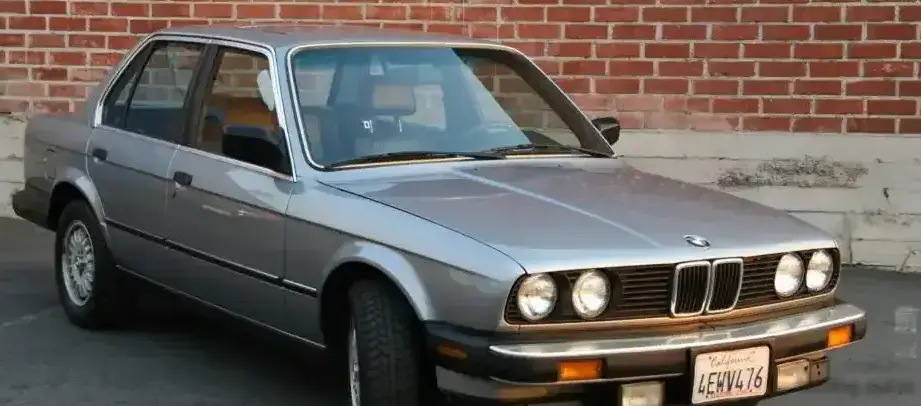
The BMW 3 Series Sedan (E30) 325e, produced from 1985 to 1987, represented a unique approach to the burgeoning American market’s demand for fuel efficiency without sacrificing the BMW driving experience. Positioned as a mid-range offering within the E30 lineup, which spanned from the base 325i to the performance-oriented M3, the 325e – often referred to as the “eta” – was specifically engineered to meet increasingly stringent US emissions regulations and appeal to buyers seeking better gas mileage. It utilized a modified version of BMW’s venerable M20 inline-six engine, optimized for torque and economy, paired exclusively with a four-speed automatic transmission in the US market. The 325e played a crucial role in maintaining BMW’s presence in the US during a period of shifting automotive priorities.
Technical Specifications
| Brand | BMW |
| Model | 3 Series |
| Generation | 3 Series Sedan (E30) |
| Type (Engine) | 325e (129 Hp) Automatic |
| Start of production | 1985 |
| End of production | 1987 |
| Powertrain Architecture | Internal Combustion engine |
| Body type | Sedan |
| Seats | 5 |
| Doors | 4 |
| Fuel consumption (combined) | 8.4 l/100 km (28 US mpg, 33.6 UK mpg, 11.9 km/l) |
| Fuel Type | Petrol (Gasoline) |
| Acceleration 0 – 100 km/h | 10.1 sec |
| Acceleration 0 – 62 mph | 10.1 sec |
| Acceleration 0 – 60 mph | 9.6 sec |
| Maximum speed | 193 km/h (119.92 mph) |
| Weight-to-power ratio | 8.8 kg/Hp, 113.2 Hp/tonne |
| Weight-to-torque ratio | 5 kg/Nm, 201.8 Nm/tonne |
| Power | 129 Hp @ 4800 rpm |
| Power per litre | 47.9 Hp/l |
| Torque | 230 Nm @ 3200 rpm (169.64 lb.-ft. @ 3200 rpm) |
| Engine layout | Front, Longitudinal |
| Engine Model/Code | M20B27 |
| Engine displacement | 2693 cm3 (164.34 cu. in.) |
| Number of cylinders | 6 |
| Engine configuration | Inline |
| Cylinder Bore | 84 mm (3.31 in.) |
| Piston Stroke | 81 mm (3.19 in.) |
| Compression ratio | 9:1 |
| Number of valves per cylinder | 2 |
| Fuel injection system | Multi-port manifold injection |
| Engine aspiration | Naturally aspirated engine |
| Engine oil capacity | 4.25 l (4.49 US qt | 3.74 UK qt) |
| Coolant | 10.5 l (11.1 US qt | 9.24 UK qt) |
| Kerb Weight | 1140 kg (2513.27 lbs.) |
| Max. weight | 1600 kg (3527.4 lbs.) |
| Max load | 460 kg (1014.13 lbs.) |
| Trunk (boot) space – minimum | 425 l (15.01 cu. ft.) |
| Fuel tank capacity | 55 l (14.53 US gal | 12.1 UK gal) |
| Length | 4325 mm (170.28 in.) |
| Width | 1645 mm (64.76 in.) |
| Height | 1380 mm (54.33 in.) |
| Wheelbase | 2570 mm (101.18 in.) |
| Front track | 1410 mm (55.51 in.) |
| Rear (Back) track | 1420 mm (55.91 in.) |
| Front overhang | 761 mm (29.96 in.) |
| Rear overhang | 994 mm (39.13 in.) |
| Ride height (ground clearance) | 125 mm (4.92 in.) |
| Drag coefficient (Cd) | 0.35 |
| Drivetrain Architecture | The Internal combustion engine (ICE) drives the rear wheels of the vehicle. |
| Drive wheel | Rear wheel drive |
| Number of gears and type of gearbox | 4 gears, automatic transmission |
| Front brakes | Disc |
| Rear brakes | Drum |
| Tires size | 195/65 R14 |
| Wheel rims size | 14 |
Powertrain & Engine Architecture
The heart of the 325e is the M20B27 engine, a 2.7-liter inline-six cylinder powerplant. While based on the M20 family found in other E30 models, the B27 featured a lower compression ratio (9:1 versus 9.8:1 in the 325i) and a revised intake manifold, camshaft, and exhaust system. These modifications prioritized low-end torque and improved fuel efficiency. The engine employed Bosch Motronic fuel injection, a sophisticated system for its time, managing fuel delivery and ignition timing. Unlike the 325i, which offered a five-speed manual as standard, the 325e was exclusively paired with a four-speed automatic transmission (specifically the ZF 4HP22). This transmission was chosen to further enhance fuel economy and provide a smoother driving experience, catering to the American preference for automatics.
Driving Characteristics
The 325e’s driving experience differed significantly from its 325i sibling. The focus on low-end torque meant that the 325e felt responsive in city driving and during everyday acceleration. However, the automatic transmission and lower-revving engine meant it lacked the eagerness and sporty feel of the manual 325i. The four-speed automatic, while smooth, had relatively widely spaced gear ratios, which could sometimes feel sluggish during quick overtaking maneuvers. Compared to the later 325is (with its higher-revving engine and closer-ratio manual gearbox), the 325e prioritized usability and fuel economy over outright performance. Zero to sixty mph times were typically in the mid-9 second range, respectable for the era but slower than the manual 325i.
Equipment & Trim Levels
The 325e came reasonably well-equipped for its time, though it generally sat below the 325i in terms of standard features. Standard equipment included power windows, power locks, and a basic stereo system. The interior typically featured cloth upholstery, although leather was available as an option. Optional extras included a sunroof, air conditioning, and upgraded sound systems. The dashboard layout was typical of the E30, with a straightforward design and easy-to-read gauges. The 325e did not offer the same level of customization or premium options as the higher-end 325i or M3 models.
Chassis & Braking
The 325e shared the E30’s MacPherson strut front suspension and semi-trailing arm rear suspension. However, due to the car’s slightly heavier weight (compared to the 325i), the suspension was tuned for a softer ride. The rear brakes on the 325e were typically drum brakes, while the front brakes were discs. This configuration was common for cars in this price range during the 1980s. Stabilizer bars were fitted front and rear, contributing to the car’s handling stability. The 195/65 R14 tires provided adequate grip for everyday driving, but were not geared towards high-performance handling.
Market Reception & Comparison
The 325e received mixed reviews upon its introduction. Critics acknowledged its improved fuel economy and smooth automatic transmission, but many lamented its lack of sporting character compared to the 325i. The 325i, with its manual transmission and higher-revving engine, remained the choice for driving enthusiasts. The 325e’s fuel economy was noticeably better than the 325i, making it a more attractive option for buyers concerned about gas prices. However, the 325e’s lower performance and less engaging driving experience limited its appeal to a specific segment of the market.
Legacy
The BMW 325e, while not as celebrated as its 325i or M3 siblings, holds a unique place in E30 history. The M20B27 engine, while not a high-performance unit, proved to be relatively reliable. The four-speed automatic transmission, while not particularly sporty, has also proven durable. Today, the 325e is a relatively affordable entry point into E30 ownership. While not as sought-after as the more performance-oriented models, well-maintained examples are gaining appreciation among collectors and enthusiasts who value their unique character and historical significance. Finding parts can sometimes be more challenging than for the 325i, but a dedicated aftermarket and strong BMW community support continue to keep these cars on the road.