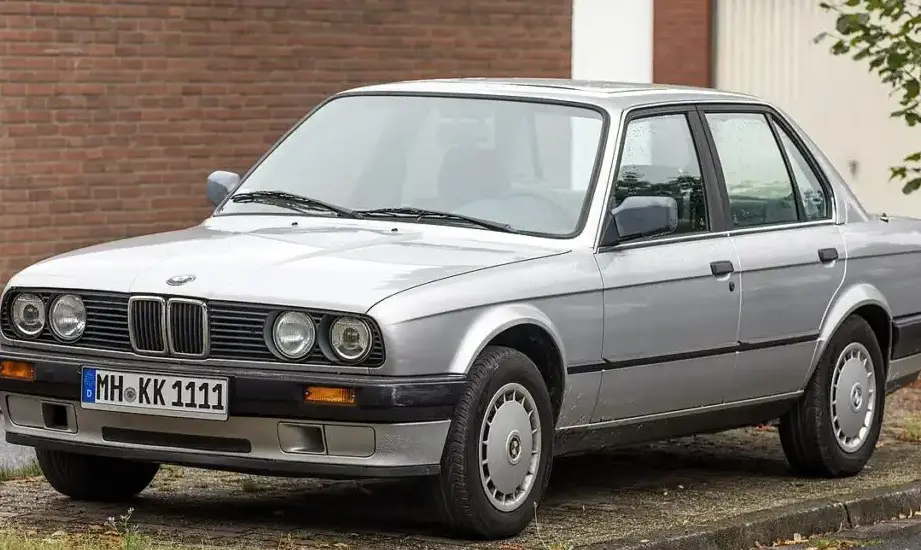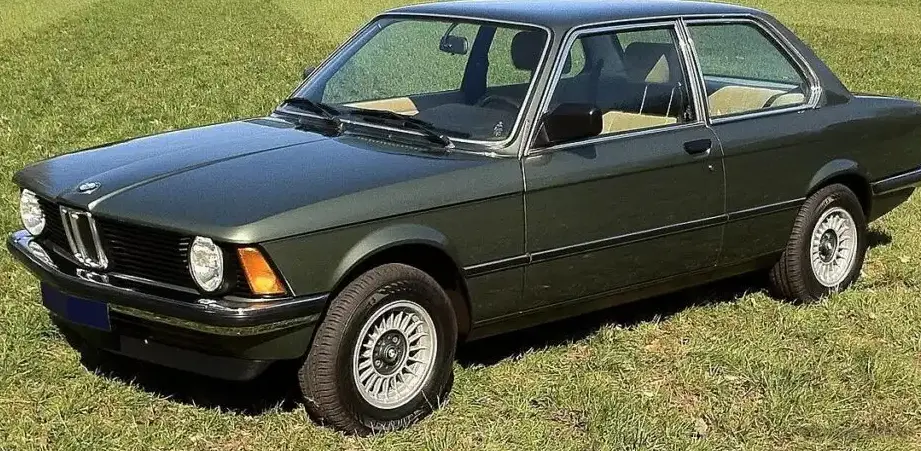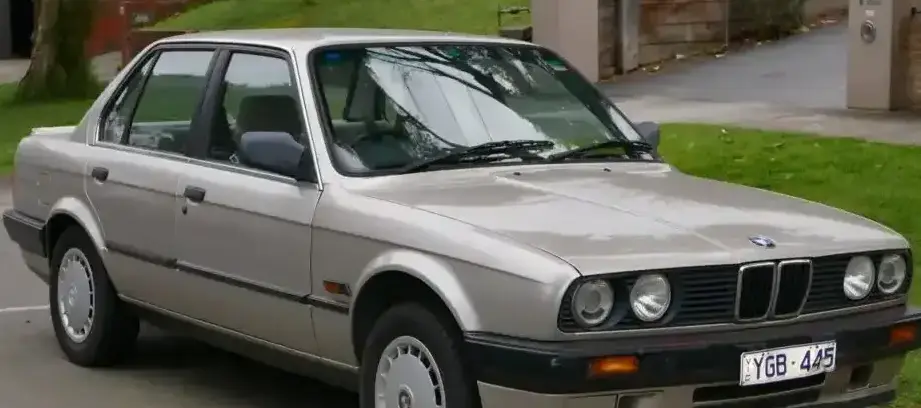
The BMW 3 Series Sedan (E30) 316i Automatic, produced from 1987 to 1991, represents an important entry point into the iconic E30 generation. Positioned as the base model with an automatic transmission, it offered a blend of BMW’s renowned driving dynamics and practicality for a broader audience. This variant was part of the facelifted E30 range (often referred to as the 2.5-liter models, despite the 316i’s smaller displacement), which featured subtle styling updates and improvements to the interior. It served as a more accessible alternative to the sportier 325i and 325es models, appealing to buyers prioritizing comfort and fuel efficiency over outright performance.
Technical Specifications
| Brand | BMW |
| Model | 3 Series |
| Generation | 3 Series Sedan (E30, facelift 1987) |
| Type (Engine) | 316i (100 Hp) Automatic |
| Start of production | 1987 |
| End of production | 1991 |
| Powertrain Architecture | Internal Combustion engine |
| Body type | Sedan |
| Seats | 5 |
| Doors | 4 |
| Fuel consumption (urban) | 10.5 l/100 km (22.4 US mpg, 26.9 UK mpg, 9.5 km/l) |
| Fuel consumption (extra urban) | 6.9 l/100 km (34.1 US mpg, 40.9 UK mpg, 14.5 km/l) |
| Fuel consumption (combined) | 8.8 l/100 km (26.7 US mpg, 32.1 UK mpg, 11.4 km/l) |
| Fuel Type | Petrol (Gasoline) |
| Acceleration 0 – 100 km/h | 14.1 sec |
| Acceleration 0 – 62 mph | 14.1 sec |
| Acceleration 0 – 60 mph | 13.4 sec |
| Maximum speed | 177 km/h (109.98 mph) |
| Weight-to-power ratio | 10.8 kg/Hp, 92.6 Hp/tonne |
| Weight-to-torque ratio | 7.7 kg/Nm, 130.6 Nm/tonne |
| Power | 100 Hp @ 5500 rpm |
| Power per litre | 62.7 Hp/l |
| Torque | 141 Nm @ 4250 rpm (104 lb.-ft. @ 4250 rpm) |
| Engine layout | Front, Longitudinal |
| Engine Model/Code | M40B16 |
| Engine displacement | 1596 cm3 (97.39 cu. in.) |
| Number of cylinders | 4 |
| Engine configuration | Inline |
| Cylinder Bore | 84 mm (3.31 in.) |
| Piston Stroke | 72 mm (2.83 in.) |
| Compression ratio | 9.1:1 |
| Number of valves per cylinder | 2 |
| Fuel injection system | Multi-port manifold injection |
| Engine aspiration | Naturally aspirated engine |
| Valvetrain | OHC |
| Engine oil capacity | 4 l (4.23 US qt | 3.52 UK qt) |
| Coolant capacity | 6 l (6.34 US qt | 5.28 UK qt) |
| Kerb Weight | 1080 kg (2380.99 lbs.) |
| Max. weight | 1540 kg (3395.12 lbs.) |
| Max load | 460 kg (1014.13 lbs.) |
| Trunk (boot) space – minimum | 425 l (15.01 cu. ft.) |
| Fuel tank capacity | 55 l (14.53 US gal | 12.1 UK gal) |
| Length | 4325 mm (170.28 in.) |
| Width | 1645 mm (64.76 in.) |
| Height | 1380 mm (54.33 in.) |
| Wheelbase | 2570 mm (101.18 in.) |
| Front track | 1405 mm (55.31 in.) |
| Rear (Back) track | 1415 mm (55.71 in.) |
| Drivetrain Architecture | Rear wheel drive |
| Drive wheel | Rear wheel drive |
| Number of gears and type of gearbox | 4 gears, automatic transmission |
| Front suspension | Coil spring |
| Rear suspension | Coil spring |
| Front brakes | Disc |
| Rear brakes | Drum |
| Assisting systems | ABS (Anti-lock braking system) |
| Power steering | Hydraulic Steering |
| Tires size | 175/70 TR14 |
| Wheel rims size | 14 |
Powertrain & Engine Architecture
The 316i Automatic was powered by the M40B16 engine, a 1.6-liter inline-four cylinder gasoline engine. This engine featured a single overhead camshaft (OHC) design and utilized Bosch Motronic fuel injection. The M40B16 was a relatively simple and robust engine, known for its reliability. It produced 100 horsepower at 5500 rpm and 104 lb-ft of torque at 4250 rpm. The automatic transmission was a four-speed unit, designed to provide smooth and comfortable shifting. This transmission, while not particularly sporty, was well-suited to the engine’s characteristics and the intended market for this variant. The engine’s longitudinal mounting and rear-wheel-drive configuration were hallmarks of BMW’s engineering philosophy at the time.
Driving Characteristics
The 316i Automatic offered a comfortable and refined driving experience. Acceleration was modest, taking around 14.1 seconds to reach 62 mph. Compared to the manual transmission version or the more powerful 325i, the automatic felt noticeably slower. However, the automatic transmission provided ease of use, particularly in urban driving conditions. The gear ratios were optimized for fuel efficiency and smooth cruising, rather than aggressive acceleration. The suspension, while firm enough to provide good handling, was tuned for comfort, making it a pleasant car for long journeys. The rear drum brakes, standard on this model, offered adequate stopping power for everyday driving, but lacked the performance of the disc brakes found on higher-spec models.
Equipment & Trim Levels
The 316i Automatic typically came equipped with a relatively basic level of standard features. This included cloth upholstery, manual windows and door locks, and a basic stereo system. Air conditioning was often an optional extra, as were features like power windows and a sunroof. The interior design was functional and well-built, reflecting BMW’s commitment to quality. The dashboard layout was straightforward, with clearly marked gauges and controls. Higher trim levels could add features like upgraded upholstery, wood trim, and a more sophisticated sound system.
Chassis & Braking
The E30 chassis was renowned for its balanced handling and responsive steering. The 316i Automatic featured coil spring suspension at both the front and rear. The front suspension utilized MacPherson struts, while the rear employed a semi-trailing arm design. The rear brakes were drum brakes, which were less expensive and lighter than disc brakes, but offered reduced stopping power. Power steering was standard, providing light and easy steering effort. The 316i Automatic’s suspension was tuned to provide a comfortable ride, but still offered good handling characteristics.
Market Reception & Comparison
The 316i Automatic was generally well-received by critics as a practical and affordable entry into the BMW 3 Series range. It was praised for its comfortable ride, fuel efficiency, and build quality. However, it was often criticized for its lack of performance compared to the more powerful 325i models. Compared to the 316i with a manual transmission, the automatic version offered greater convenience but sacrificed some responsiveness. The 325i, with its larger engine and sportier suspension, was the clear choice for driving enthusiasts. The 316i Automatic appealed to buyers who prioritized comfort, convenience, and fuel economy over outright performance.
Legacy
The E30 316i Automatic has developed a loyal following among classic BMW enthusiasts. The M40B16 engine is known for its reliability and relatively simple maintenance requirements. While not as sought-after as the 325i, the 316i Automatic offers an affordable entry point into E30 ownership. Well-maintained examples are becoming increasingly rare and are appreciated for their classic BMW charm and driving experience. The automatic transmission, while not a performance enhancer, has proven to be durable and reliable over the years. Today, these cars represent a piece of automotive history and continue to provide enjoyment to their owners.