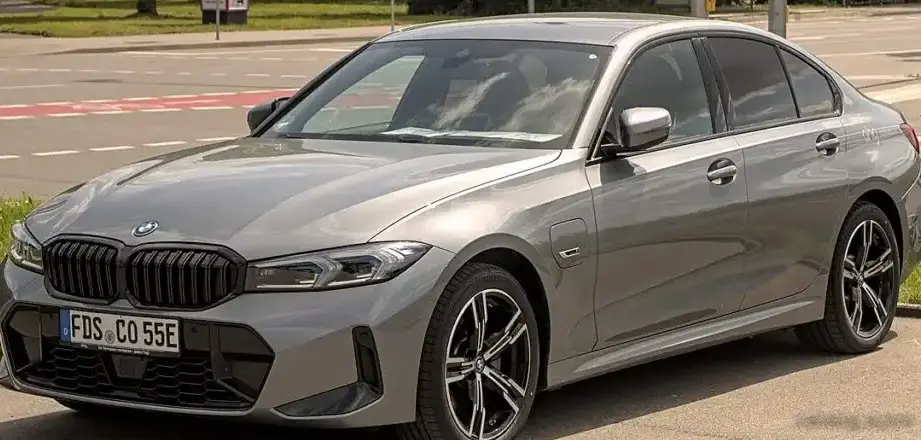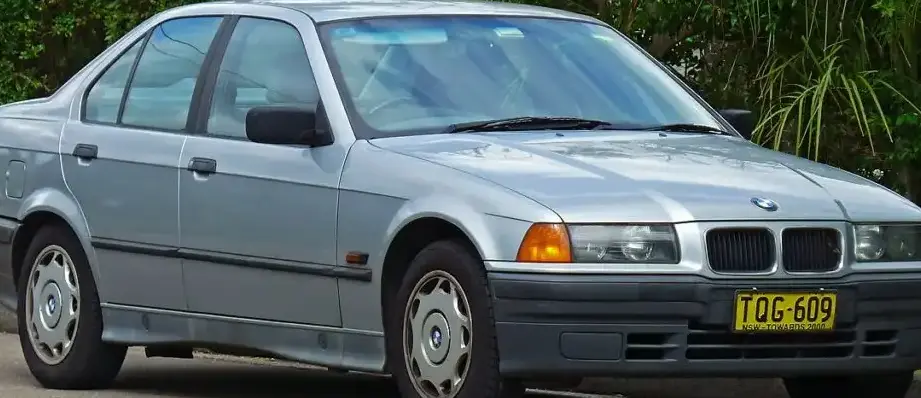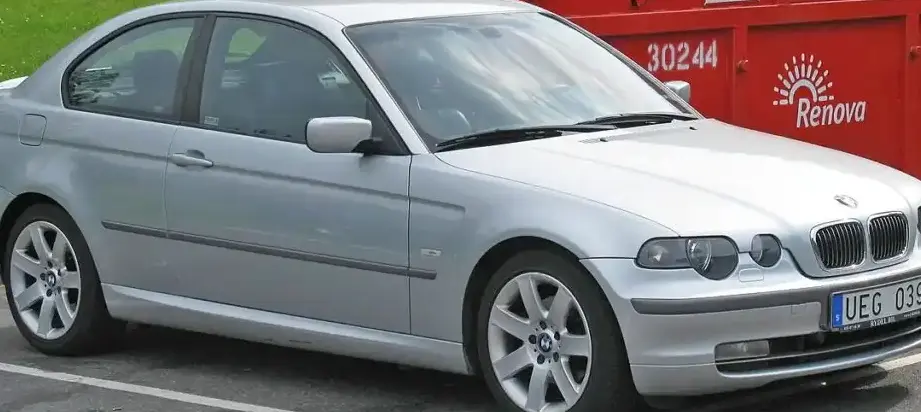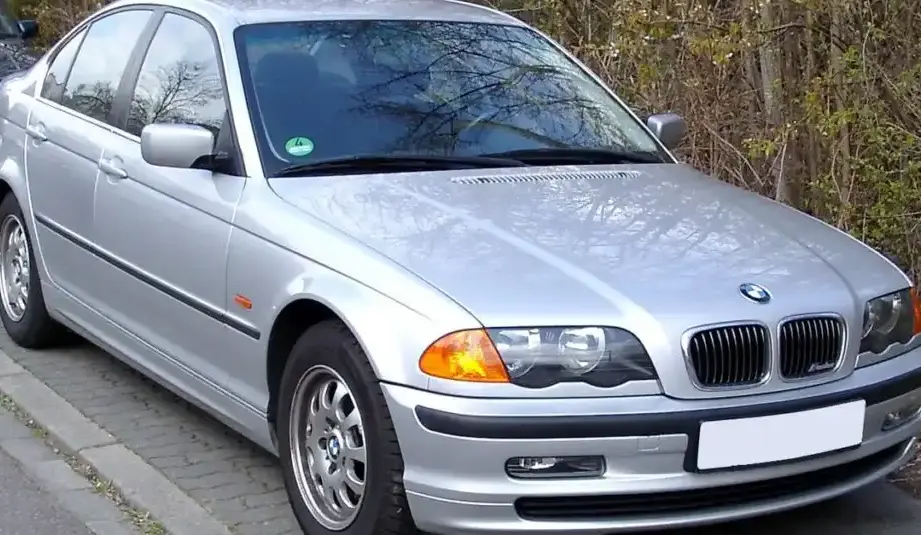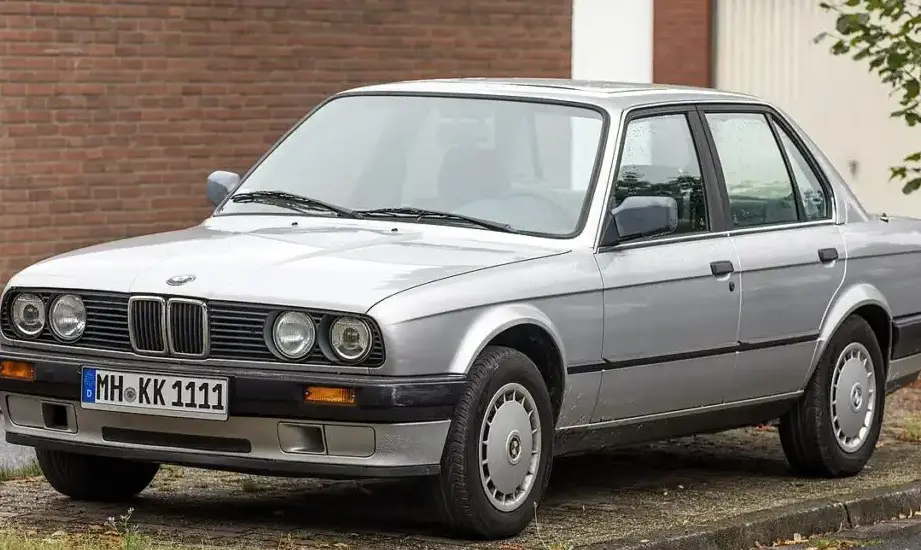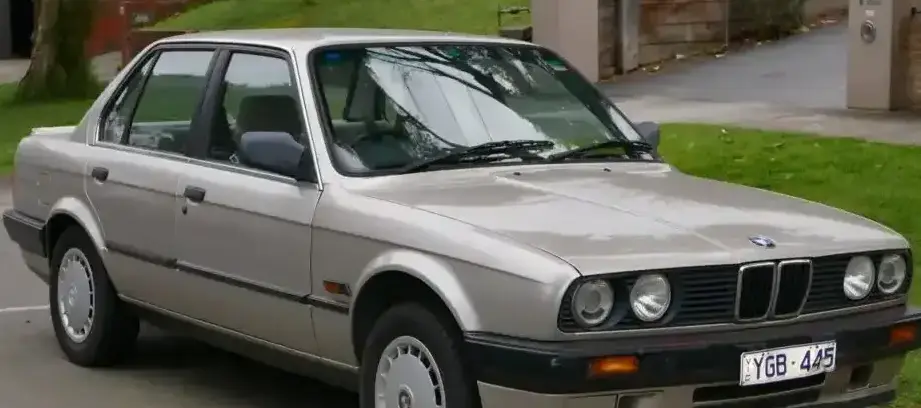
The BMW 3 Series Sedan (E30) facelift 318i, produced from 1987 to 1991, represents a crucial evolution in BMW’s compact executive car lineage. Positioned as the entry-level model within the E30 range following the 1987 facelift, it aimed to balance BMW’s celebrated driving dynamics with a more accessible price point. This variant, primarily equipped with the M40B18 engine and a 5-speed manual transmission – though a 4-speed automatic was also offered – broadened the 3 Series’ appeal to a wider demographic. The facelift brought subtle yet significant cosmetic and mechanical refinements, cementing the E30’s reputation as a benchmark for handling and build quality in its segment.
Technical Specifications
| Brand | BMW |
| Model | 3 Series |
| Generation | 3 Series Sedan (E30, facelift 1987) |
| Type (Engine) | 318i (115 Hp) |
| Start of production | 1987 |
| End of production | 1991 |
| Powertrain Architecture | Internal Combustion engine |
| Body type | Sedan |
| Seats | 5 |
| Doors | 4 |
| Fuel Type | Petrol (Gasoline) |
| Power | 115 Hp |
| Engine Model/Code | M40B18 |
| Number of cylinders | 4 |
| Engine configuration | Inline |
| Number of valves per cylinder | 2 |
| Engine aspiration | Naturally aspirated engine |
| Engine oil capacity | 4 l (4.23 US qt | 3.52 UK qt) |
| Coolant capacity | 6 l (6.34 US qt | 5.28 UK qt) |
| Fuel tank capacity | 62 l (16.38 US gal | 13.64 UK gal) |
| Drivetrain | Rear wheel drive |
| Number of gears | 5 |
| Gearbox type | Manual transmission |
| Front brakes | Ventilated discs |
| Rear brakes | Drum |
Powertrain & Engine Architecture
The 318i’s core is the M40B18, a 1.8-liter inline-four cylinder engine. This engine is a direct descendant of BMW’s established M40 series, featuring a robust cast iron block and a lightweight aluminum cylinder head. It employs a single overhead camshaft (SOHC) design with two valves per cylinder, a configuration common for its era. Fuel delivery is managed by the Bosch Motronic fuel injection system, optimizing the air-fuel mixture for improved efficiency and performance. The M40B18 is recognized for its smooth power delivery and generally reliable nature. While not designed for outright performance, it provided ample power for enjoyable driving. The standard 5-speed manual transmission is a Getrag unit, lauded for its precise shifting feel and durability. A 4-speed automatic transmission was offered as an option, but it typically diminished the car’s sporty character, introducing some efficiency loss.
Driving Characteristics
The 318i, especially when equipped with the manual transmission, delivers a rewarding driving experience. The 115 horsepower engine, while not overpowering, provides sufficient power for daily commutes and even spirited drives on winding roads. The rear-wheel-drive layout, coupled with the E30’s well-tuned suspension, contributes to the model’s renowned handling balance. The 5-speed manual gearbox allows drivers to fully utilize the engine’s powerband, while the automatic, though convenient, results in a noticeable reduction in performance. Compared to the more potent 325i models, the 318i feels less urgent in acceleration, but its lighter weight and more manageable power delivery make it a more forgiving and accessible vehicle for less experienced drivers. The manual transmission’s gear ratios are thoughtfully chosen, providing strong acceleration in lower gears and comfortable cruising at highway speeds.
Equipment & Trim Levels
The 318i typically arrived with a relatively basic set of standard features, reflecting its position as the entry-level model. Standard equipment included cloth upholstery, manual windows and door locks, and a basic stereo system. However, a comprehensive list of optional extras was available, allowing buyers to significantly enhance the car’s comfort and convenience. Popular options included power windows and locks, a sunroof, air conditioning, upgraded stereo systems, and sport seats. Interior trim options varied, with different cloth and leather upholstery choices available. The dashboard layout is functional and driver-focused, featuring clearly marked gauges and intuitive controls.
Chassis & Braking
The E30 chassis represents a significant advancement in BMW’s engineering prowess. It features a MacPherson strut front suspension and a semi-trailing arm rear suspension, striking a balance between ride comfort and handling precision. The 318i generally featured smaller diameter wheels and tires compared to the 325i, contributing to a slightly softer ride quality. Braking is handled by ventilated disc brakes at the front and drum brakes at the rear. While adequate for most driving scenarios, the rear drum brakes were a common point of criticism, particularly for drivers seeking more consistent stopping power. A stabilizer bar is fitted to both the front and rear axles, further enhancing handling stability.
Market Reception & Comparison
The 318i was generally well-received by automotive journalists as a capable and affordable entry point into the BMW brand. It was praised for its handling, build quality, and overall driving experience. However, some critics noted that the engine lacked the punch of the 325i’s larger displacement engine. When compared to other compact executive cars of the era, such as the Mercedes-Benz 190E and the Audi 80, the 318i offered a more engaging and driver-focused experience. Fuel economy was respectable for the time, and reliability was generally good, although maintenance costs could be higher than some competitors. The automatic transmission version was frequently criticized for detracting from the car’s sporty character.
Legacy
The E30 318i has evolved into a highly desirable classic car, particularly among BMW enthusiasts. Its combination of affordability, reliability, and engaging driving dynamics has made it a popular choice for restoration projects and participation in classic car events. The M40B18 engine, while not the most powerful in the E30 range, is known for its durability and relative ease of maintenance. Today, well-maintained examples of the 318i command respectable prices in the used car market. The E30 platform, as a whole, is widely regarded as a landmark achievement in automotive engineering, and the 318i played a vital role in establishing BMW’s reputation for building driver-centric automobiles.