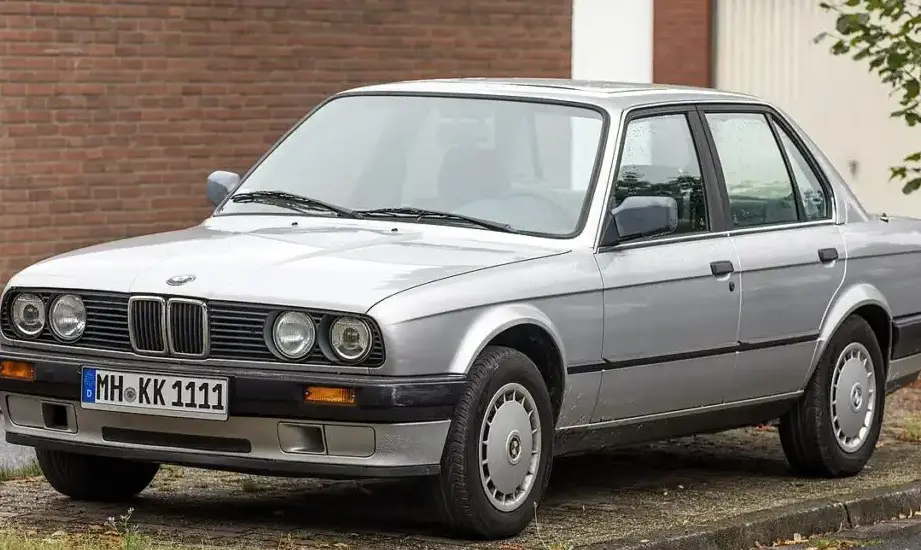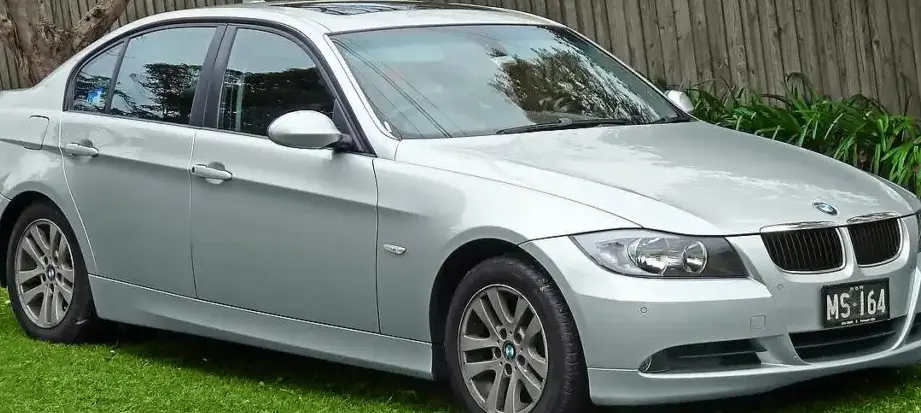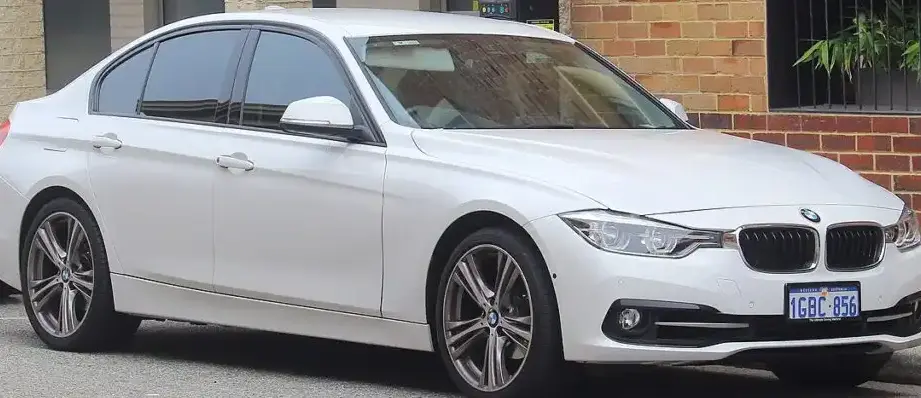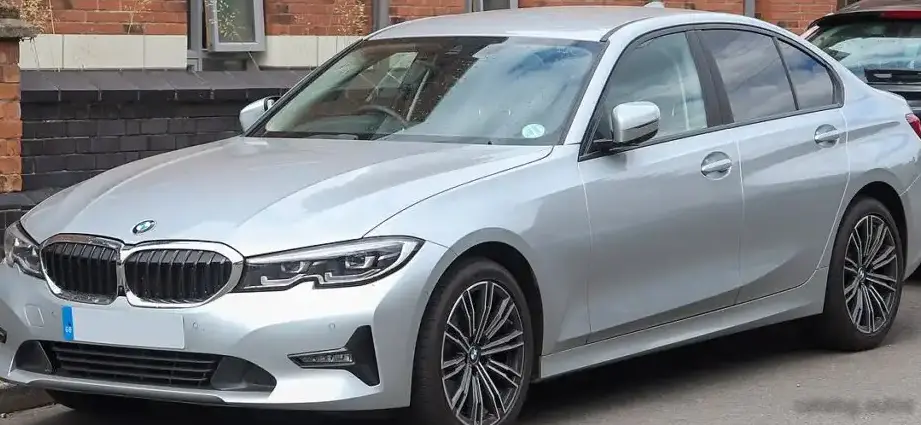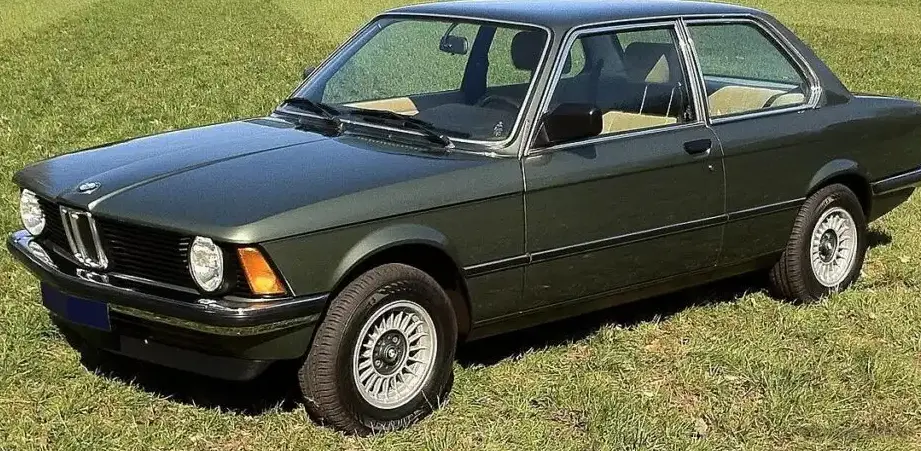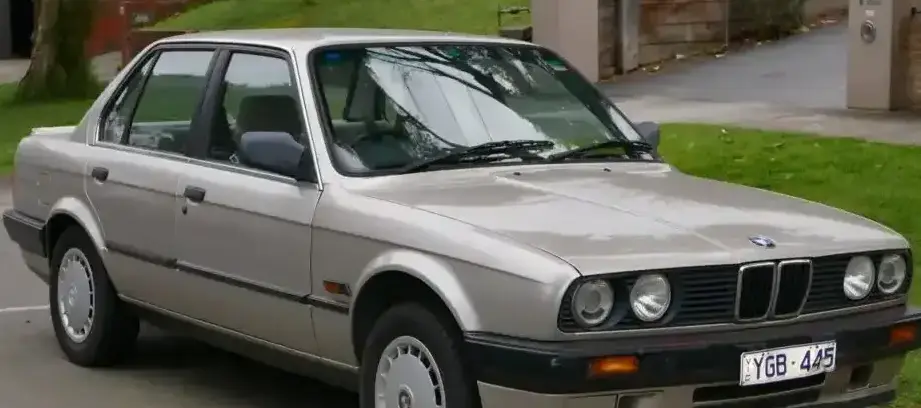
The BMW 3 Series Sedan (E30) 324d with an automatic transmission, produced from 1987 to 1991, represents a unique offering within the broader E30 generation. Positioned as an economy-focused variant, it catered to European markets seeking a blend of BMW’s renowned driving dynamics with improved fuel efficiency thanks to its diesel powerplant. This model, distinguished by the M21D24 engine, occupied the lower end of the 3 Series spectrum, offering a more affordable entry point compared to the gasoline-powered 325i or the later 328i models. The facelifted E30, introduced in 1987, brought subtle styling updates and refinements to the entire range, including the 324d.
Technical Specifications
| Brand | BMW |
| Model | 3 Series |
| Generation | 3 Series Sedan (E30, facelift 1987) |
| Type (Engine) | 324d (86 Hp) Automatic |
| Start of production | 1987 |
| End of production | 1991 |
| Powertrain Architecture | Internal Combustion engine |
| Body type | Sedan |
| Seats | 5 |
| Doors | 4 |
| Fuel consumption (urban) | 8.3 l/100 km (28.3 US mpg, 34 UK mpg, 12 km/l) |
| Fuel consumption (extra urban) | 5.4 l/100 km (43.6 US mpg, 52.3 UK mpg, 18.5 km/l) |
| Fuel consumption (combined) | 7.3 l/100 km (32.2 US mpg, 38.7 UK mpg, 13.7 km/l) |
| Fuel Type | Diesel |
| Acceleration 0 – 100 km/h | 18.5 sec |
| Acceleration 0 – 62 mph | 18.5 sec |
| Acceleration 0 – 60 mph | 17.6 sec |
| Maximum speed | 158 km/h (98.18 mph) |
| Weight-to-power ratio | 13.9 kg/Hp, 72 Hp/tonne |
| Weight-to-torque ratio | 7.8 kg/Nm, 128 Nm/tonne |
| Power | 86 Hp @ 4600 rpm |
| Power per litre | 35.2 Hp/l |
| Torque | 153 Nm @ 2500 rpm (112.85 lb.-ft. @ 2500 rpm) |
| Engine layout | Front, Longitudinal |
| Engine Model/Code | M21D24 |
| Engine displacement | 2443 cm3 (149.08 cu. in.) |
| Number of cylinders | 6 |
| Engine configuration | Inline |
| Cylinder Bore | 80 mm (3.15 in.) |
| Piston Stroke | 81 mm (3.19 in.) |
| Compression ratio | 22:1 |
| Number of valves per cylinder | 2 |
| Fuel injection system | Precombustion chamber injection |
| Engine aspiration | Naturally aspirated |
| Engine oil capacity | 5.3 l (5.6 US qt | 4.66 UK qt) |
| Coolant capacity | 12 l (12.68 US qt | 10.56 UK qt) |
| Kerb Weight | 1195 kg (2634.52 lbs.) |
| Max. weight | 1655 kg (3648.65 lbs.) |
| Max load | 460 kg (1014.13 lbs.) |
| Trunk (boot) space – minimum | 425 l (15.01 cu. ft.) |
| Fuel tank capacity | 55 l (14.53 US gal | 12.1 UK gal) |
| Length | 4325 mm (170.28 in.) |
| Width | 1645 mm (64.76 in.) |
| Height | 1380 mm (54.33 in.) |
| Wheelbase | 2570 mm (101.18 in.) |
| Front track | 1405 mm (55.31 in.) |
| Rear (Back) track | 1415 mm (55.71 in.) |
| Drivetrain Architecture | Rear wheel drive |
| Number of gears and type of gearbox | 4 gears, automatic transmission |
| Front suspension | Coil spring |
| Rear suspension | Coil spring |
| Front brakes | Ventilated discs |
| Rear brakes | Drum |
| Assisting systems | ABS (Anti-lock braking system) |
| Power steering | Hydraulic Steering |
| Tires size | 195/65 VR14 |
| Wheel rims size | 14 |
Powertrain & Engine Architecture
The heart of the 324d is the BMW M21D24 engine, a 2.4-liter inline-six diesel. This engine utilizes precombustion chamber injection, a system common in diesel engines of the era. Fuel is injected into a precombustion chamber within the cylinder head, where it ignites and then ignites the main charge in the cylinder. This design aids in smoother combustion and reduced engine noise compared to direct injection systems. The M21D24 produces 86 horsepower at 4600 rpm and 153 Nm (113 lb-ft) of torque at 2500 rpm. The engine’s relatively high compression ratio of 22:1 is typical for diesel engines, contributing to its efficiency. The automatic transmission paired with the 324d is a four-speed unit, designed to provide comfortable and convenient shifting. While not known for its sportiness, it was well-suited to the engine’s torque characteristics and the car’s intended role as a fuel-efficient cruiser.
Driving Characteristics
The 324d automatic offered a distinctly different driving experience compared to its gasoline-powered siblings. Acceleration was leisurely, with a 0-60 mph time of around 17.6 seconds. The automatic transmission, while smooth, contributed to a noticeable lack of responsiveness. The engine’s torque, however, provided adequate pulling power for everyday driving and highway cruising. The gear ratios were optimized for fuel economy rather than performance, meaning the engine rarely revved high in the RPM range. Compared to the more powerful 325i or 328i, the 324d felt significantly slower, but it offered a more relaxed and economical driving experience. The rear-wheel-drive layout, a hallmark of BMW, still provided a balanced and engaging feel, even with the modest power output.
Equipment & Trim Levels
The 324d automatic typically came with a fairly basic level of equipment. Standard features included power steering, ventilated front disc brakes, and drum brakes in the rear. ABS (Anti-lock Braking System) was often included, enhancing safety. Interior appointments were relatively simple, with cloth upholstery and a functional dashboard layout. Optional extras included a sunroof, upgraded audio systems, and more luxurious interior trim options. The 324d was generally positioned as the entry-level 3 Series, and as such, it lacked many of the premium features found on higher-trim models.
Chassis & Braking
The E30 324d utilized a coil spring suspension on both the front and rear axles. The suspension was tuned for comfort and ride quality, rather than outright sportiness. The rear brakes were typically drum brakes, a cost-saving measure compared to the disc brakes found on higher-spec models. The front brakes were ventilated discs, providing adequate stopping power for the car’s weight and performance. Stabilizer bars were fitted to both axles, helping to reduce body roll during cornering. The chassis was relatively lightweight, contributing to the car’s balanced handling characteristics.
Market Reception & Comparison
The 324d automatic was primarily marketed in Europe, where diesel engines were more popular due to fuel costs and taxation. Critics generally praised the car’s fuel economy and comfortable ride, but noted its lack of performance. Compared to the 325i, the 324d offered significantly lower running costs but sacrificed driving excitement. The 324d was often seen as a sensible and practical choice for those prioritizing efficiency and affordability over performance. Its reliability was generally good, although diesel engines of this era required regular maintenance to prevent issues with the fuel injection system.
Legacy
The E30 324d automatic has developed a modest following among classic BMW enthusiasts. While not as sought-after as the more powerful 325i or 328i models, it represents a unique and affordable entry point into the E30 world. The M21D24 engine, when properly maintained, is known for its durability. However, age-related issues such as fuel injection pump wear and corrosion can be common. Today, the 324d automatic is often seen as a reliable and economical classic car, offering a taste of BMW’s engineering heritage at a relatively accessible price point. Its simplicity and robust construction make it a relatively easy car to maintain and repair, appealing to DIY mechanics and enthusiasts.