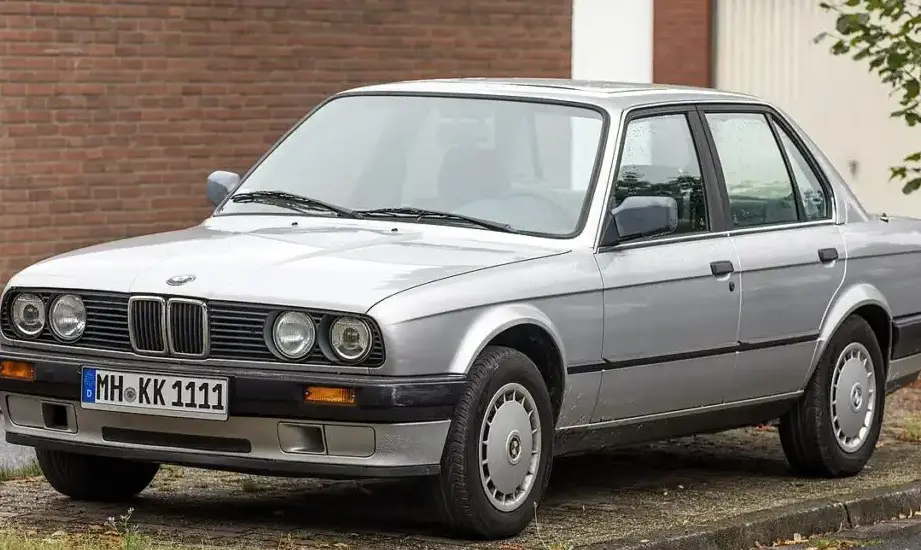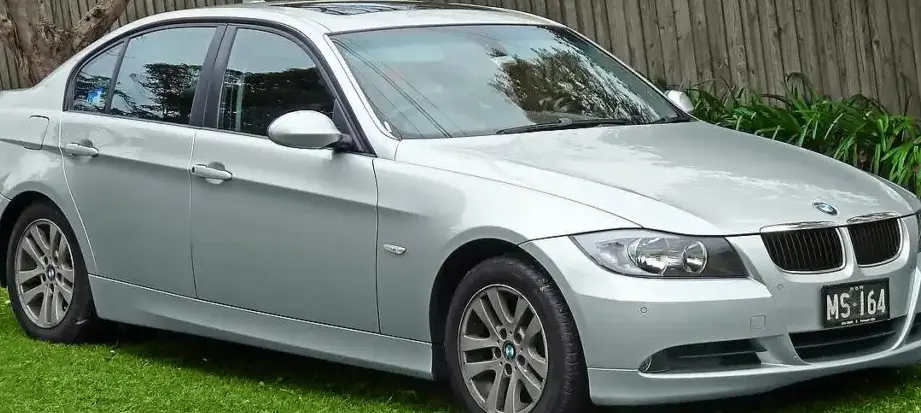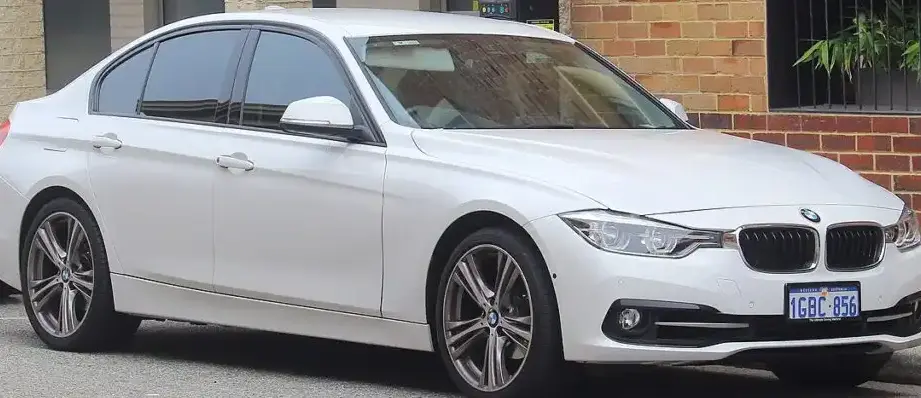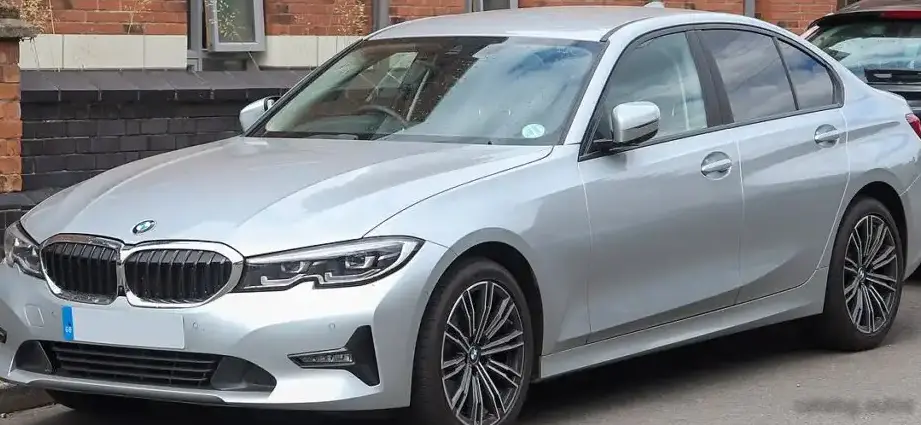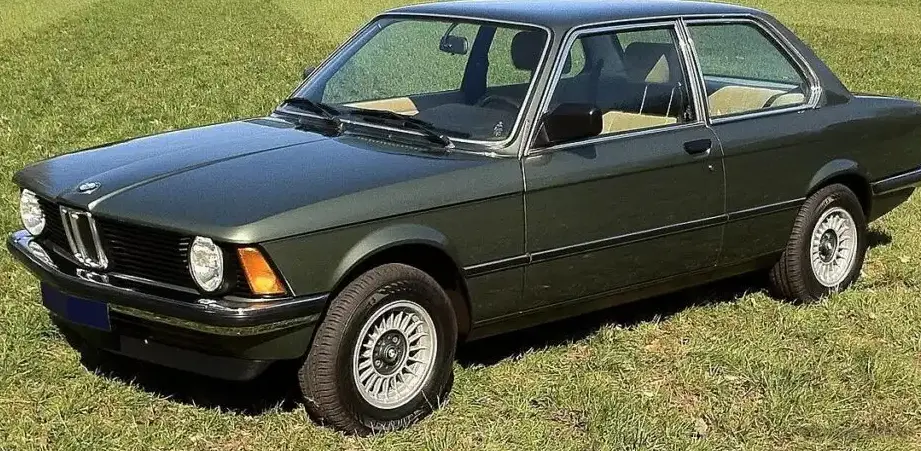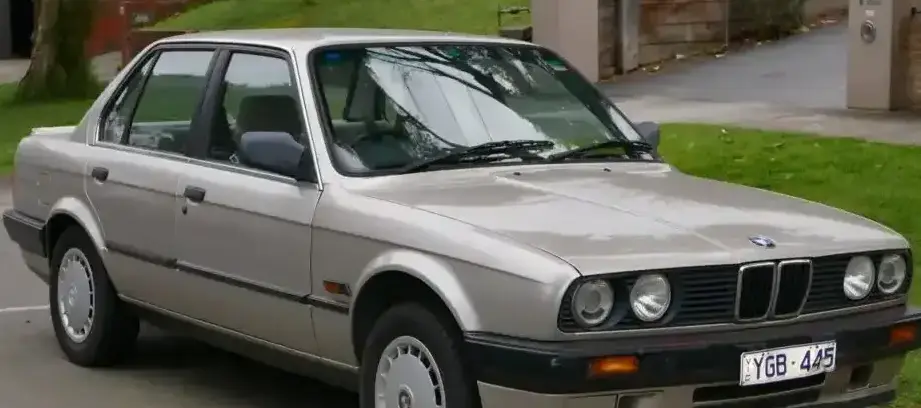
The BMW 325iX, produced between 1987 and 1991, represents a significant evolution of the E30 3 Series sedan. Introduced as part of the facelifted E30 range, the 325iX distinguished itself as BMW’s first all-wheel-drive sedan, aimed at providing enhanced traction and stability, particularly in inclement weather. This variant occupied a premium position within the E30 lineup, bridging the gap between the more affordable 325i and the high-performance M3. The combination of a 2.5-liter inline-six engine with a four-speed automatic transmission offered a blend of performance and convenience, appealing to buyers seeking a refined and capable grand tourer.
Technical Specifications
| Brand | BMW |
| Model | 3 Series |
| Generation | 3 Series Sedan (E30, facelift 1987) |
| Type (Engine) | 325iX (170 Hp) Automatic |
| Start of production | 1987 |
| End of production | 1991 |
| Powertrain Architecture | Internal Combustion engine |
| Body type | Sedan |
| Seats | 5 |
| Doors | 4 |
| Fuel consumption (economy) – urban | 13.5 l/100 km (17.4 US mpg, 20.9 UK mpg, 7.4 km/l) |
| Fuel consumption (economy) – extra urban | 7.9 l/100 km (29.8 US mpg, 35.8 UK mpg, 12.7 km/l) |
| Fuel consumption (economy) – combined | 9.9 l/100 km (23.8 US mpg, 28.5 UK mpg, 10.1 km/l) |
| Fuel Type | Petrol (Gasoline) |
| Acceleration 0 – 100 km/h | 11.2 sec |
| Acceleration 0 – 62 mph | 11.2 sec |
| Acceleration 0 – 60 mph | 10.6 sec |
| Maximum speed | 208 km/h (129.25 mph) |
| Weight-to-power ratio | 7.5 kg/Hp, 132.8 Hp/tonne |
| Weight-to-torque ratio | 5.8 kg/Nm, 173.4 Nm/tonne |
| Power | 170 Hp @ 5800 rpm |
| Power per litre | 68.2 Hp/l |
| Torque | 222 Nm @ 4300 rpm (163.74 lb.-ft. @ 4300 rpm) |
| Engine layout | Front, Longitudinal |
| Engine Model/Code | M20B25 |
| Engine displacement | 2494 cm3 (152.19 cu. in.) |
| Number of cylinders | 6 |
| Engine configuration | Inline |
| Cylinder Bore | 84 mm (3.31 in.) |
| Piston Stroke | 75 mm (2.95 in.) |
| Compression ratio | 8.8:1 |
| Number of valves per cylinder | 2 |
| Fuel injection system | Multi-port manifold injection |
| Engine aspiration | Naturally aspirated engine |
| Engine oil capacity | 4.25 l (4.49 US qt | 3.74 UK qt) |
| Coolant | 10.5 l (11.1 US qt | 9.24 UK qt) |
| Kerb Weight | 1280 kg (2821.92 lbs.) |
| Max. weight | 1740 kg (3836.04 lbs.) |
| Max load | 460 kg (1014.13 lbs.) |
| Trunk (boot) space – minimum | 425 l (15.01 cu. ft.) |
| Fuel tank capacity | 55 l (14.53 US gal | 12.1 UK gal) |
| Length | 4325 mm (170.28 in.) |
| Width | 1660 mm (65.35 in.) |
| Height | 1400 mm (55.12 in.) |
| Wheelbase | 2570 mm (101.18 in.) |
| Front track | 1420 mm (55.91 in.) |
| Rear (Back) track | 1415 mm (55.71 in.) |
| Drive wheel | All wheel drive (4×4) |
| Number of gears and type of gearbox | 4 gears, automatic transmission |
| Front suspension | Coil spring |
| Rear suspension | Coil spring |
| Front brakes | Disc |
| Rear brakes | Disc |
| Assisting systems | ABS (Anti-lock braking system) |
| Power steering | Hydraulic Steering |
| Tires size | 195/65 VR14 |
| Wheel rims size | 14 |
Powertrain & Engine Architecture
The heart of the 325iX is the M20B25, a 2.5-liter inline-six engine. This engine, a cornerstone of BMW’s engineering prowess during the 1980s, features a cast-iron block and an aluminum cylinder head. It utilizes a Bosch Motronic fuel injection system, delivering precise fuel metering for optimal performance and efficiency. The engine’s valvetrain consists of a single overhead camshaft operating two valves per cylinder. The M20B25 is known for its smooth power delivery and robust construction. Paired with this engine is a four-speed automatic transmission (typically the ZF 4HP22), chosen for its reliability and ease of use. This transmission, while not offering the sporty engagement of a manual gearbox, provided seamless shifts and contributed to the 325iX’s comfortable driving experience.
Driving Characteristics
The 325iX Automatic offered a distinct driving experience compared to its rear-wheel-drive 325i counterpart and the more powerful 325i with a manual transmission. The all-wheel-drive system provided significantly improved traction, especially on slippery surfaces. However, the added weight of the AWD components and the automatic transmission resulted in slightly slower acceleration – 0 to 60 mph in approximately 10.6 seconds. The automatic transmission’s gear ratios were tuned for comfort and fuel economy rather than outright performance. While the 325iX lacked the sharp responsiveness of the manual versions, it excelled as a stable and confident all-weather performer. The power delivery was linear and predictable, making it an easy car to drive in various conditions.
Equipment & Trim Levels
The 325iX Automatic typically came well-equipped, reflecting its position as a premium model. Standard features included power windows, power locks, a sunroof, and air conditioning. Interior upholstery was typically cloth, although leather was available as an option. The dashboard layout was characteristic of the E30, with a straightforward design and easy-to-read gauges. Optional extras included a premium sound system, heated front seats, and a limited-slip differential, further enhancing the car’s capabilities. The 325iX often featured unique badging and trim elements to distinguish it from other E30 models.
Chassis & Braking
The 325iX’s chassis was reinforced to accommodate the all-wheel-drive system. It utilized a MacPherson strut front suspension and a semi-trailing arm rear suspension, providing a comfortable ride and predictable handling. The braking system consisted of disc brakes on all four wheels, with ABS (Anti-lock Braking System) as standard equipment. This was a significant safety feature for the time, enhancing braking performance and stability. The 325iX’s suspension was tuned to balance comfort and handling, offering a composed ride even on uneven surfaces.
Market Reception & Comparison
The 325iX was generally well-received by automotive critics, who praised its all-weather capability and refined driving experience. However, some reviewers noted the slight performance penalty associated with the all-wheel-drive system and automatic transmission. Compared to the rear-wheel-drive 325i, the 325iX offered superior traction but slightly lower fuel economy. Against the higher-performance M3, the 325iX provided a more comfortable and practical alternative, sacrificing some outright speed for everyday usability. The 325iX appealed to buyers in regions with harsh winters or those who prioritized safety and stability.
Legacy
The BMW 325iX holds a unique place in E30 history as the first all-wheel-drive 3 Series sedan. While not as widely celebrated as the M3, the 325iX has gained a loyal following among enthusiasts who appreciate its blend of performance, practicality, and all-weather capability. The M20B25 engine is known for its durability, and well-maintained examples can still provide reliable service today. The 325iX’s all-wheel-drive system, while relatively simple by modern standards, proved to be effective and has paved the way for BMW’s xDrive technology. In the used car market, the 325iX commands a premium over other E30 models, reflecting its rarity and unique appeal.