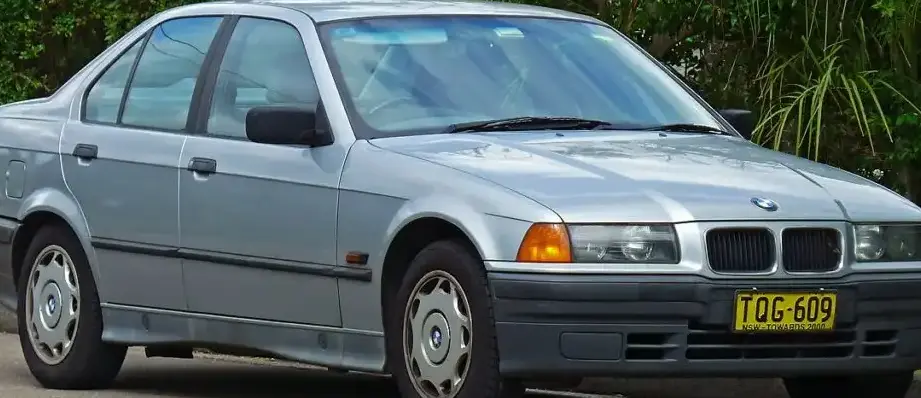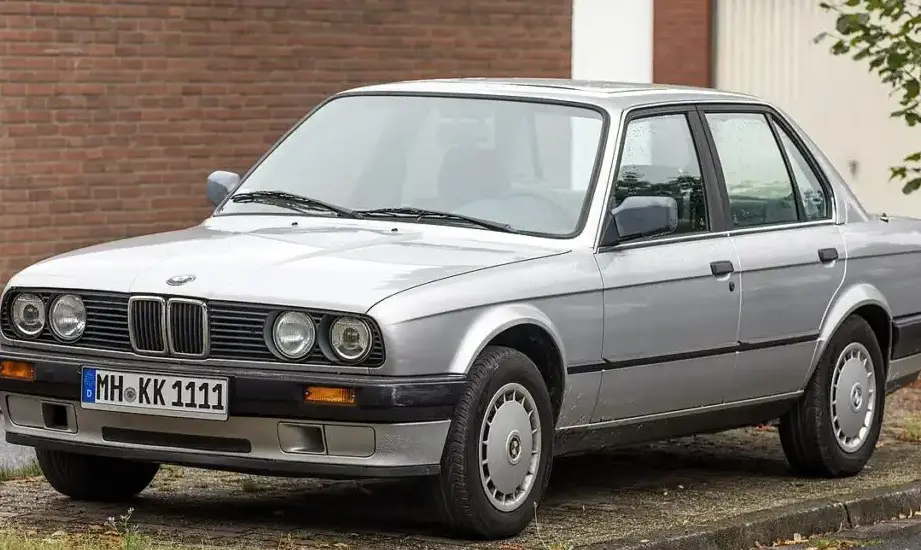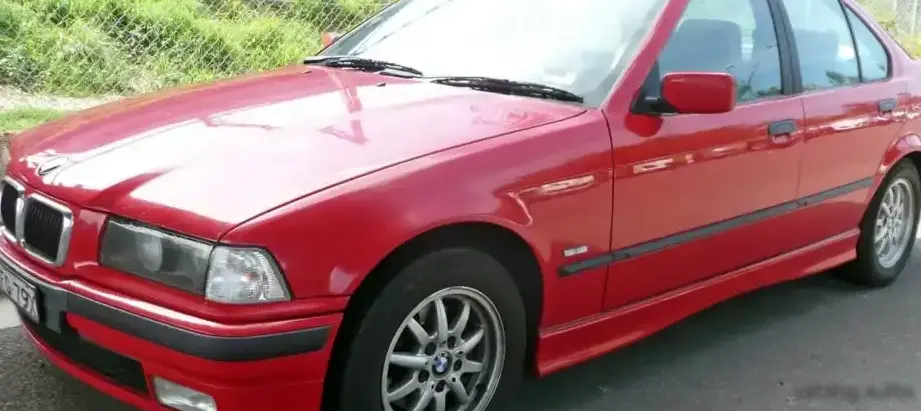
The BMW 3 Series Sedan (E36) 316i Automatic, produced between 1990 and 1993, represented the entry point into the highly successful E36 generation of BMW’s iconic 3 Series. Positioned as a more accessible option, it offered the renowned BMW driving experience to a wider audience. This variant utilized a 1.6-liter inline-four engine paired with a four-speed automatic transmission, catering to buyers prioritizing comfort and ease of use over outright performance. It served as a crucial model in establishing the E36’s reputation for build quality, handling, and a premium feel, particularly in the European market where it was a popular choice for daily commuting and family transport.
| Brand | BMW |
| Model | 3 Series |
| Generation | 3 Series Sedan (E36) |
| Type (Engine) | 316i (99 Hp) Automatic |
| Start of production | 1990 |
| End of production | 1993 |
| Powertrain Architecture | Internal Combustion engine |
| Body type | Sedan |
| Seats | 5 |
| Doors | 4 |
| Fuel consumption (urban) | 11 l/100 km (21.4 US mpg) |
| Fuel consumption (extra urban) | 6.3 l/100 km (37.3 US mpg) |
| Fuel consumption (combined) | 7.8 l/100 km (30.2 US mpg) |
| Fuel Type | Petrol (Gasoline) |
| Acceleration 0 – 100 km/h | 15 sec |
| Acceleration 0 – 62 mph | 15 sec |
| Acceleration 0 – 60 mph | 14.3 sec |
| Maximum speed | 189 km/h (117.44 mph) |
| Weight-to-power ratio | 12.2 kg/Hp |
| Weight-to-torque ratio | 8.5 kg/Nm |
| Power | 99 Hp @ 5500 rpm |
| Torque | 141 Nm @ 4250 rpm (104 lb.-ft. @ 4250 rpm) |
| Engine layout | Front, Longitudinal |
| Engine Model/Code | M40B16 |
| Engine displacement | 1596 cm3 (97.39 cu. in.) |
| Number of cylinders | 4 |
| Engine configuration | Inline |
| Cylinder Bore | 84 mm (3.31 in.) |
| Piston Stroke | 72 mm (2.83 in.) |
| Compression ratio | 9.1:1 |
| Number of valves per cylinder | 2 |
| Fuel injection system | Multi-port manifold injection |
| Engine aspiration | Naturally aspirated |
| Valvetrain | OHC |
| Engine oil capacity | 4 l (4.23 US qt | 3.52 UK qt) |
| Coolant capacity | 6.5 l (6.87 US qt | 5.72 UK qt) |
| Kerb Weight | 1205 kg (2656.57 lbs.) |
| Max. weight | 1665 kg (3670.7 lbs.) |
| Max load | 460 kg (1014.13 lbs.) |
| Trunk (boot) space – minimum | 435 l (15.36 cu. ft.) |
| Fuel tank capacity | 65 l (17.17 US gal | 14.3 UK gal) |
| Length | 4433 mm (174.53 in.) |
| Width | 1698 mm (66.85 in.) |
| Height | 1393 mm (54.84 in.) |
| Wheelbase | 2700 mm (106.3 in.) |
| Front track | 1418 mm (55.83 in.) |
| Rear track | 1431 mm (56.34 in.) |
| Drivetrain Architecture | Rear wheel drive |
| Number of gears | 4 |
| Gearbox type | Automatic transmission |
| Front suspension | Wishbone |
| Rear suspension | Coil spring |
| Front brakes | Disc |
| Rear brakes | Drum |
| Assisting systems | ABS (Anti-lock braking system) |
| Steering type | Steering rack and pinion |
| Power steering | Hydraulic |
| Tires size | 185/65 R15 |
| Wheel rims size | 15 |
Powertrain & Engine Architecture
The heart of the 316i Automatic was the M40B16 engine, a 1.6-liter (1596cc) inline-four cylinder powerplant. This engine featured a single overhead camshaft (OHC) operating two valves per cylinder. Fuel delivery was handled by a Bosch Motronic multi-port fuel injection system, a significant advancement over earlier carburetor-based systems, improving efficiency and responsiveness. The M40B16 was known for its relatively smooth operation and decent low-end torque, although it lacked the outright punch of larger engines in the 3 Series lineup. The four-speed automatic transmission, a ZF 4HP22 unit, was chosen for its reliability and ease of use. While it provided smooth shifts, it did contribute to slightly slower acceleration times compared to the five-speed manual option.
Driving Characteristics
The 316i Automatic offered a comfortable and refined driving experience. With 99 horsepower and 104 lb-ft of torque, acceleration was adequate for everyday driving, but not particularly brisk. The 0-60 mph time hovered around 14.3 seconds, and top speed was limited to 117 mph. The automatic transmission’s gear ratios were optimized for fuel economy and smooth cruising, rather than aggressive acceleration. Compared to the manual transmission version, the automatic felt slightly less engaging and responsive. The higher-output 318i and 325i models offered significantly more performance, but at a higher price point. The 316i Automatic prioritized usability and comfort over sporty driving dynamics.
Equipment & Trim Levels
The 316i Automatic typically came equipped with a reasonable level of standard features. Interior upholstery was usually cloth, with options for leather available at extra cost. Standard equipment included power windows, central locking, and a basic stereo system. Air conditioning was a popular optional extra, as were alloy wheels and a sunroof. The dashboard layout was typical of early 1990s BMWs, with a clear and functional design. Trim levels were relatively simple, with most variations coming down to optional extras rather than distinct model designations. The focus was on providing a well-equipped and comfortable vehicle without the premium price tag of the higher-spec models.
Chassis & Braking
The E36 3 Series boasted a well-engineered chassis, and the 316i Automatic benefited from this. Front suspension utilized MacPherson struts, while the rear employed a semi-trailing arm setup. This configuration provided a good balance of ride comfort and handling. Brakes were disc brakes at the front and drum brakes at the rear, which was typical for an entry-level model of this era. Anti-lock Braking System (ABS) was standard, enhancing safety. The 316i’s lighter weight, compared to its larger-engined siblings, contributed to its nimble handling characteristics. Stabilizer bars were fitted front and rear, further improving body control.
Market Reception & Comparison
The 316i Automatic was generally well-received by automotive critics as a sensible and practical entry-level luxury sedan. It was praised for its build quality, comfortable ride, and fuel efficiency. However, some reviewers noted its lack of outright performance compared to the 318i and 325i models. Fuel economy was a strong point, achieving around 30 mpg on the combined cycle. Reliability was generally good, although the automatic transmission could require maintenance over time. Compared to competitors like the Mercedes-Benz C-Class and Audi A4, the 316i offered a more engaging driving experience and a sportier image.
Legacy
The E36 316i Automatic has become a popular choice among classic BMW enthusiasts, particularly those seeking an affordable and reliable entry point into the brand. The M40B16 engine is known for its durability, and parts availability remains relatively good. While not a performance icon, the 316i Automatic represents a well-rounded and enjoyable driving experience. Today, well-maintained examples command reasonable prices in the used car market, making them an attractive option for those looking for a classic BMW sedan. The combination of BMW engineering, a comfortable interior, and relatively simple mechanics ensures its continued appeal for years to come.