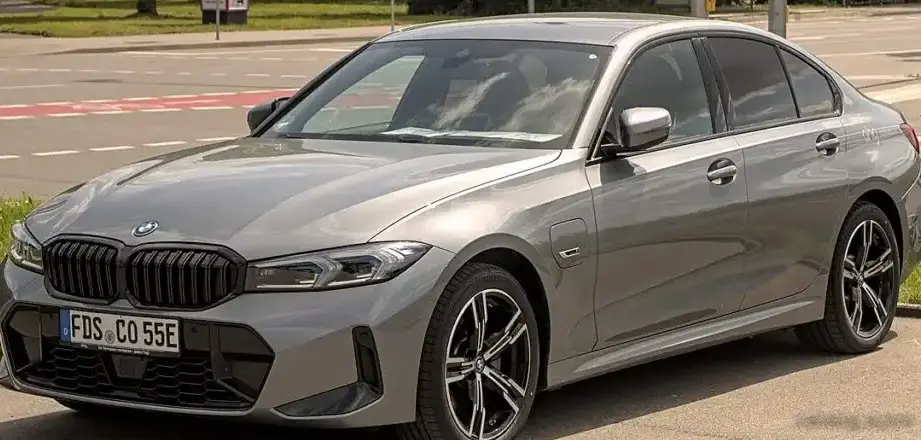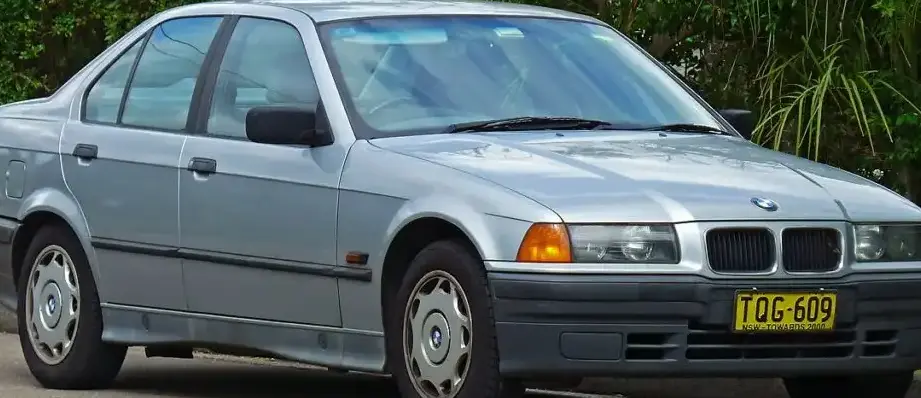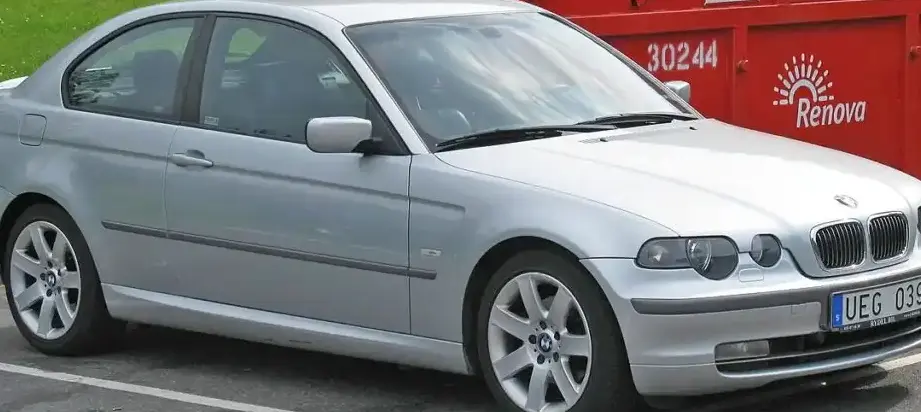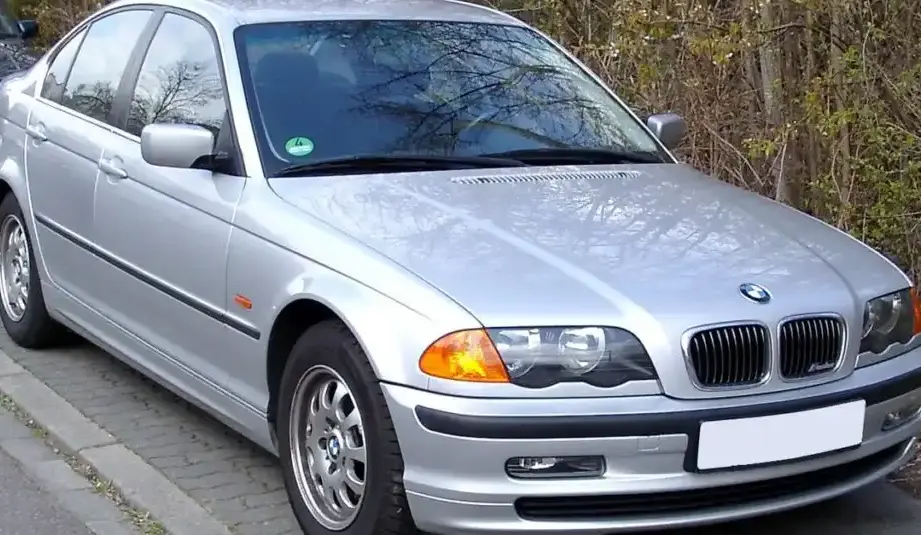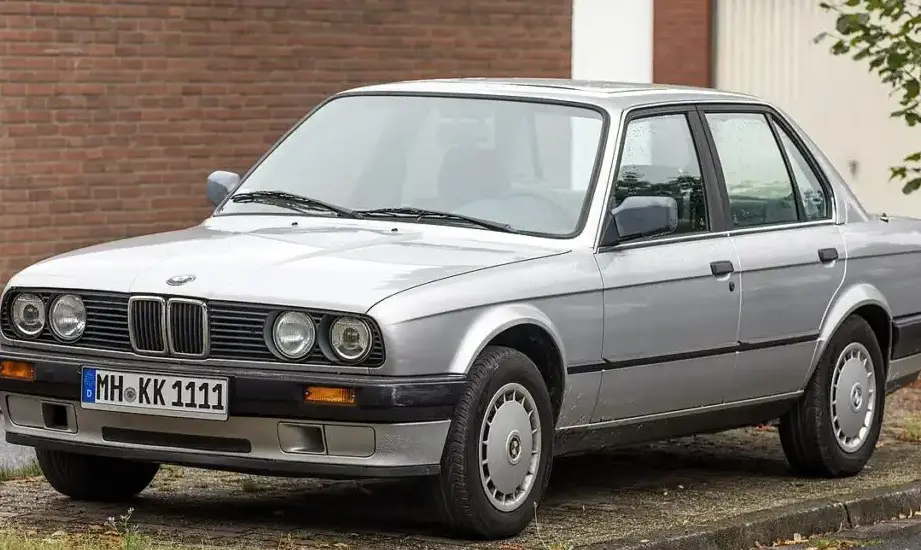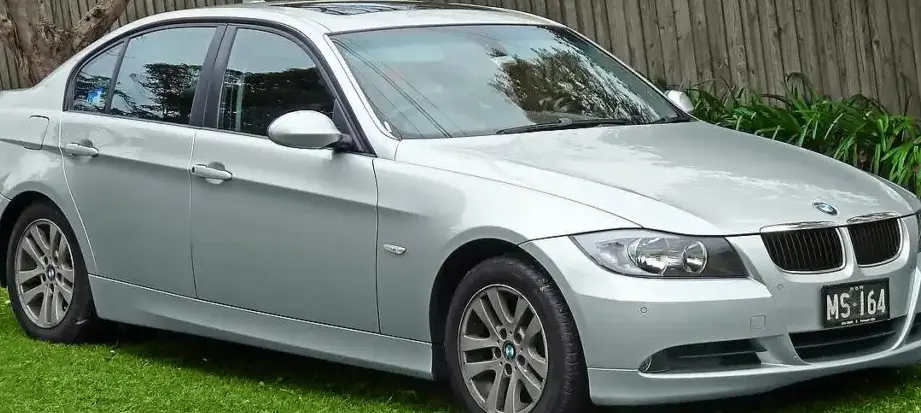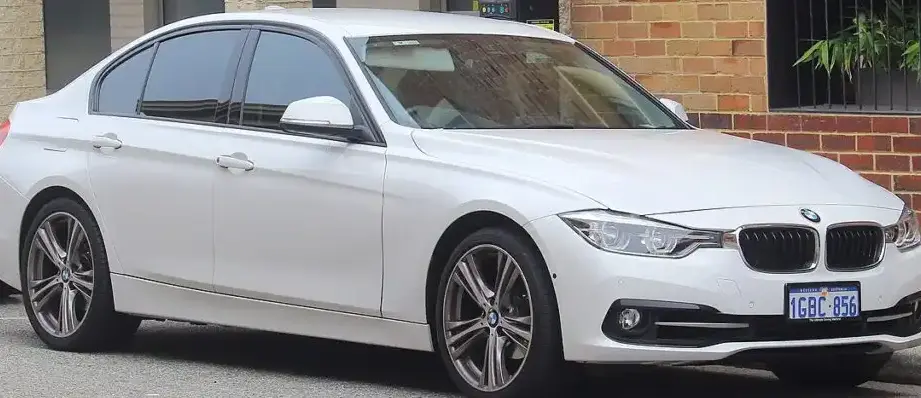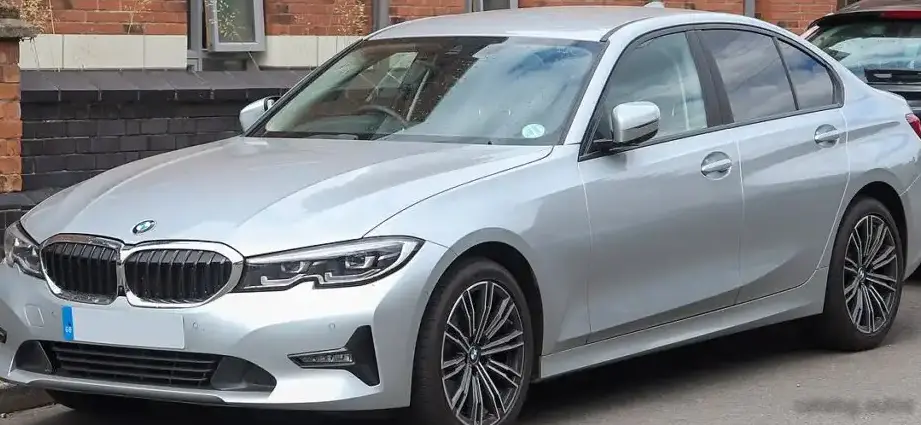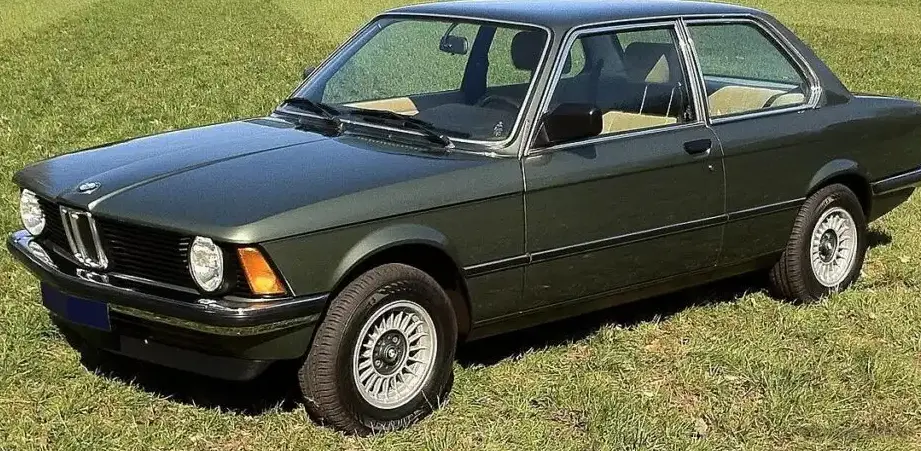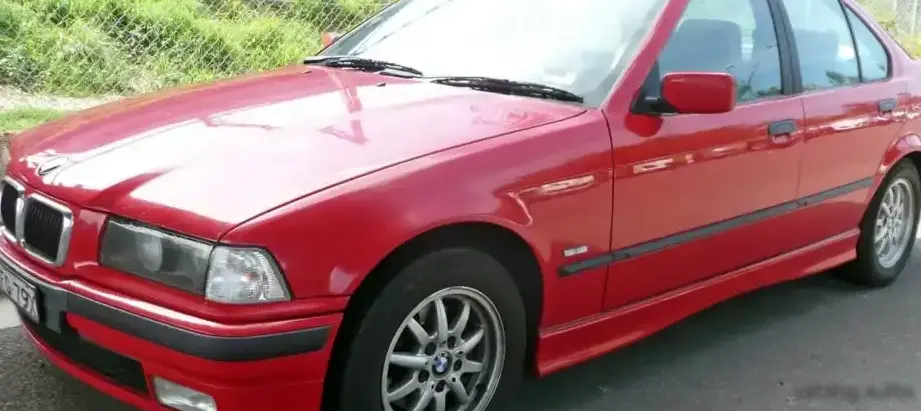
The BMW 3 Series Sedan (E36) 318is, produced from 1991 to 1996, represented a significant evolution in BMW’s compact executive car lineage. Positioned as a sporty variant within the E36 3 Series range, the 318is offered a balance between performance and affordability, appealing to enthusiasts seeking a driver-focused experience without the higher price tag of the larger-engined models. It was a key model in establishing the E36 as a benchmark for handling and build quality in its segment, particularly in the North American market where it gained a strong following. The 318is occupied a mid-range position in the E36 lineup, slotting below the 328i and offering a more engaging alternative to the base 318i.
Technical Specifications
| Brand | BMW |
| Model | 3 Series |
| Generation | 3 Series Sedan (E36) |
| Type (Engine) | 318is (140 Hp) |
| Start of production | 1991 |
| End of production | 1996 |
| Powertrain Architecture | Internal Combustion engine |
| Body type | Sedan |
| Seats | 5 |
| Doors | 4 |
| Fuel consumption (economy) – urban | 7.7 l/100 km (30.5 US mpg) |
| Fuel consumption (economy) – extra urban | 6.4 l/100 km (36.8 US mpg) |
| Fuel Type | Petrol (Gasoline) |
| Acceleration 0 – 100 km/h | 10.2 sec |
| Acceleration 0 – 62 mph | 10.2 sec |
| Acceleration 0 – 60 mph | 9.7 sec |
| Maximum speed | 213 km/h (132.35 mph) |
| Weight-to-power ratio | 8.9 kg/Hp |
| Weight-to-torque ratio | 7.1 kg/Nm |
| Power | 140 Hp @ 6000 rpm |
| Power per litre | 78 Hp/l |
| Torque | 175 Nm @ 4500 rpm (129.07 lb.-ft. @ 4500 rpm) |
| Engine layout | Front, Longitudinal |
| Engine Model/Code | M42B18 |
| Engine displacement | 1796 cm3 (109.6 cu. in.) |
| Number of cylinders | 4 |
| Engine configuration | Inline |
| Cylinder Bore | 84 mm (3.31 in.) |
| Piston Stroke | 81 mm (3.19 in.) |
| Compression ratio | 10:1 |
| Number of valves per cylinder | 4 |
| Fuel injection system | Multi-port manifold injection |
| Engine aspiration | Naturally aspirated engine |
| Valvetrain | DOHC |
| Engine oil capacity | 5 l (5.28 US qt | 4.4 UK qt) |
| Coolant | 6.5 l (6.87 US qt | 5.72 UK qt) |
| Kerb Weight | 1240 kg (2733.73 lbs.) |
| Max. weight | 1700 kg (3747.86 lbs.) |
| Max load | 460 kg (1014.13 lbs.) |
| Trunk (boot) space – minimum | 435 l (15.36 cu. ft.) |
| Fuel tank capacity | 65 l (17.17 US gal | 14.3 UK gal) |
| Length | 4433 mm (174.53 in.) |
| Width | 1698 mm (66.85 in.) |
| Height | 1393 mm (54.84 in.) |
| Wheelbase | 2700 mm (106.3 in.) |
| Front track | 1418 mm (55.83 in.) |
| Rear (Back) track | 1431 mm (56.34 in.) |
| Ride height (ground clearance) | 110 mm (4.33 in.) |
| Drivetrain Architecture | Rear wheel drive |
| Number of gears and type of gearbox | 5 gears, manual transmission |
| Front suspension | Wishbone |
| Rear suspension | Coil spring |
| Front brakes | Ventilated discs |
| Rear brakes | Disc |
| Assisting systems | ABS (Anti-lock braking system) |
| Steering type | Steering rack and pinion |
| Power steering | Hydraulic Steering |
| Tires size | 185/65 R15 |
| Wheel rims size | 15 |
Powertrain & Engine Architecture
The heart of the 318is was the M42B18, a 1.8-liter inline-four cylinder engine. This engine was a significant upgrade over the base 318i’s M40 engine, featuring a higher compression ratio (10:1) and revised cylinder head with dual overhead camshafts (DOHC) and four valves per cylinder. This valvetrain configuration allowed for improved breathing and higher revs, contributing to the engine’s increased power output. Fuel delivery was handled by a Bosch Motronic multi-port fuel injection system, optimizing air-fuel mixture for efficient combustion. The M42B18 produced 140 horsepower at 6000 rpm and 175 Nm (129 lb-ft) of torque at 4500 rpm. The standard transmission was a smooth-shifting five-speed manual, although a four-speed automatic transmission was also available, albeit with a slight performance penalty. The engine’s longitudinal mounting and rear-wheel-drive configuration were hallmarks of BMW’s engineering philosophy at the time, prioritizing driving dynamics.
Driving Characteristics
The 318is, particularly with the five-speed manual transmission, offered a genuinely engaging driving experience. While not as brutally fast as the 328i, the 318is felt nimble and responsive, thanks to its lighter weight and well-tuned suspension. The M42B18 engine provided a linear power delivery, making it easy to place the car accurately on the road. The five-speed gearbox had well-chosen ratios, allowing the driver to keep the engine in its sweet spot. The automatic transmission, while offering convenience, noticeably dulled the car’s responsiveness. Compared to the 328i, the 318is demanded more driver involvement to extract its full potential, but many enthusiasts preferred this characteristic. The rear-wheel-drive layout contributed to a balanced chassis, providing predictable handling and a rewarding feel.
Equipment & Trim Levels
The 318is typically came standard with features such as power windows, power locks, and a basic stereo system. Sport seats with enhanced bolstering were standard, providing excellent support during spirited driving. Optional extras included a sunroof, leather upholstery, air conditioning, and a premium sound system. The interior trim was generally functional and well-built, reflecting BMW’s reputation for quality. The 318is often featured unique exterior touches, such as a sport suspension, alloy wheels, and a subtle rear spoiler, differentiating it from the base 318i. The trim level was generally consistent, with options being the primary way to personalize the vehicle.
Chassis & Braking
The E36 318is utilized a MacPherson strut front suspension and a semi-trailing arm rear suspension. The sport suspension, standard on the 318is, featured stiffer springs and dampers compared to the base 318i, resulting in reduced body roll and improved handling. The braking system consisted of ventilated discs at the front and solid discs at the rear. Anti-lock braking system (ABS) was standard, enhancing safety and control. The steering was a rack-and-pinion system with hydraulic power assistance, providing precise and responsive steering feel. The chassis was designed to be lightweight and rigid, contributing to the car’s overall agility.
Market Reception & Comparison
The 318is was generally well-received by automotive critics, who praised its handling, build quality, and overall driving experience. It was often seen as a more sensible alternative to the more expensive 328i, offering a good balance of performance and value. Compared to other cars in its class, such as the Acura Integra and the Honda Civic Si, the 318is offered a more refined and sophisticated driving experience. Fuel economy was respectable, averaging around 25 mpg in mixed driving. Reliability was generally good, although the M42B18 engine was known to be somewhat sensitive to oil changes and maintenance. The automatic transmission versions were often criticized for their sluggish performance.
Legacy
The E36 318is has become a popular choice among enthusiasts and collectors. Its combination of sporty handling, reliable mechanicals, and relatively affordable price has made it a desirable used car. The M42B18 engine, while not as powerful as some of its contemporaries, is known for its durability and tunability. Today, well-maintained examples of the 318is are increasingly sought after, representing a classic era of BMW engineering and a rewarding driving experience. Parts availability remains good, making it a relatively easy car to maintain and restore. The E36 318is continues to be a testament to BMW’s commitment to building driver-focused automobiles.